#context management
125 related articles
Product Reviews
Context Mode: How One MCP Plugin Cured…
·3 min
Context Mode: How One MCP Plugin Cured AI Coding Assistants' Amnesia
Context Mode solves AI coding assistants' context amnesia via sandbox isolation, session continuity tracking, and code-thinking philosophy—compressing context consumption by 99% and earning 9,700 Stars in two months.
Read more →
 Tutorials
·2 min
Cursor AI Programming in Practice: A Complete Guide to Using Coding Agents Efficiently
A deep dive into Cursor's coding agent architecture and practical techniques, covering code search, feature development, debugging, code review, and custom configuration for efficient AI programming.
Read more →
 Product Reviews
·3 min
Deep Dive into the Codex Chrome Extension: How an AI Coding Assistant Breaks Beyond the Code Editor
OpenAI launches a Codex Chrome extension enabling automated actions on authenticated websites. Deep analysis of its capabilities, security design, CLI improvements, and plugin ecosystem evolution.
Read more →
 Tech Frontiers
·3 min
Tech Weekly: OpenAI Swarm Framework, Claude Data Visualization & Lightweight OS Analysis
This week's tech roundup analyzes OpenAI's Swarm Agent framework, Anthropic's Claude data visualization app, Kali Linux, Unikraft lightweight OS, and Go Blueprint — covering AI, security, and cloud computing.
Read more →
 Tutorials
·2 min
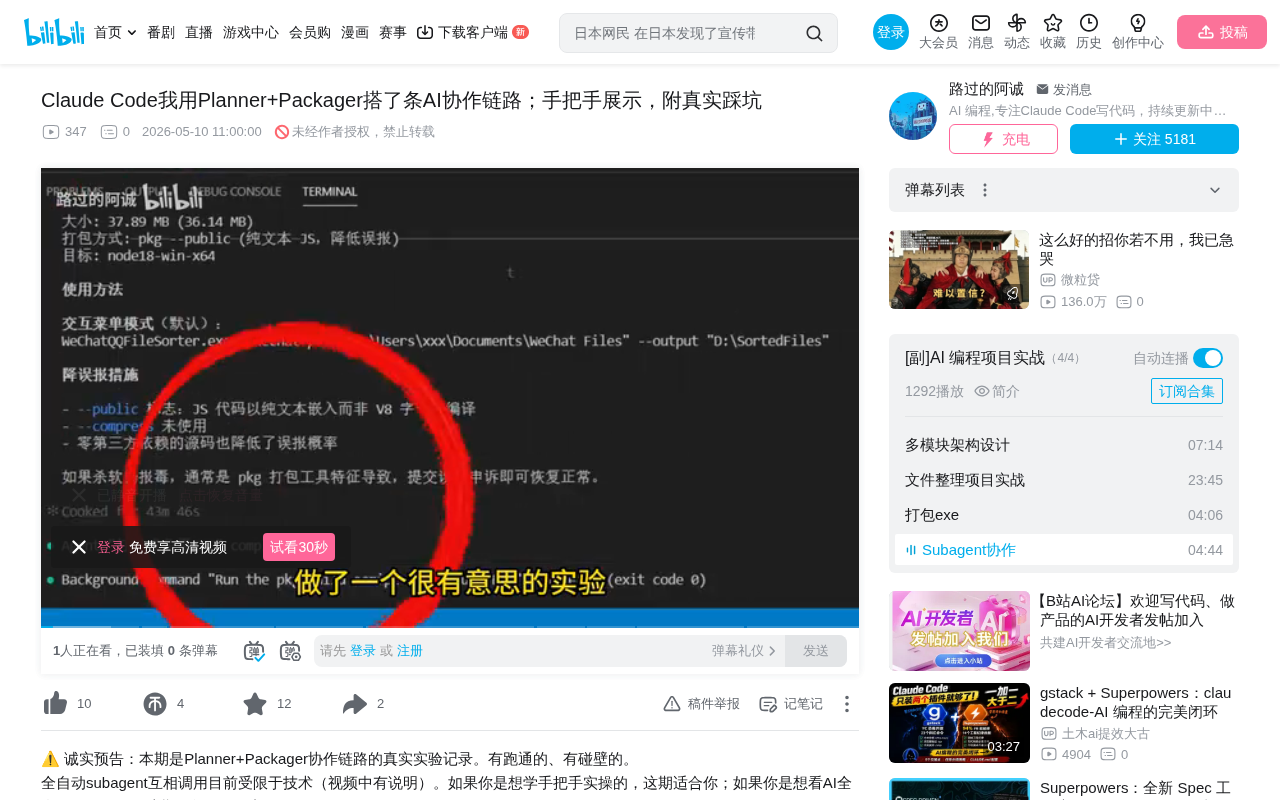
Claude Code Multi-Agent Collaboration in Practice: Subagent Division of Labor and a Lite TARS Concept
Explore Claude Code multi-Agent collaboration with Planner+Packager Subagents for semi-automated project iteration, plus a lite TARS orchestration concept revealing Agent inter-calling limits.
Read more →
 Product Reviews
·3 min
WaLiCode v0.2.0: Indie AI IDE Adds Multi-Project Chat and Task Decomposition
Indie developer releases AI IDE WaLiCode v0.2.0 with multi-project chat, task decomposition mode, and Ollama local model support, addressing pain points in mainstream AI IDEs.
Read more →
 Tutorials
·3 min
Claude Agent SDK + LiteLLM + Local LLMs: Building a Zero-Cost AI Agent Platform
Learn how to redirect Claude Agent SDK API requests to local LLMs via LiteLLM Proxy, achieving zero-cost inference while retaining full agent framework capabilities.
Read more →
 Tutorials
·3 min
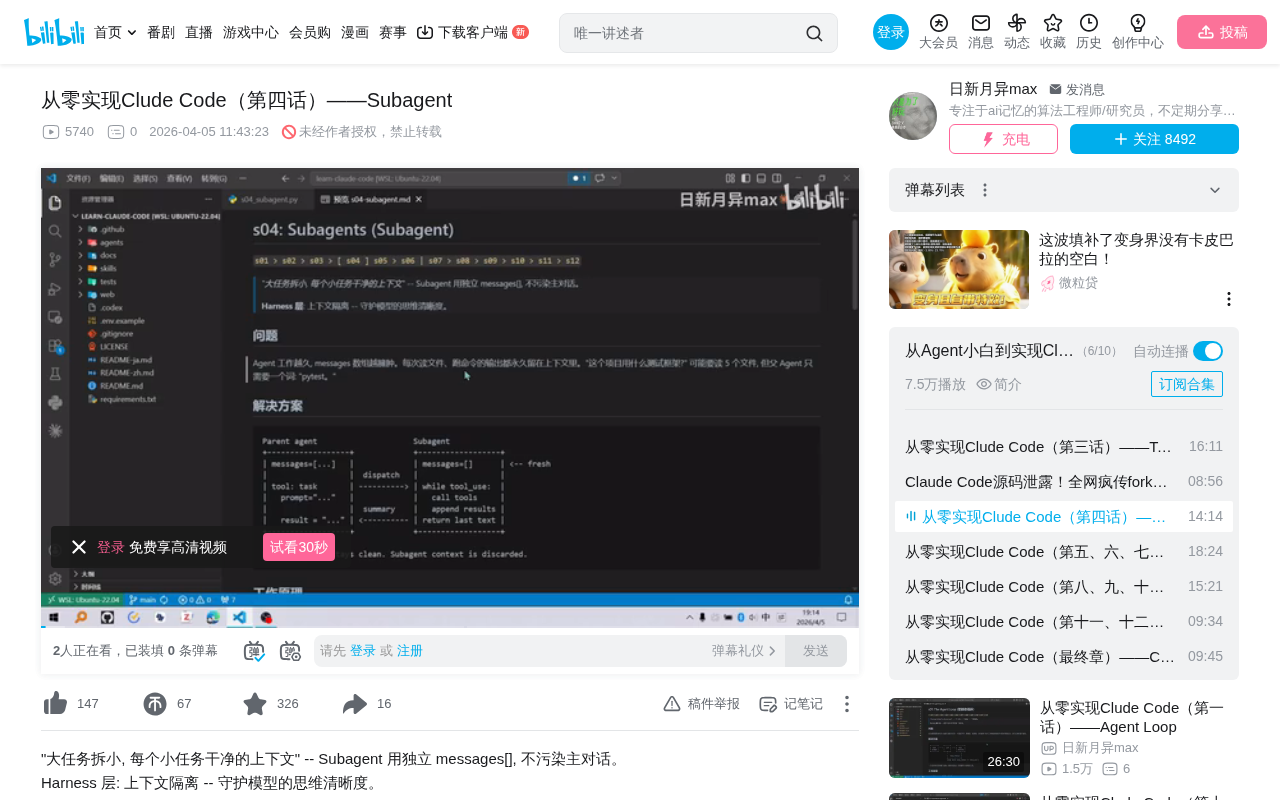
SubAgent Architecture: The Core Implementation for Context Isolation
Deep dive into SubAgent context isolation architecture, covering parent-child Agent roles, tool definitions, run_subagent implementation, and differences from TodoList and Agent Teams.
Read more →
 Deep Dives
·3 min
Claude Sub-agents vs Agent Teams: How to Choose Between Two AI Multi-Agent Collaboration Patterns
Deep comparison of Claude sub-agents vs agent teams: architecture differences, use cases, and real-world results. A Pokémon RPG case study shows how agent teams achieve 95%+ feature completeness.
Read more →
 Product Reviews
·2 min
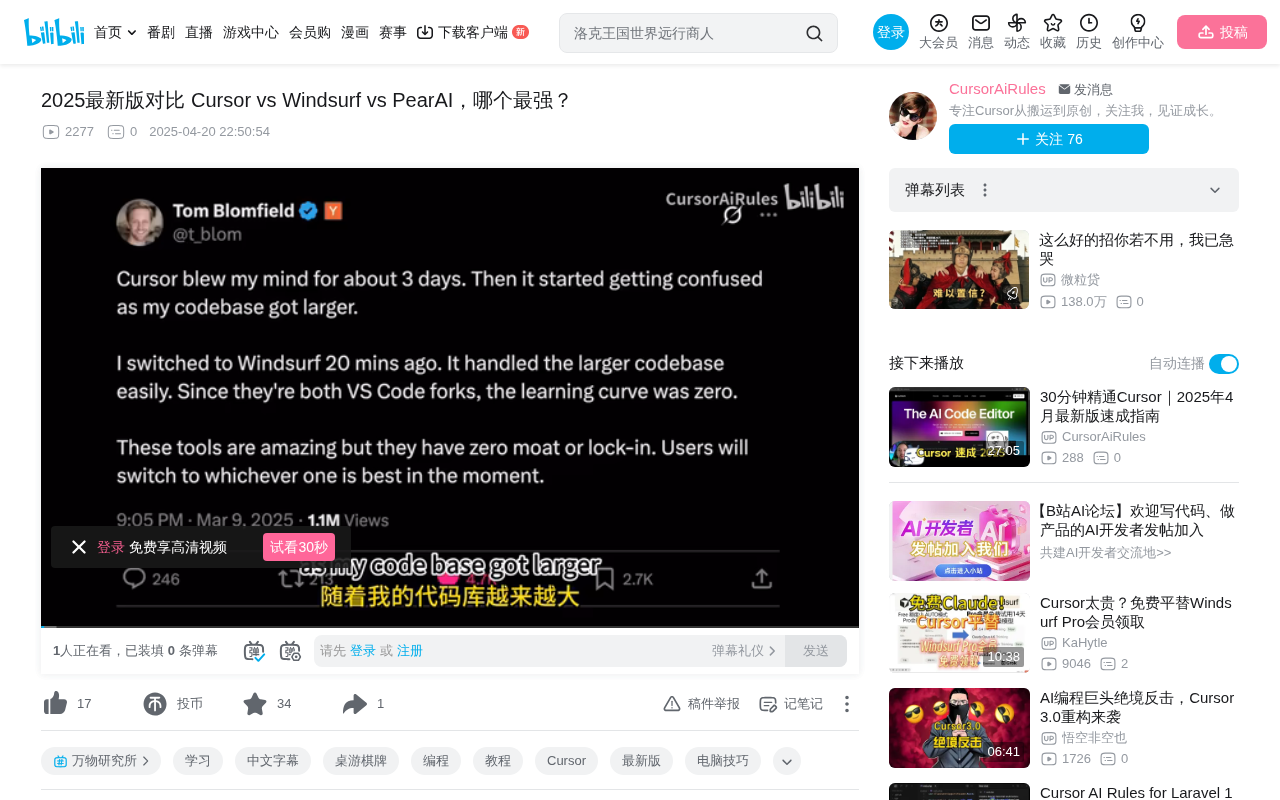
Cursor vs Windsurf vs PearAI: An In-Depth Comparison of AI Code Editors
Hands-on comparison of Cursor, Windsurf, and PearAI across UI design, UX, AI coding ability, and extra features to help you pick the best AI code editor.
Read more →
 Tutorials
·3 min
Open-Source Multi-Agent Intelligent Diagnostic System: Deep Dive into MCP + RAG + Skill Routing Architecture
Deep dive into an open-source multi-Agent diagnostic system built on modified OneCall, featuring MCP real-time interaction, RAG-enhanced Q&A, and Skill routing to minimize Token consumption.
Read more →
 Deep Dives
·3 min
Harness Engineering Explained: Building Stable and Efficient Work Systems for AI
Deep dive into Harness Engineering: how to build execution environments, toolchains, and feedback loops for AI. From Prompt Engineering to system-level engineering for stable AI production.
Read more →
 Tutorials
·3 min
Claude Code Beginner's Guide: Installation, Cost-Saving Solutions & Source Code Architecture Analysis
Claude Code beginner tutorial covering installation, common issues, low-cost alternatives for budget users, and deep analysis of 8 Agent design patterns revealed by the 510K-line source code leak.
Read more →
 Tech Frontiers
·3 min
GPT-5.3 Codenamed "Garlic" Coming Soon, Claude Cowork Launches Targeting Non-Developers
OpenAI's GPT-5.3 codenamed Garlic is coming soon, Anthropic launches Claude Cowork for non-developers, plus breakthroughs in Baichuan M3 medical and SiNong agricultural AI models.
Read more →
 Tutorials
·3 min
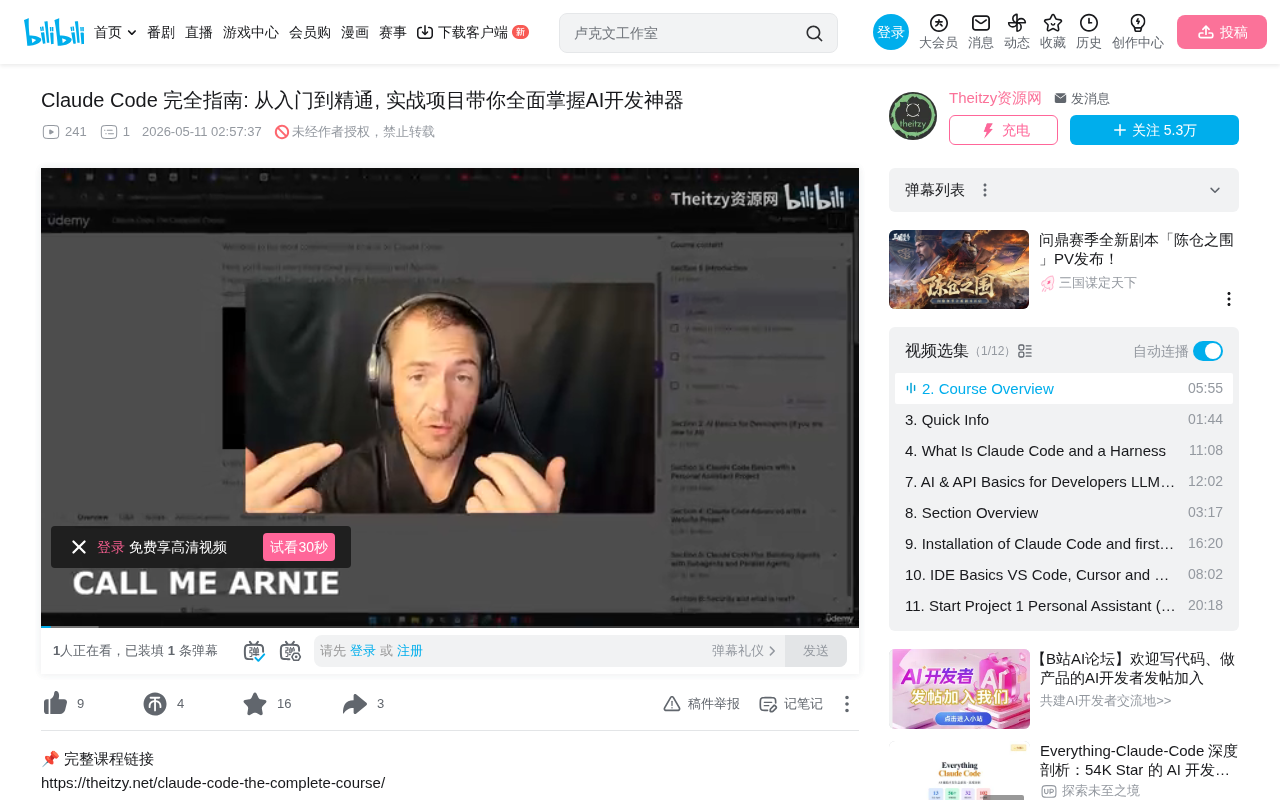
The Complete Guide to Claude Code: From Personal Assistant to AI Agent Development
A systematic breakdown of the Complete Guide to Claude Code course, covering context engineering, MCP protocol, claude.md configuration, multi-Agent architecture, and three progressive projects.
Read more →
 Product Reviews
·2 min
Kimi K2.6 Open-Source Hands-On: How Strong Is Its Orchestration of 300 Concurrent Agents?
Deep analysis of Moonshot AI's open-source Kimi K2.6 Agent orchestration: 300 sub-Agents executing 4000-step tasks, outperforming GPT-5.4 in coding benchmarks, LoRA fine-tuning on 2x RTX 4090s.
Read more →
 Tutorials
·2 min
Five Core Differences Between Claude Code and Traditional AI Chat Tools
Compare Claude Code vs traditional AI chat tools like ChatGPT across 5 dimensions: interaction, context, execution, memory, and tool invocation to decide if this AI coding assistant is right for you.
Read more →
 Product Reviews
·3 min
Google AI Studio Build 2.0 Deep Dive: A Comprehensive Breakdown of Five Core Upgrades
Deep dive into Google AI Studio Build 2.0's major upgrade: Anti-Gravity agent, Firebase integration, full-stack support, server-side generation, and multi-framework options transforming this free AI coding platform.
Read more →
 Tutorials
·3 min
Deep Agents: Enterprise-Grade Agent Engineering and Deep Research Implementation Guide
Learn how the Deep Agents framework solves enterprise AI Agent challenges like tool sprawl and context pollution, with a complete Deep Research implementation guide covering task decomposition, multi-source integration, and structured report generation.
Read more →
Product Reviews
Local Deployment of Qwen 3.6 27B on 4×…
·3 min
Local Deployment of Qwen 3.6 27B on 4×3080Ti: Real-World Coding Test with OpenCode
Real-world test of Qwen 3.6 27B FP8 deployed on 4×3080Ti 16GB modded GPUs with OpenCode for system tool development. Covers hardware setup, inference speed, context management, and productivity gains.
Read more →