#multi-Agent systems
89 related articles
Industry Insights
US vs. China AI Computer Control Diver…
·3 min
US vs. China AI Computer Control Divergence: Why Programming Tools Still Haven't Integrated GUI Agents
AI computer control success rates surpass humans, yet Cursor and Copilot still lack GUI Agent integration. Deep analysis of US product packaging vs. China's open-source ecosystem, plus three bottlenecks blocking the path to autonomous software engineers.
Read more →
 Tutorials
·3 min
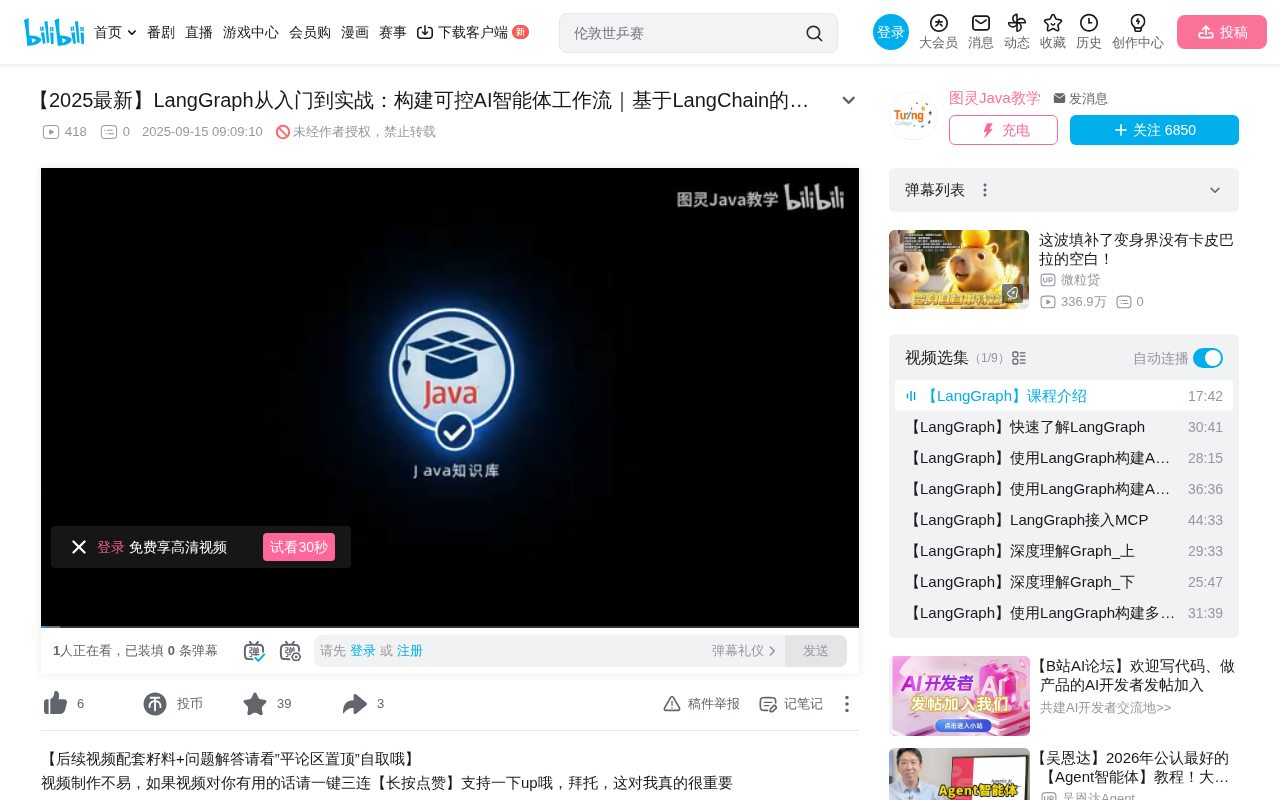
LangGraph Multi-Agent Architecture: Graph Structure Principles and Enterprise-Level Implementation Guide
Deep dive into LangGraph's core graph structure design, single and multi-agent collaboration patterns, MCP protocol integration, and Time Travel fault-tolerance, with enterprise-level hybrid multi-agent architecture implementation.
Read more →
 Tutorials
·3 min
LangGraph Multi-Agent Architecture: Core Principles and Enterprise-Level Implementation Guide
Deep dive into LangGraph multi-agent architecture covering Graph structure principles, MCP service integration, Time Travel debugging, and supervised multi-agent enterprise implementation patterns.
Read more →
 Tutorials
·2 min
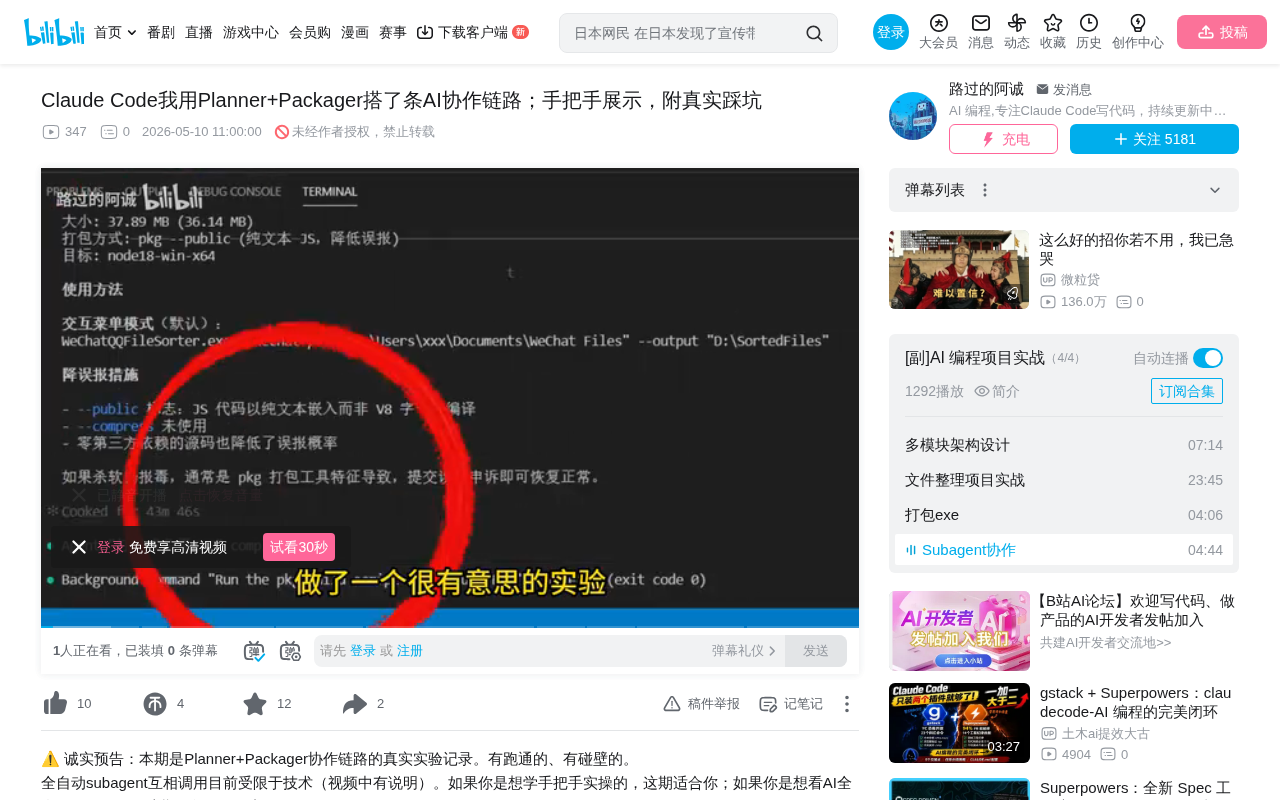
Claude Code Multi-Agent Collaboration in Practice: Subagent Division of Labor and a Lite TARS Concept
Explore Claude Code multi-Agent collaboration with Planner+Packager Subagents for semi-automated project iteration, plus a lite TARS orchestration concept revealing Agent inter-calling limits.
Read more →
 Product Reviews
·3 min
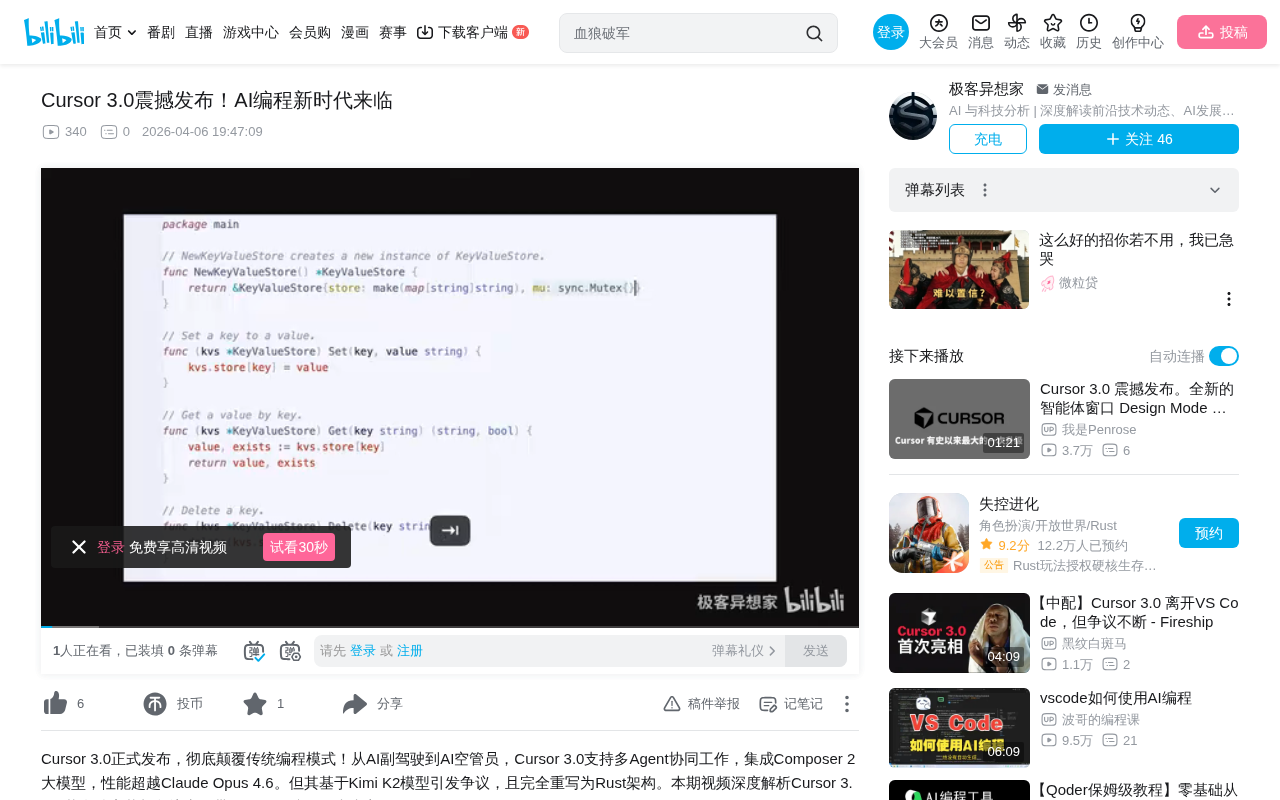
Cursor 3.0 Deep Dive: From Code Editor to AI Agent Command Center
Deep dive into Cursor 3.0's major upgrades: proprietary Composer 2 coding model, multi-agent parallel workflows, built-in browser and design mode. Exploring the shift from VS Code fork to Rust rewrite and the AI agent programming paradigm.
Read more →
 Product Reviews
·2 min
Cursor 3.0 Update Analysis: Multi-Agent Windows and Design Mode Hands-On Experience
Deep analysis of Cursor 3.0's two core updates: Agent Window for multi-Agent parallel development with cloud cross-device collaboration, and Design Mode for direct UI modification in the browser.
Read more →
 Product Reviews
·2 min
ZenFlow Hands-On: Testing the Spec-Driven Fully Autonomous AI Software Engineer
Hands-on review of ZenFlow—the first spec-driven fully autonomous AI software engineer. Multi-agent parallel collaboration with built-in verification delivers end-to-end development from ideation to production.
Read more →
 Product Reviews
·2 min
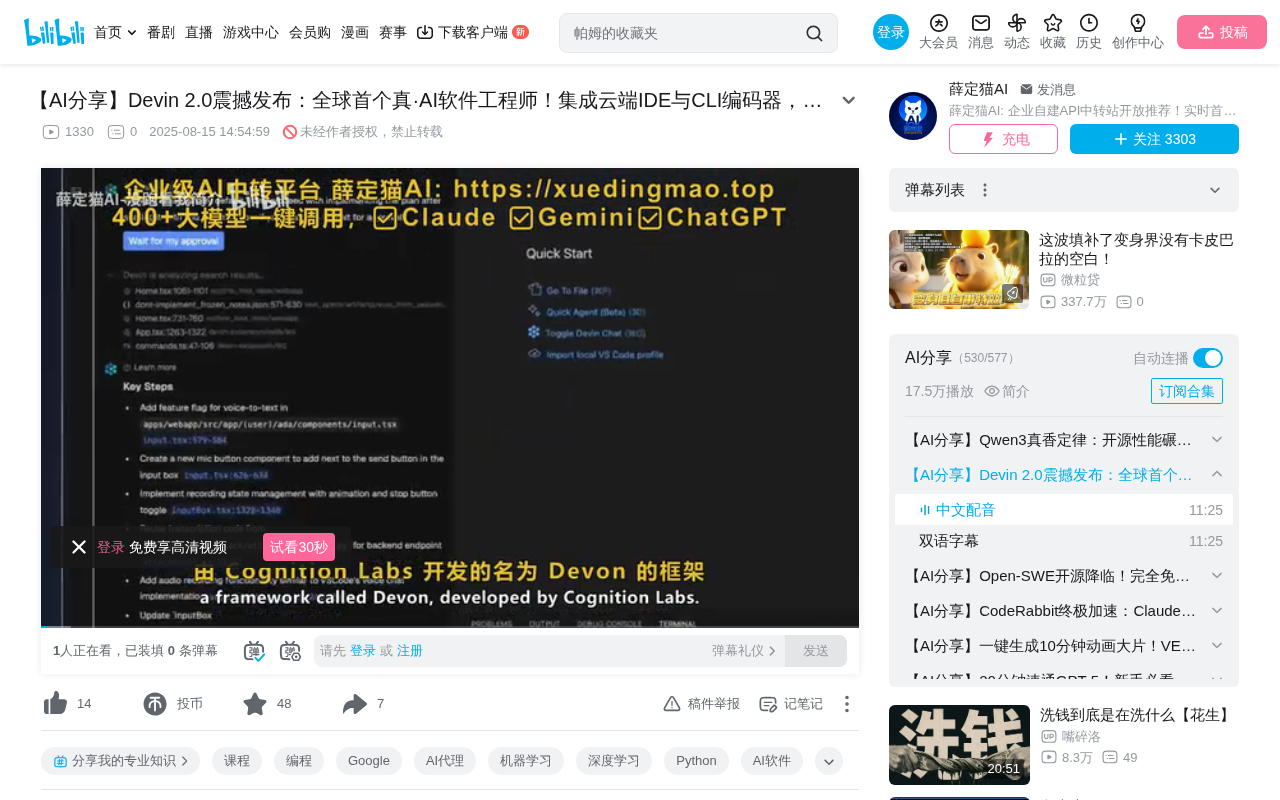
Devin 2.0 Deep Dive: What Can the First AI Software Engineer Actually Do?
Deep dive into Devin 2.0 — the latest evolution of the world's first AI software engineer. Exploring autonomous coding, multi-agent parallelism, Ask Devin, Deep Wiki, and how it differs from Copilot and Cursor.
Read more →
 Deep Dives
·3 min
Single-Agent vs Multi-Agent: A Three-Step Decision Framework for Choosing the Right Architecture
Based on Anthropic's engineering practices, a detailed three-step decision framework for single-agent vs multi-agent architecture: bottleneck identification, technical feasibility, and business value filtering.
Read more →
 Deep Dives
·2 min
AI Agent Development Methodology: A Complete Guide from ReAct to Enterprise-Grade Tech Stack
A deep dive into AI Agent development methodology, from the ReAct theoretical framework to a four-layer enterprise tech stack covering model services, Agent types, LangChain, and production deployment.
Read more →
 Tutorials
·3 min
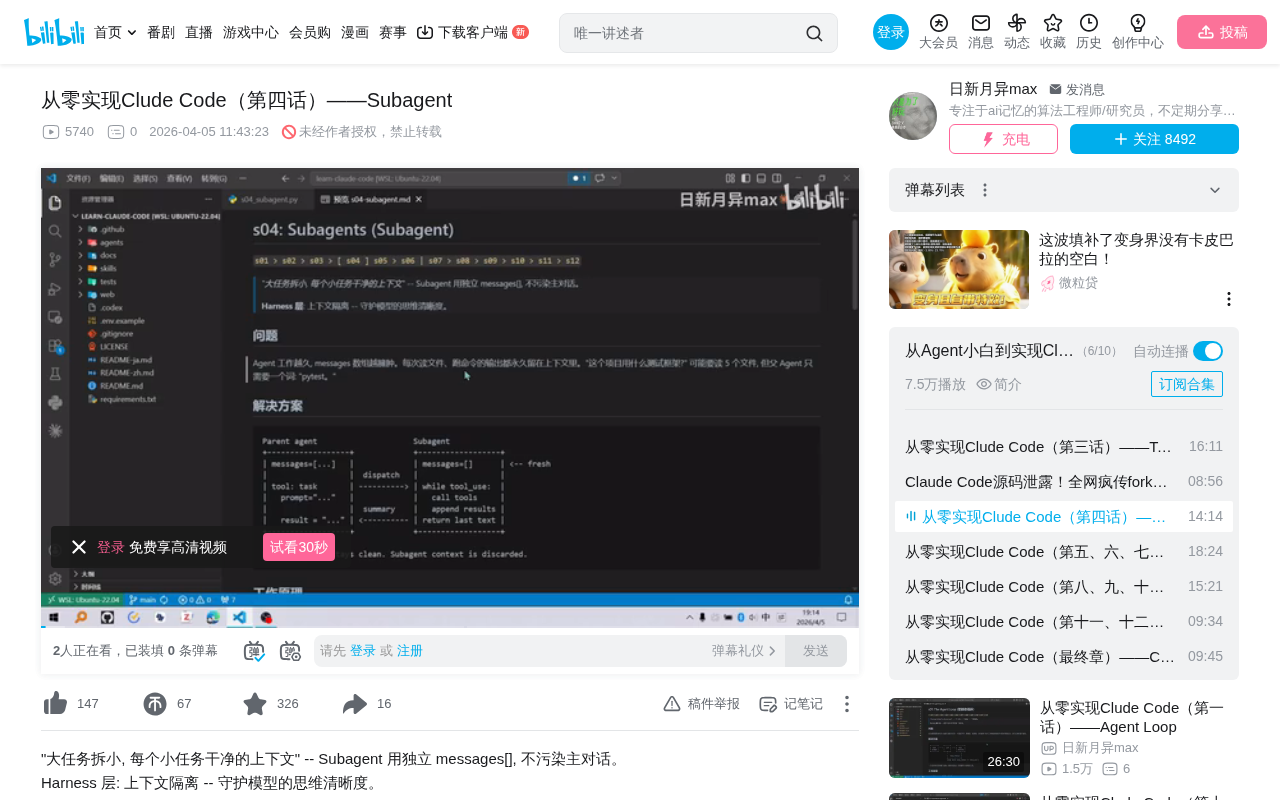
SubAgent Architecture: The Core Implementation for Context Isolation
Deep dive into SubAgent context isolation architecture, covering parent-child Agent roles, tool definitions, run_subagent implementation, and differences from TodoList and Agent Teams.
Read more →
 Deep Dives
·3 min
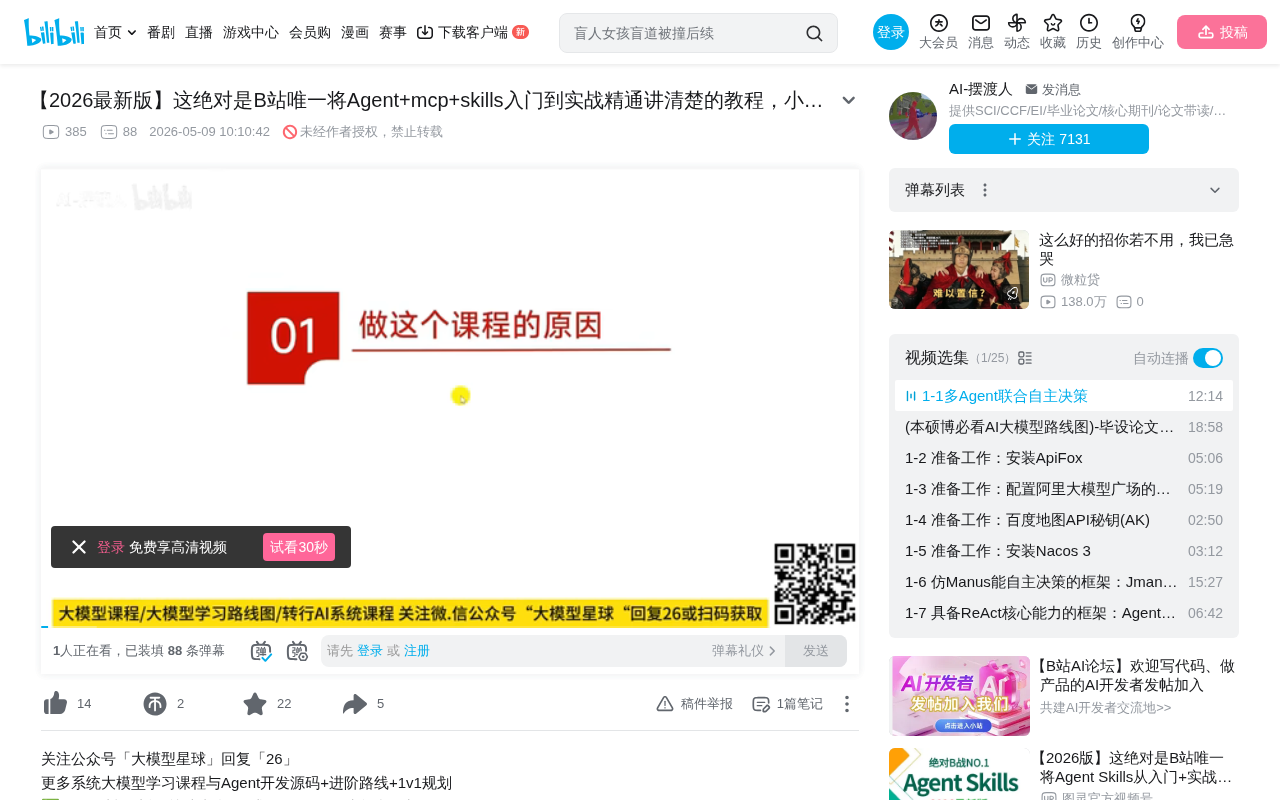
Claude Sub-agents vs Agent Teams: How to Choose Between Two AI Multi-Agent Collaboration Patterns
Deep comparison of Claude sub-agents vs agent teams: architecture differences, use cases, and real-world results. A Pokémon RPG case study shows how agent teams achieve 95%+ feature completeness.
Read more →
 Deep Dives
·3 min
From Copilot to Agentic AI: Understanding AI's Evolution Through Four Stages
A systematic breakdown of AI's four-stage evolution from Chat Mode to Agentic AI, covering multi-agent architectures, ReAct framework, and MCP protocol.
Read more →
 Tutorials
·3 min
Open-Source Multi-Agent Intelligent Diagnostic System: Deep Dive into MCP + RAG + Skill Routing Architecture
Deep dive into an open-source multi-Agent diagnostic system built on modified OneCall, featuring MCP real-time interaction, RAG-enhanced Q&A, and Skill routing to minimize Token consumption.
Read more →
 Tutorials
·2 min
LangGraph vs LangChain: How to Choose Your Agent Development Framework
In-depth comparison of LangGraph vs LangChain: controllability, extensibility, and FastAPI-powered performance. Covers storage, enterprise private deployment, and migration guidance for agent developers.
Read more →
 Tutorials
·3 min
From Programmer to Agent Developer: A Detailed Four-Stage Learning Roadmap
A systematic four-stage learning roadmap for programmers transitioning to AI Agent development, covering core theory, ReAct and classic paradigms, Prompt engineering, and hands-on projects.
Read more →
 Tech Frontiers
·2 min
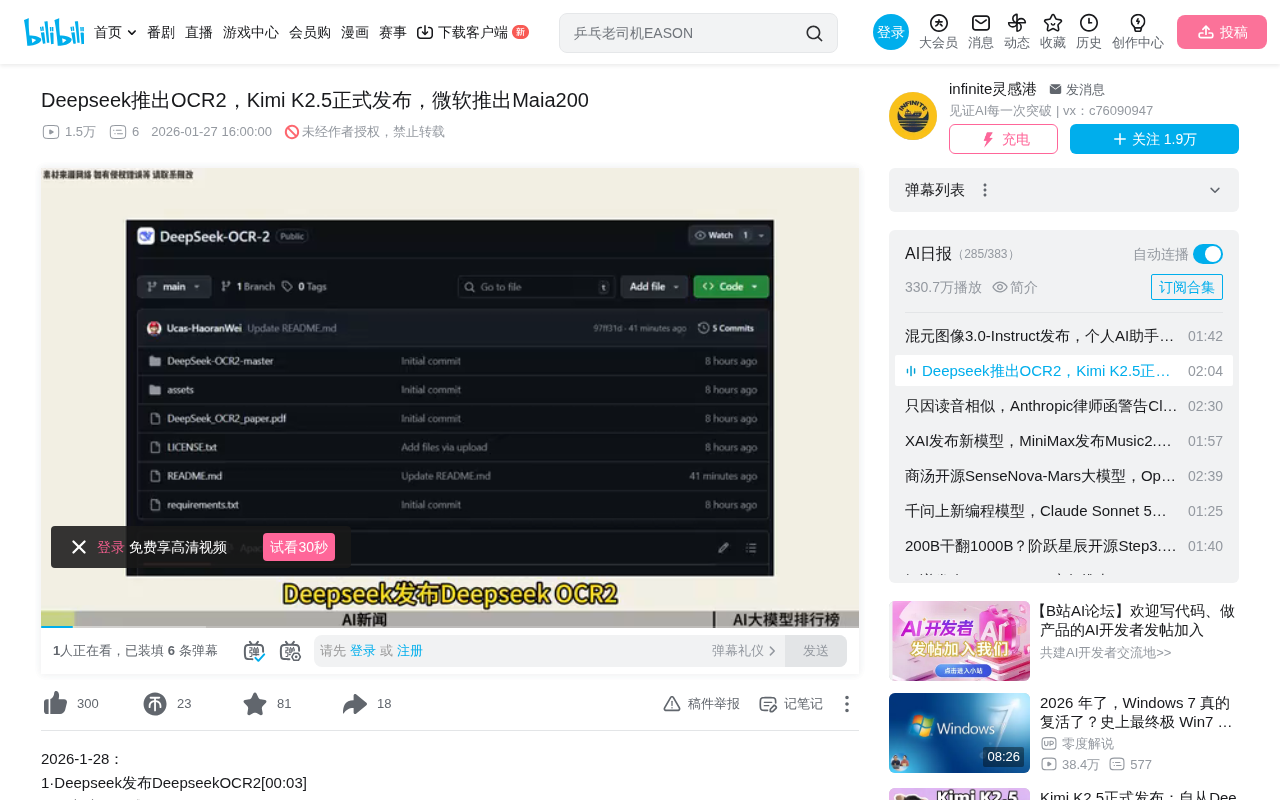
DeepSeek OCR2, Kimi K2.5, and Microsoft Maia 200 All Launched on the Same Day
DeepSeek releases OCR2 replacing CLIP with an LLM as visual encoder; Moonshot AI launches Kimi K2.5 with 100+ sub-agent cluster mode; Microsoft deploys 3nm Maia 200 chip; Alibaba releases Qwen3 Max Thinking.
Read more →
 Tutorials
·3 min
Complete Breakdown of Andrew Ng's Agent Course: A Practical Guide to the Five Core Modules of AI Agent Development
Deep dive into Andrew Ng's viral AI Agent course covering five core modules: Reflection, Planning, Tool Use, Multi-Agent Collaboration, and Memory, with practical learning paths for LLM agent development.
Read more →
 Product Reviews
·3 min
AI Agent Investment Research Showdown: ChatGPT vs. Kimi vs. Manus — Who Delivers Better Financial Analysis?
Testing ChatGPT, Manus, and Kimi on the same investment analysis task reveals how multi-agent architecture, fault tolerance, and parallel workflows define the real capability boundaries of AI Agents in professional finance.
Read more →
 Tutorials
·2 min
The Three-Layer Pyramid Model for Agent Development: From Beginner to Industrial-Grade Deployment
Deep dive into the Three-Layer Pyramid Model for Agent development, covering autonomous agents, collaborative multi-agent systems, and universal orchestration agents with a complete learning path from beginner to industrial-grade deployment.
Read more →