#software engineering
387 related articles

·2 min
Duel Agents: Multi-AI Agent Competition Mechanism That Automatically Selects the Most Cost-Effective Coding Solution
Duel Agents uses multi-model parallel competition and recursive task decomposition as a routing layer before tools like Claude Code, automatically selecting the most cost-effective AI coding result with claimed 70% savings.
Read more →

·3 min
Claude Code Desktop Configuration Guide: Login-Free Setup + Chinese Localization + DeepSeek Integration
Complete guide to configuring Claude Code Desktop: login-free setup via Developer Mode, DeepSeek integration through CC Switch, Chinese localization, and custom Skill loading.
Read more →
·4 min
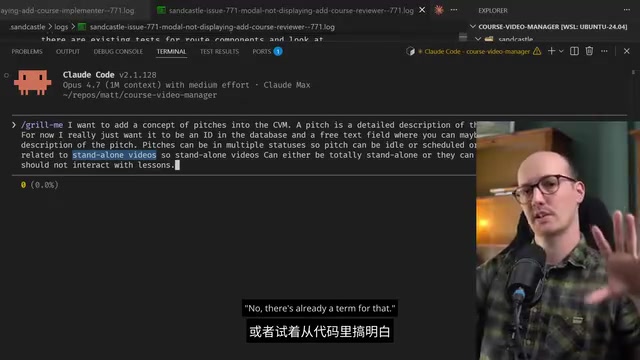
Grill With Docs: Doubling AI Programming Collaboration Efficiency with a Unified Language
From Grill Me to Grill With Docs: applying DDD's Ubiquitous Language to solve terminology drift and context loss in AI programming for efficient cross-session collaboration.
Read more →
·4 min
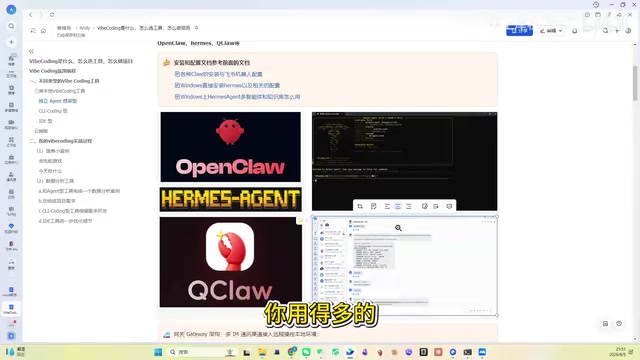
Vibe Coding Beginner's Guide: Tool Selection Across Three Categories with Practical Examples
A comprehensive guide to Vibe Coding's three tool categories: Agent frameworks, CLI Coding, and IDE tools, with practical examples including Snake game and data analysis workbench.
Read more →
·3 min
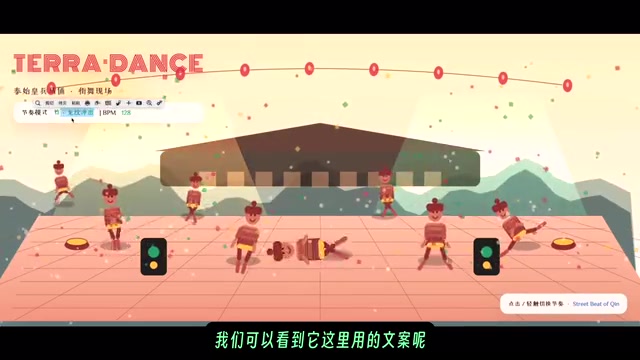
GPT-5.2 Codex vs Opus 4.5 Hands-On: A Comprehensive Comparison of Coding Ability, Speed, and Developer Experience
Hands-on comparison of GPT-5.2 Codex vs Opus 4.5 across frontend generation, physics simulation, 3D scenes, and code refactoring, with practical selection advice.
Read more →
Deep Dive into the Three AI Programmin…
·3 min
Deep Dive into the Three AI Programming Frameworks: The Right Way to Do Specification-Driven Development
Deep dive into the three frameworks of Specification-Driven Development (SDD) for AI programming: Blueprint, Execution Flow, and Change Records — solving the problem of AI code going off the rails.
Read more →

·3 min
Vibe Coding in Practice: A Junior Student Uses Cursor to Build a Multi-Agent System with 51 AI Officials Based on the Three Departments and Six Ministries Framework
A junior student uses Cursor and Vibe Coding to build a multi-agent system with 51 AI officials modeled on China's Three Departments and Six Ministries, featuring task distribution, approval workflows, and Token cost visualization.
Read more →

·3 min
Cursor Internal Data: 75% of Code Generated by AI, Engineers Transforming into Agent Managers
Cursor reveals internal data: enterprise AI-generated code surges from 15% to 75%, Agent requests grow 15x YoY, and 30% of PRs are completed entirely by Agents. Engineers are becoming Agent managers.
Read more →
·1 min
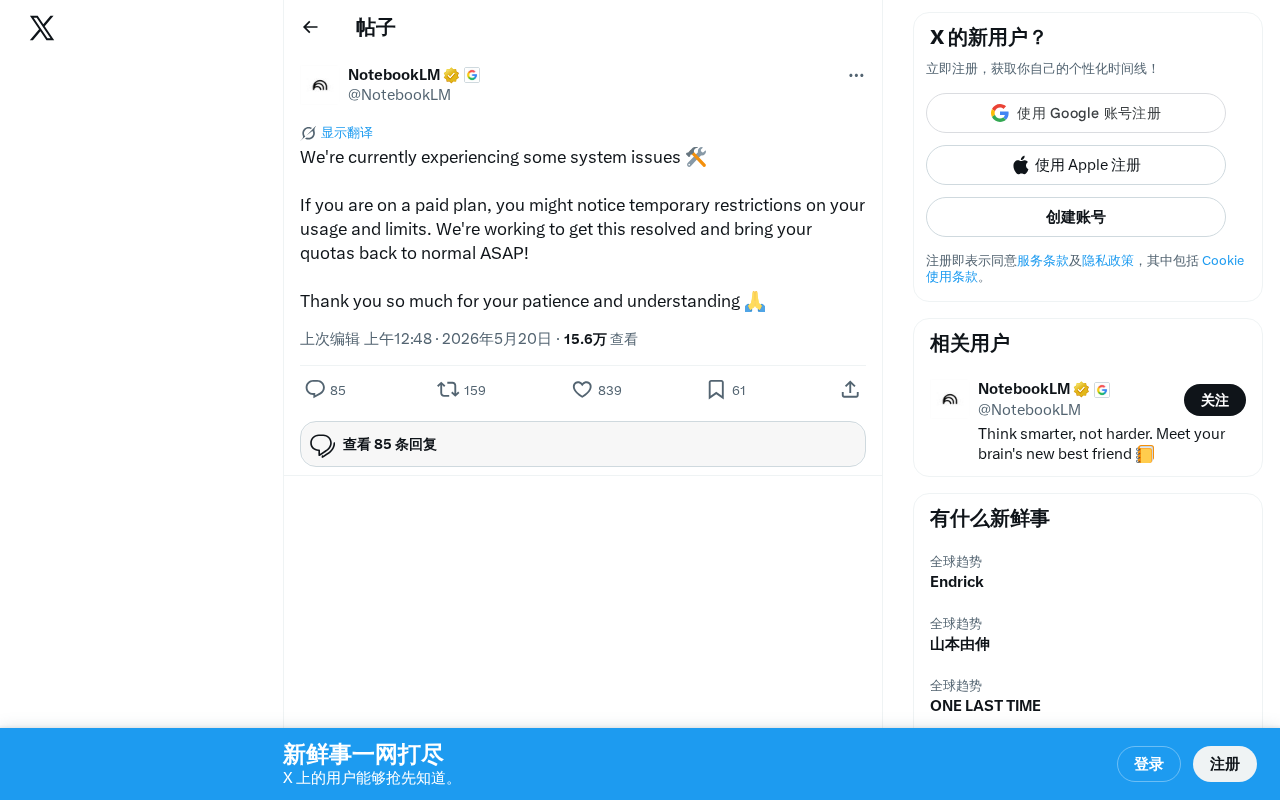
Cursor System Outage: Paid Users Hit by Quota Restrictions, Official Fix Underway
AI coding tool Cursor confirms a system outage affecting paid user quotas and limits. Learn about the impact, workarounds, and alternative tools for developers.
Read more →

·4 min
Can't Fill Out Prompt Templates Properly? The Four-Module Incremental Method Doubles Your AI Output Quality
Struggling with prompt templates? Learn the four-module incremental method—Role, Skills, Constraints, Response Format—to dramatically improve AI output quality.
Read more →

·4 min
Cursor Composer2 Training Revealed: A Complete Guide to Distributed Reinforcement Learning Engineering
Deep dive into how Cursor trained Composer2: two-stage architecture, global distributed clusters, MOE numerical alignment, simulation anti-cheating, and more.
Read more →

·2 min
Claude Code + Codex: The Most Reliable Division of Labor — A Three-Phase Approach of Planning, Execution, and Review
A detailed guide to the Claude Code and Codex collaborative workflow: Claude Code handles architecture planning and code review, while Codex handles execution. Boost dev efficiency through standardized handoffs.
Read more →

·4 min
The Real Logic of Getting Rich with AI: Toolbox Thinking and the Three-Layer Capability Model
Mastering AI tools doesn't equal making money. This article breaks down the three-layer AI wealth model: LLM prompting, automation workflows, and agent collaboration, plus the MAPS framework and Three R's Rule.
Read more →
·3 min
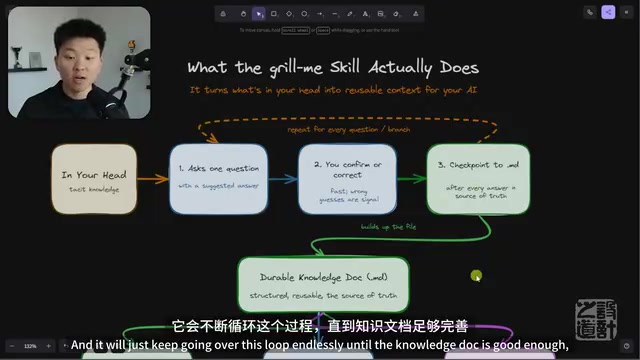
Grill Me Skill: Let AI Interrogate You to Rapidly Extract Tacit Knowledge and Boost Project Efficiency
Learn how the Grill Me skill uses AI-driven systematic questioning to extract tacit knowledge, with checkpoint mechanisms to optimize context quality and boost first-iteration success from 70% to 90%.
Read more →
·3 min
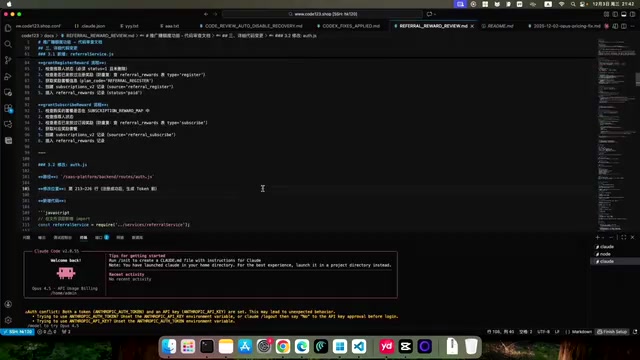
Claude Code + Codex Cross-Validation: Dramatically Reducing AI Coding Bug Rates
Learn how to combine Claude Code and Codex in a cross-validation workflow — a develop-review-fix loop that dramatically reduces AI coding bug rates.
Read more →

·3 min
Prompt Template Design for Document Summarization: A Practical Guide to Three-Layer Progressive Prompt Engineering
A practical guide to three-layer progressive Prompt template design for document summarization, covering requirements analysis, architecture design, validation, and optimization — boosting information extraction completeness from 78% to 91%.
Read more →
·4 min
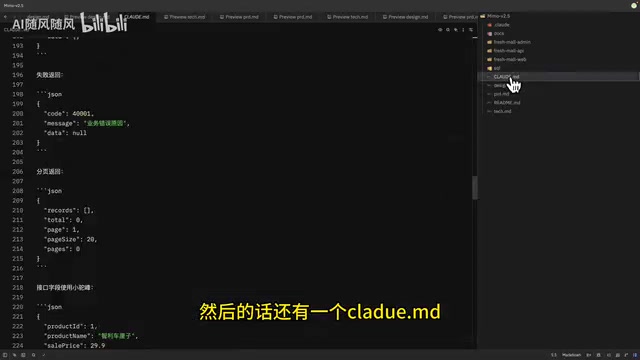
Real-World Comparison of Chinese AI Coding Models: Which One Best Generates a Complete E-Commerce System in One Shot?
Real-world test of six Chinese AI coding models — Qwen 3.7 Max, DeepSeek V4 Pro, MiniMax M3 and more — generating a complete e-commerce system, scored on UI, checkout flow, and backend management.
Read more →
·3 min
Andrew Ng's AI Prompting Guide: Four Key Gaps Between Beginners and Experts
Andrew Ng's AI prompting methodology reveals four core gaps between beginners and experts: deep thinking, sufficient context, neutral questioning, and iterative writing. Applicable to ChatGPT, Claude, Gemini, and all major AI tools.
Read more →
·3 min
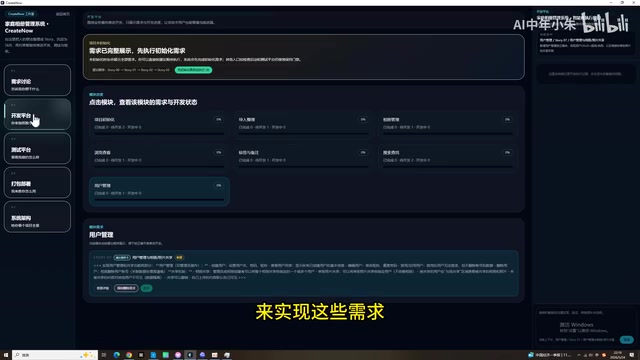
CreateNow Controlled Development in Practice: Getting AI to Write Code Requirement by Requirement
Hands-on with CreateNow's controlled AI development: from requirements breakdown to modular coding. Covers model selection, breakpoint-resume, and acceptance checks.
Read more →

·2 min
ChatGPT Merges with Codex: What a 24-Hour Autonomous AI Assistant Means
OpenAI fully integrates Codex into ChatGPT, creating an AI digital worker capable of autonomous planning and up to 24 hours of continuous execution. A deep dive into core upgrades, use cases, and industry impact.
Read more →