#team collaboration
203 related articles
·3 min
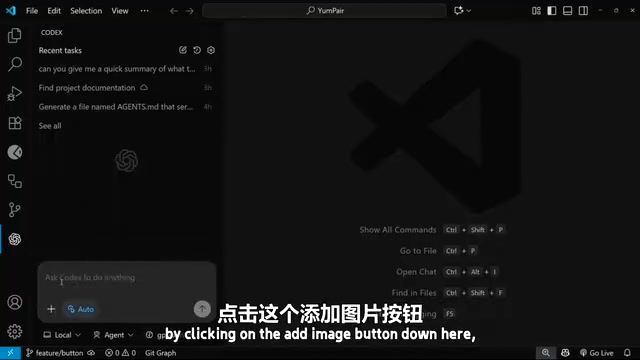
OpenAI Codex in Practice: Context References, Reasoning Levels, and TODO-to-Task Conversion Explained
A deep dive into three core OpenAI Codex extension features: adding prompt context with @ symbols and images, adjusting AI reasoning levels, and converting TODO comments into Codex tasks.
Read more →

·4 min
Claude Code Skill Mechanism Explained: Progressive Loading & Practical Creation Guide
Deep dive into Claude Code's Skill mechanism: progressive loading principles, differences from CLAUDE.md/MCP, four creation methods, and advanced features.
Read more →
·3 min
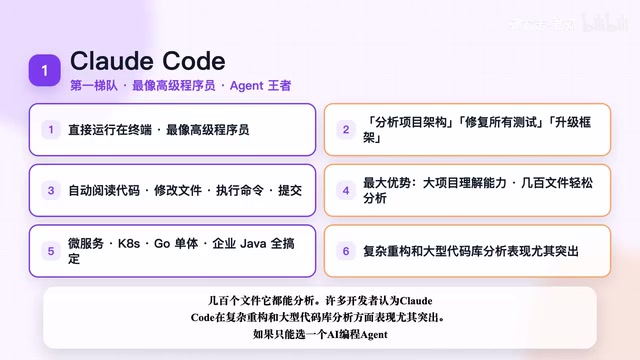
Six AI Coding Tools Compared: Claude Code and Cursor Lead the Pack
In-depth comparison of six AI coding tools in 2026: Claude Code, Cursor, Codex, Trae, Qoder, CodeBuddy. Analyzed across Agent capabilities, IDE experience, and team collaboration with scenario-based recommendations.
Read more →
·3 min
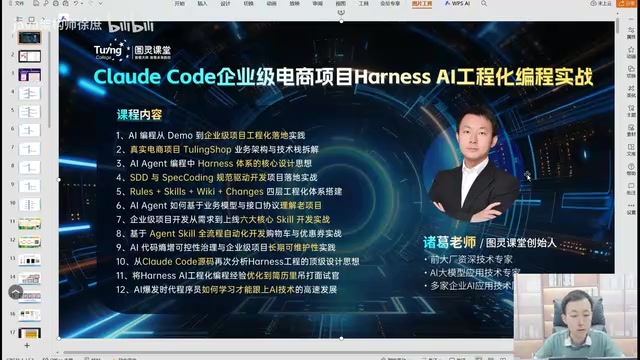
Claude Code Enterprise E-commerce in Practice: A Methodology for Taking AI Programming from Demo to Industrial-Grade
A deep dive into engineering methodology for enterprise e-commerce development with Claude Code and Harness AI, covering architecture, code quality, and CI/CD practices.
Read more →

·3 min
Hermes Agent Hands-On Review: An AI Efficiency Revolution for Indie Game Developers
Indie game developer reviews Hermes Agent vs OpenClaude: intelligent context compression, real-time Memory, remote control via Telegram, and practical use cases in game dev, social media, and email.
Read more →
·2 min
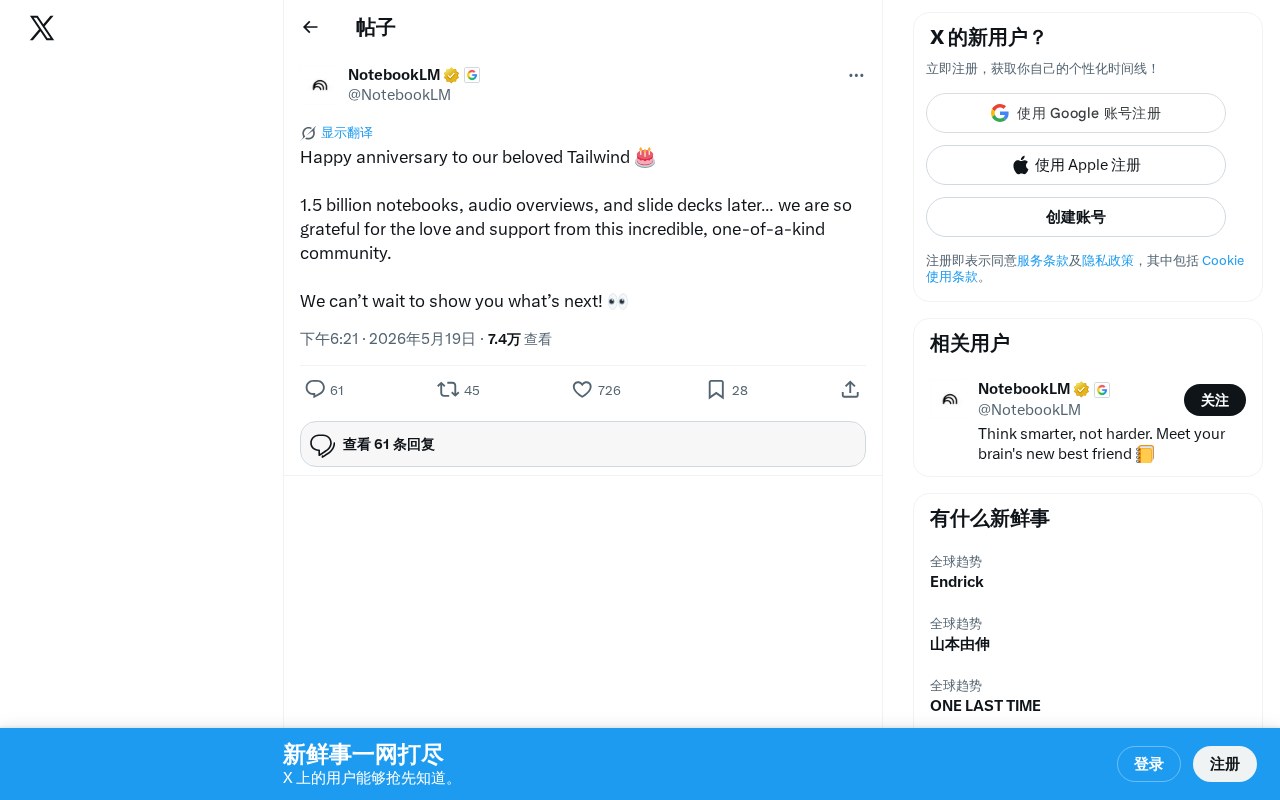
NotebookLM Anniversary Data Revealed: The Source-Driven AI Revolution Behind 1.5 Billion Notebooks
Google NotebookLM celebrates its anniversary with 1.5 billion notebooks, audio overviews, and slides created. A deep dive into its source-driven AI design, core features, and future direction.
Read more →
·4 min
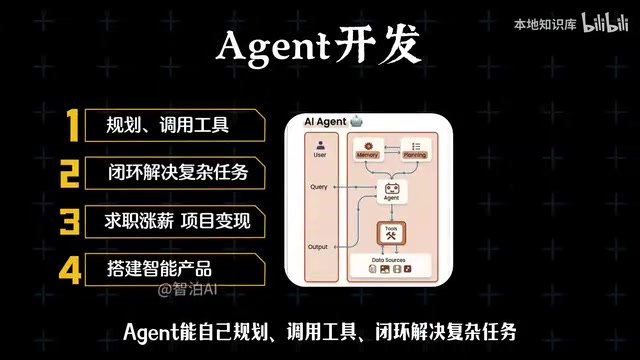
Agent Development Learning Roadmap: A Four-Stage Systematic Guide from Beginner to Practitioner
A systematic four-stage learning roadmap for AI Agent development, covering core concepts, classic paradigms like ReAct, multi-agent collaboration frameworks, and hands-on projects to master Agent development skills in 2-3 months.
Read more →

·2 min
Claude Code + Codex: The Most Reliable Division of Labor — A Three-Phase Approach of Planning, Execution, and Review
A detailed guide to the Claude Code and Codex collaborative workflow: Claude Code handles architecture planning and code review, while Codex handles execution. Boost dev efficiency through standardized handoffs.
Read more →
·3 min
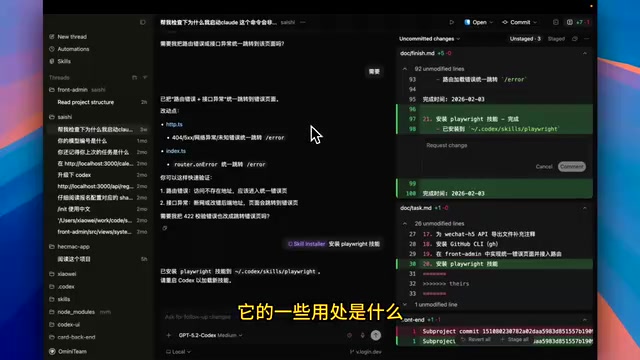
OpenAI Codex App In-Depth Review: Streets Parallel Development and Five Core Features Explained
In-depth review of OpenAI Codex App's five core features: Streets parallel development, deep Git integration, Skills system, Automation tasks, and MCP support.
Read more →
·1 min
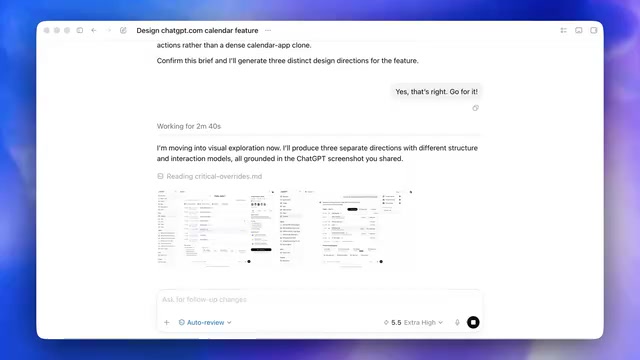
OpenAI Product Design Plugin: How Codex Enables End-to-End Transformation from Concept to Interactive Prototype
Deep dive into OpenAI's new plugin for product designers, showing how Codex integrates ideation, visual generation, interactive prototyping, and team collaboration into one seamless workflow.
Read more →
·2 min
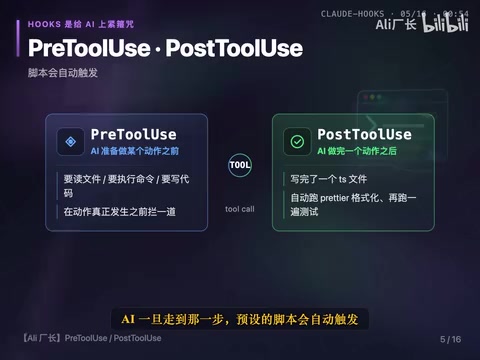
Claude Code Hooks: A System-Level Safety Lock for AI Programming
Deep dive into Claude Code Hooks: how Pre-tool and Post-tool Hooks create system-level safety guardrails for AI programming, from sensitive file protection to automated code standards.
Read more →
·3 min
Trae Agent Deep Dive: Hands-On Review of ByteDance's Open-Source AI Coding CLI Tool
Deep dive into ByteDance's open-source Trae Agent—a free MIT-licensed AI coding CLI tool. Covers installation, core features, run modes, and real-world performance vs Claude Code and Gemini CLI.
Read more →
·4 min
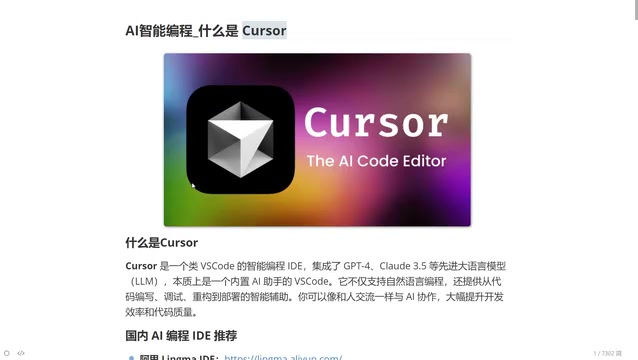
What Is Cursor? A Complete Guide to the AI-Native Programming IDE's Core Features and Use Cases
Deep dive into Cursor's four core features: AI-native design, natural language code generation, context awareness, and multi-model switching. Compare it with traditional IDEs to see if Cursor can boost your dev efficiency.
Read more →

·2 min
The Right Way to Use Claude Code Sub-Agents: 3-5 Beat 100 Every Time
Deep dive into Claude Code Sub-Agent mechanics: from 5 built-in Agents to custom configs, comparing ECC, Superpowers, and GizTech community solutions.
Read more →
·1 min
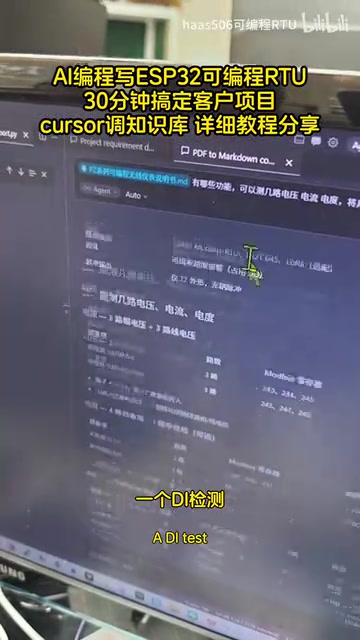
Cursor AI for Industrial IoT Development: Complete Modbus Energy Meter Data Collection in 30 Minutes
Learn how Cursor AI builds Industrial IoT projects: extract Modbus protocols from PDF manuals, generate Python code for RS485 meter collection, MQTT upload, and relay control in 30 minutes.
Read more →
·4 min
Full-Stack Development in a Todo App: 35 Core Technologies Every Programmer Should Know
Using a todo app's full development lifecycle as a guide, this article covers 35 core full-stack technologies from frontend to backend, databases, DevOps, cloud deployment, and scaling architecture.
Read more →
The Complete Guide to Claude Code: Cho…
·3 min
The Complete Guide to Claude Code: Choosing and Getting Started with a Terminal AI Programming Tool
A deep dive into Claude Code's core advantages as a terminal AI programming tool, how it differs from Device Agents, and practical setup steps to get started with enterprise-grade AI coding.
Read more →
·2 min
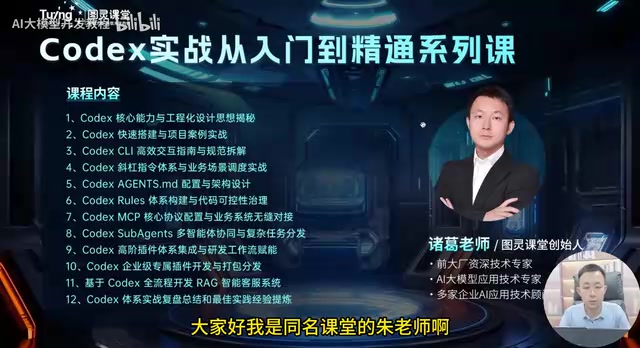
Codex Systematic Tutorial: From Beginner to Enterprise-Level AI Engineering
In-depth guide to Codex AI programming tool: environment setup, Rules system, MCP protocol integration, multi-Agent collaboration, and enterprise RAG customer service project for complete AI engineering deployment.
Read more →
·3 min
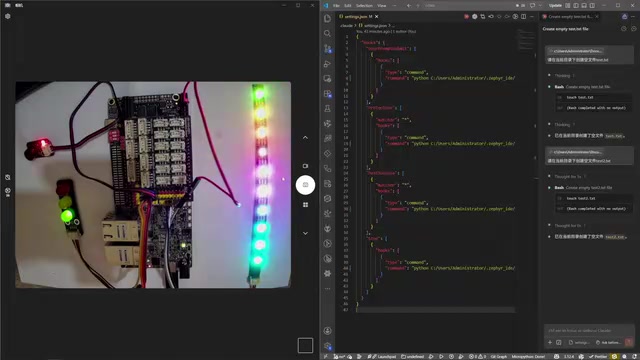
Claude Code Status Ambient Light: A Traffic Light System for Real-Time AI Programming Status
Build a traffic light system using Claude Code's Hooks callbacks to display real-time AI programming status via LEDs, light strips, and buzzers with serial communication on Zephyr RTOS.
Read more →
·2 min
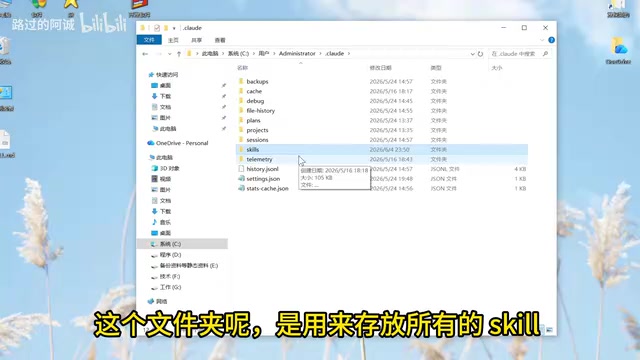
Claude Code Can't Remember Your Progress? Build a Progress Skill to Fix It
Learn how to build a progress Skill for Claude Code using skill.md files to save and restore development progress across sessions, solving the context loss problem.
Read more →