#team collaboration
201 related articles
·1 min
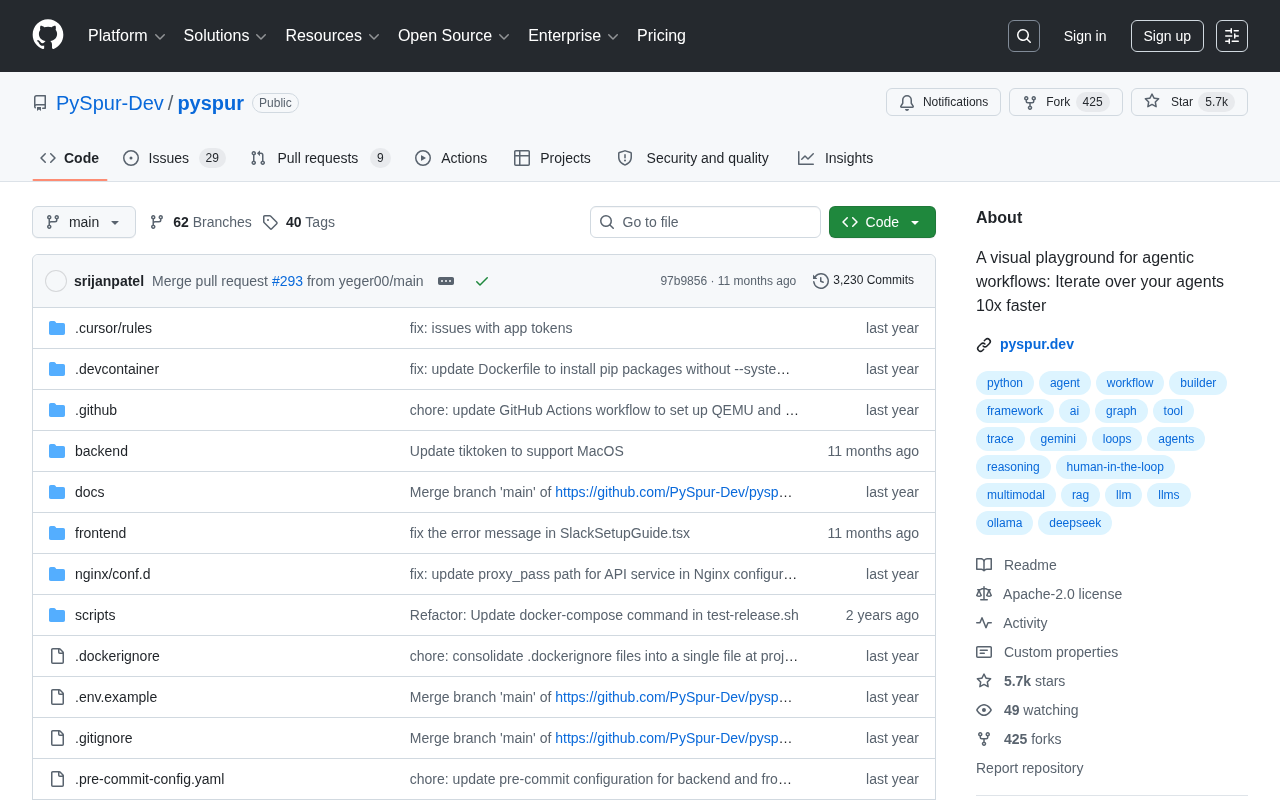
PySpur: A Deep Dive into the Open-Source Visual AI Agent Workflow Development Platform
An in-depth look at PySpur, the open-source visual AI Agent workflow platform, covering its core features, technical positioning, use cases, and comparisons with LangFlow and Dify.
Read more →
·2 min
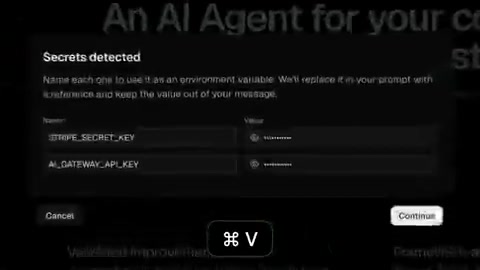
New v0 Feature: Automatically Detects Secrets in Prompts and Converts Them to Environment Variables
Vercel v0 introduces a security feature that auto-detects API keys and tokens in user prompts and converts them to environment variables, preventing secret leakage.
Read more →
·2 min
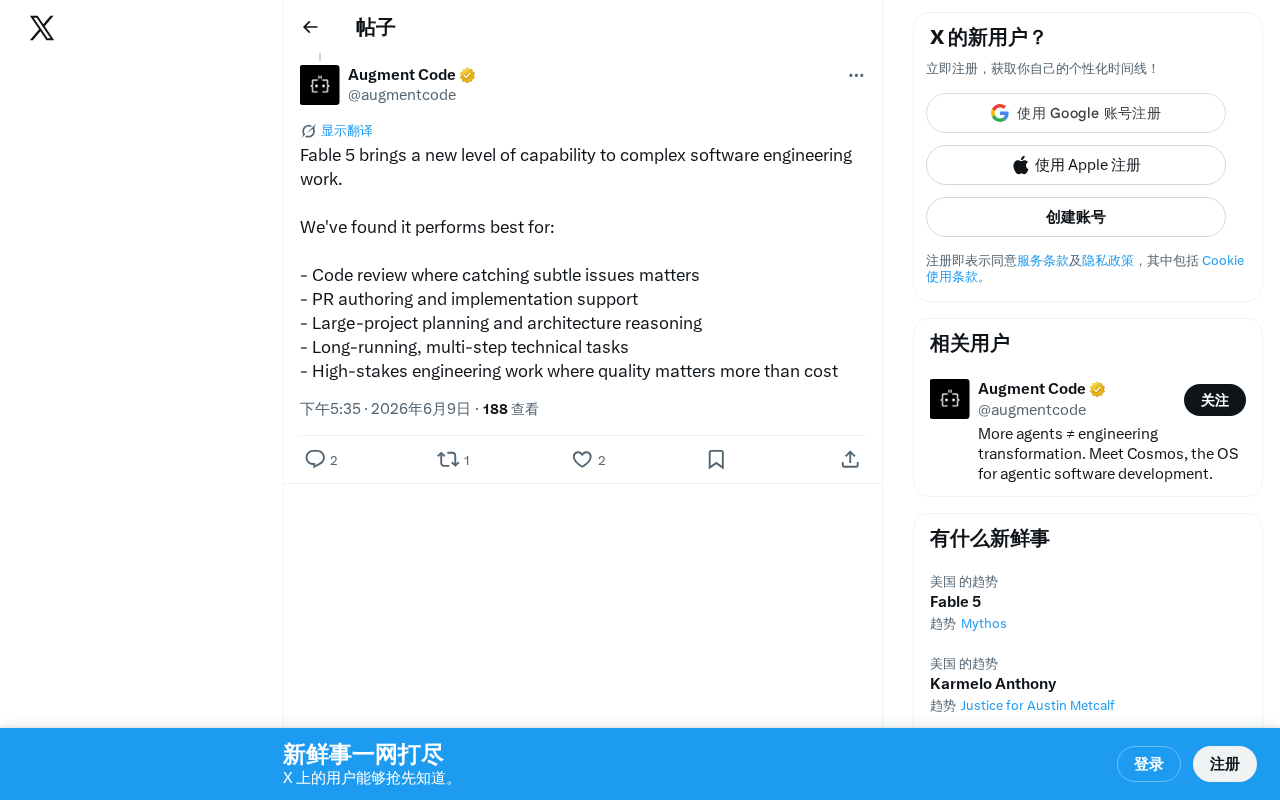
Fable 5 Released: An AI Coding Tool Built for Complex Software Engineering
Fable 5 officially launches, targeting high-complexity software engineering with five core capabilities: code review, architectural reasoning, large-scale project planning, multi-step task orchestration, and high-stakes engineering support.
Read more →
·4 min
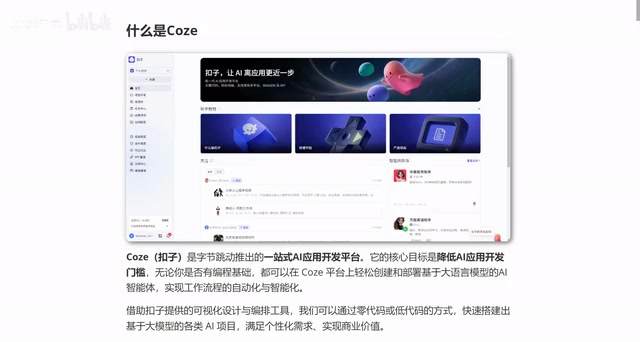
Complete Guide to Coze Platform: Building AI Agents Without Code
In-depth guide to ByteDance's Coze AI platform: core advantages, domestic vs. international versions, agent and app development modes explained for building AI agents without code.
Read more →
·1 min
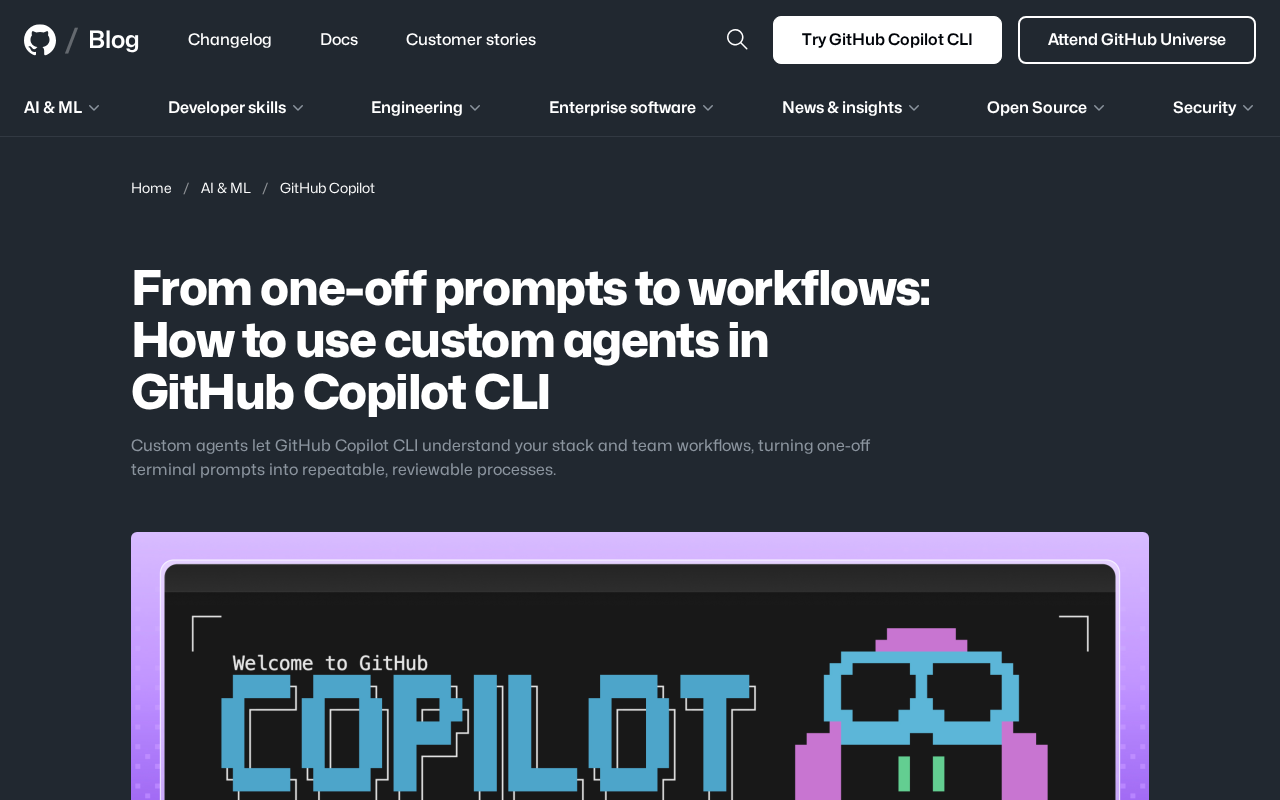
GitHub Copilot CLI Custom Agents: Building Reusable Team Development Workflows
Explore GitHub Copilot CLI custom Agents: transform one-off terminal prompts into reusable, auditable team workflows for environment setup, CI/CD, and more.
Read more →
·2 min
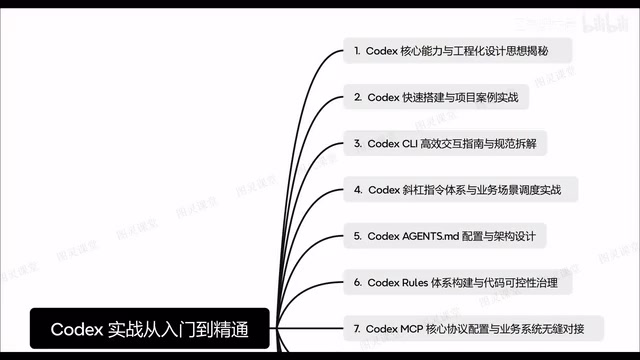
Codex from Beginner to Expert: A Comprehensive Hands-On Tutorial
A comprehensive Codex tutorial covering setup, CLI interaction, agents.md config, MCP protocol, multi-agent collaboration, and building an enterprise RAG customer service system.
Read more →
·2 min
Cursor Practical Project Guide: Best Practices from Simple to Complex
A systematic guide to using Cursor across project types, covering capability boundaries, rules configuration, prompting techniques, and phased development.
Read more →
·1 min
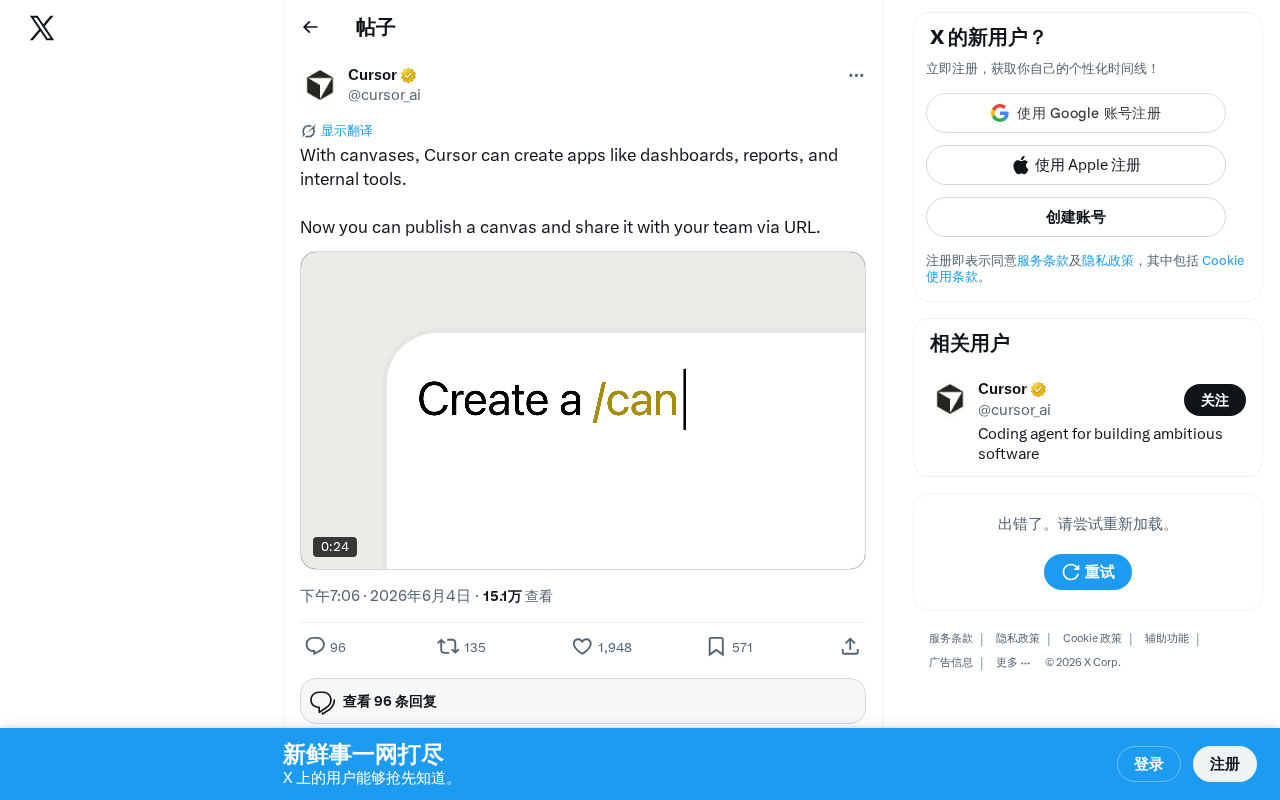
Cursor Canvas Publish & Share Feature Explained: A New Way to Collaborate with AI Coding
Cursor Canvas adds publish & share features with one-click URL generation. Team members can view AI-generated dashboards, reports, and tools without installing Cursor.
Read more →
·1 min
v0 Browser Use Feature Comes to iOS, Elevating the Mobile AI Coding Experience
Vercel's v0 brings Browser Use to iOS, enabling real-time code preview and touch interaction on iPhone and iPad. Explore what this means for mobile AI coding.
Read more →
·3 min
From Tokens to Agents: A Deep Dive into the Core Logic Behind AI's Key Concepts
A systematic breakdown of core AI concepts — Token, RAG, Agent, MCP, Function Call — tracing the evolution from probabilistic text prediction to autonomous agents.
Read more →
·4 min
Cursor Deep Dive: Core Advantages and Use Cases of an AI-Native Programming Tool
Deep dive into Cursor's four core features, six-dimension comparison with traditional IDEs, and analysis of target users. Learn how this AI-native code editor redefines programming through natural language interaction.
Read more →
·3 min
GitHub Beginner's Guide: Common Questions and Practical Answers for Newcomers
Comprehensive GitHub FAQ for beginners covering Git vs GitHub, repository basics, branching and merging, plus practical tips to quickly get started with version control and collaboration.
Read more →
·3 min
Codex MCP Getting Started Guide: Configuration Methods and Practical Applications Explained
A detailed guide to Codex MCP (Model Context Protocol): core concepts, two server types, configuration methods, and practical applications to help developers get started quickly.
Read more →
·3 min
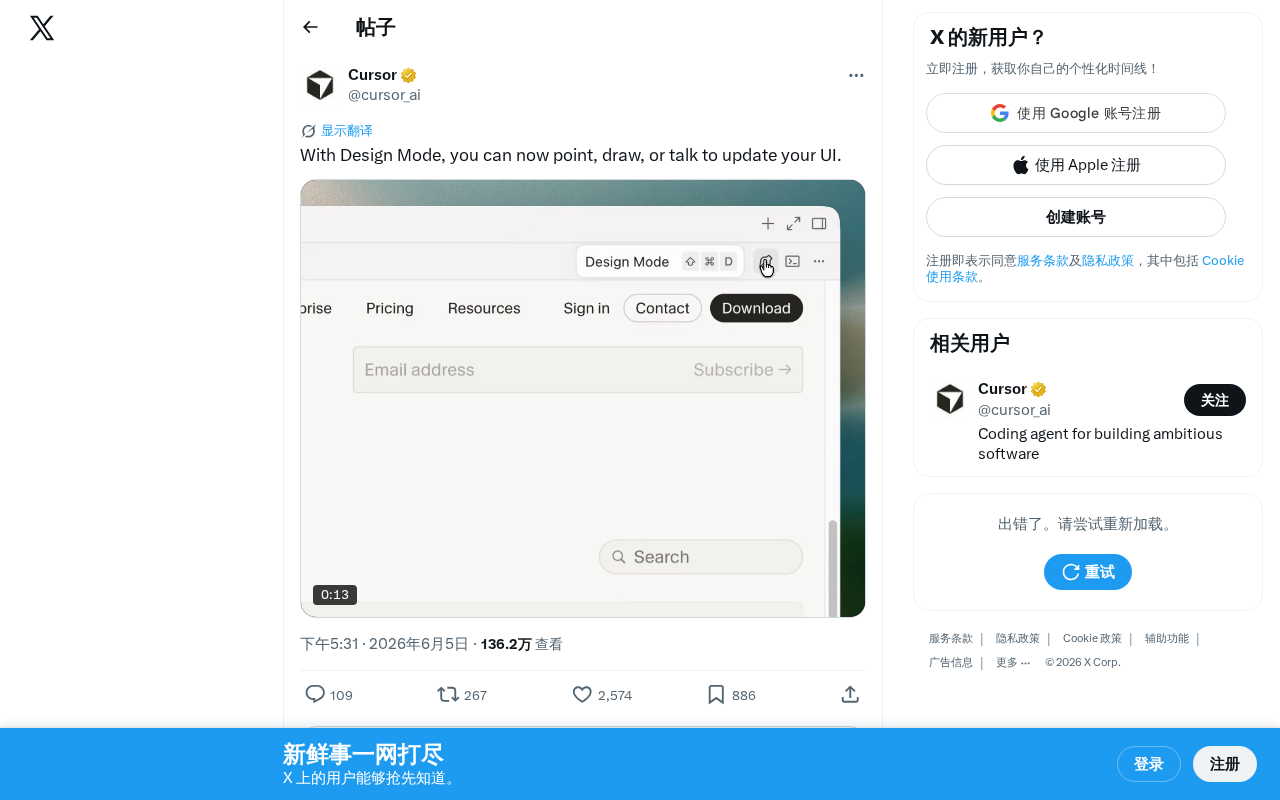
Design Mode: Update UI in Real Time by Pointing, Drawing, or Speaking
Design Mode is a new UI design interaction method supporting point, draw, and voice to directly modify interfaces in real time. Learn how it works and its impact on development.
Read more →
·1 min
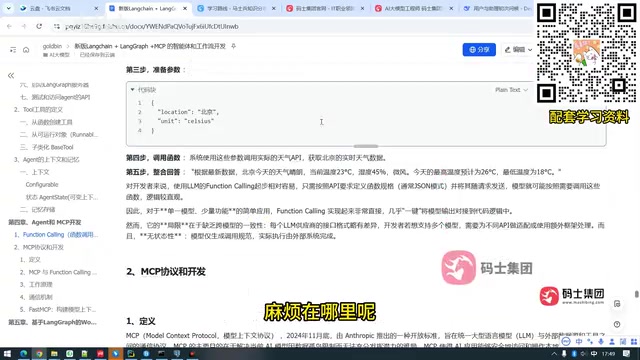
MCP Protocol Explained: The Unified Standard for AI Agent-Tool Communication
Deep dive into MCP (Model Context Protocol): architecture, communication mechanisms, security, and how it differs from Function Calling as the new standard for AI agent-tool communication.
Read more →

·2 min
One BaseURL to Access All AI Models: A Deep Dive into API Aggregation
Deep dive into how API aggregation platforms use a single BaseURL to access Claude, OpenAI, Gemini and all major AI models, covering intelligent routing, fault tolerance, team collaboration, and cost management.
Read more →
·3 min
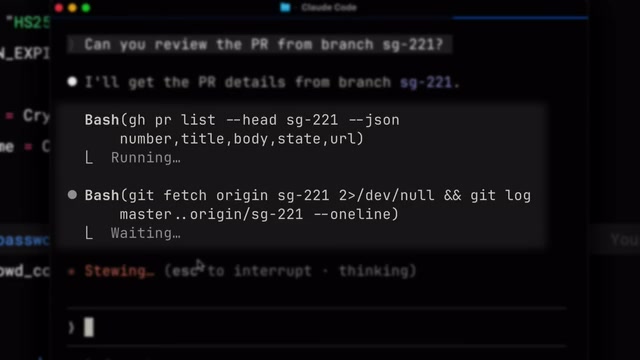
Complete Guide to MCP Protocol in Claude Code: Configuration, Management, and Context Optimization
Complete guide to MCP protocol in Claude Code: adding servers, configuring three scope levels, and optimizing context windows to efficiently connect external tools and data sources.
Read more →
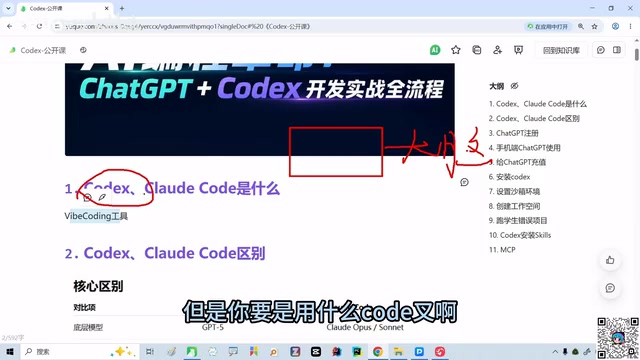
·3 min
Codex vs Claude Code: AI Coding Agent Tool Comparison & Getting Started Guide
In-depth comparison of OpenAI Codex and Anthropic Claude Code — two top-tier AI coding agents. Explore their capabilities, ideal users, and practical tips to get started.
Read more →
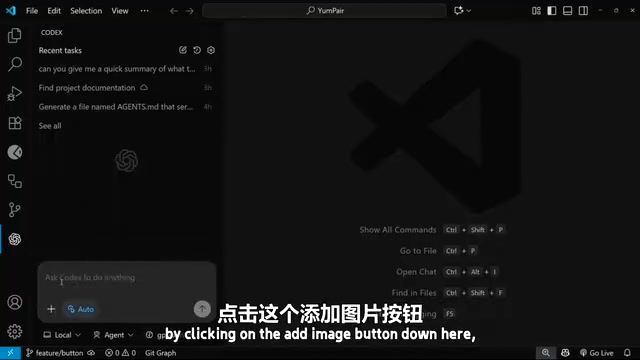
·3 min
OpenAI Codex in Practice: Context References, Reasoning Levels, and TODO-to-Task Conversion Explained
A deep dive into three core OpenAI Codex extension features: adding prompt context with @ symbols and images, adjusting AI reasoning levels, and converting TODO comments into Codex tasks.
Read more →

·4 min
Claude Code Skill Mechanism Explained: Progressive Loading & Practical Creation Guide
Deep dive into Claude Code's Skill mechanism: progressive loading principles, differences from CLAUDE.md/MCP, four creation methods, and advanced features.
Read more →