#AGI
722 related articles
·3 min
Vibe Coding in Practice: A Junior Student Uses Cursor to Build a Multi-Agent System with 51 AI Officials Based on the Three Departments and Six Ministries Framework
A junior student uses Cursor and Vibe Coding to build a multi-agent system with 51 AI officials modeled on China's Three Departments and Six Ministries, featuring task distribution, approval workflows, and Token cost visualization.
Read more →
·2 min
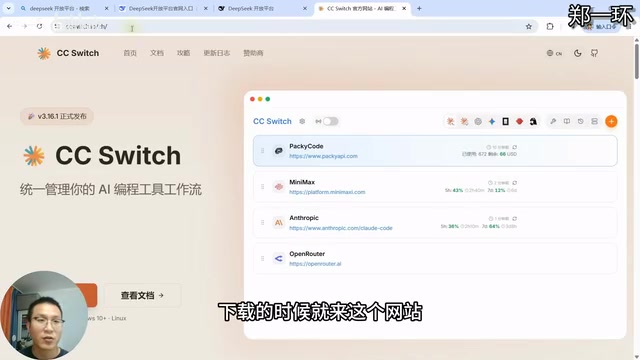
How to Connect Codex to DeepSeek Models: Free Switching via CC Switch
Learn how to connect OpenAI Codex to DeepSeek models via CC Switch, enabling free switching between DeepSeek and GPT with complete setup and routing guide.
Read more →
·4 min
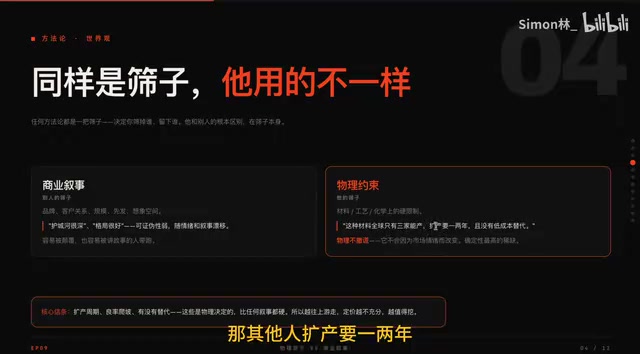
Deconstructing the Serenity Methodology: An Investment Research Framework from Market Leaders to Physical Bottlenecks
Deep breakdown of anonymous trader Serenity's methodology: drilling from market leaders along supply chains, using four hard conditions to identify physical chokepoints, and building a repeatable pipeline with Claude Code.
Read more →
·4 min
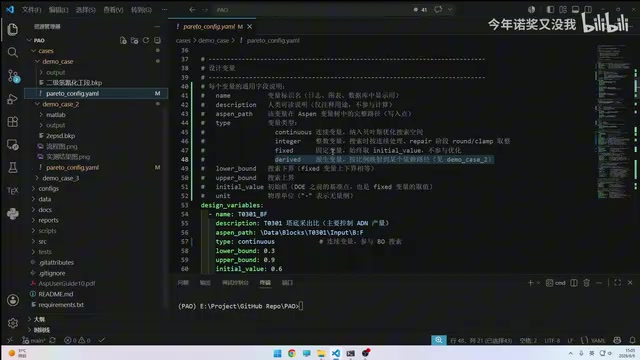
PAO Project in Practice: Bayesian Optimization-Driven Aspen Plus Automated Simulation Tutorial
Learn how the PAO project integrates Bayesian optimization with Aspen Plus via YAML configuration for automated multi-objective chemical process optimization.
Read more →

·3 min
Cursor Internal Data: 75% of Code Generated by AI, Engineers Transforming into Agent Managers
Cursor reveals internal data: enterprise AI-generated code surges from 15% to 75%, Agent requests grow 15x YoY, and 30% of PRs are completed entirely by Agents. Engineers are becoming Agent managers.
Read more →
·4 min
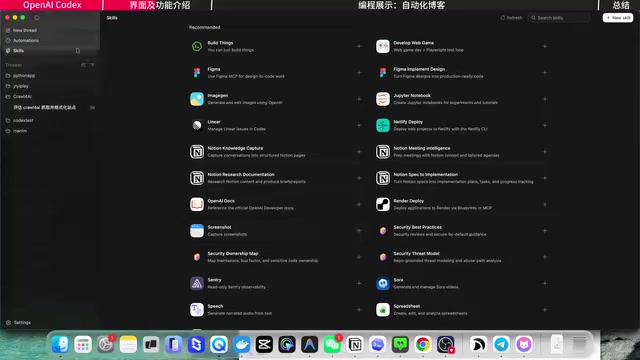
OpenAI Codex Desktop Experience: A Zero-to-Hero Guide for AI Programming
A detailed hands-on experience with OpenAI Codex Desktop, covering interface features and real-world examples. Free users can try it now with parallel tasks and natural language programming.
Read more →
·1 min
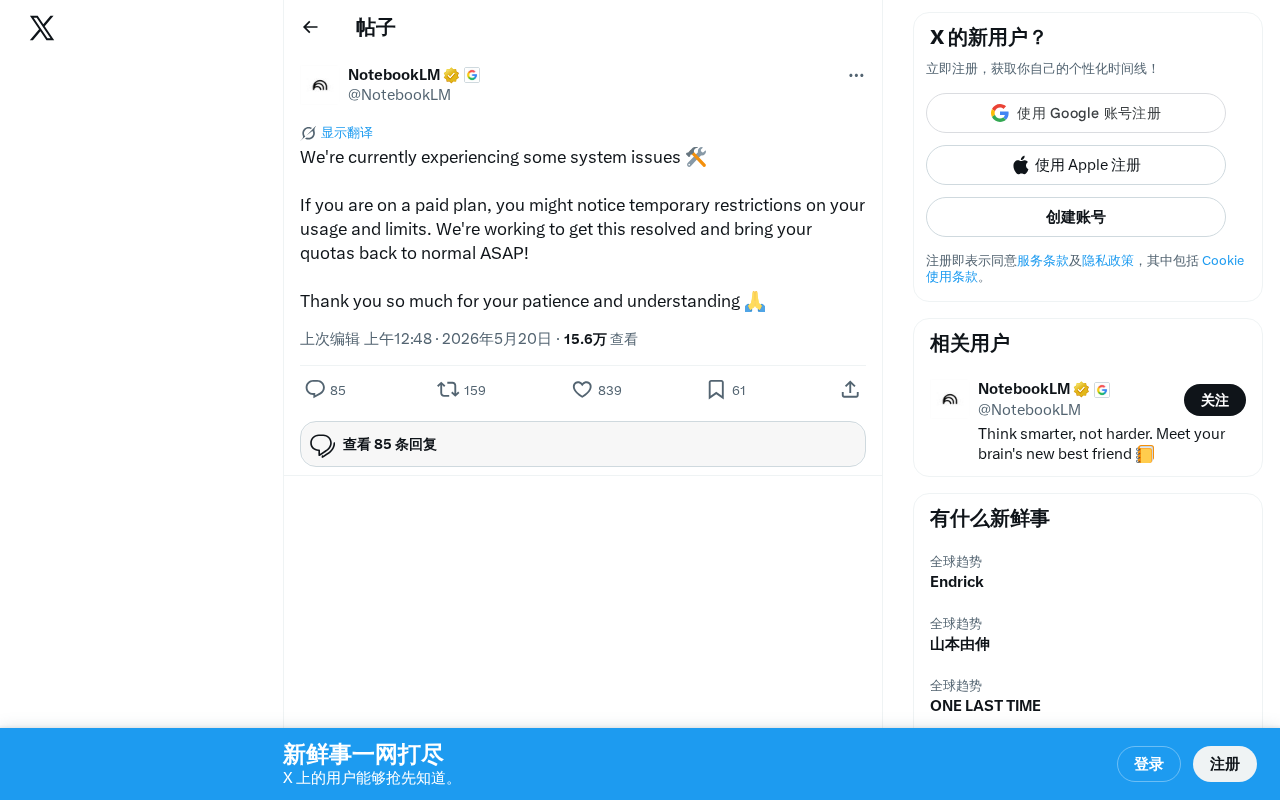
Cursor System Outage: Paid Users Hit by Quota Restrictions, Official Fix Underway
AI coding tool Cursor confirms a system outage affecting paid user quotas and limits. Learn about the impact, workarounds, and alternative tools for developers.
Read more →
·2 min
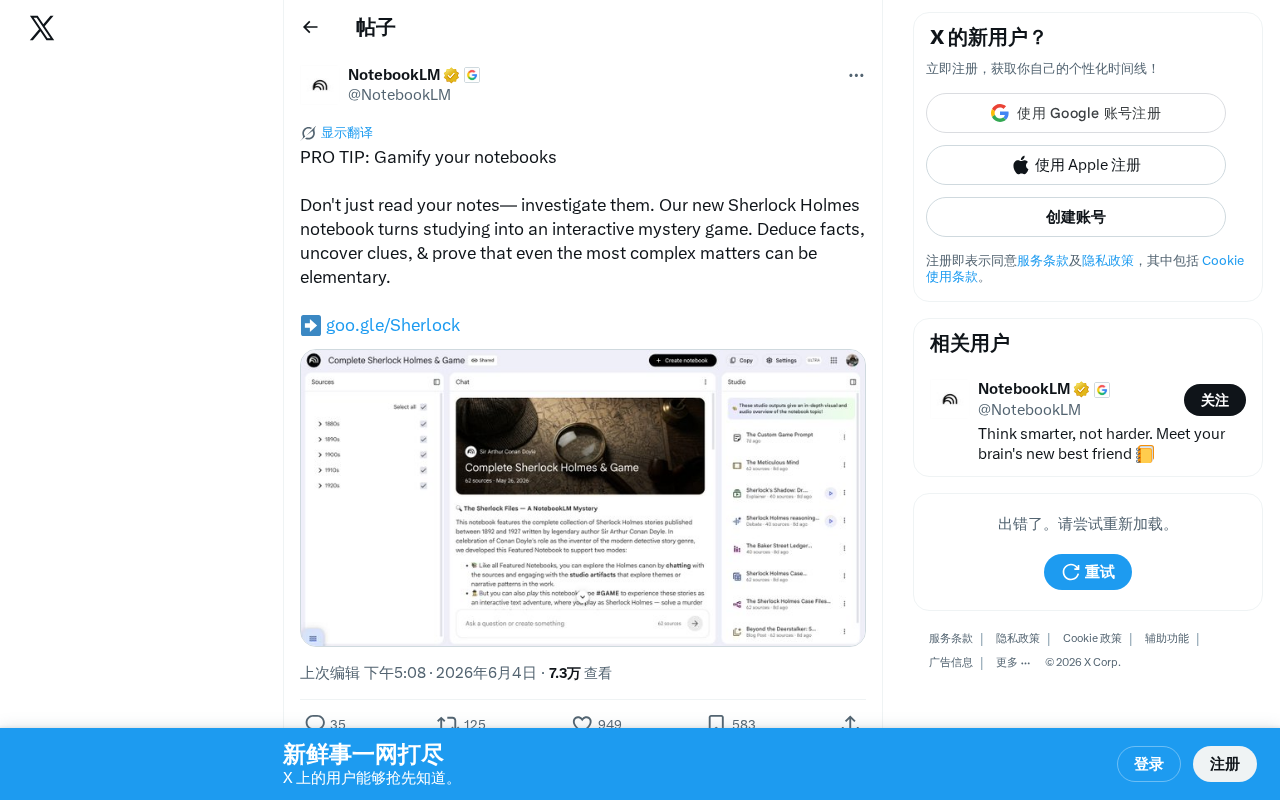
Gamified Learning with NotebookLM: Activate Your Notes Using the Sherlock Holmes Deduction Method
Google NotebookLM launches a Sherlock Holmes notebook template, turning passive note review into interactive deduction games. Learn how the Deduce-Uncover-Prove method enables gamified learning.
Read more →
·4 min
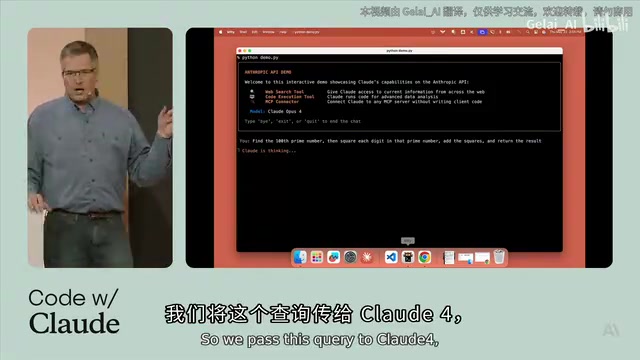
Anthropic's Official Breakdown: Three Core Components for Building AI Agents
Anthropic Developer Conference deep dive into three core AI Agent architectures: Build (code execution), Connect (Web Search & MCP), and Optimize, with live demos and multi-tool collaboration examples.
Read more →
·3 min
Cursor vs Codex In-Depth Comparison: Where Should You Spend Your $200?
In-depth comparison of Cursor and Codex AI programming tools — their strengths, ideal use cases, and cost differences. Find out where your $200 is best spent.
Read more →
·4 min
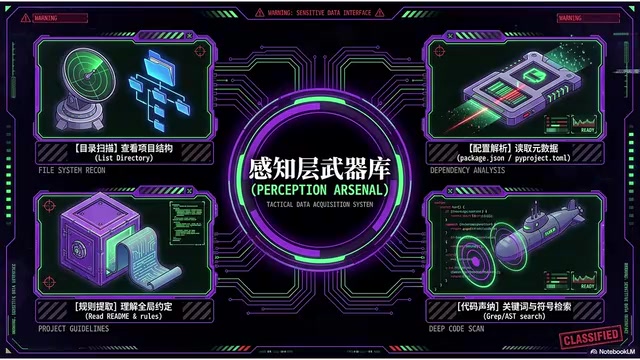
Core Principles of Coding Agents: How Perception and Context Engineering Determine AI Coding Effectiveness
Deep dive into why coding Agents differ: perception lets Agents understand projects first, context engineering precisely filters information within limited token budgets.
Read more →

·4 min
The Real Logic of Getting Rich with AI: Toolbox Thinking and the Three-Layer Capability Model
Mastering AI tools doesn't equal making money. This article breaks down the three-layer AI wealth model: LLM prompting, automation workflows, and agent collaboration, plus the MAPS framework and Three R's Rule.
Read more →
·3 min
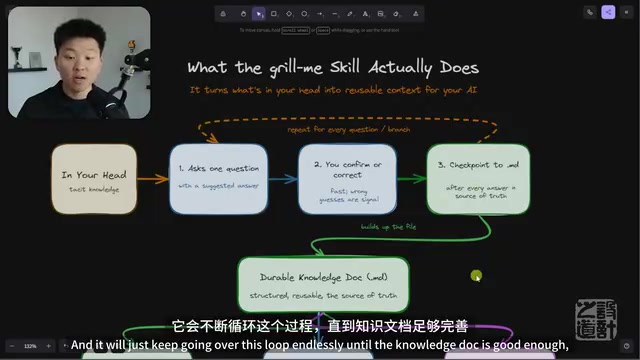
Grill Me Skill: Let AI Interrogate You to Rapidly Extract Tacit Knowledge and Boost Project Efficiency
Learn how the Grill Me skill uses AI-driven systematic questioning to extract tacit knowledge, with checkpoint mechanisms to optimize context quality and boost first-iteration success from 70% to 90%.
Read more →
·3 min
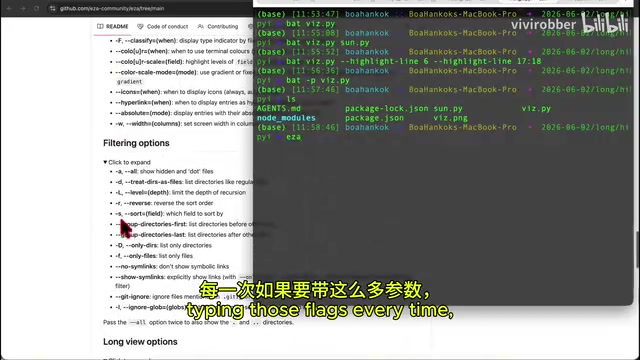
8 Terminal Enhancement Tools to Supercharge Your Claude Code Programming Experience
8 free terminal tools—Bat, Eza, Chafa, Zoxide, TLDR, Miru, Yazi, LazyGit—to dramatically boost your Claude Code and AI coding workflow efficiency.
Read more →
·2 min
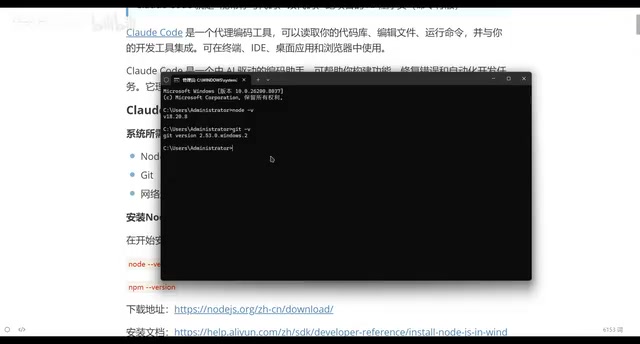
Claude Code Installation & Deployment Guide: From Environment Setup to Successful Launch
Complete guide to installing and deploying Claude Code, covering Node.js setup, NVM version management, network proxy configuration, and API provider switching.
Read more →
·3 min
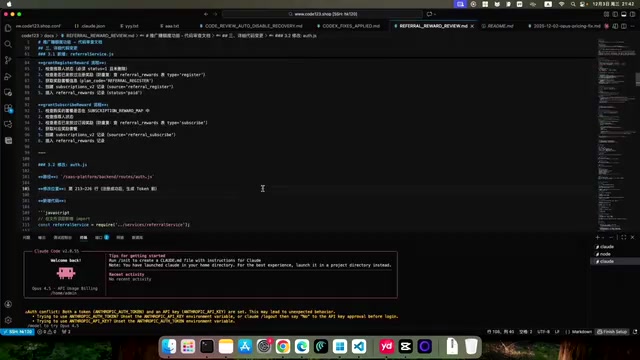
Claude Code + Codex Cross-Validation: Dramatically Reducing AI Coding Bug Rates
Learn how to combine Claude Code and Codex in a cross-validation workflow — a develop-review-fix loop that dramatically reduces AI coding bug rates.
Read more →

·3 min
Monetizing Claude Code: 4 Proven Revenue Paths Broken Down
Deep breakdown of 4 monetization paths for Claude Code: AI-accelerated freelancing, shipping tools at scale, selling methodology, and content creation. Each path is validated with real examples.
Read more →
·3 min
Andrew Ng's AI Prompting Guide: Four Key Gaps Between Beginners and Experts
Andrew Ng's AI prompting methodology reveals four core gaps between beginners and experts: deep thinking, sufficient context, neutral questioning, and iterative writing. Applicable to ChatGPT, Claude, Gemini, and all major AI tools.
Read more →
·3 min
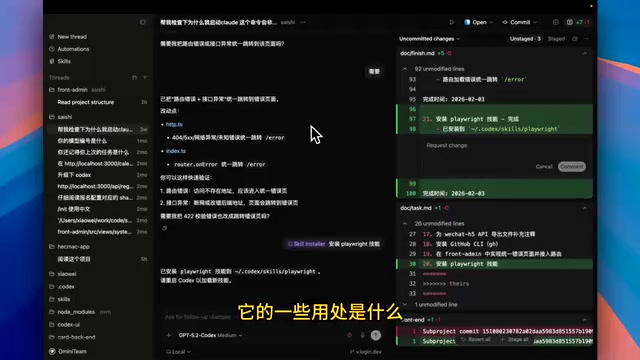
OpenAI Codex App In-Depth Review: Streets Parallel Development and Five Core Features Explained
In-depth review of OpenAI Codex App's five core features: Streets parallel development, deep Git integration, Skills system, Automation tasks, and MCP support.
Read more →
·2 min
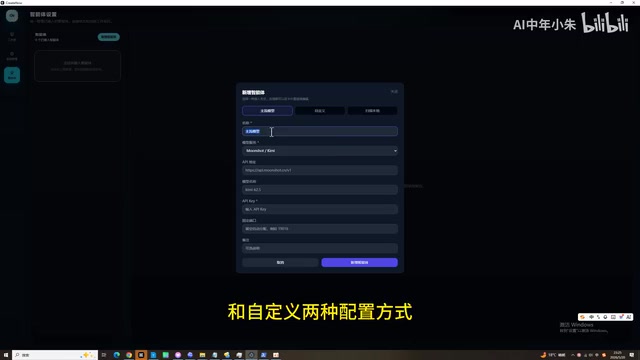
CreateNow Agent Configuration Tutorial: One-Click Integration with DeepSeek and Other Major LLMs
Step-by-step guide to configuring CreateNow agents with DeepSeek, Kimi, and Xiaomi LLMs. Covers one-click setup, custom model integration, and API Key acquisition for building AI digital employees.
Read more →