#AI Coding
426 related articles
 Tutorials
·3 min
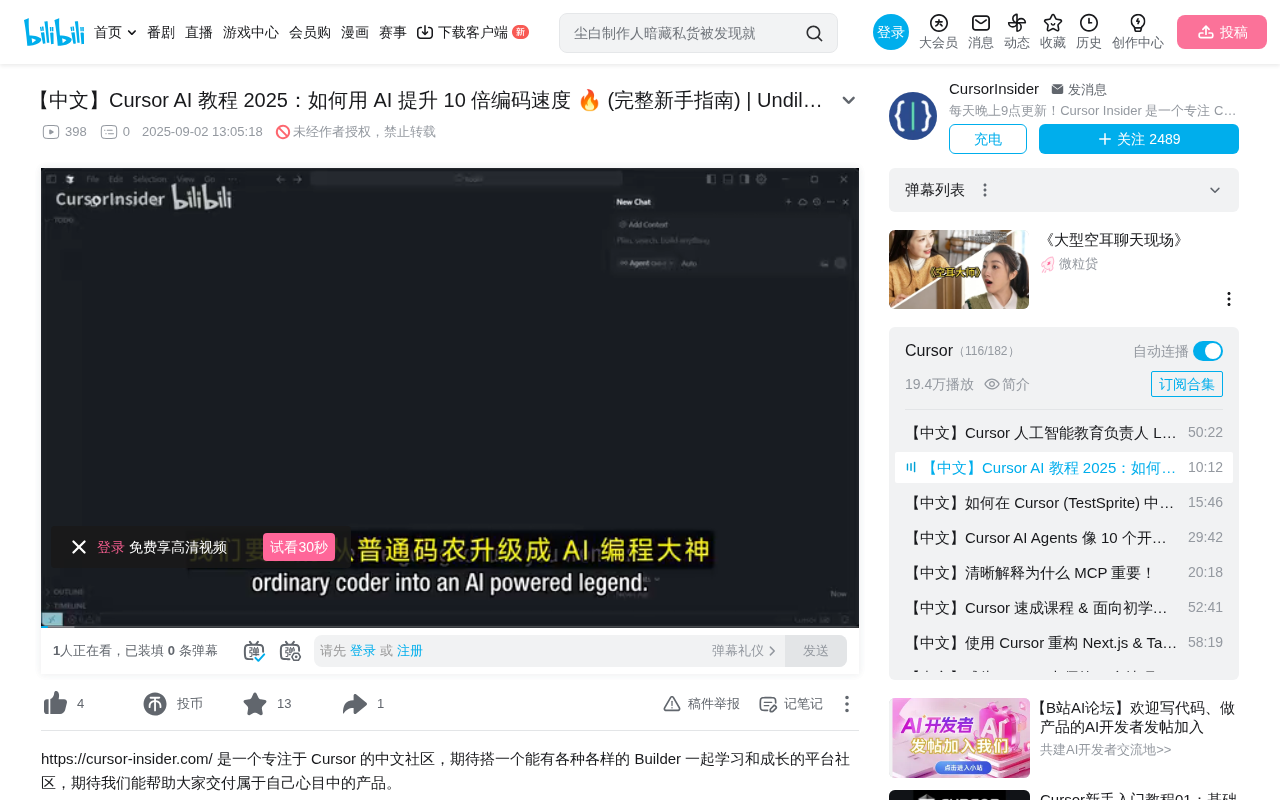
Cursor AI Beginner Tutorial: Rules Configuration & Agent Mode Practical Guide
Complete guide to Cursor AI installation, rules file configuration, and Agent mode in action. Master project-level and global rules setup to drive AI programming with natural language and boost coding efficiency.
Read more →
 Product Reviews
·2 min
Three AI Coding Tool Alternatives After Cursor Restrictions
Cursor restricted in China? This article reviews three AI coding alternatives: Augment Code for smart prompt optimization, Trae for best value, and Amazon Kilo for process-driven development.
Read more →
 Product Reviews
·3 min
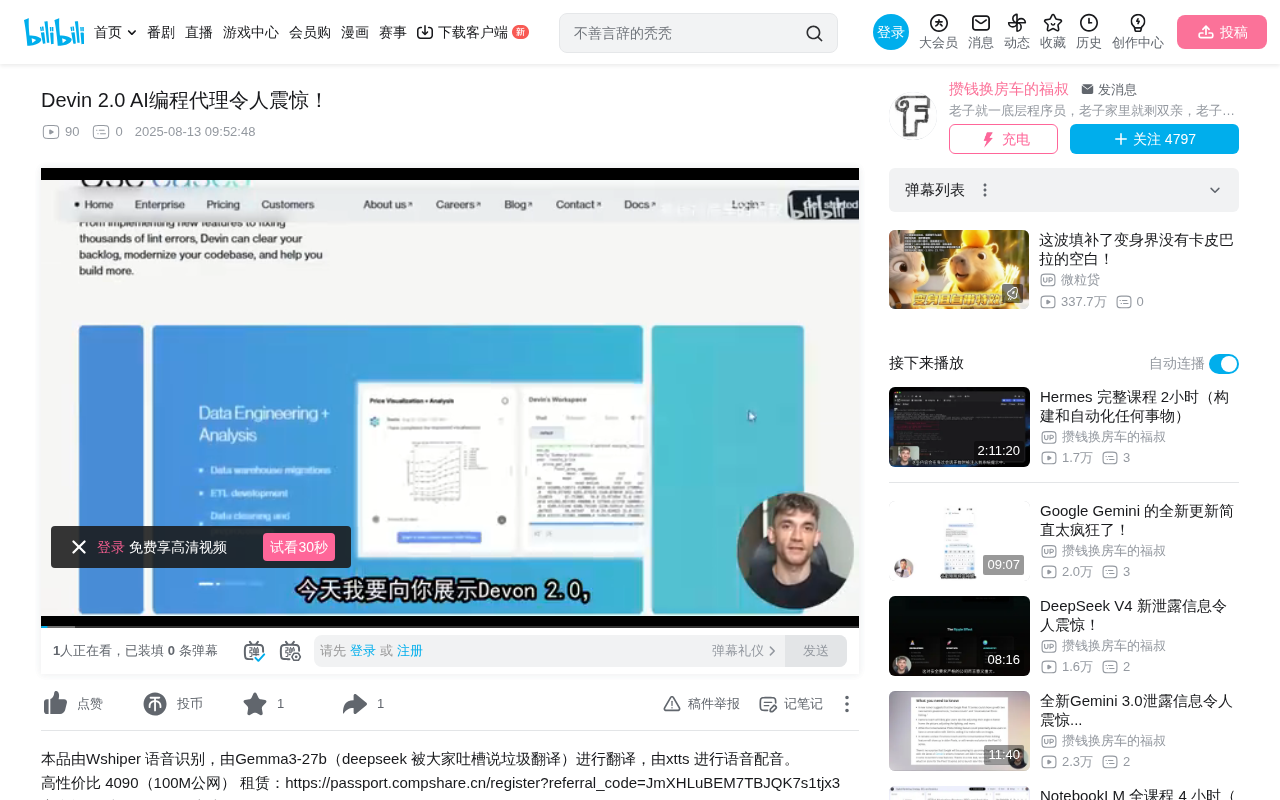
Devin 2.0 In-Depth Review: Is the $20/Month AI Coding Agent Actually Worth It?
In-depth analysis of Devin 2.0: dropped from $500 to $20/month, 12x efficiency in code migration, but only 15% completion on complex tasks. Real test data on use cases and limitations.
Read more →
 Tutorials
·3 min
V0 + Cursor + Supabase + Vercel: Build a SaaS App with AI in 4 Steps — No Coding Required
Learn how to build and launch a complete SaaS app using V0 for UI design, Cursor for coding, Supabase for backend, and Vercel for deployment — no programming experience required.
Read more →
 Tutorials
·3 min
Cursor Beginner's Guide: A Complete Strategy to 10x Your Productivity with AI Programming from Scratch
Complete guide to Cursor AI programming tool: installation, core features, and practical tips. Compares GitHub Copilot, Windsurf, Trae and more to help beginners boost development efficiency 10x.
Read more →
 Expert Opinions
·3 min
Gumloop Founder: 50 AI Agents Running Your Company? Don't Fall for It
Gumloop founder Max shares the truth about AI automation: processing 4M daily workflows taught him why 50 AI Agents running a company is a lie, and why the real AI philosophy is acceleration, not replacement.
Read more →
 Research
·3 min
110K PRs Tested: Which of 5 AI Coding Agents Is Most Reliable?
Empirical study of 110K open-source PRs comparing 5 AI coding agents (GitHub Copilot, Claude Code, Devin) on merge rates, code survival, and long-term maintainability—revealing AI code's 50% one-year survival rate.
Read more →
 Product Reviews
·3 min
OpenHands Deep Dive: How an Open-Source AI Coding Agent is Redefining Software Development
Deep dive into OpenHands, an open-source AI coding agent platform covering architecture design, sandboxed code execution, and multi-tool orchestration, compared with Copilot, Devin, and more.
Read more →
 Product Reviews
·2 min
ZenFlow Hands-On: Testing the Spec-Driven Fully Autonomous AI Software Engineer
Hands-on review of ZenFlow—the first spec-driven fully autonomous AI software engineer. Multi-agent parallel collaboration with built-in verification delivers end-to-end development from ideation to production.
Read more →
 Product Reviews
·3 min
Pair AI Integrates 6 Major Tools to Build an AI Coding Super Editor
Pair AI natively integrates 6 AI coding tools—Roo Code, SuperMaven, Perplexity, Memo, Continue—into one editor starting at $15/month, competing with Cursor and Windsurf.
Read more →
 Product Reviews
·3 min
AI Coding Tools Deep Dive: How to Choose Between Qoder, Cursor, Windsurf, and Devin
Deep comparison of Qoder, Cursor, Windsurf, and Devin across autonomy, reliability, and context capabilities to help developers choose the right AI coding assistant.
Read more →
 Product Reviews
·2 min
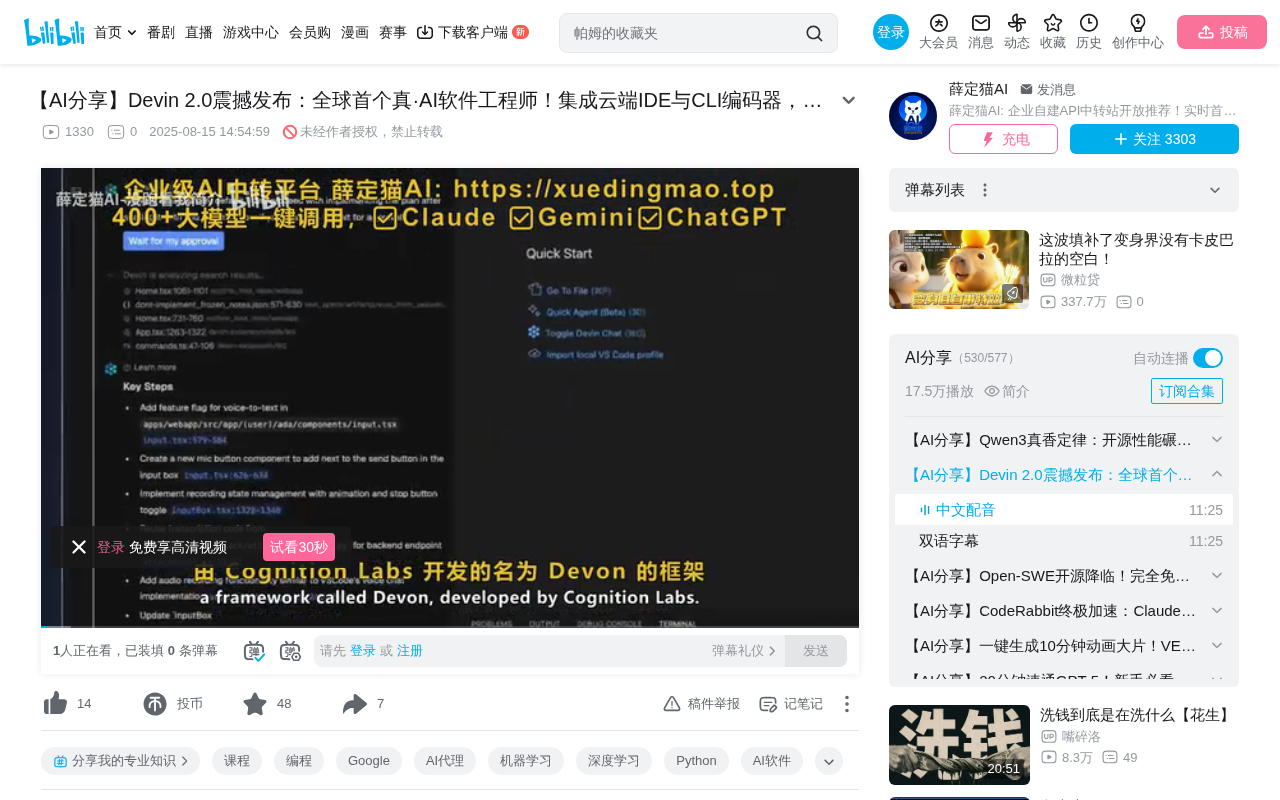
Devin 2.0 Deep Dive: What Can the First AI Software Engineer Actually Do?
Deep dive into Devin 2.0 — the latest evolution of the world's first AI software engineer. Exploring autonomous coding, multi-agent parallelism, Ask Devin, Deep Wiki, and how it differs from Copilot and Cursor.
Read more →
 Tutorials
·3 min
Claude Agent SDK Python in Practice: Custom Tools, Multi-Turn Conversations & Hooks Security Control
A deep dive into Claude Agent SDK for Python: Query basics, custom Tools with MCP Server, CloudSdkClient multi-turn sessions, and Hooks security control with full code examples.
Read more →
 Product Reviews
·2 min
Google Stitch 2.0 Deep Dive: A Free AI Frontend Code Generation Tool Powered by Gemini
Deep dive into Google Stitch 2.0: Gemini 3.0 Pro reasoning engine, variant generation, predictive heatmaps, AI Studio and Jules export for a complete design-to-deployable-code workflow—completely free.
Read more →
 Tech Frontiers
·3 min
Google Jules 3.0 Major Upgrade: API, Memory System, and Free AI Coding Agent Explained
Google Jules 3.0 launches API, CLI tools, and memory system. Free 15 daily tasks powered by Gemini 2.5 Pro. Deep dive into how Jules evolves into an embeddable AI coding partner.
Read more →
 Product Reviews
·3 min
Google Jules 2.0 Major Upgrade: Deep Dive into Seven New Features
Google's AI coding assistant Jules exits Beta with environment snapshots, Critic Agent reinforcement learning code review, interactive planning, web preview, web search, and more.
Read more →
 Tutorials
·3 min
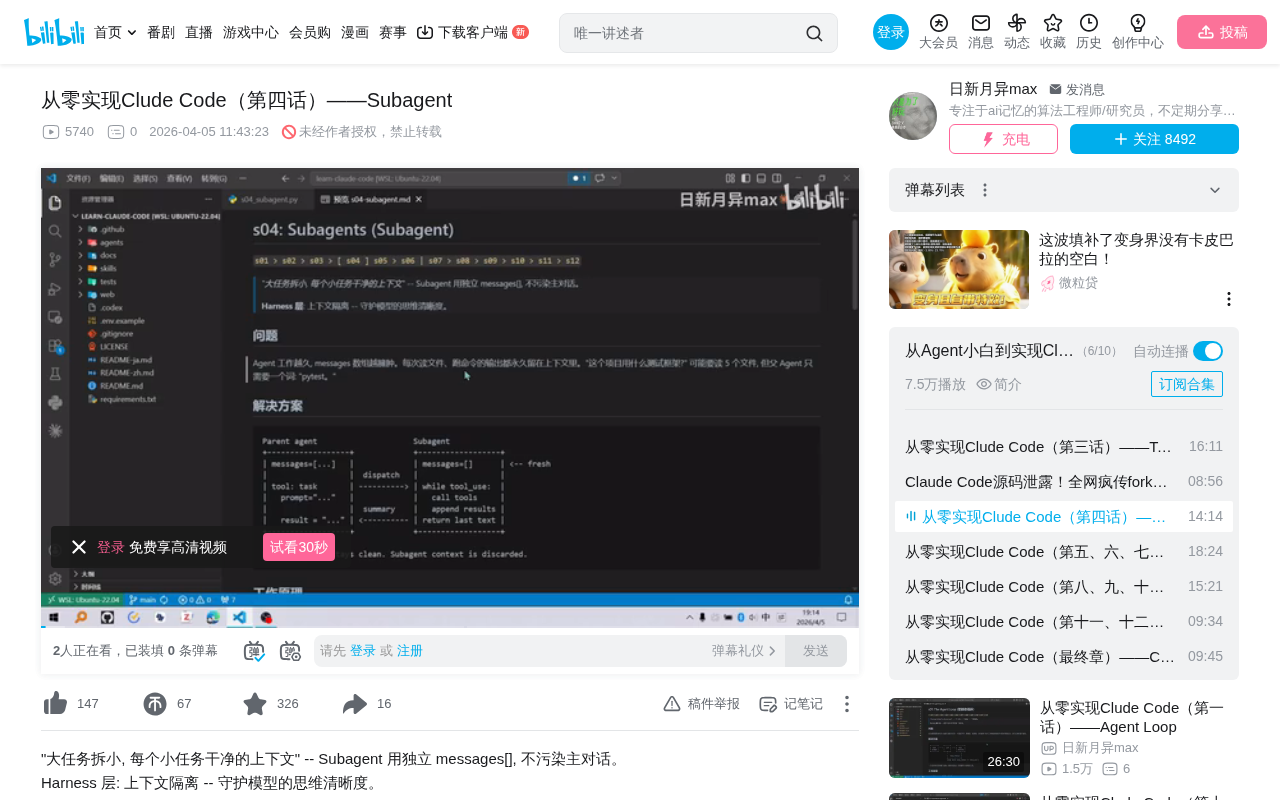
SubAgent Architecture: The Core Implementation for Context Isolation
Deep dive into SubAgent context isolation architecture, covering parent-child Agent roles, tool definitions, run_subagent implementation, and differences from TodoList and Agent Teams.
Read more →
 Tech Frontiers
·3 min
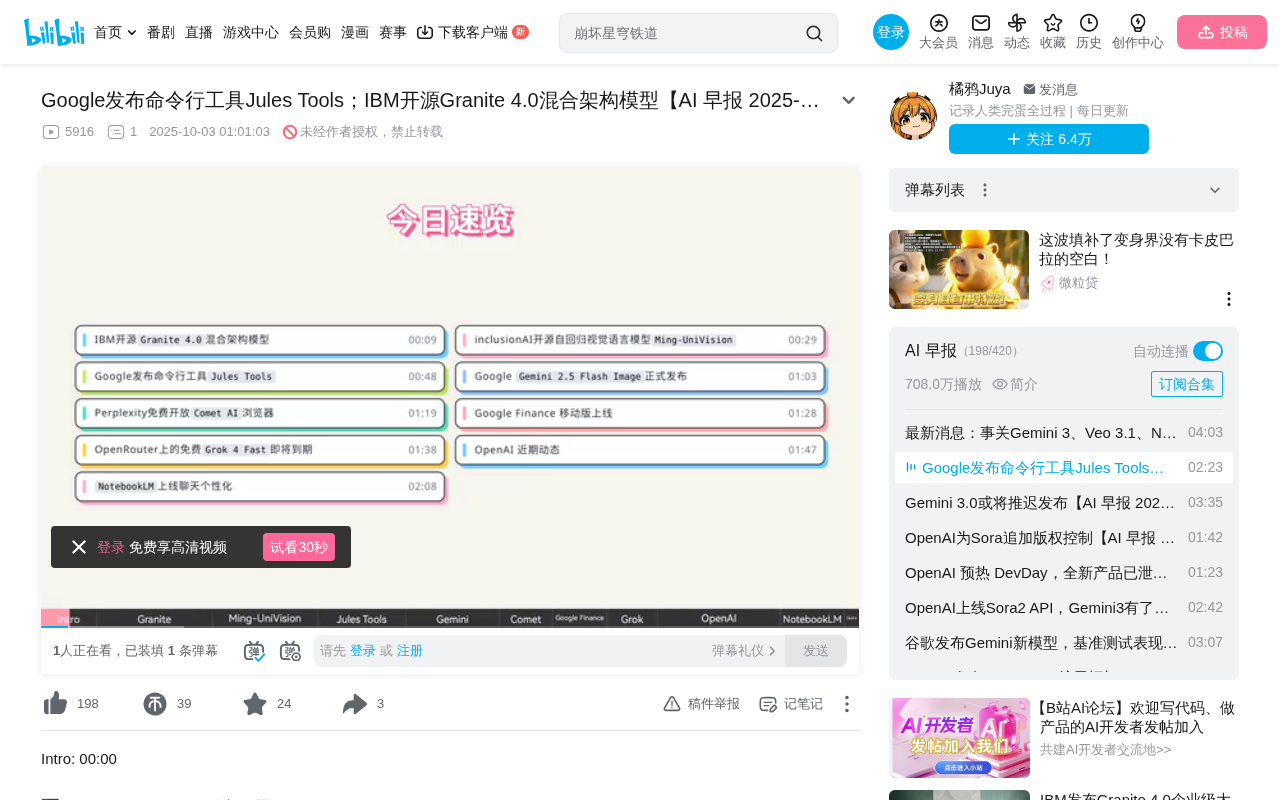
AI Daily: IBM Open-Sources Granite 4.0 Hybrid Architecture, Google Launches Jules Command-Line Tool
Oct 3, 2025 AI Daily: IBM releases Granite 4.0 hybrid architecture open-source models, Google launches Jules CLI and Gemini 2.5 Flash Image GA, Ant Group open-sources Ming UniVision, OpenAI hits $500B valuation.
Read more →
 Product Reviews
·2 min
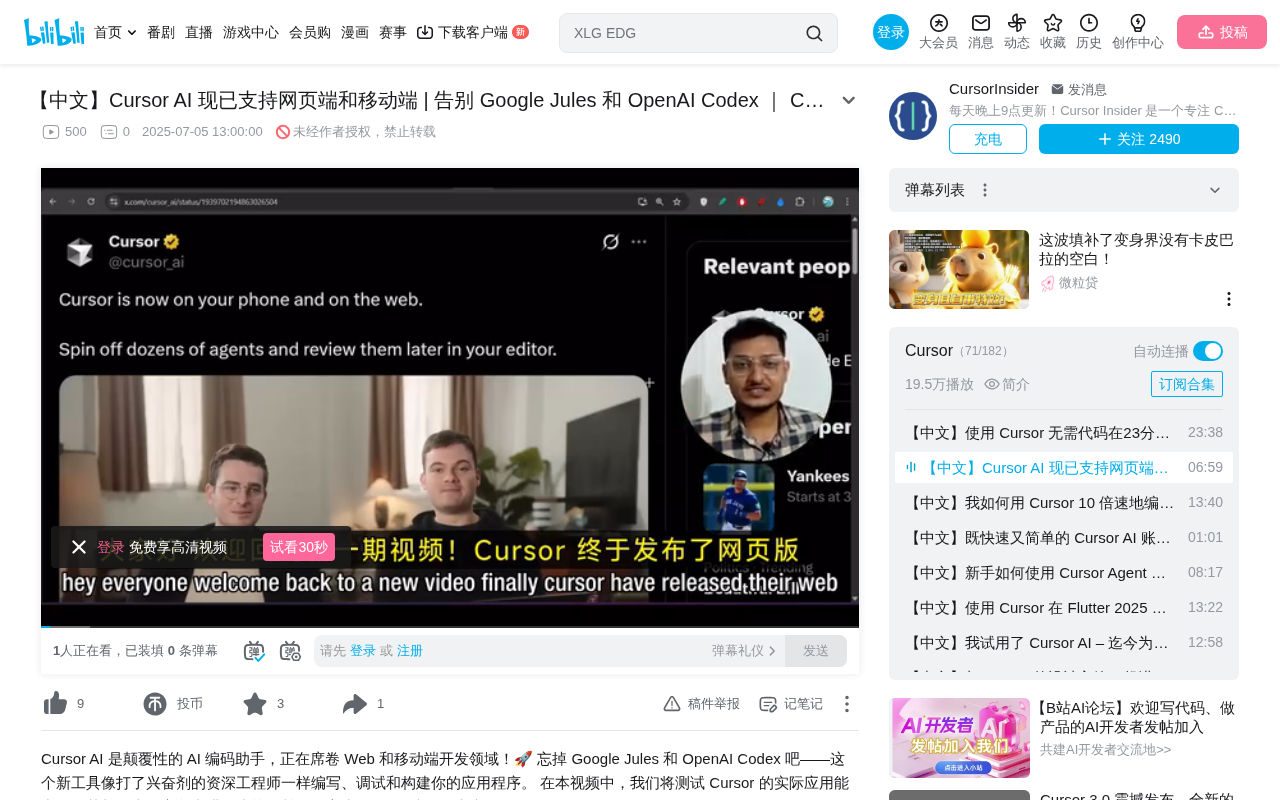
Cursor Web and Mobile Launch: Hands-On with Cloud AI Coding Agents
Cursor launches web and mobile versions supporting multi-agent parallel execution and mobile code review. A detailed look at core features, comparison with Google Jules and OpenAI Codex, and the PWA mobile experience.
Read more →
 Tutorials
·3 min
Harness Engineering: A Practical Guide to AI Development — From Prompts to Mastering AI Agents
A deep dive into Harness Engineering's three-layer architecture: Information, Constraint, and Automation layers, covering Agent failure modes, OpenAI and Anthropic best practices, and AI tool selection strategies for controlled AI development.
Read more →