#AI agents
417 related articles
 Tutorials
·2 min
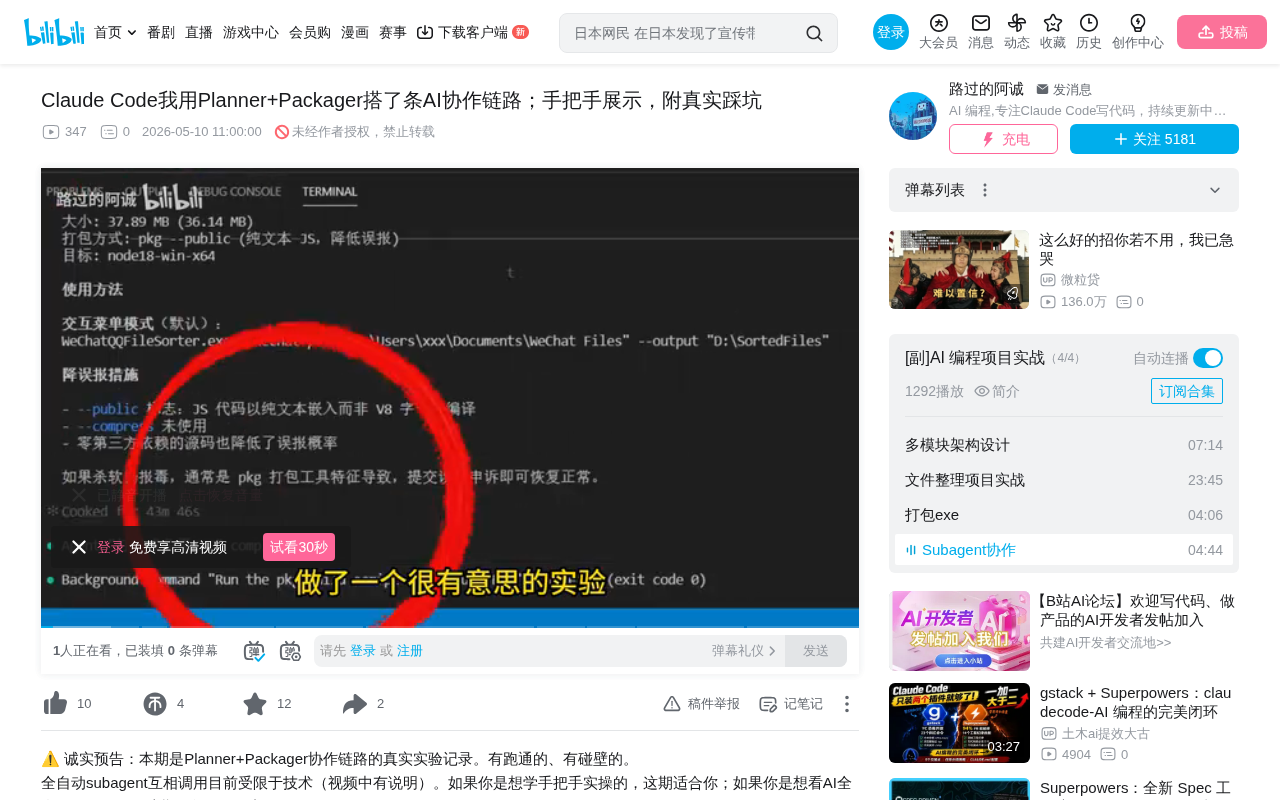
Claude Code Multi-Agent Collaboration in Practice: Subagent Division of Labor and a Lite TARS Concept
Explore Claude Code multi-Agent collaboration with Planner+Packager Subagents for semi-automated project iteration, plus a lite TARS orchestration concept revealing Agent inter-calling limits.
Read more →
 Product Reviews
·3 min
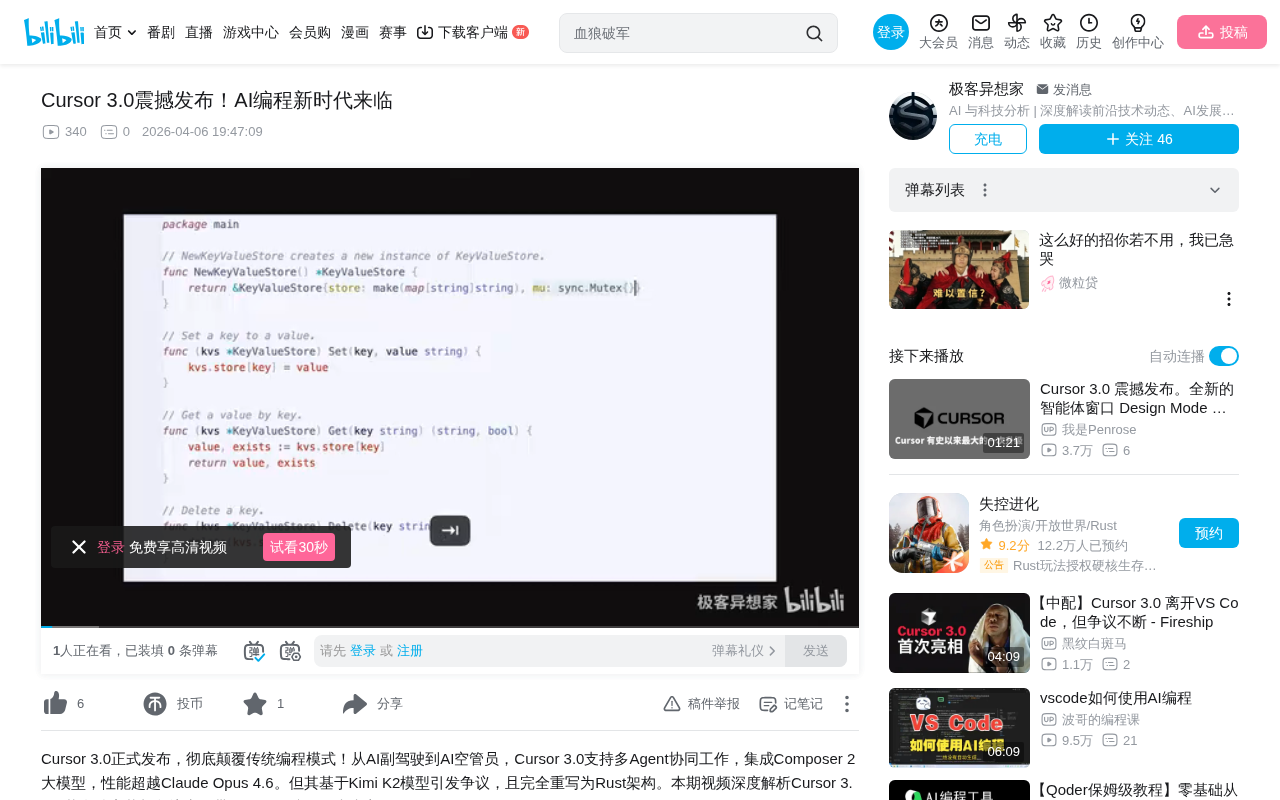
Cursor 3.0 Deep Dive: Rust Rewrite, In-House Model & Agent Orchestration Platform Fully Explained
Deep analysis of Cursor 3.0's three core upgrades: Rust rewrite leaving VS Code behind, in-house Composer 2 model with 86% cost reduction, and Agent Windows for multi-agent parallel development.
Read more →
 Product Reviews
·3 min
Cursor 3.0 Deep Dive: From Code Editor to AI Agent Command Center
Deep dive into Cursor 3.0's major upgrades: proprietary Composer 2 coding model, multi-agent parallel workflows, built-in browser and design mode. Exploring the shift from VS Code fork to Rust rewrite and the AI agent programming paradigm.
Read more →
 Product Reviews
·2 min
Cursor 3.0 Update Analysis: Multi-Agent Windows and Design Mode Hands-On Experience
Deep analysis of Cursor 3.0's two core updates: Agent Window for multi-Agent parallel development with cloud cross-device collaboration, and Design Mode for direct UI modification in the browser.
Read more →
 Tutorials
·3 min
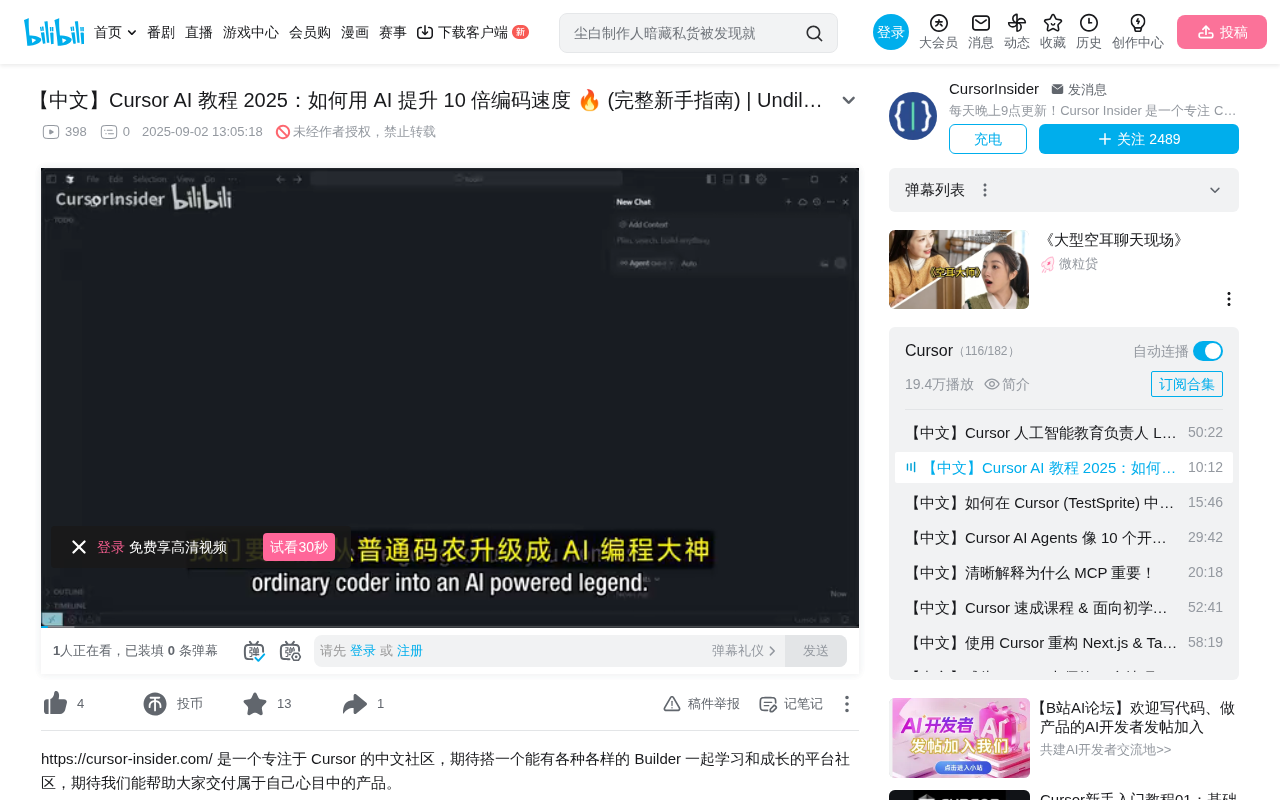
Cursor AI Beginner Tutorial: Rules Configuration & Agent Mode Practical Guide
Complete guide to Cursor AI installation, rules file configuration, and Agent mode in action. Master project-level and global rules setup to drive AI programming with natural language and boost coding efficiency.
Read more →
 Tutorials
·3 min
Building a Financial Report Analysis AI Agent with Cursor + Skills: A Step-by-Step Tutorial from Scratch
A hands-on tutorial for building a financial report analysis AI Agent from scratch using Cursor editor, Skills definitions, and MiniMax M2.1. Covers setup, architecture, Skills methodology, and multi-language programming.
Read more →
 Product Reviews
·3 min
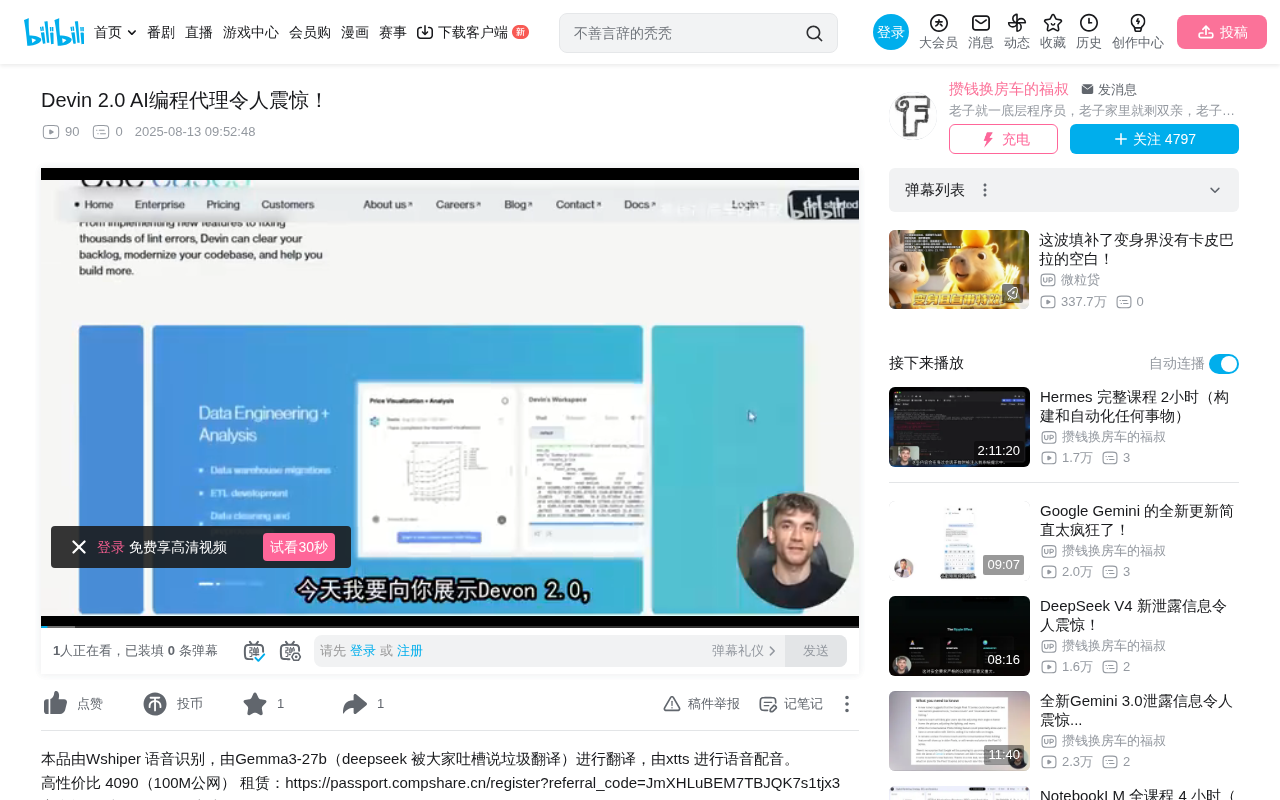
Devin 2.0 In-Depth Review: Is the $20/Month AI Coding Agent Actually Worth It?
In-depth analysis of Devin 2.0: dropped from $500 to $20/month, 12x efficiency in code migration, but only 15% completion on complex tasks. Real test data on use cases and limitations.
Read more →
 Expert Opinions
·3 min
Gumloop Founder: 50 AI Agents Running Your Company? Don't Fall for It
Gumloop founder Max shares the truth about AI automation: processing 4M daily workflows taught him why 50 AI Agents running a company is a lie, and why the real AI philosophy is acceleration, not replacement.
Read more →
 Tutorials
·3 min
Hermes Agent + Playwright: A Practical Guide to AI-Driven Browser Automation
A complete guide to AI-driven browser automation with Hermes Agent and Playwright, covering setup, three AI modes (snapshot decisions, multi-turn dialogue, autonomous exploration), retry mechanisms, and optimization tips.
Read more →
 Product Reviews
·2 min
Page Agent: Alibaba's Open-Source AI Browser Extension for Form Automation
Page Agent is Alibaba's open-source AI browser extension that automates form filling and data entry via natural language. Supports Chrome, multiple LLMs, and backend integration.
Read more →
 Product Reviews
·3 min
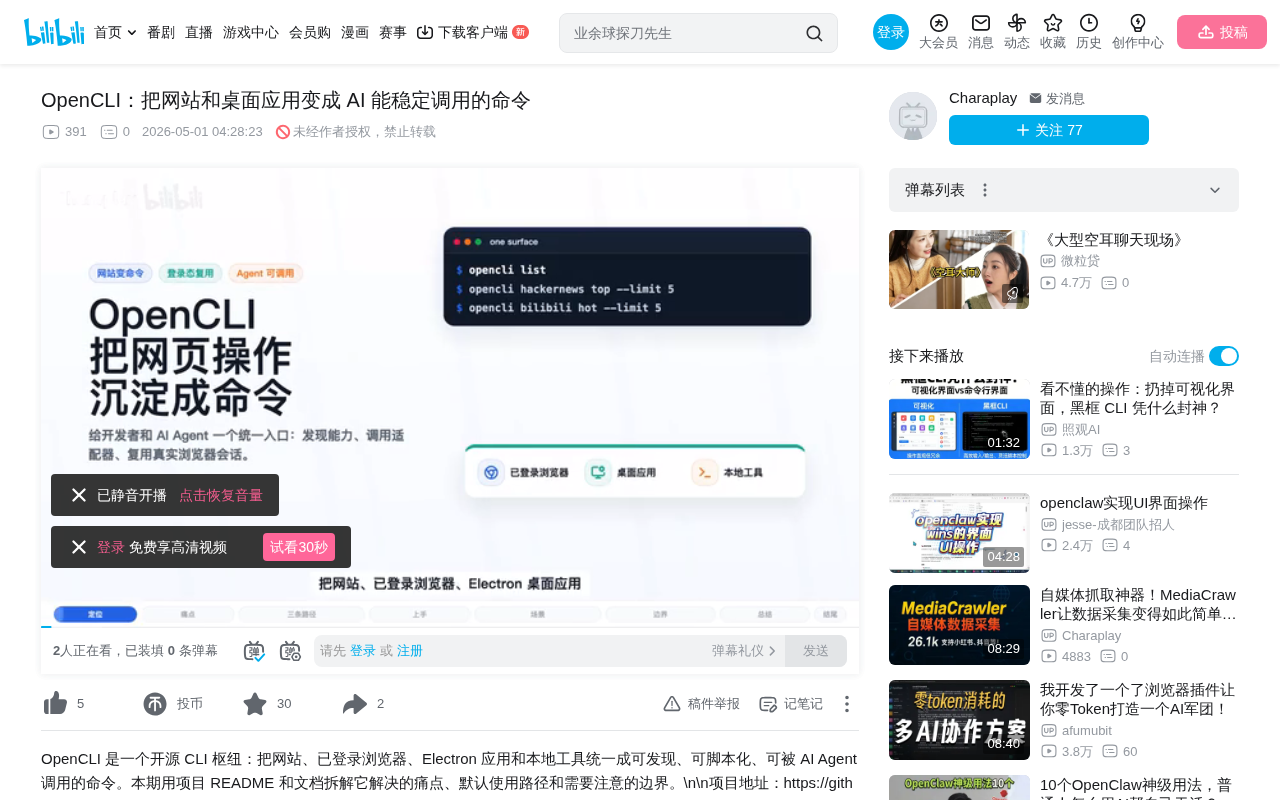
OpenCLI: Wrapping Websites and Desktop Apps into Reusable CLI Commands for AI
OpenCLI is an open-source tool that wraps websites and desktop apps into reusable CLI commands for AI Agents. With 90+ built-in adapters, browser login state reuse, and auto-generated adapters.
Read more →
 Product Reviews
·3 min
OpenHands Deep Dive: How an Open-Source AI Coding Agent is Redefining Software Development
Deep dive into OpenHands, an open-source AI coding agent platform covering architecture design, sandboxed code execution, and multi-tool orchestration, compared with Copilot, Devin, and more.
Read more →
 Product Reviews
·2 min
ZenFlow Hands-On: Testing the Spec-Driven Fully Autonomous AI Software Engineer
Hands-on review of ZenFlow—the first spec-driven fully autonomous AI software engineer. Multi-agent parallel collaboration with built-in verification delivers end-to-end development from ideation to production.
Read more →
 Product Reviews
·2 min
89K Stars: Deep Dive into the Open-Source Tool That Lets AI Agents Take Over Your Browser
Deep dive into the 89K-star AI browser automation open-source project on GitHub — how it lets LLMs autonomously control browsers for web tasks, covering core capabilities, use cases, and getting started.
Read more →
 Product Reviews
·1 min
Tasi Harness: Local AI Agent for Browser Automation
Tasi Harness is a locally deployed AI Agent browser automation tool that drives browsers via natural language to complete searches, data collection, and form filling. A deep dive into its features, technical highlights, and use cases.
Read more →
 Tutorials
·3 min
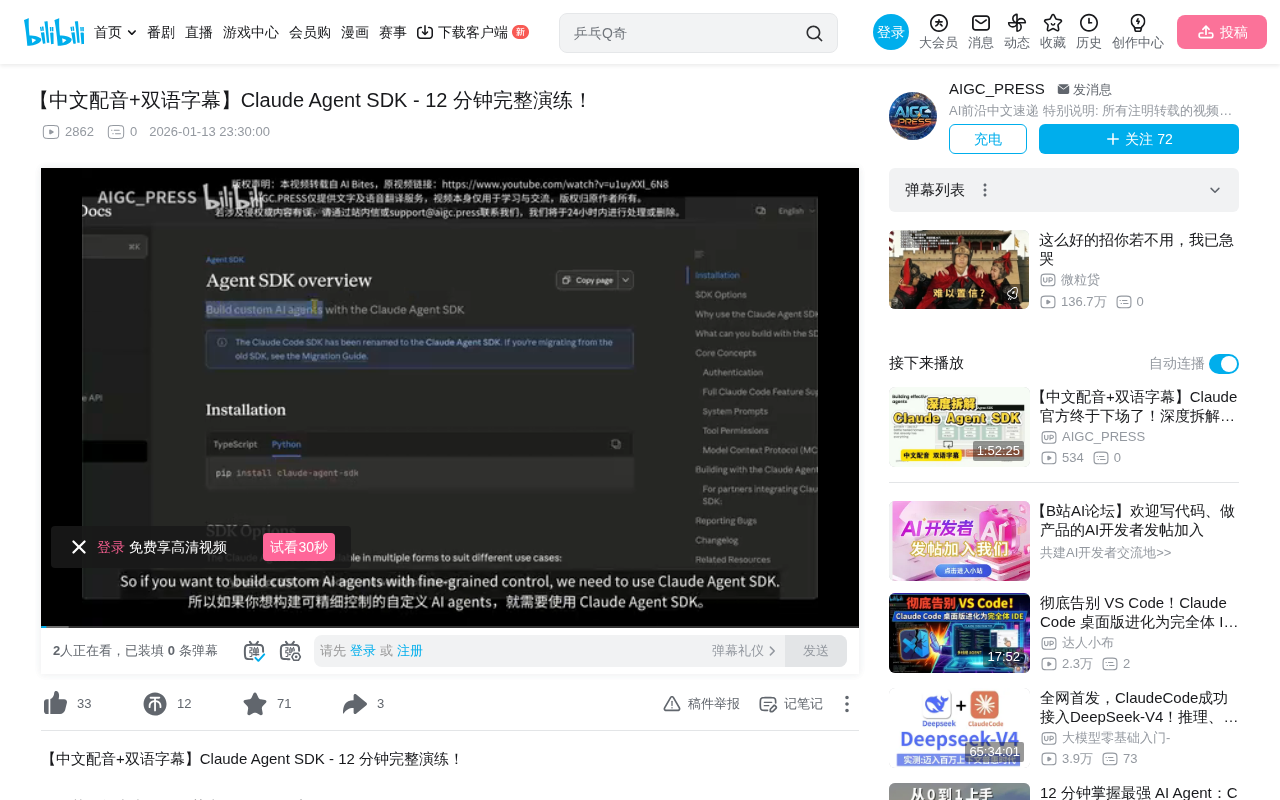
Claude Agent SDK Python in Practice: Custom Tools, Multi-Turn Conversations & Hooks Security Control
A deep dive into Claude Agent SDK for Python: Query basics, custom Tools with MCP Server, CloudSdkClient multi-turn sessions, and Hooks security control with full code examples.
Read more →
 Deep Dives
·2 min
AI Agent Development Methodology: A Complete Guide from ReAct to Enterprise-Grade Tech Stack
A deep dive into AI Agent development methodology, from the ReAct theoretical framework to a four-layer enterprise tech stack covering model services, Agent types, LangChain, and production deployment.
Read more →
 Tutorials
·3 min
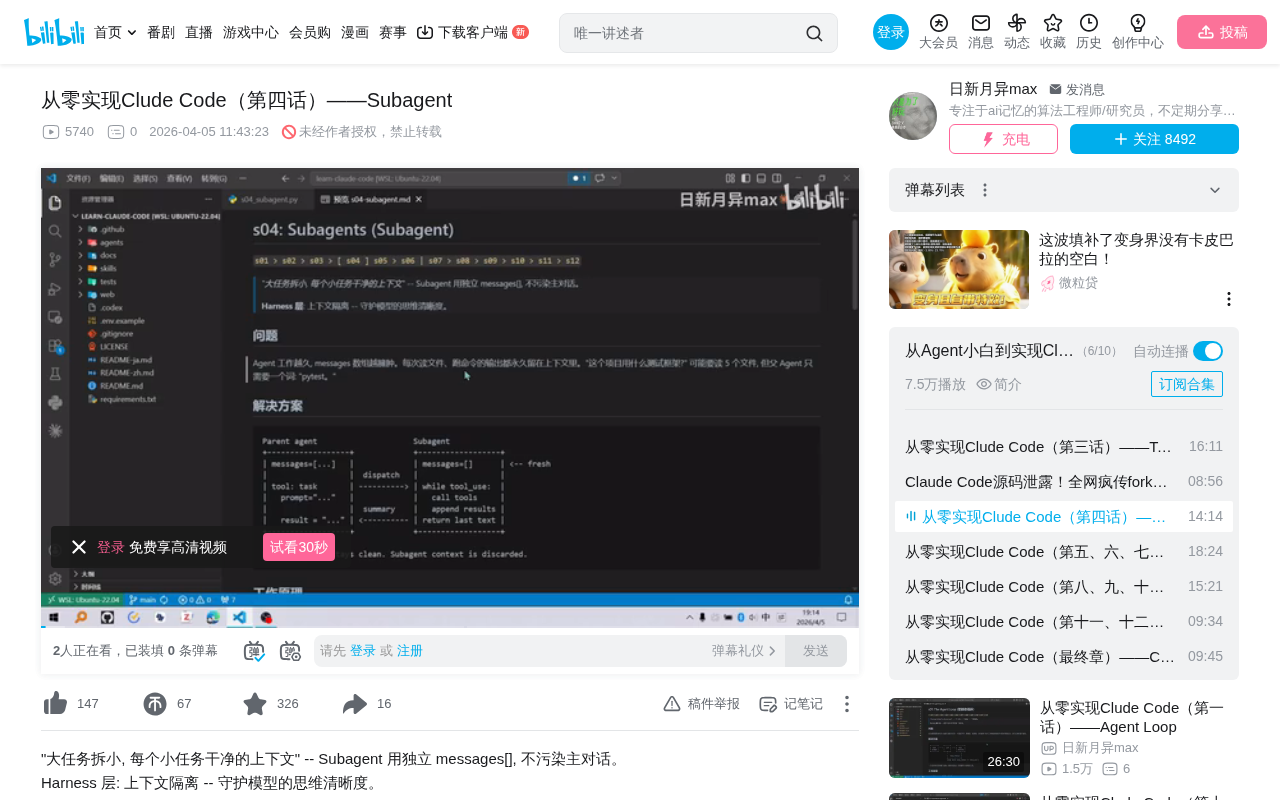
SubAgent Architecture: The Core Implementation for Context Isolation
Deep dive into SubAgent context isolation architecture, covering parent-child Agent roles, tool definitions, run_subagent implementation, and differences from TodoList and Agent Teams.
Read more →
 Industry Insights
·2 min
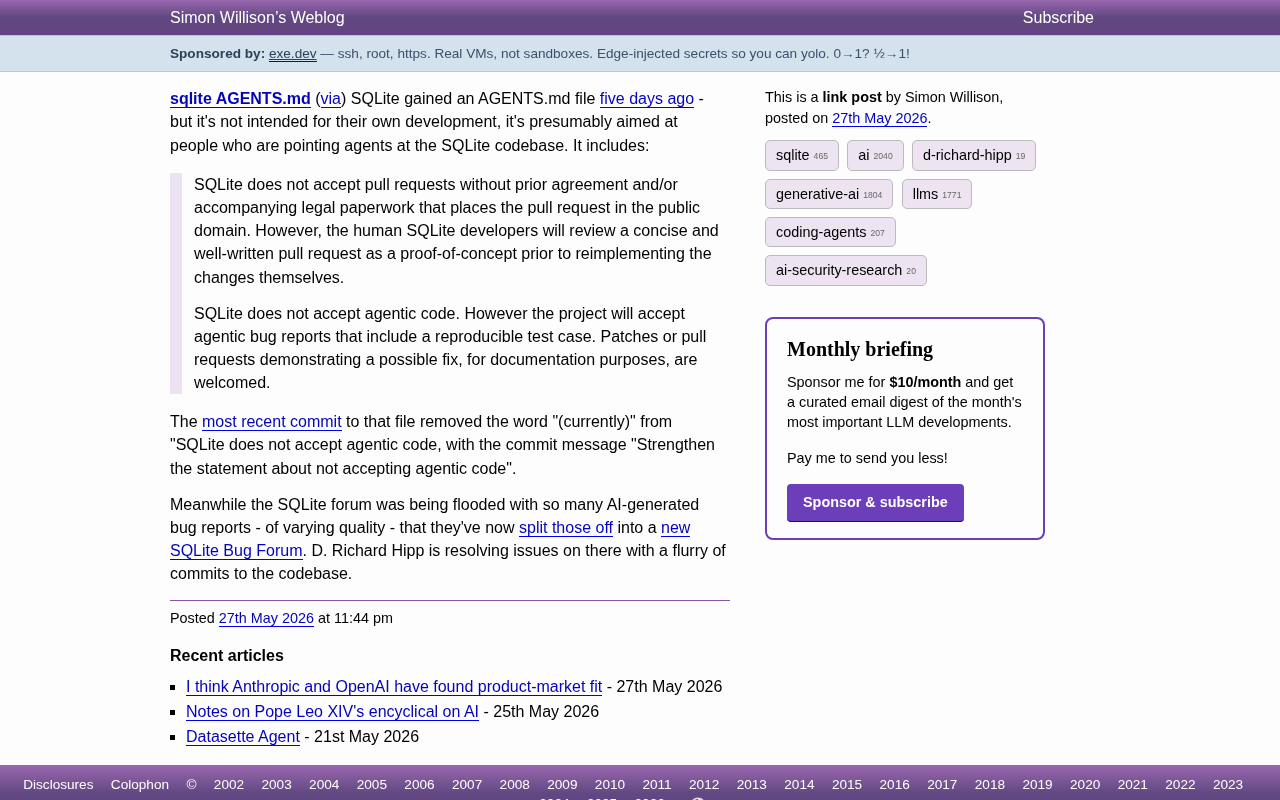
SQLite Releases AGENTS.md: Explicitly Rejecting AI-Generated Code and Opening a Dedicated Bug Forum
SQLite adds AGENTS.md explicitly rejecting AI-generated code and opens a dedicated Bug forum to handle the flood of AI bug reports. A look at its AI governance strategy.
Read more →
 Tutorials
·3 min
Harness Engineering: A Practical Guide to AI Development — From Prompts to Mastering AI Agents
A deep dive into Harness Engineering's three-layer architecture: Information, Constraint, and Automation layers, covering Agent failure modes, OpenAI and Anthropic best practices, and AI tool selection strategies for controlled AI development.
Read more →