#Agent collaboration
241 related articles
Tutorials
WenzAgent Open-Source Framework: A Pra…
·2 min
WenzAgent Open-Source Framework: A Practical Tutorial for Multi-Agent Collaborative Management on LAN
A detailed guide on deploying WenzAgent, an open-source multi-Agent management framework under Apache License, supporting LAN-based multi-device AI agent collaboration with Server-Client architecture.
Read more →
Tutorials
Building an Agent Framework from Scrat…
·2 min
Building an Agent Framework from Scratch: Breaking Down the Four Core Modules with Code Implementation
Learn how to split AI Agent capabilities into four modules—Tool Registry, Message Store, Agent Runtime, and Built-in Tools—and build a reusable, extensible Agent framework using Python decorators.
Read more →
Tutorials
Getting Started with LangChain: Core C…
·3 min
Getting Started with LangChain: Core Concepts and Hands-On Guide for LLM and Agent Development
A systematic guide to LangChain's core features, covering LLM vs. Agent concepts, unified interface design, multi-provider support, environment setup, and hands-on code examples for AI app development.
Read more →
Tutorials
AI Agent Learning Roadmap: From Beginn…
·3 min
AI Agent Learning Roadmap: From Beginner to Enterprise-Level Development in Three Months
A detailed three-month AI Agent learning roadmap covering LLM basics, ReAct paradigm, LangChain, memory mechanisms, tool calling, and multi-agent collaboration with practical project suggestions.
Read more →
Product Reviews
Cursor 2.0 In-Depth Review: Five Major…
·3 min
Cursor 2.0 In-Depth Review: Five Major New Features Including Custom Model, Multi-Agent Parallelism, and More
In-depth analysis of Cursor 2.0's five core updates: custom Composer model speed tests, Git Worktrees multi-agent parallel development, built-in browser, and a three-model comparison of Claude, GPT-5, and Composer.
Read more →
Tutorials
Harness Engineering: A Practical Guide…
·3 min
Harness Engineering: A Practical Guide to AI Programming — From Prompts to Mastery
Explore the three stages of AI programming evolution: from Prompt Engineering to Context Engineering to Harness Engineering. Master enterprise-grade AI coding with Cloud Code + VS Code.
Read more →
Tutorials
Cursor Multi-Agent Workflow: A Practic…
·3 min
Cursor Multi-Agent Workflow: A Practical Guide to Main Thread & Grunt Collaboration
Learn the Cursor "Main Thread & Grunt" multi-agent workflow: use a high-tier model for complex tasks and a low-tier model for simple tasks in parallel to maximize AI coding efficiency.
Read more →
 Industry Insights
·3 min
AI Agents Deep Dive: The Paradigm Shift from Chat Tools to Autonomous Execution Systems
Deep analysis of AI Agents vs LLMs, covering three evolution stages, four core architecture components, three penetration paths, multi-agent collaboration, and societal impact.
Read more →
Product Reviews
Zenflow Hands-On Review: Spec-Driven A…
·3 min
Zenflow Hands-On Review: Spec-Driven AI Coding vs. Pure Prompt-Based Development
In-depth review of Zenflow's spec-driven AI coding vs Google AI Studio's prompt-based approach. Covers multi-agent execution, automated validation, version rollback, and the paradigm shift in AI programming.
Read more →
Industry Insights
US vs. China AI Computer Control Diver…
·3 min
US vs. China AI Computer Control Divergence: Why Programming Tools Still Haven't Integrated GUI Agents
AI computer control success rates surpass humans, yet Cursor and Copilot still lack GUI Agent integration. Deep analysis of US product packaging vs. China's open-source ecosystem, plus three bottlenecks blocking the path to autonomous software engineers.
Read more →
 Tutorials
·3 min
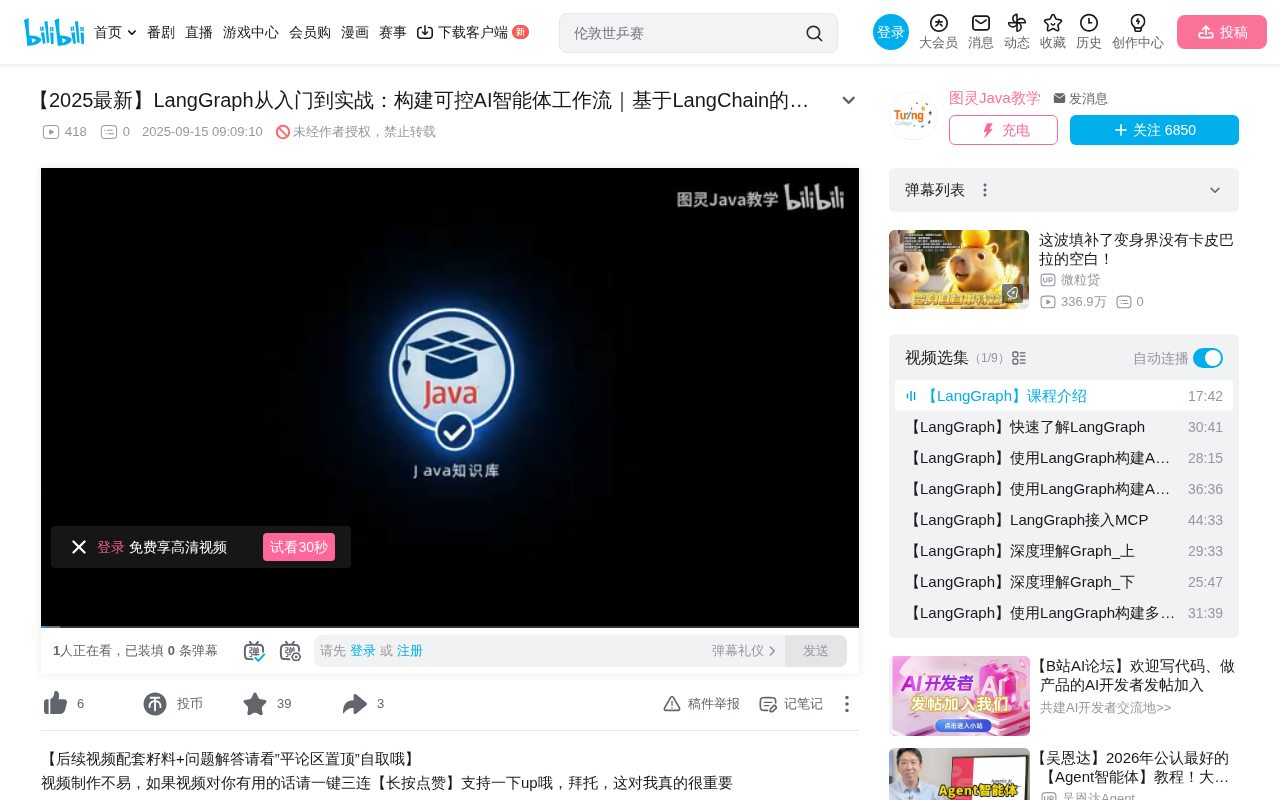
LangGraph Multi-Agent Architecture: Graph Structure Principles and Enterprise-Level Implementation Guide
Deep dive into LangGraph's core graph structure design, single and multi-agent collaboration patterns, MCP protocol integration, and Time Travel fault-tolerance, with enterprise-level hybrid multi-agent architecture implementation.
Read more →
Product Reviews
Warp 2.0 Deep Dive: An AI Development …
·3 min
Warp 2.0 Deep Dive: An AI Development Environment with Multi-Agent Parallelism
Deep dive into Warp 2.0's Agent Development Environment (ADE): multi-agent parallel orchestration, terminal editor, AI coding platform, hands-on SaaS app building, and comparison with Cursor and Claude Code.
Read more →
 Tutorials
·3 min
LangGraph Multi-Agent Architecture: Core Principles and Enterprise-Level Implementation Guide
Deep dive into LangGraph multi-agent architecture covering Graph structure principles, MCP service integration, Time Travel debugging, and supervised multi-agent enterprise implementation patterns.
Read more →
 Tech Frontiers
·3 min
Tech Weekly: OpenAI Swarm Framework, Claude Data Visualization & Lightweight OS Analysis
This week's tech roundup analyzes OpenAI's Swarm Agent framework, Anthropic's Claude data visualization app, Kali Linux, Unikraft lightweight OS, and Go Blueprint — covering AI, security, and cloud computing.
Read more →
 Tutorials
·2 min
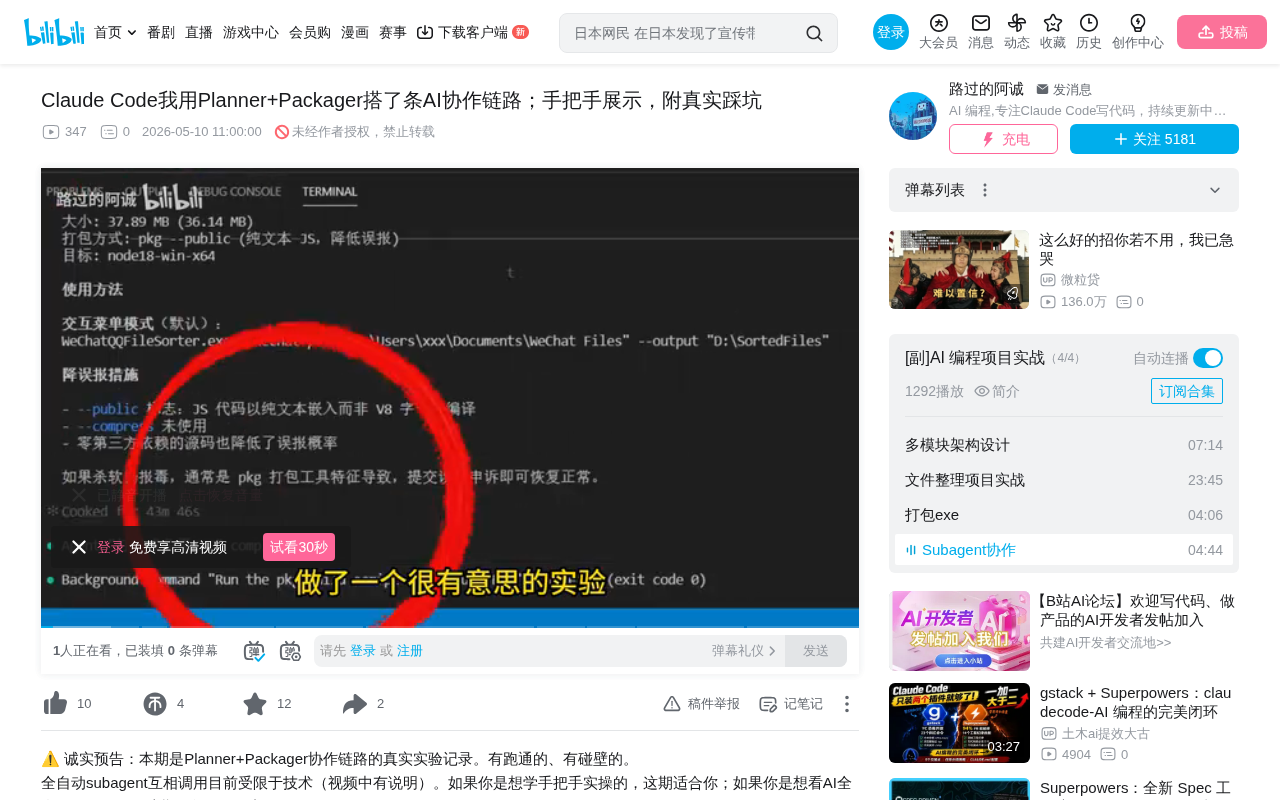
Claude Code Multi-Agent Collaboration in Practice: Subagent Division of Labor and a Lite TARS Concept
Explore Claude Code multi-Agent collaboration with Planner+Packager Subagents for semi-automated project iteration, plus a lite TARS orchestration concept revealing Agent inter-calling limits.
Read more →
 Product Reviews
·2 min
ZenFlow Hands-On: Testing the Spec-Driven Fully Autonomous AI Software Engineer
Hands-on review of ZenFlow—the first spec-driven fully autonomous AI software engineer. Multi-agent parallel collaboration with built-in verification delivers end-to-end development from ideation to production.
Read more →
 Deep Dives
·3 min
Single-Agent vs Multi-Agent: A Three-Step Decision Framework for Choosing the Right Architecture
Based on Anthropic's engineering practices, a detailed three-step decision framework for single-agent vs multi-agent architecture: bottleneck identification, technical feasibility, and business value filtering.
Read more →
 Deep Dives
·2 min
Hermes Agent Deep Dive: An Open-Source AI Digital Worker That Learns
Deep dive into NousResearch's open-source Hermes Agent framework: memory systems, skill reuse, tool calling, security, deployment guide, and multi-agent collaboration.
Read more →
 Deep Dives
·2 min
AI Agent Development Methodology: A Complete Guide from ReAct to Enterprise-Grade Tech Stack
A deep dive into AI Agent development methodology, from the ReAct theoretical framework to a four-layer enterprise tech stack covering model services, Agent types, LangChain, and production deployment.
Read more →
 Tutorials
·3 min
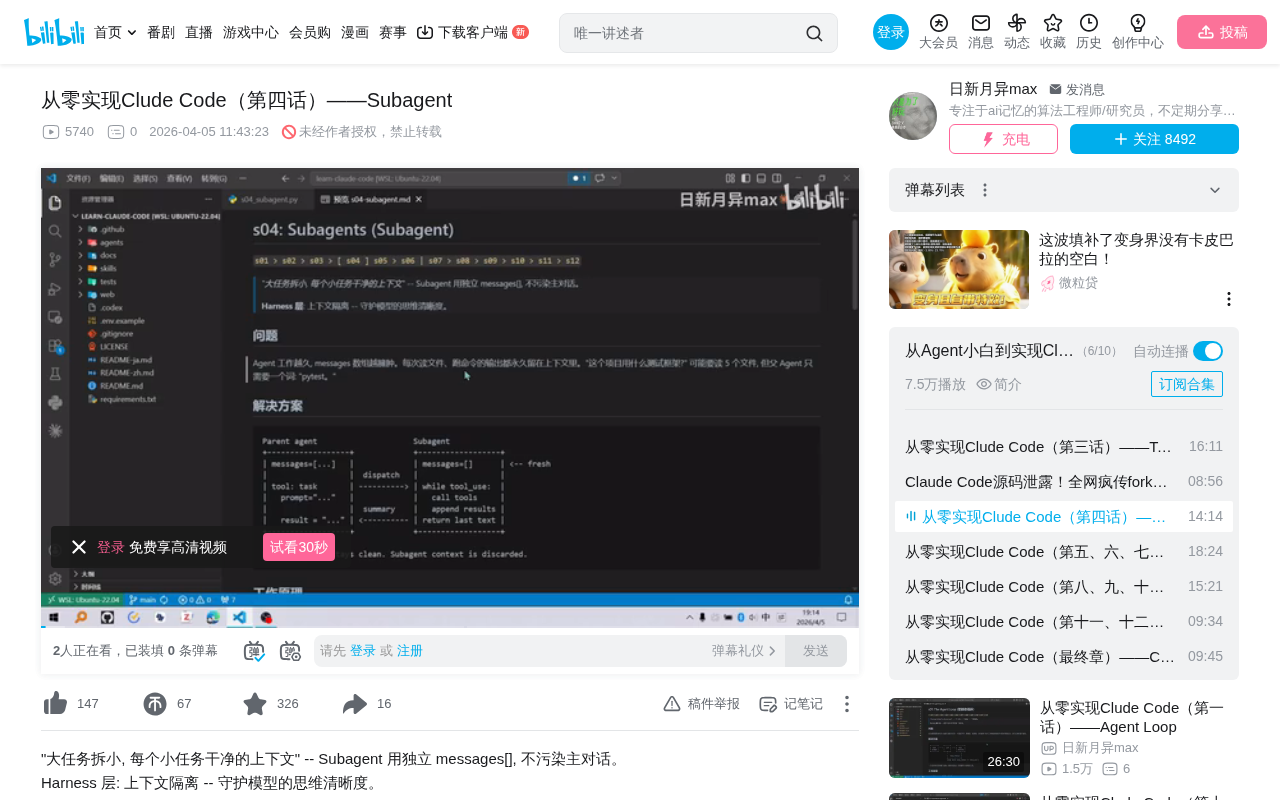
SubAgent Architecture: The Core Implementation for Context Isolation
Deep dive into SubAgent context isolation architecture, covering parent-child Agent roles, tool definitions, run_subagent implementation, and differences from TodoList and Agent Teams.
Read more →