#AutoGen
94 related articles
Tutorials
Building an Agent Framework from Scrat…
·2 min
Building an Agent Framework from Scratch: Breaking Down the Four Core Modules with Code Implementation
Learn how to split AI Agent capabilities into four modules—Tool Registry, Message Store, Agent Runtime, and Built-in Tools—and build a reusable, extensible Agent framework using Python decorators.
Read more →
Tutorials
AI Agent Learning Roadmap: From Beginn…
·3 min
AI Agent Learning Roadmap: From Beginner to Enterprise-Level Development in Three Months
A detailed three-month AI Agent learning roadmap covering LLM basics, ReAct paradigm, LangChain, memory mechanisms, tool calling, and multi-agent collaboration with practical project suggestions.
Read more →
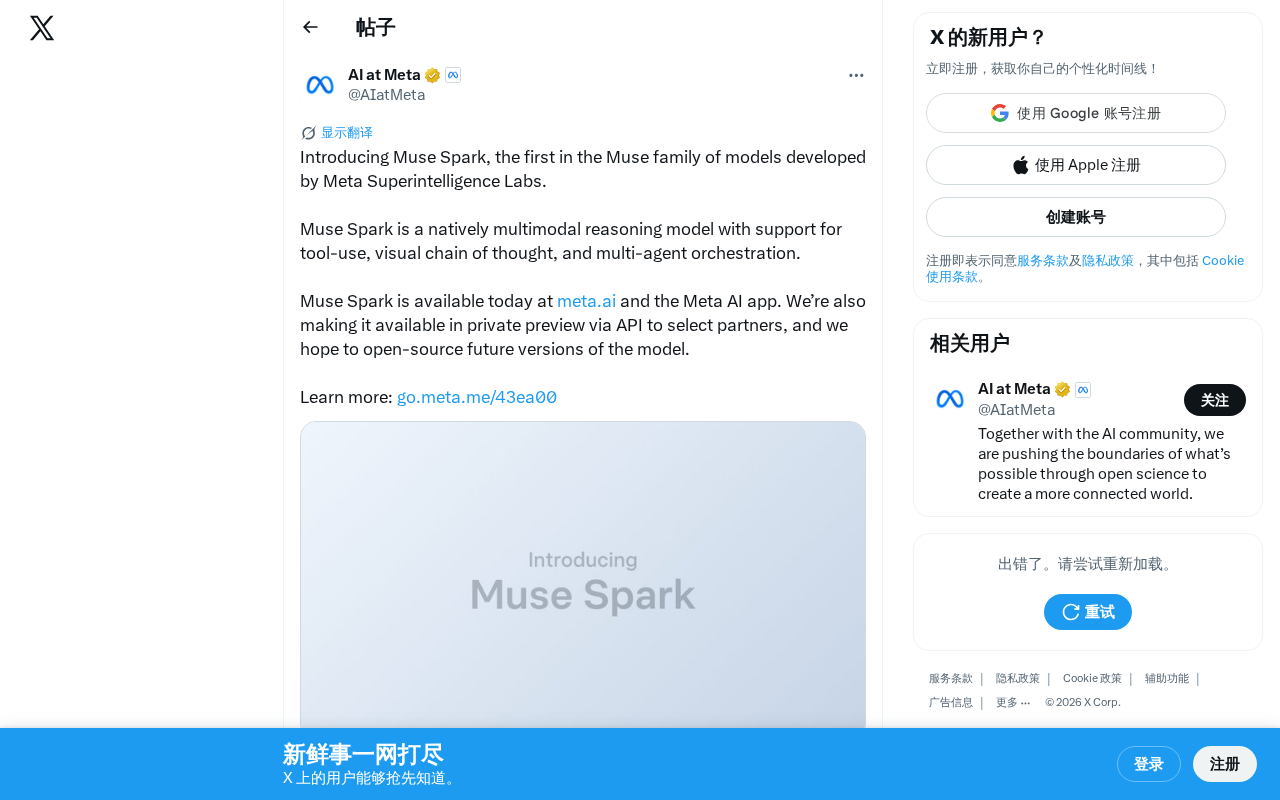 Tech Frontiers
·2 min
Meta Muse Spark Released: A Comprehensive Analysis of the Native Multimodal Reasoning Model
Meta Superintelligence Labs releases Muse Spark, a native multimodal reasoning model supporting visual chain of thought, tool-use, and multi-agent orchestration. Deep dive into its capabilities and competitive positioning.
Read more →
Tutorials
Harness Engineering: A Practical Guide…
·3 min
Harness Engineering: A Practical Guide to AI Programming — From Prompts to Mastery
Explore the three stages of AI programming evolution: from Prompt Engineering to Context Engineering to Harness Engineering. Master enterprise-grade AI coding with Cloud Code + VS Code.
Read more →
Product Reviews
Warp 2.0 Deep Dive: An AI Development …
·3 min
Warp 2.0 Deep Dive: An AI Development Environment with Multi-Agent Parallelism
Deep dive into Warp 2.0's Agent Development Environment (ADE): multi-agent parallel orchestration, terminal editor, AI coding platform, hands-on SaaS app building, and comparison with Cursor and Claude Code.
Read more →
 Tech Frontiers
·3 min
Tech Weekly: OpenAI Swarm Framework, Claude Data Visualization & Lightweight OS Analysis
This week's tech roundup analyzes OpenAI's Swarm Agent framework, Anthropic's Claude data visualization app, Kali Linux, Unikraft lightweight OS, and Go Blueprint — covering AI, security, and cloud computing.
Read more →
 Product Reviews
·2 min
14,000-Star Open Source Tool: Clone Any Website with One AI Command
Deep dive into Website Cloner, a 14,000+ Star open-source project that uses a four-step AI pipeline to clone any website into a runnable Next.js project with one command.
Read more →
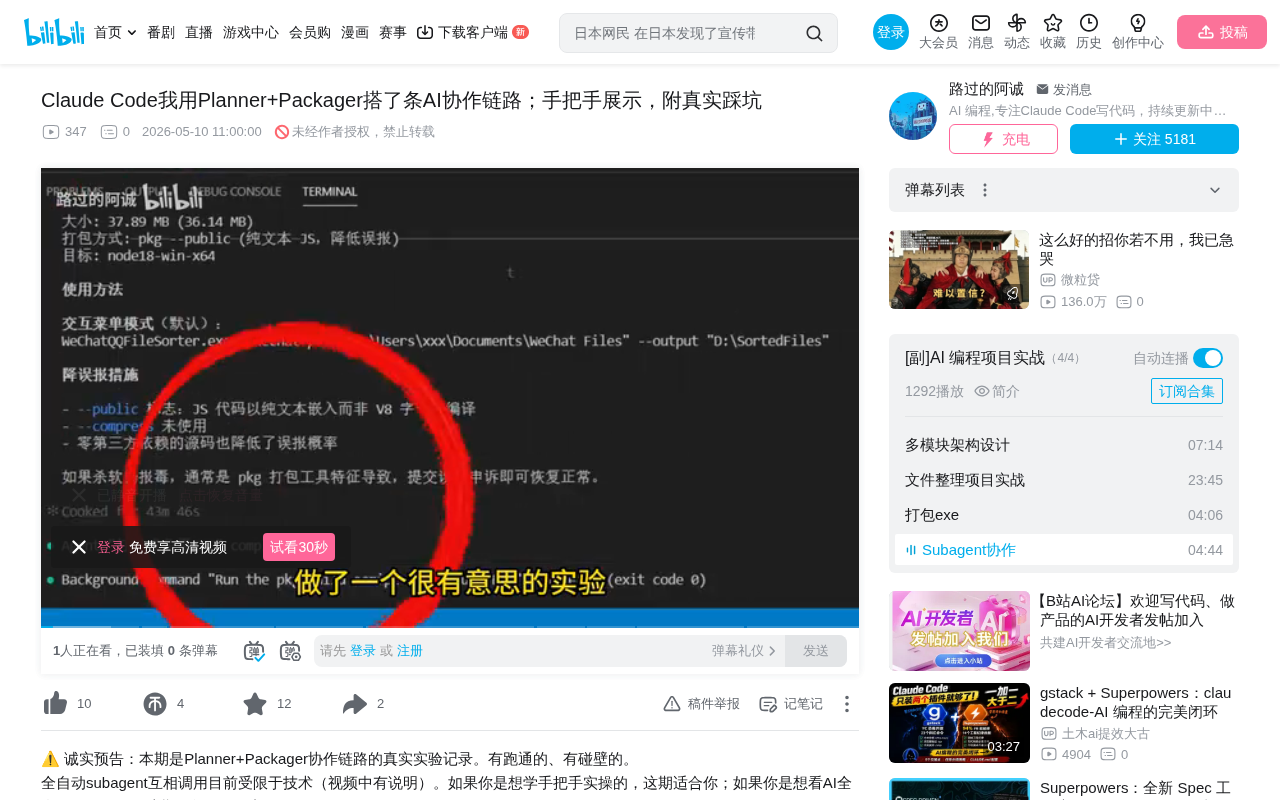 Tutorials
·2 min
Claude Code Multi-Agent Collaboration in Practice: Subagent Division of Labor and a Lite TARS Concept
Explore Claude Code multi-Agent collaboration with Planner+Packager Subagents for semi-automated project iteration, plus a lite TARS orchestration concept revealing Agent inter-calling limits.
Read more →
 Tutorials
·3 min
Building a Financial Report Analysis AI Agent with Cursor + Skills: A Step-by-Step Tutorial from Scratch
A hands-on tutorial for building a financial report analysis AI Agent from scratch using Cursor editor, Skills definitions, and MiniMax M2.1. Covers setup, architecture, Skills methodology, and multi-language programming.
Read more →
 Product Reviews
·3 min
AI Coding Tools Deep Dive: How to Choose Between Qoder, Cursor, Windsurf, and Devin
Deep comparison of Qoder, Cursor, Windsurf, and Devin across autonomy, reliability, and context capabilities to help developers choose the right AI coding assistant.
Read more →
 Tutorials
·3 min
Claude Agent SDK + LiteLLM + Local LLMs: Building a Zero-Cost AI Agent Platform
Learn how to redirect Claude Agent SDK API requests to local LLMs via LiteLLM Proxy, achieving zero-cost inference while retaining full agent framework capabilities.
Read more →
 Deep Dives
·2 min
AI Agent Development Methodology: A Complete Guide from ReAct to Enterprise-Grade Tech Stack
A deep dive into AI Agent development methodology, from the ReAct theoretical framework to a four-layer enterprise tech stack covering model services, Agent types, LangChain, and production deployment.
Read more →
 Deep Dives
·3 min
Claude Sub-agents vs Agent Teams: How to Choose Between Two AI Multi-Agent Collaboration Patterns
Deep comparison of Claude sub-agents vs agent teams: architecture differences, use cases, and real-world results. A Pokémon RPG case study shows how agent teams achieve 95%+ feature completeness.
Read more →
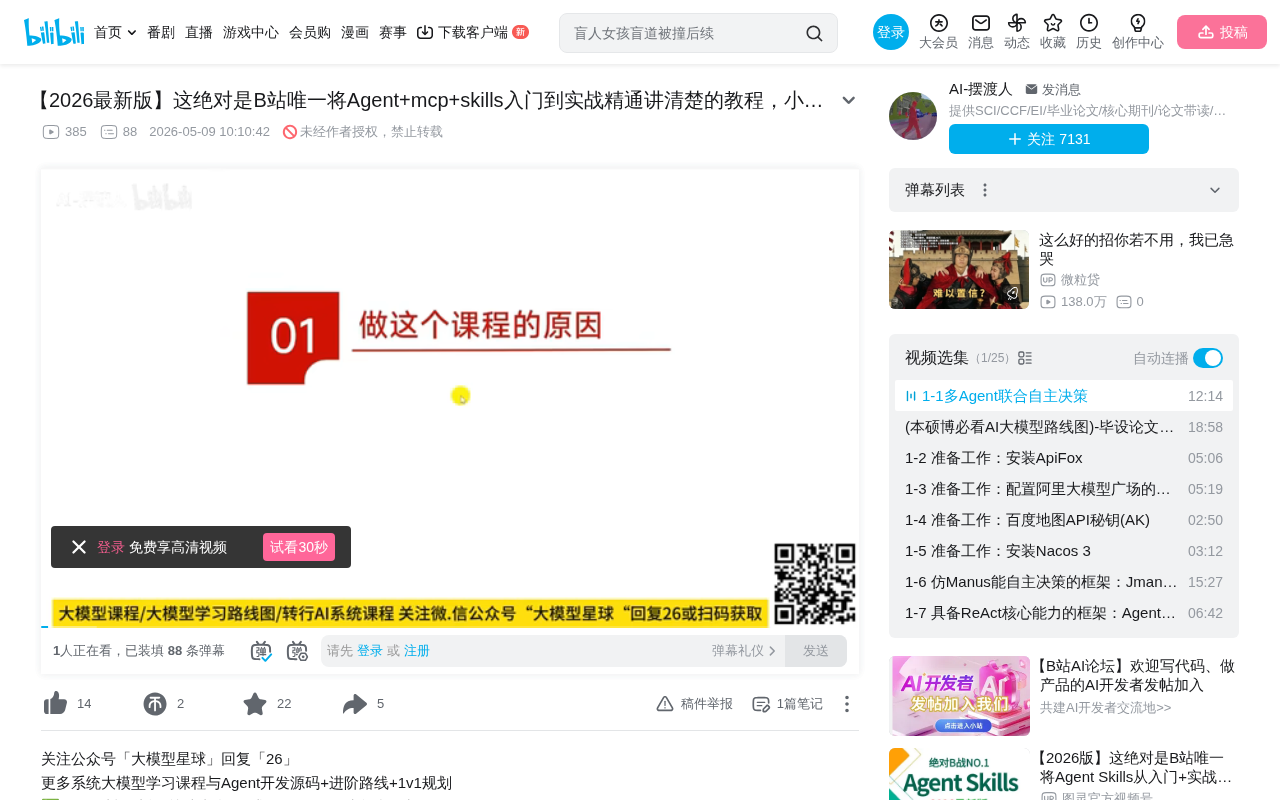 Deep Dives
·3 min
From Copilot to Agentic AI: Understanding AI's Evolution Through Four Stages
A systematic breakdown of AI's four-stage evolution from Chat Mode to Agentic AI, covering multi-agent architectures, ReAct framework, and MCP protocol.
Read more →
 Tutorials
·3 min
From Programmer to Agent Developer: A Detailed Four-Stage Learning Roadmap
A systematic four-stage learning roadmap for programmers transitioning to AI Agent development, covering core theory, ReAct and classic paradigms, Prompt engineering, and hands-on projects.
Read more →
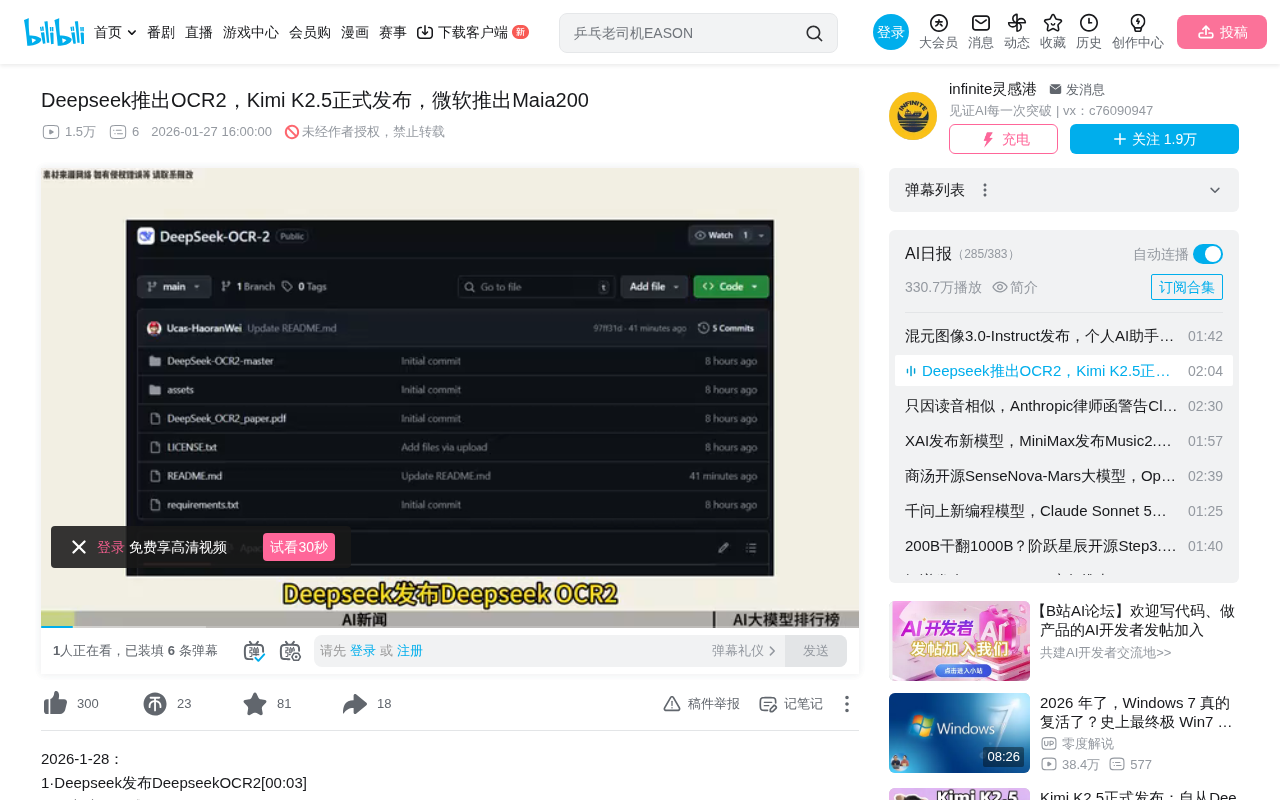 Tech Frontiers
·2 min
DeepSeek OCR2, Kimi K2.5, and Microsoft Maia 200 All Launched on the Same Day
DeepSeek releases OCR2 replacing CLIP with an LLM as visual encoder; Moonshot AI launches Kimi K2.5 with 100+ sub-agent cluster mode; Microsoft deploys 3nm Maia 200 chip; Alibaba releases Qwen3 Max Thinking.
Read more →
 Tutorials
·3 min
Complete Breakdown of Andrew Ng's Agent Course: A Practical Guide to the Five Core Modules of AI Agent Development
Deep dive into Andrew Ng's viral AI Agent course covering five core modules: Reflection, Planning, Tool Use, Multi-Agent Collaboration, and Memory, with practical learning paths for LLM agent development.
Read more →
 Deep Dives
·2 min
Agents Need Control Flow, Not More Prompts
Why do longer Prompts make AI Agents less stable? This article explains the control flow first architecture, replacing natural language control flow with code orchestration to boost multi-step reliability from 40% to over 90%.
Read more →
 Tech Frontiers
·3 min
Claude Code Sub-Agents and Cursor BugBot Launch: AI Programming Tools Get Major Upgrades
Anthropic adds custom sub-agents to Claude Code, Cursor launches code review Agent BugBot, Qwen releases 92-language translation model, and Google unveils three experimental AI products.
Read more →
 Tutorials
·2 min
The Three-Layer Pyramid Model for Agent Development: From Beginner to Industrial-Grade Deployment
Deep dive into the Three-Layer Pyramid Model for Agent development, covering autonomous agents, collaborative multi-agent systems, and universal orchestration agents with a complete learning path from beginner to industrial-grade deployment.
Read more →