#CI/CD pipeline
111 related articles
·4 min
Decoding Cursor's Developer Report: The Truth Behind a 46x Productivity Gap in AI-Powered Coding
Cursor's first developer report reveals a Gini coefficient far above warning levels, with the top 1% producing 46x more than the median. A deep dive into AI coding's brutal divide.
Read more →
·3 min
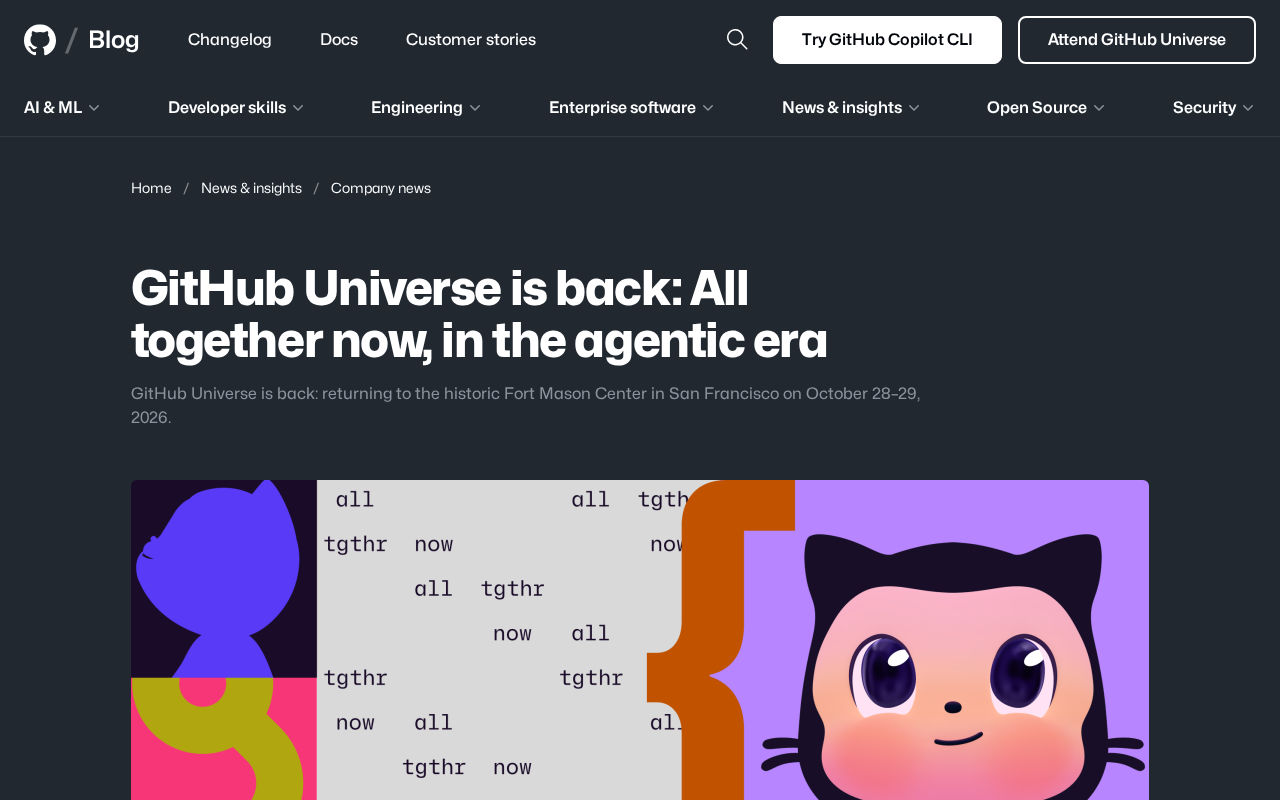
GitHub Universe 2026 Returns: Officially Entering the AI Agent Era
GitHub Universe returns Oct 28-29, 2026 at Fort Mason Center, San Francisco, themed around the Agentic Era. From Copilot to AI Agents, GitHub leads software development into autonomous intelligence.
Read more →
·1 min
Replit: The Evolution from AI Coding Tool to Startup Accelerator
Deep dive into how Replit eliminates dev friction and integrates AI Agent capabilities to help entrepreneurs go from idea to monetization fast.
Read more →

·2 min
One BaseURL to Access All AI Models: A Deep Dive into API Aggregation
Deep dive into how API aggregation platforms use a single BaseURL to access Claude, OpenAI, Gemini and all major AI models, covering intelligent routing, fault tolerance, team collaboration, and cost management.
Read more →
Complete Guide to Cursor AI's Seven Wo…
·4 min
Complete Guide to Cursor AI's Seven Work Modes: From Beginner to Power User
In-depth guide to Cursor AI's seven work modes: Plan, Debug, Multitask, Ask, Image, Skills, and MCP Servers, with practical demos and scenario selection tips.
Read more →
·3 min
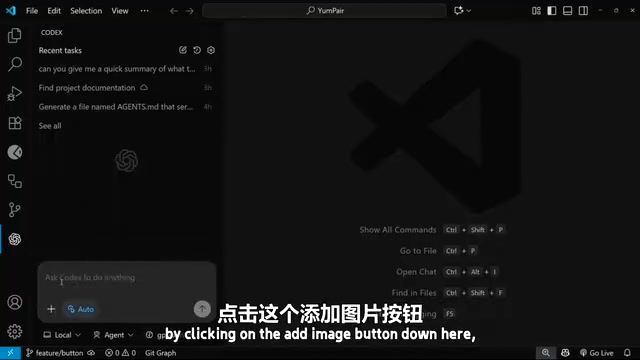
OpenAI Codex in Practice: Context References, Reasoning Levels, and TODO-to-Task Conversion Explained
A deep dive into three core OpenAI Codex extension features: adding prompt context with @ symbols and images, adjusting AI reasoning levels, and converting TODO comments into Codex tasks.
Read more →
·2 min
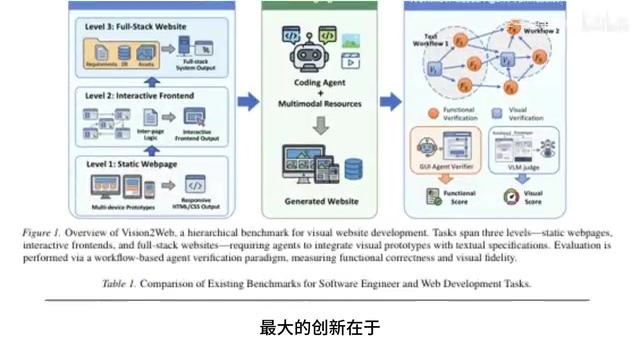
Tsinghua and Zhipu Release Full-Stack Web Dev Benchmark: Top AI Models Fail Spectacularly
Tsinghua and Zhipu AI release a full-stack web dev benchmark with three difficulty levels. Top models like Gemini 2.5 Pro see scores plummet from 63 to 11.7 on full-stack tasks, exposing AI's real limits.
Read more →

·3 min
OpenAI Researcher: Spec Documents Are the Real Code
OpenAI researcher Sean Grove argues code is only 10-20% of value—spec documents are the real source code. From Vibe Coding insights to model alignment, why writing specs will be the scarcest skill in the AI era.
Read more →
·2 min
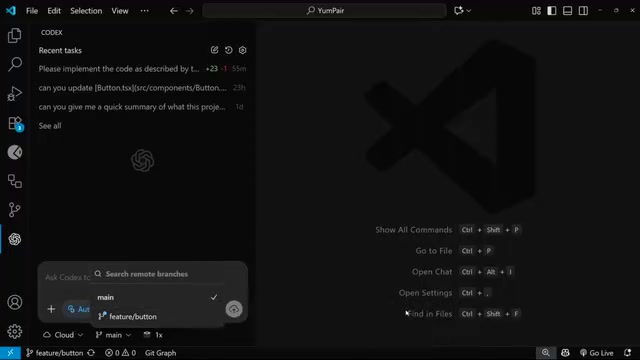
OpenAI Codex Cloud Task Delegation: The Complete Workflow from VS Code to PR
A detailed guide to OpenAI Codex extension's cloud task delegation, covering the complete workflow from initiating cloud coding tasks in VS Code to reviewing changes and creating Pull Requests.
Read more →

·2 min
OpenAI Codex Parallel Tasks in Practice: Multi-Task Concurrent Execution Tips and Best Practices
A detailed guide to OpenAI Codex Cloud parallel task execution, covering isolated container principles, concurrent UI component generation demos, merge conflict handling, and maintaining human review in AI programming.
Read more →
·3 min
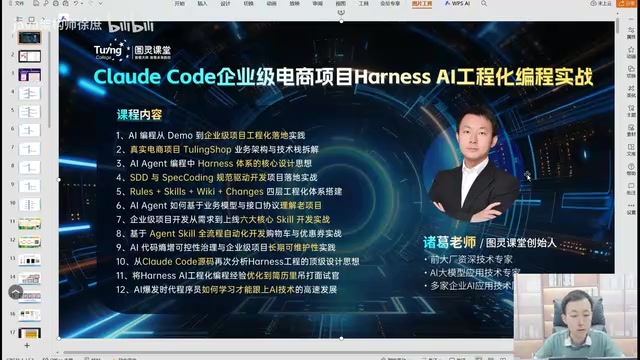
Claude Code Enterprise E-commerce in Practice: A Methodology for Taking AI Programming from Demo to Industrial-Grade
A deep dive into engineering methodology for enterprise e-commerce development with Claude Code and Harness AI, covering architecture, code quality, and CI/CD practices.
Read more →
·2 min
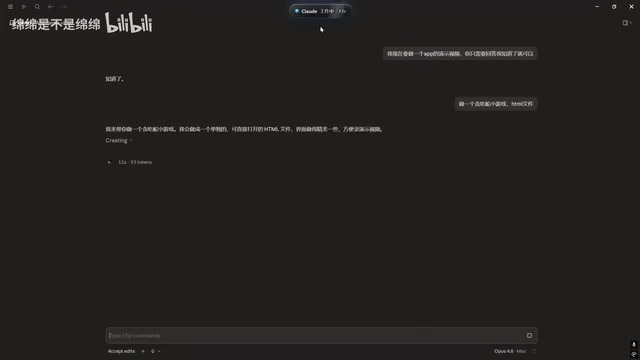
Claude Code Desktop Status Capsule: An Open-Source Widget for Real-Time AI Coding Status Monitoring
An open-source desktop status capsule that monitors Claude Code's idle, working, and completed states in real time, with multi-conversation management, memos, and music control for developers.
Read more →
·2 min
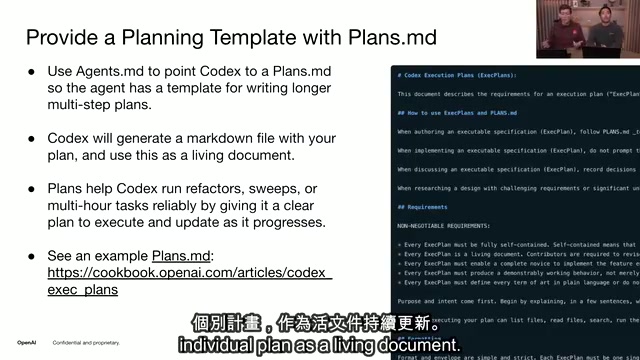
Complete Guide to OpenAI Codex: CLI Installation, VS Code Configuration & Practical Tips
Complete guide to OpenAI Codex setup: CLI installation, VS Code extension config, Agents.md best practices, MCP integration, and programmatic usage for efficient AI coding workflows.
Read more →
·4 min
Claude Code Practical Guide: Deep Dive into 7 Core Modules with Learning Path
Deep dive into Claude Code's 7 core modules: project integration, agent construction, multi-agent collaboration, plugin systems, and workflow automation, with learning tips and certification trends.
Read more →
·3 min
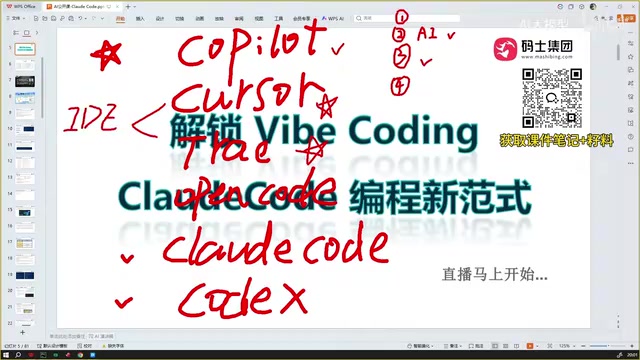
The Complete Guide to Claude Code: Five Stages of AI Programming Tools & Practical Applications
A deep dive into Claude Code's positioning and use cases, covering the five evolutionary stages of AI programming tools from traditional coding to autonomous agents.
Read more →
·3 min
Trae Agent Deep Dive: Hands-On Review of ByteDance's Open-Source AI Coding CLI Tool
Deep dive into ByteDance's open-source Trae Agent—a free MIT-licensed AI coding CLI tool. Covers installation, core features, run modes, and real-world performance vs Claude Code and Gemini CLI.
Read more →
·4 min
Full-Stack Development in a Todo App: 35 Core Technologies Every Programmer Should Know
Using a todo app's full development lifecycle as a guide, this article covers 35 core full-stack technologies from frontend to backend, databases, DevOps, cloud deployment, and scaling architecture.
Read more →
·3 min
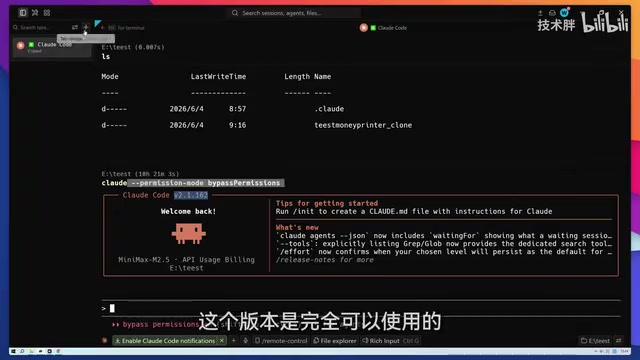
Claude Code Ultra Code in Practice: One Person Orchestrating 100+ Agents in Parallel Development
Learn how to use Claude Code's Ultra Code and Dynamic Workflow to orchestrate 100+ Agents in parallel, with Deep Research demos, token-saving tips, and workflow reuse methods.
Read more →
AI Coding Gone Wrong: A No-Code Writin…
·2 min
AI Coding Gone Wrong: A No-Code Writing Assistant and the Pitfalls to Avoid
A real-world account of building an AI writing assistant with zero code — featuring three crashes, a four-step delivery process, and hard-won lessons for Vibe Coding.
Read more →

·2 min
Advanced Claude Code: 5 Skill Techniques for Building Efficient AI Workflows
5 advanced Claude Code Skill techniques — Prompt Optimizer, Deep Interview, Real Plan, Code Simplifier, and Skill Creator — to build reusable AI workflows that reduce rework and boost precision.
Read more →