#YC
535 related articles
 Tech Frontiers
·2 min
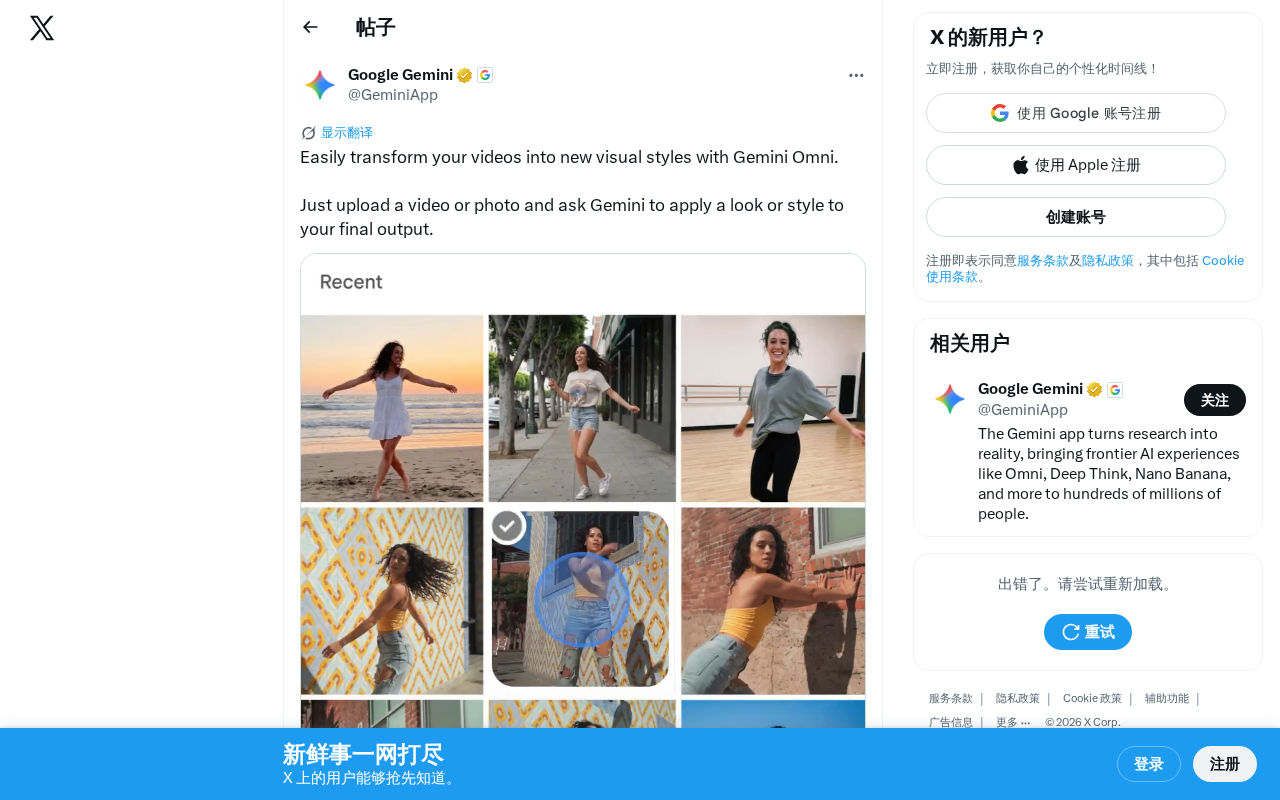
Gemini Omni Video Style Transfer: Change Video Visual Styles with Natural Language
Deep dive into Google Gemini Omni's video style transfer: transform videos into watercolor, cyberpunk, or Ghibli styles using natural language. Explore its technology, workflow, and competitive landscape.
Read more →
 Tutorials
·3 min
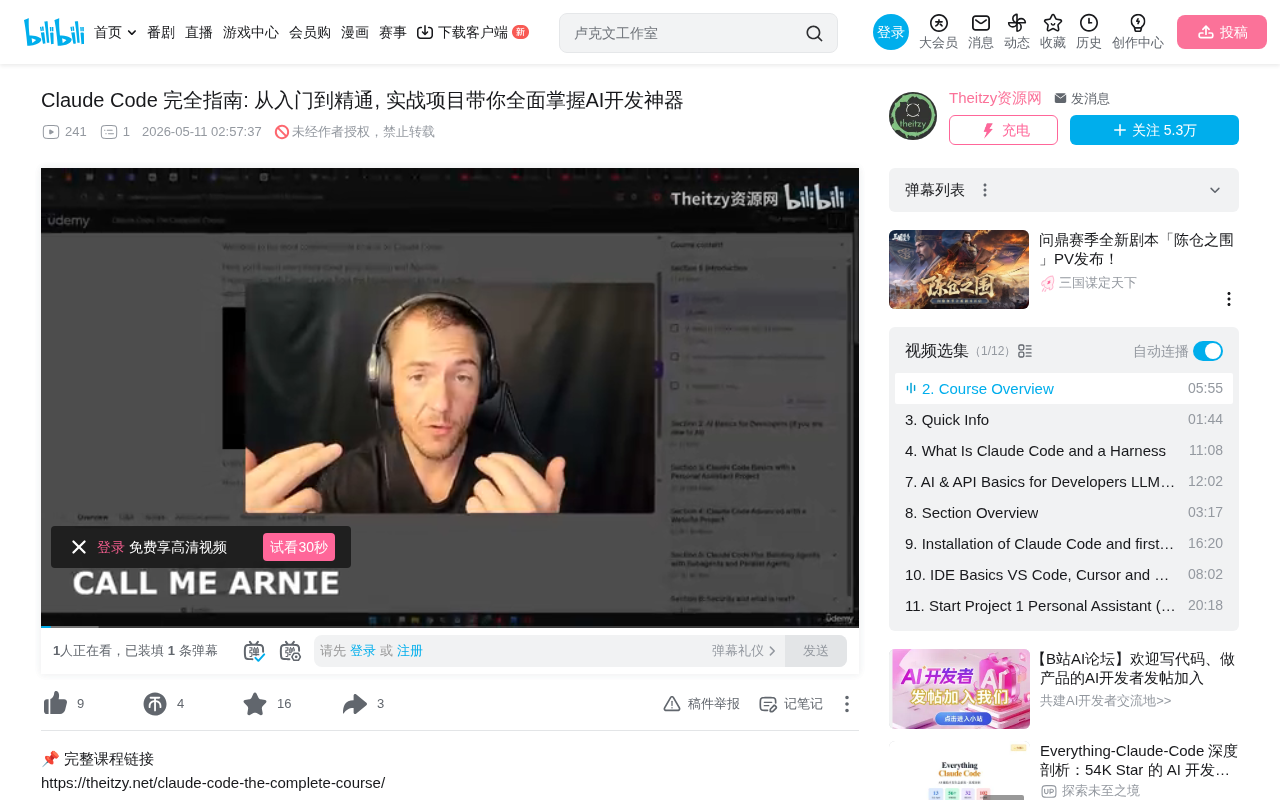
The Complete Guide to Claude Code: From Personal Assistant to AI Agent Development
A systematic breakdown of the Complete Guide to Claude Code course, covering context engineering, MCP protocol, claude.md configuration, multi-Agent architecture, and three progressive projects.
Read more →
 Deep Dives
·2 min
Agents Need Control Flow, Not More Prompts
Why do longer Prompts make AI Agents less stable? This article explains the control flow first architecture, replacing natural language control flow with code orchestration to boost multi-step reliability from 40% to over 90%.
Read more →
 Product Reviews
·3 min
Claude 4.5 vs Gemini 3 Pro: A Comprehensive Coding Showdown
In-depth comparison of Claude 4.5 vs Gemini 3 Pro across five benchmarks including ARC-AGI-V2, SWE-Bench, and Terminal Bench 2.0, revealing their real coding and reasoning strengths.
Read more →
 Tutorials
·3 min
From Traditional RAG to Agentic RAG: Principles Compared and Enterprise-Grade Implementation Guide
Deep dive into traditional RAG limitations and Agentic RAG upgrades, with ChatBox source code analysis covering core tool design, intelligent decision flows, and LangGraph implementation for enterprise deployment.
Read more →
 Deep Dives
·2 min
What Is the MCP Protocol? Understanding the USB-C of the AI World
MCP (Model Context Protocol) is a unified standard for connecting AI models to external tools. This guide explains MCP's core concepts, practical value, and provides a quick-start tutorial.
Read more →
 Product Reviews
·3 min
AI Agent Investment Research Showdown: ChatGPT vs. Kimi vs. Manus — Who Delivers Better Financial Analysis?
Testing ChatGPT, Manus, and Kimi on the same investment analysis task reveals how multi-agent architecture, fault tolerance, and parallel workflows define the real capability boundaries of AI Agents in professional finance.
Read more →
 Product Reviews
·3 min
Google AI Studio Build 2.0 Deep Dive: A Comprehensive Breakdown of Five Core Upgrades
Deep dive into Google AI Studio Build 2.0's major upgrade: Anti-Gravity agent, Firebase integration, full-stack support, server-side generation, and multi-framework options transforming this free AI coding platform.
Read more →
 Tutorials
·3 min
Agent Skills Decision Trees: Enabling Autonomous Decision-Making for AI Coding Assistants
Learn how to embed decision tree logic in Agent Skills to give AI coding assistants like Antigravity and Claude Code autonomous decision-making. Includes a Code Review Router case study with complexity scoring and failover.
Read more →
 Tutorials
·2 min
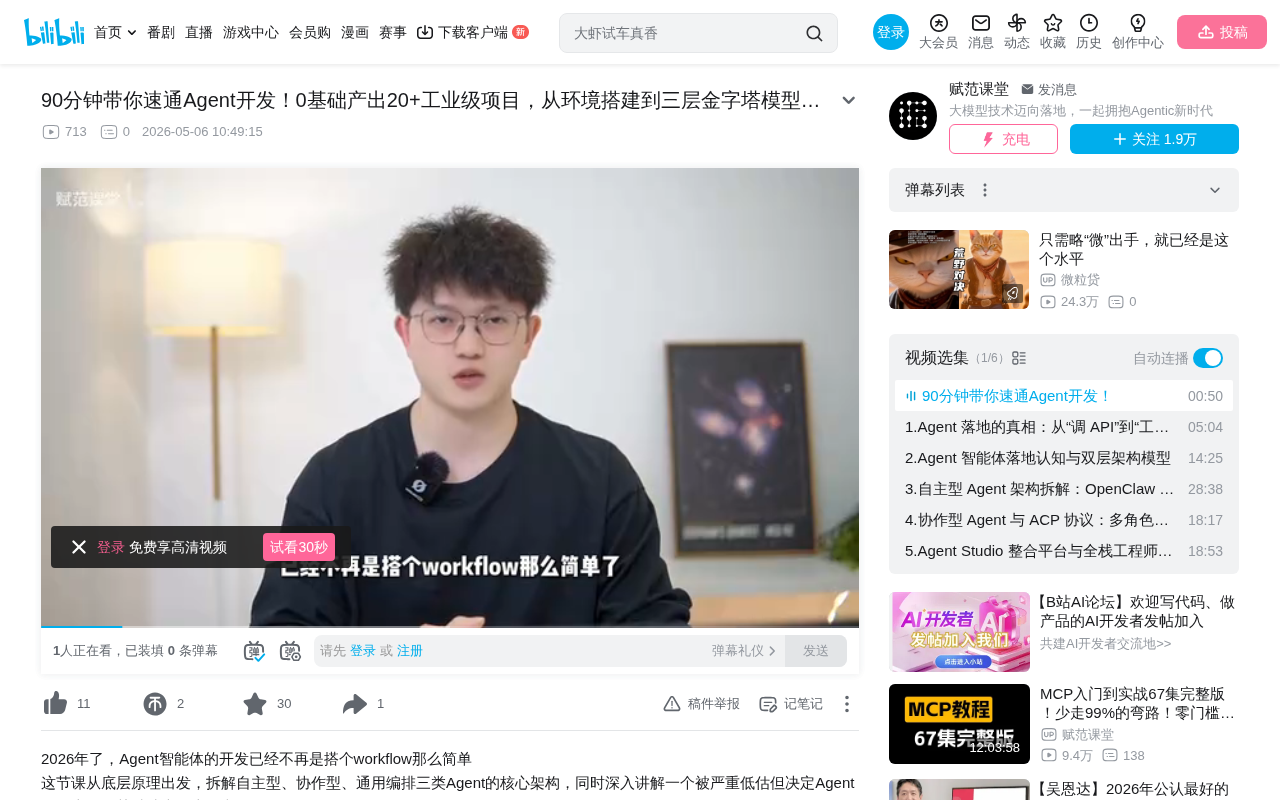
The Three-Layer Pyramid Model for Agent Development: From Beginner to Industrial-Grade Deployment
Deep dive into the Three-Layer Pyramid Model for Agent development, covering autonomous agents, collaborative multi-agent systems, and universal orchestration agents with a complete learning path from beginner to industrial-grade deployment.
Read more →
 Tutorials
·3 min
LangChain Core Concepts Explained: A Complete Guide to Components, Chains, and Agents
Deep dive into LangChain's three core concepts—Components, Chains, and Agents. Learn how this open-source framework connects LLMs to the external world and helps developers build enterprise AI apps.
Read more →
 Tutorials
·2 min
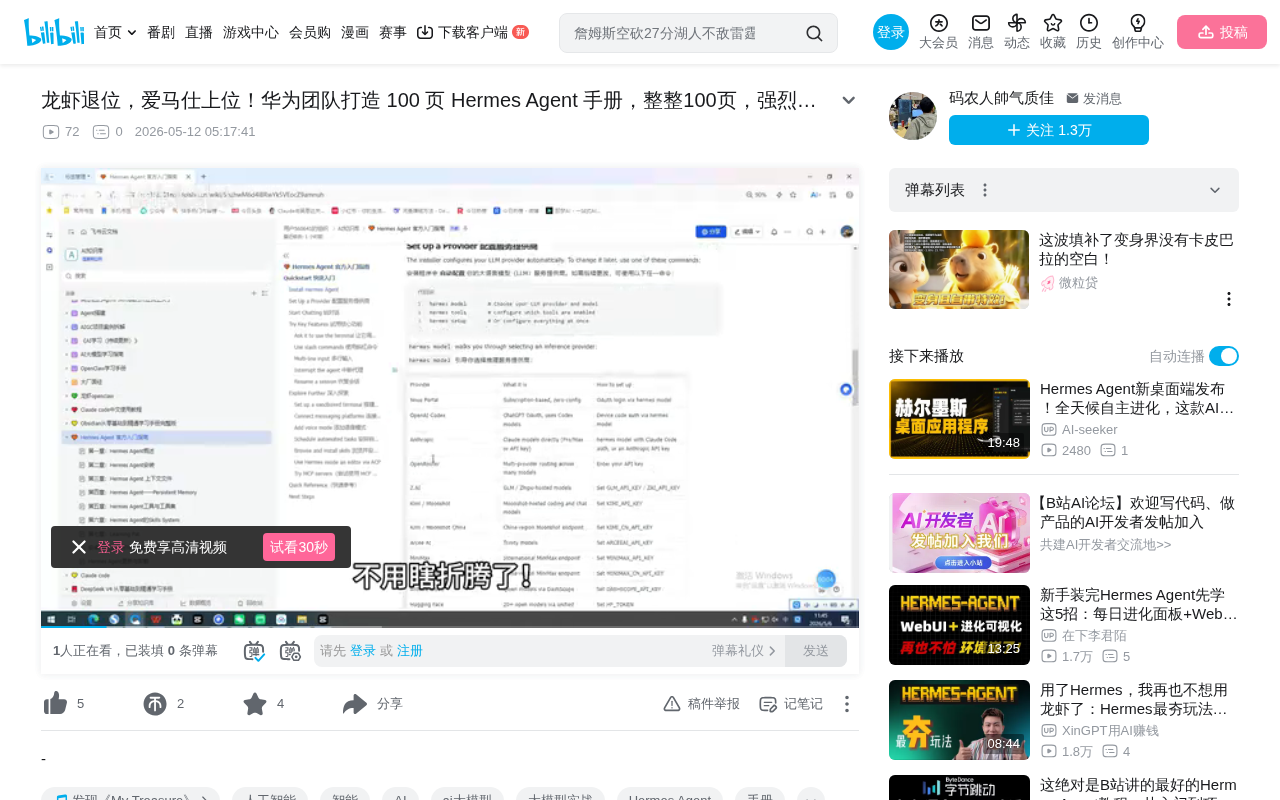
Huawei Hermes Agent Manual Explained: Five-Layer Memory Architecture and Multi-Agent Collaboration in Practice
Deep dive into Huawei's 100-page Hermes Agent manual: five-layer memory architecture solving AI amnesia, self-evolution loops for continuous optimization, and multi-agent collaboration engineering.
Read more →
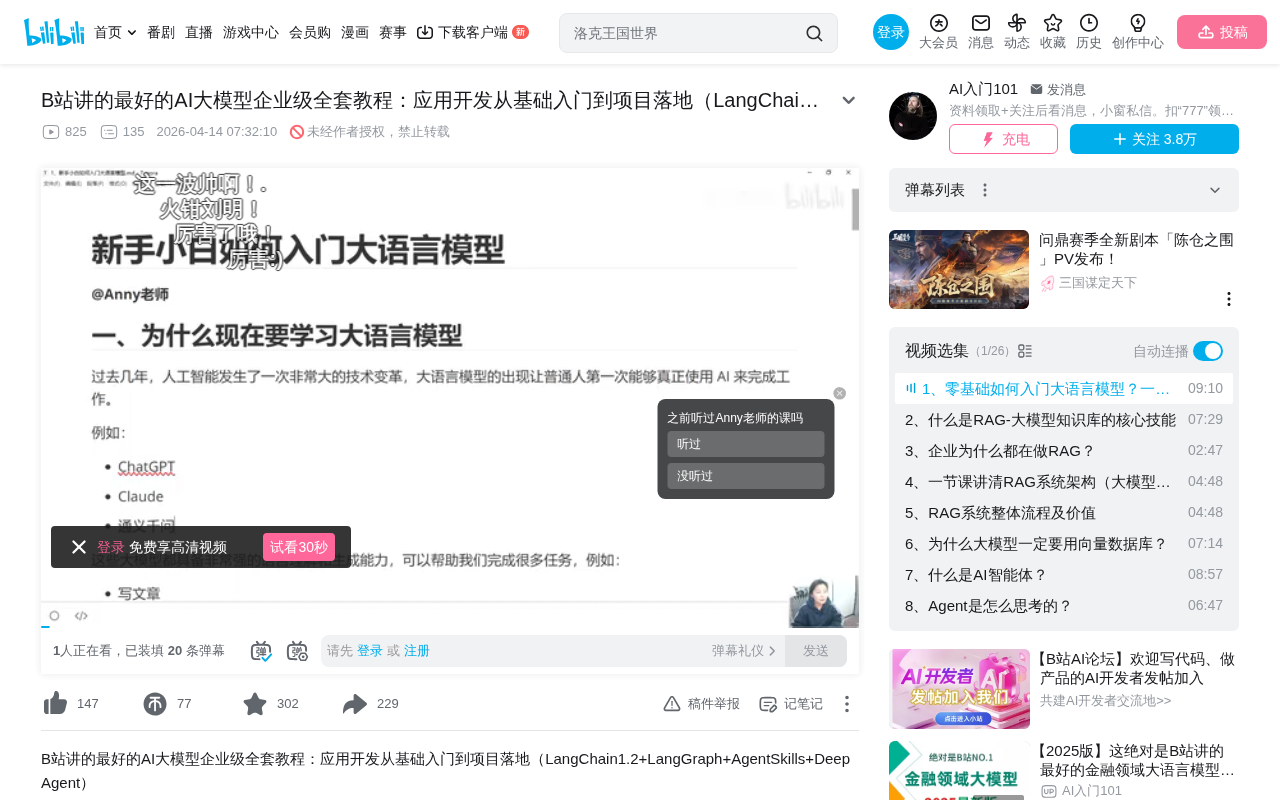 Tutorials
·3 min
Getting Started with LLM Application Development from Scratch: A Complete Guide to Learning Paths and Career Directions
A complete beginner's guide to LLM application development: learn the three key directions (API calling, RAG, Agent), master frameworks like LangChain, and follow a step-by-step learning path to become an AI application developer.
Read more →
 Tutorials
·3 min
Learning LLM Application Development from Scratch: A Complete Roadmap from RAG to Agent
How to start LLM application development from scratch? A complete roadmap covering Python basics, RAG knowledge bases, and Agent development with LangChain.
Read more →
 Tutorials
·3 min
Deep Agents: Enterprise-Grade Agent Engineering and Deep Research Implementation Guide
Learn how the Deep Agents framework solves enterprise AI Agent challenges like tool sprawl and context pollution, with a complete Deep Research implementation guide covering task decomposition, multi-source integration, and structured report generation.
Read more →
Tutorials
GStack Tutorial: 23 Commands That Give…
·3 min
GStack Tutorial: 23 Commands That Give One Person an Entire AI Development Team
Deep dive into GStack, the open-source toolkit by YC President Gary Tan. 23 slash commands turn Claude Code into a full AI dev team covering product decisions to deployment.
Read more →
Tutorials
Running AI Models on a P106 Mining GPU…
·3 min
Running AI Models on a P106 Mining GPU: Build a Local AI Workstation for Under $10
Build a local AI workstation with a P106 mining GPU for under $10. Run Live Portrait and other AI models locally with full privacy, zero marginal cost, and incredible value.
Read more →
Tutorials
Enterprise AI Agent Four-Layer Archite…
·3 min
Enterprise AI Agent Four-Layer Architecture Design and PDCA Continuous Optimization Practical Guide
Deep dive into enterprise AI Agent four-layer architecture design (User, Gateway, Agent Service, Capability layers) with PDCA optimization methodology and dual manual+automated evaluation for production-grade Agent systems.
Read more →
Tutorials
Agent Loop Explained: Solving Code Ref…
·3 min
Agent Loop Explained: Solving Code Refactoring Pain Points with the ReAct Pattern
Deep dive into Agent Loop, the core mechanism of AI coding tools. Learn how the ReAct pattern's reason-act-observe cycle enables autonomous multi-step code refactoring.
Read more →
Deep Dives
Getting Started with RAG: A Complete G…
·3 min
Getting Started with RAG: A Complete Guide from LLM Hallucinations to Retrieval-Augmented Generation
A deep dive into RAG (Retrieval-Augmented Generation) technology, covering LLM hallucinations, data staleness, and limited expertise, plus RAG workflows, core components, and LangChain learning paths.
Read more →