#chain of thought
46 related articles
·4 min
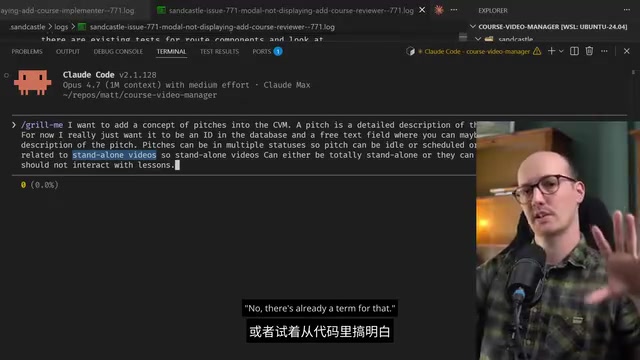
Grill With Docs: Doubling AI Programming Collaboration Efficiency with a Unified Language
From Grill Me to Grill With Docs: applying DDD's Ubiquitous Language to solve terminology drift and context loss in AI programming for efficient cross-session collaboration.
Read more →
·4 min
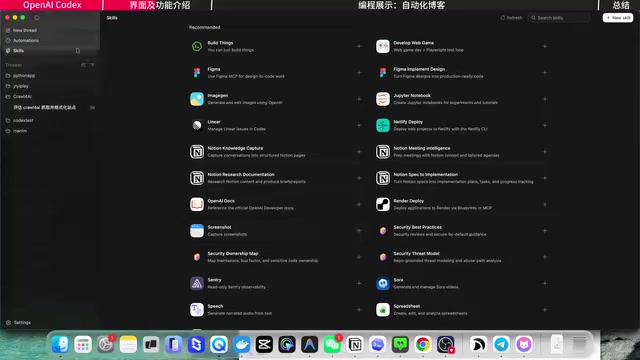
OpenAI Codex Desktop Experience: A Zero-to-Hero Guide for AI Programming
A detailed hands-on experience with OpenAI Codex Desktop, covering interface features and real-world examples. Free users can try it now with parallel tasks and natural language programming.
Read more →
·4 min
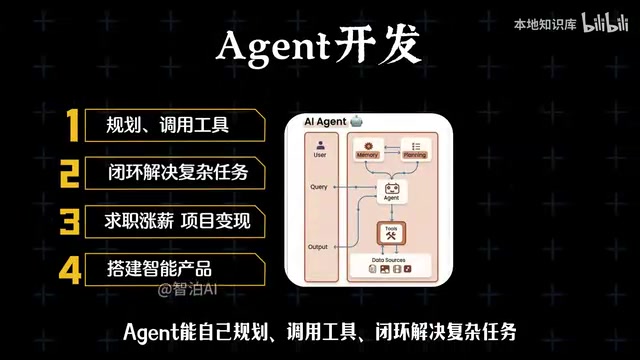
Agent Development Learning Roadmap: A Four-Stage Systematic Guide from Beginner to Practitioner
A systematic four-stage learning roadmap for AI Agent development, covering core concepts, classic paradigms like ReAct, multi-agent collaboration frameworks, and hands-on projects to master Agent development skills in 2-3 months.
Read more →

·4 min
The 8 Core Modules of Prompt Engineering: A Complete Guide from Fundamentals to Advanced Techniques
A systematic breakdown of the 8 core modules of prompt engineering, covering fundamentals, CoT, Few-shot, prompt security, and real-world AI applications.
Read more →
·3 min
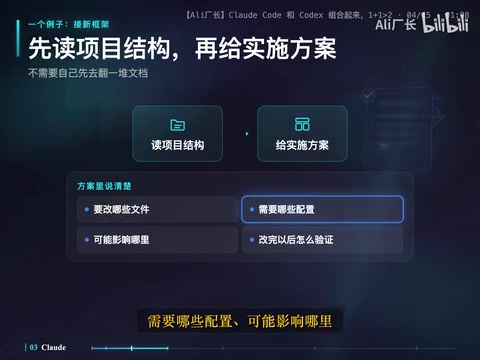
Claude Code + Codex: The Best Practice of One-Writes-One-Reviews AI Programming
A detailed guide on using Claude Code for writing and Codex for reviewing in AI programming. Includes a five-step closed-loop workflow and cross-validation techniques.
Read more →
Is Claude Opus 4.8 Real? Risk Analysis…
·2 min
Is Claude Opus 4.8 Real? Risk Analysis of No-VPN AI Platforms
In-depth analysis of viral Claude Opus 4.8 no-VPN tutorials on Bilibili, exposing fake model versions, third-party platform security risks, and legitimate ways to access international AI models.
Read more →
The Five-Layer Evolution of Scaling La…
·2 min
The Five-Layer Evolution of Scaling Law: How Physical AI Opens the Next Growth Curve
Deep analysis of Scaling Law's five-layer evolution from Pre-Training to Multi-Agent, exploring Physical AI's World Models, edge inference, and emotional interaction.
Read more →
AI Agent Core Architecture Explained: …
·4 min
AI Agent Core Architecture Explained: A Deep Dive into the Four Key Modules — Perception, Brain, Action, and Memory
Deep dive into AI Agent architecture: explore the four core modules — Perception, Brain, Action, and Memory — covering RAG, tool calling, Chain of Thought, and more.
Read more →
AI Agent Development Learning Roadmap:…
·4 min
AI Agent Development Learning Roadmap: A Complete Four-Stage Plan from Zero to Production
A systematic AI Agent development learning roadmap covering LLM API calls, ReAct framework, memory mechanisms, and multi-agent collaboration across four stages with timeline and project suggestions.
Read more →
AI Agent Development Learning Roadmap:…
·3 min
AI Agent Development Learning Roadmap: A Complete Four-Stage Guide from Beginner to Practitioner
A systematic AI Agent development learning roadmap covering core concepts, ReAct/CoT paradigms, multi-agent collaboration, and hands-on projects across four stages.
Read more →
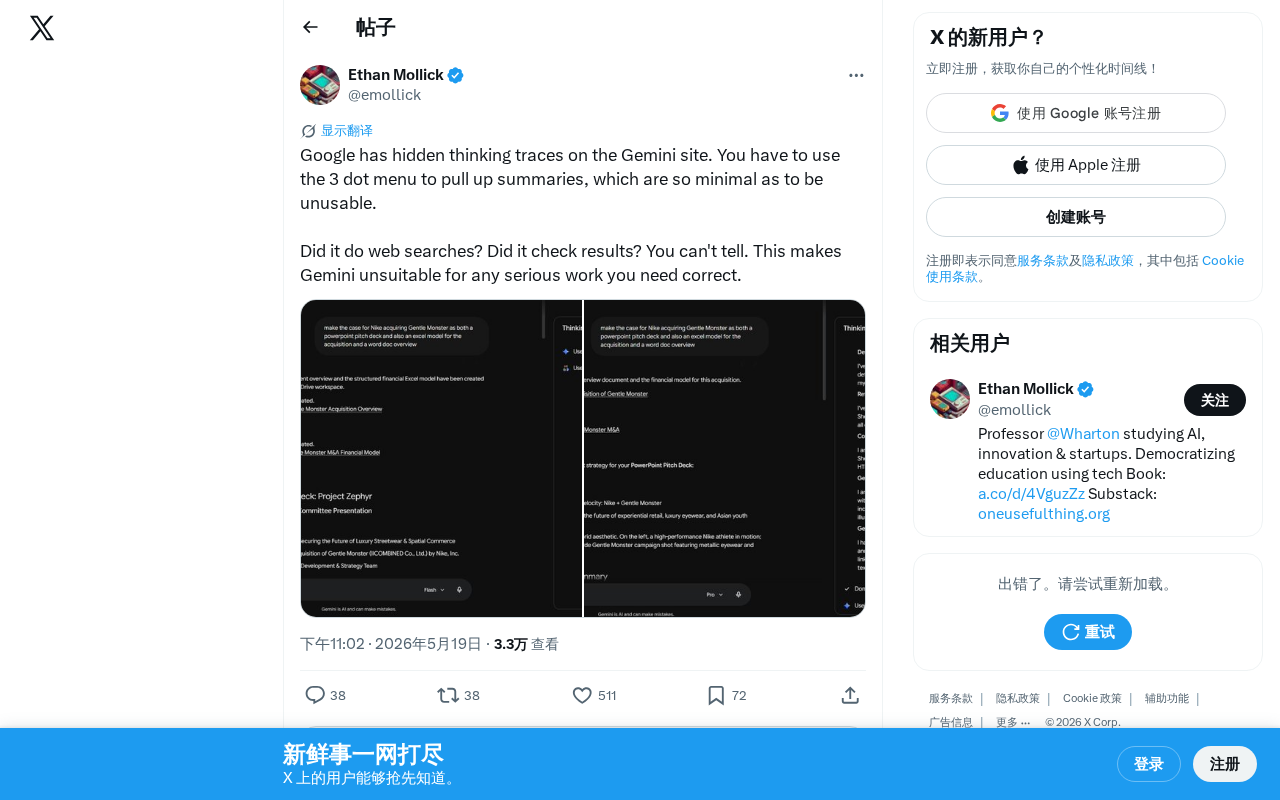
·2 min
Google Hides Gemini's Chain of Thought: Why This AI Transparency Rollback Is Sparking Controversy
Google now hides Gemini's thinking process by default, preventing users from verifying reasoning logic and search behavior. We analyze why this transparency rollback matters and how it compares to ChatGPT and Claude.
Read more →
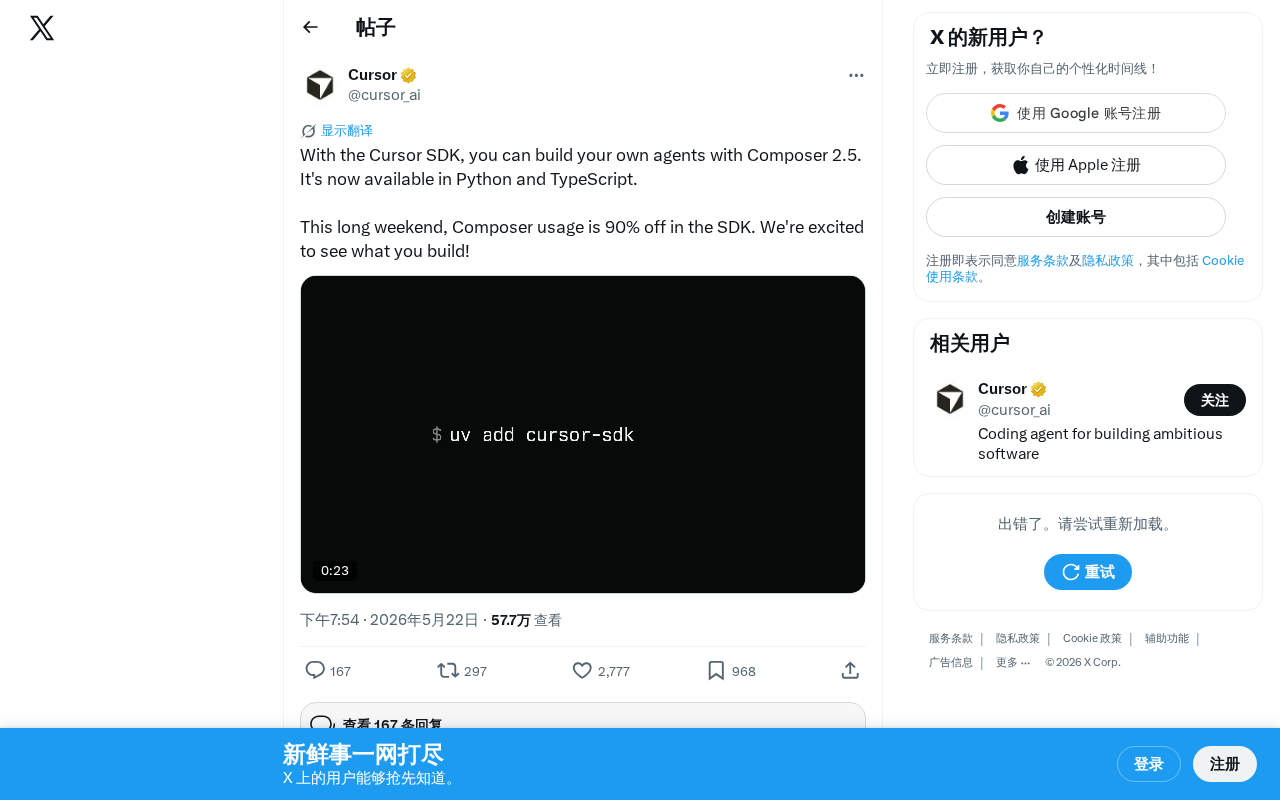
·2 min
Cursor Releases Official SDK: Build Custom AI Agents with Python and TypeScript Based on Composer 2.5
Cursor officially releases its SDK supporting Python and TypeScript, letting developers build custom AI Agents on Composer 2.5. Explore core capabilities, use cases, and a limited 90% discount.
Read more →
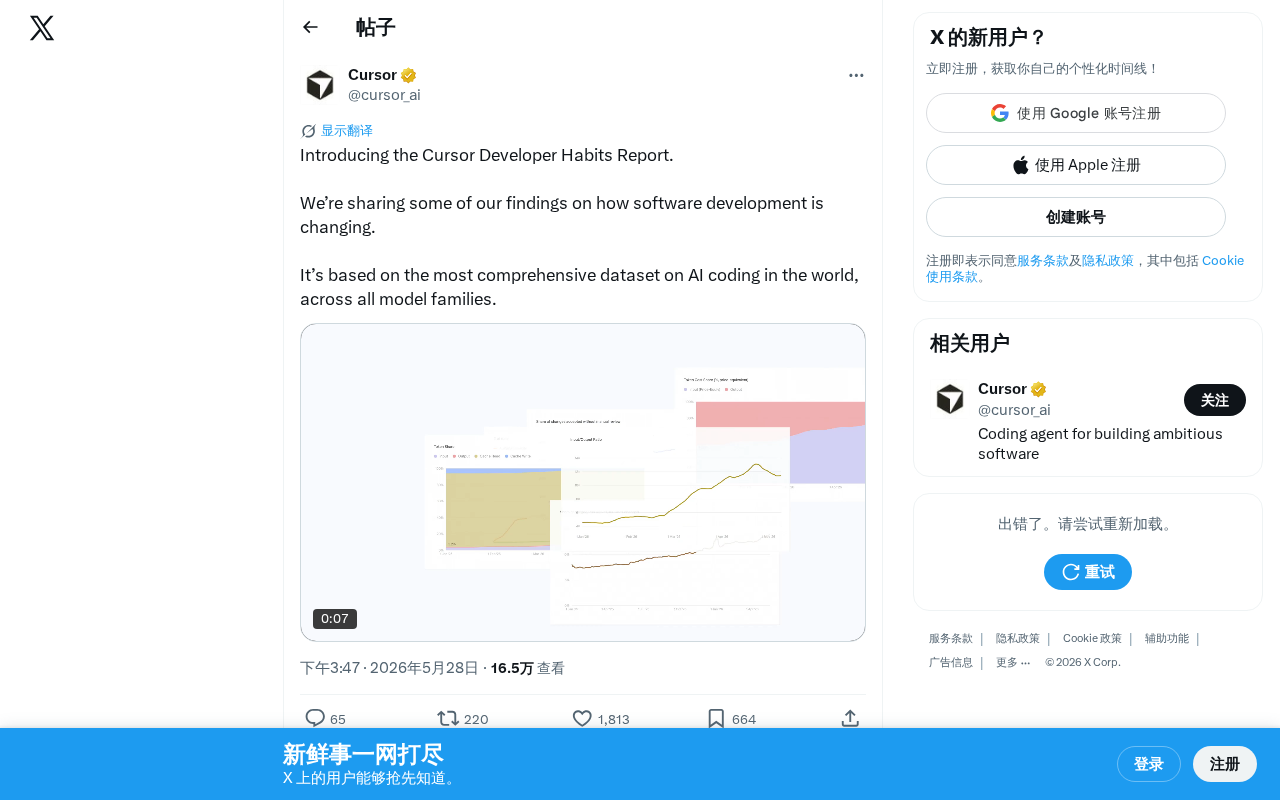
·2 min
Interpreting Cursor's Developer Habits Report: AI Programming Is Reshaping Software Development
Cursor releases its Developer Habits Report based on the world's most comprehensive AI programming dataset. This article analyzes how AI is reshaping software development workflows and model strategies.
Read more →
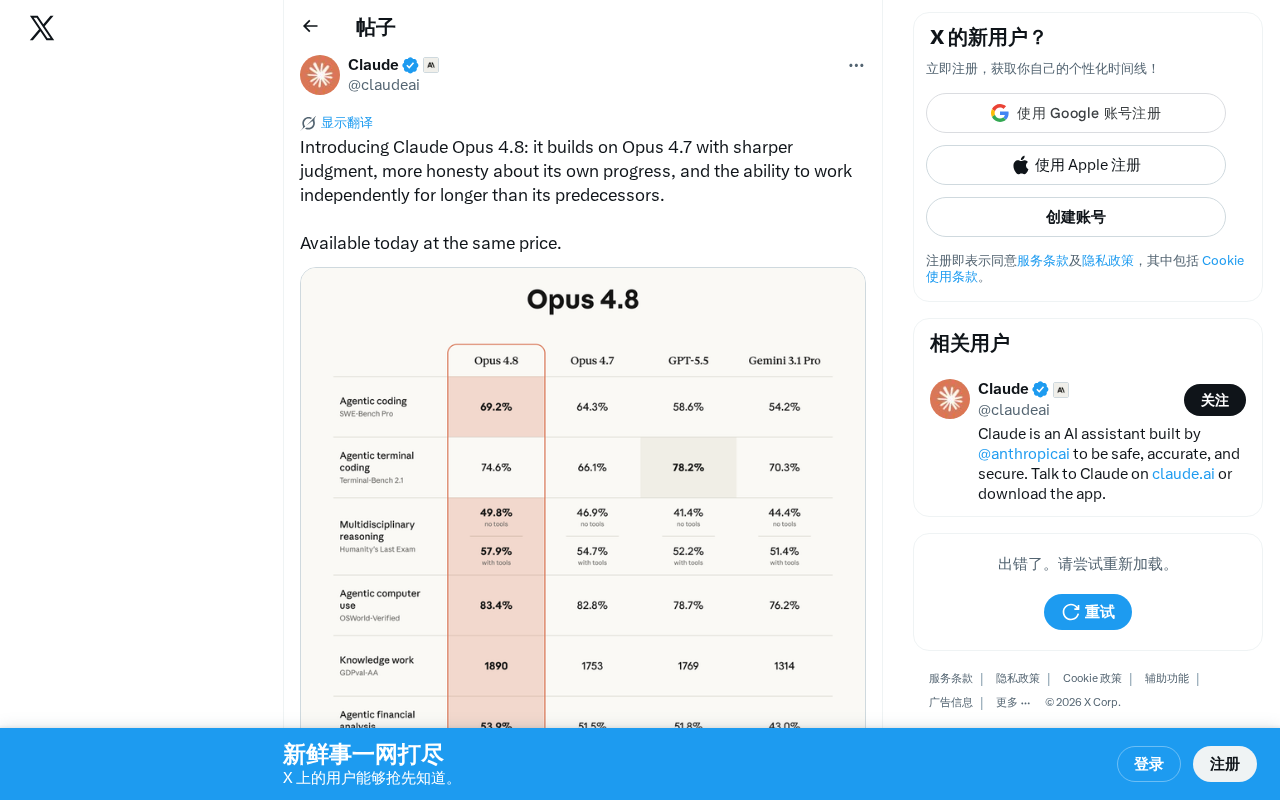
·3 min
Claude Opus 4.8 Released: Comprehensive Upgrades in Judgment, Honesty, and Autonomous Work Capabilities
Anthropic releases Claude Opus 4.8 with three core upgrades: sharper judgment, more honest self-awareness, and longer independent work duration — all at the same price.
Read more →
 Tutorials
·3 min
ReAct vs. CodeAct: Two Core Approaches to Agent Tool Calling
In-depth comparison of ReAct and CodeAct — two core Agent tool-calling architectures. From paper principles to code implementation, learn the trade-offs between reasoning+action and code execution.
Read more →
 Tutorials
·2 min
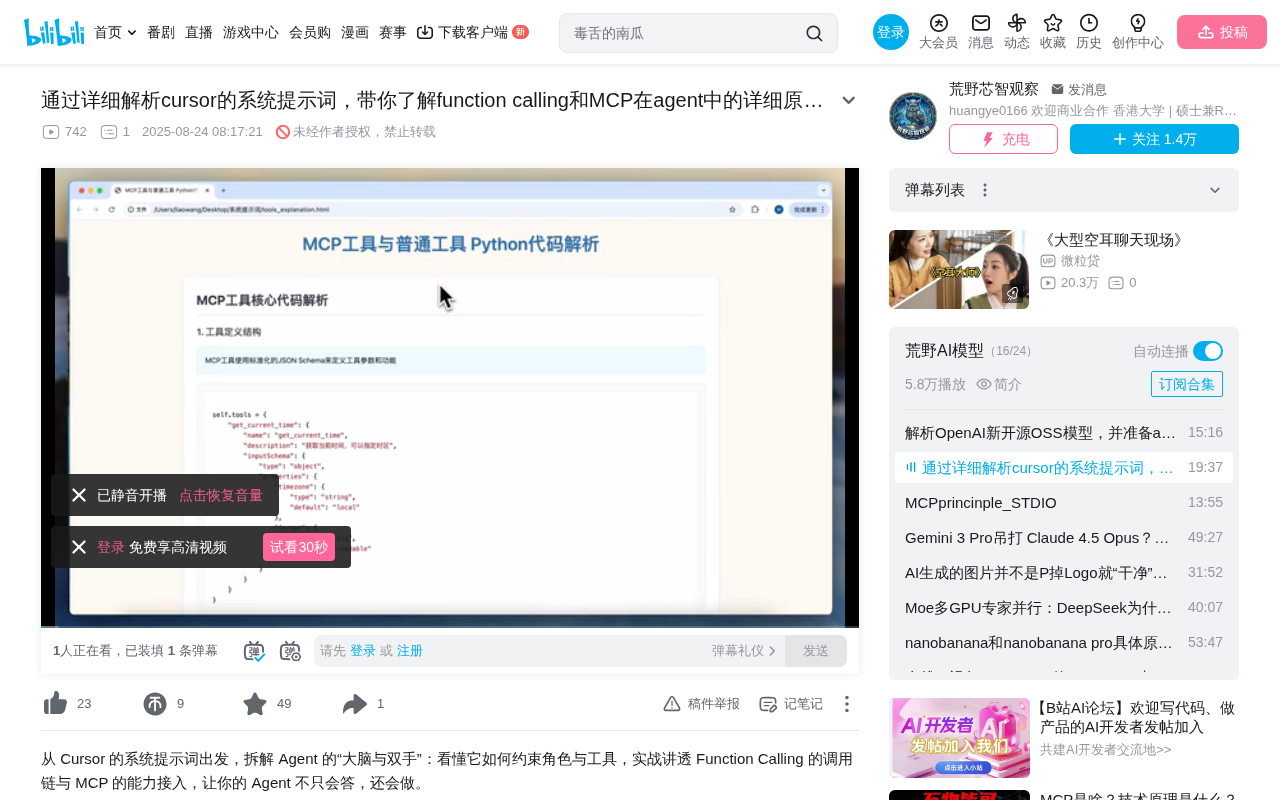
Understanding Function Calling and MCP Through Cursor's System Prompt
Deep dive into Function Calling and MCP working principles through Cursor editor's system prompt analysis, comparing regular tools vs MCP tools and testing Agent capabilities across model sizes.
Read more →
 Product Reviews
·4 min
Lark CLI: A Deep Dive into Feishu's Open-Source AI Agent Command-Line Tool
Lark CLI is Feishu's official open-source CLI tool designed for AI Agents, offering 200+ commands across 17 business domains with 24 structured Skills for messaging, docs, spreadsheets, calendars, and more.
Read more →
 Deep Dives
·4 min
Is Context Engineering the Core of Agent Development? A Deep Dive into Architecture and Practical Solutions
Deep dive into context engineering as the core of Agent development, covering five context modules, four pain points, and dynamic assembly solutions including compression, hybrid retrieval, multi-Agent architecture, and state machine control.
Read more →
 Tutorials
·3 min
Claude Code with GLM 4.6: A Guide to Deploying a Programming Agent with Chinese Domestic Models
A detailed guide on deploying Claude Code programming Agent with Zhipu GLM 4.6, covering installation, model replacement, commands, thinking modes, and SubAgent parallel development.
Read more →
 Tutorials
·2 min
Qwen3 Free Coding in Practice: Building Full-Stack Apps with Cline
A hands-on guide to using Qwen3 for free via OpenRouter API and Ollama local deployment, paired with Cline coding agent for full-stack development tasks.
Read more →