#context window limitation
48 related articles
·3 min
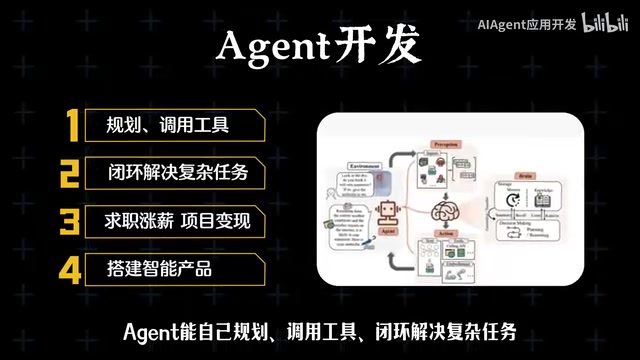
AI Agent Development Learning Roadmap: A Complete Four-Stage Guide from Beginner to Practitioner
A systematic AI Agent development learning roadmap covering core concepts, ReAct/CoT paradigms, multi-agent collaboration, and hands-on projects across four stages.
Read more →

·3 min
LangChain from Beginner to Agent Development: A Complete Learning Path for LLM Application Development
A systematic guide to LangChain LLM application development, covering environment setup, core components (RAG, Chain, Memory), and Agent development to help developers master LLM app building.
Read more →

·4 min
7 Core Features of Hermes Agent Explained: The Real Reasons Users Are Abandoning OpenCore
Deep dive into Hermes Agent's 7 core features including Kanban multi-tasking, /goal deep execution, and multi-agent architecture, compared with OpenCore's stability and performance issues.
Read more →
 Tutorials
·4 min
Claude Code Agent Architecture Source Code Deep Dive: Agent Loop and Tool System in Practice
Deep dive into Claude Code's four core agent modules: system prompt, Agent Loop, tool system, and memory mechanism. Build a Mini Claude Code from scratch in TypeScript.
Read more →
 Expert Opinions
·3 min
The Hotter AI Gets, the More We Need Tech-Savvy People: Embrace the Tool, Don't Fear the Replacement
Jensen Huang advises everyone to embrace AI rather than fear it. As AI advances, demand for tech talent grows. Those who get displaced are people who refuse to use new tools. Learn strategies for thriving in the AI era.
Read more →
 Tutorials
·2 min
Claude Code Multi-Agent Orchestration: The tmux Dilemma on Windows and Solutions
Explaining how Claude Code's multi-Agent orchestration fails on Windows due to tmux incompatibility, analyzing WSL limitations, and exploring native alternatives and best practices.
Read more →
 Industry Insights
·4 min
In-Depth Analysis of the AI Large Model Job Market: Two Core Directions and Future Trends
In-depth analysis of the AI large model job market, breaking down the two core directions—algorithm research and engineering deployment—covering requirements, barriers, and career prospects.
Read more →
 Industry Insights
·3 min
Career Switching to AI with Zero Background: Is a Three-Month Fast Track Really Feasible?
In-depth analysis of switching to AI with zero background: insights from 300+ job descriptions, tailored advice for different backgrounds, and realistic expectations for the three-month timeline.
Read more →
 Product Reviews
·3 min
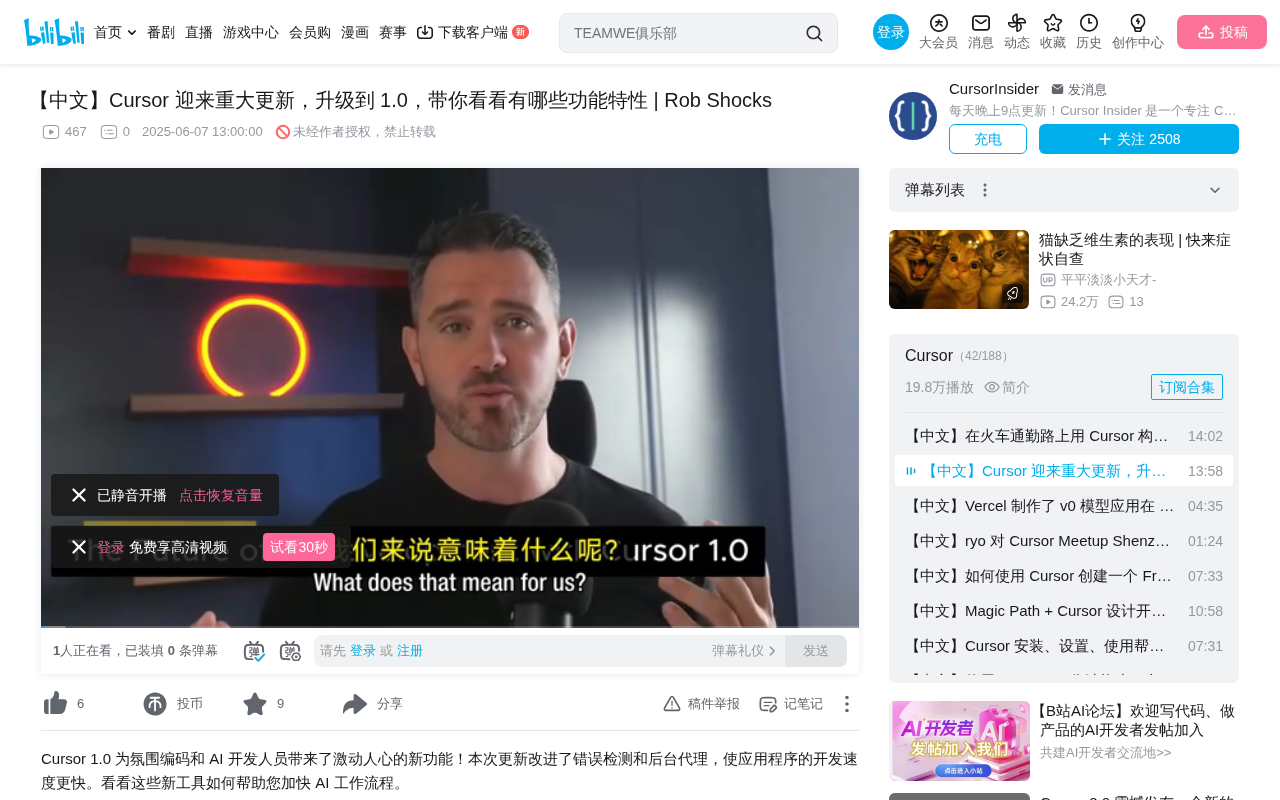
Cursor 1.0 Major Update: Background Agent, BugBot, and Memory System Fully Explained
Deep dive into Cursor 1.0's major updates including Background Agent for async programming, BugBot automated code review, Memory System, and one-click MCP installation with setup tutorials.
Read more →
 Tutorials
·2 min
How Enterprise Text-to-SQL Breaks the 90% Accuracy Barrier: A Practical Guide to Agent Architecture
A deep dive into engineering strategies for enterprise Text-to-SQL to break 90% accuracy, covering precise schema retrieval, multi-Agent architecture, self-correction, and AI coding practices.
Read more →
 Tutorials
·3 min
Claude Code Hooks Explained: Build Your Own Automated Development Inspector
Deep dive into Claude Code Hooks' four core use cases: intercepting dangerous operations, auto change logging, code review, and automated testing. Learn Command, Prompt, and Agent Hook types.
Read more →
Product Reviews
Windsurf Wave 6 Deep Dive: One-Click D…
·3 min
Windsurf Wave 6 Deep Dive: One-Click Deploy Brings AI Coding to Full-Stack
Deep dive into Windsurf Wave 6: one-click Deploy via Netlify, auto Git commit messages, conversation navigation, and a full comparison with Cursor to help you choose the right AI coding tool.
Read more →
Tutorials
Claude Code Keeps Forgetting Everythin…
·4 min
Claude Code Keeps Forgetting Everything? Build an AI Project Manager with 3 Documents and 4 Commands
Fix Claude Code's amnesia problem. Use 3 documents and 4 slash commands to transform AI from a stateless code assistant into a project manager with memory, boosting efficiency 13x.
Read more →
Tutorials
7 Official Best Practices for Claude C…
·3 min
7 Official Best Practices for Claude Code Recommended by Anthropic
Anthropic's official Claude Code best practices: 7 core tips covering self-review, plan mode, precise instructions, CLAUDE.md, reverse interviews, session cleanup, and multi-session parallelism.
Read more →
Product Reviews
Windsurf AI Game Development Test: Wor…
·4 min
Windsurf AI Game Development Test: Worst Performer Among Four Tools
Real-world test of Windsurf AI for 2D Super Mario game development: frequent timeouts, poor code quality, nearly an hour with persistent issues. Ranked last among DeepSeek, ChatGPT Codex, and GitHub Copilot.
Read more →
Tutorials
BMad-Method: Building an AI Agile Deve…
·3 min
BMad-Method: Building an AI Agile Development Team with a Multi-Agent Framework
Deep dive into BMad-Method, an open-source multi-agent framework simulating a full agile team—from business analysis to QA—supporting Claude Code, Cursor, and more.
Read more →
Product Reviews
Major Claude Code Update: A Complete G…
·2 min
Major Claude Code Update: A Complete Guide to Agent View and the Goal System
Deep dive into Claude Code's new Agent View and Goal system, covering multi-agent parallel management, background sessions, and result-oriented autonomous execution.
Read more →
 Product Reviews
·2 min
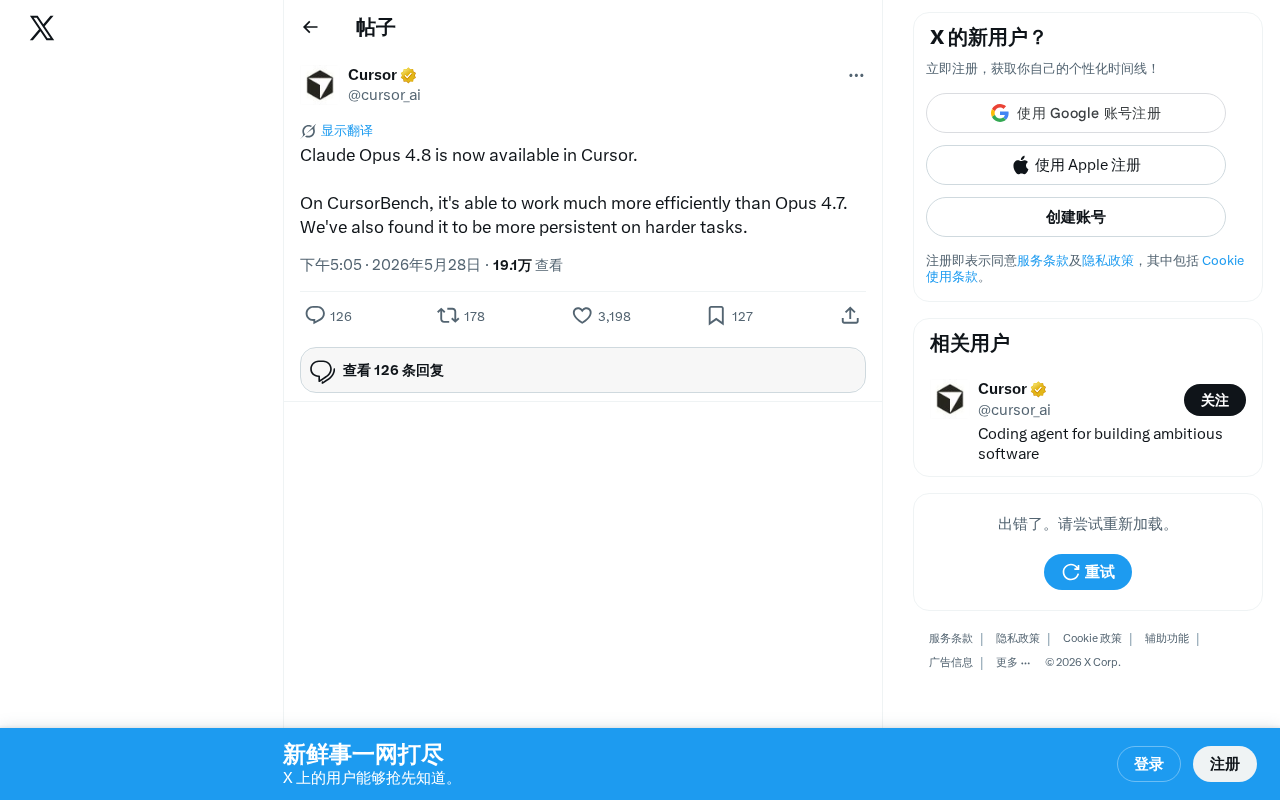
Claude Opus 4.8 Launches on Cursor: Dual Improvements in Efficiency and Persistence
Cursor announces Claude Opus 4.8 is live. CursorBench shows significant gains in coding efficiency and task persistence. Analysis of key improvements and market impact.
Read more →
Tutorials
Getting Started with LangChain: Core C…
·3 min
Getting Started with LangChain: Core Concepts and Hands-On Guide for LLM and Agent Development
A systematic guide to LangChain's core features, covering LLM vs. Agent concepts, unified interface design, multi-provider support, environment setup, and hands-on code examples for AI app development.
Read more →
Product Reviews
OpenCode vs Cursor Real-World Comparis…
·3 min
OpenCode vs Cursor Real-World Comparison: Can Open-Source AI Coding Tools Really Replace Commercial Solutions?
Real-world test comparing OpenCode and Cursor building a student management system, evaluating generation speed, feature completeness, code quality, frontend styling, and bug count.
Read more →