#dependency management
42 related articles

·4 min
AI Agent Development: A Complete 6-Week Systematic Learning Roadmap
A 6-week systematic learning roadmap for AI Agent development, covering core architecture, ReAct principles, multi-agent collaboration, RAG integration, and deployment.
Read more →
·2 min
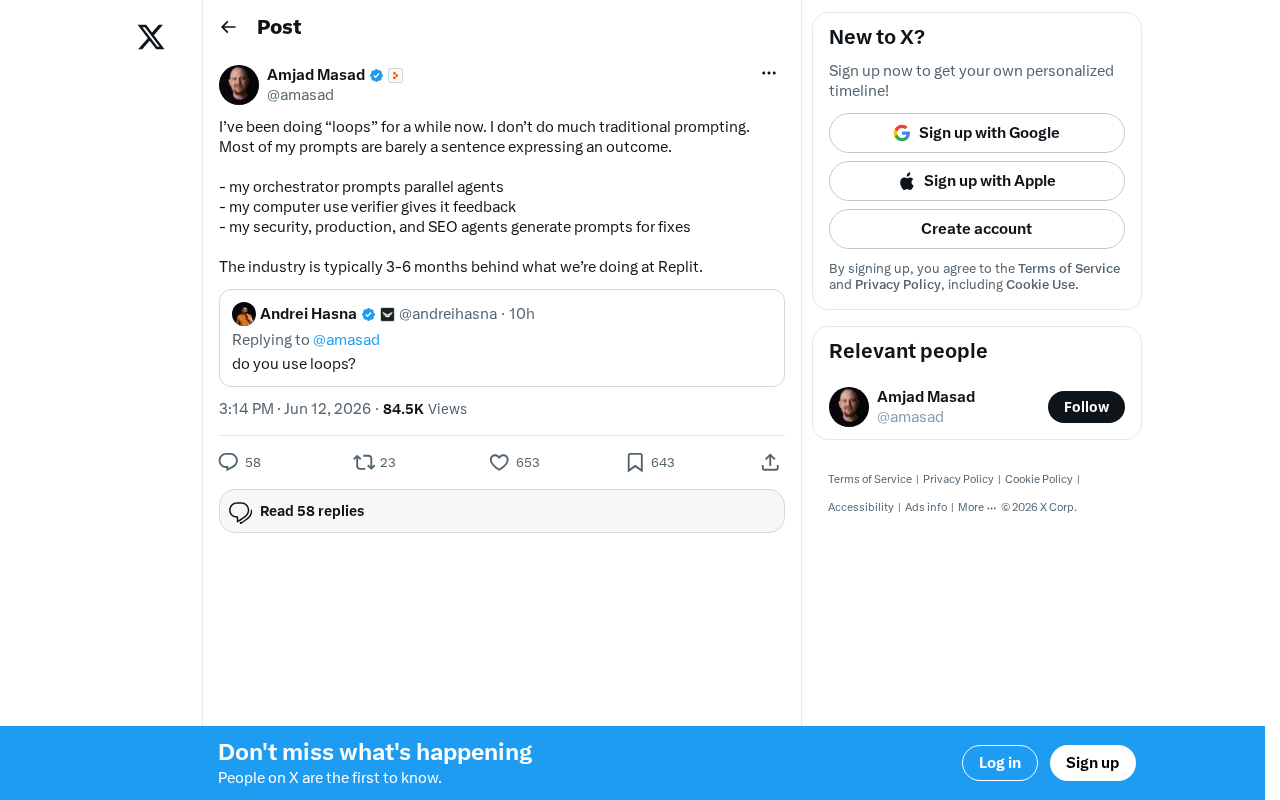
Replit's AI Loops Workflow Explained: Multi-Agent Collaboration Replaces Prompt Engineering
Deep dive into Replit's AI Loops workflow: how orchestrators, parallel agents, and Computer Use Verifiers build automated closed-loop systems through multi-agent collaboration.
Read more →
·3 min
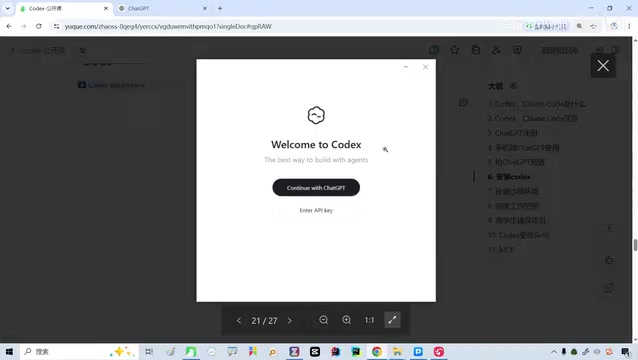
Codex Beginner's Guide: A Complete Walkthrough from Installation to Sandbox Environment Setup
Complete guide to getting started with OpenAI Codex, covering ChatGPT account setup, client installation and login, and sandbox environment configuration.
Read more →
·2 min
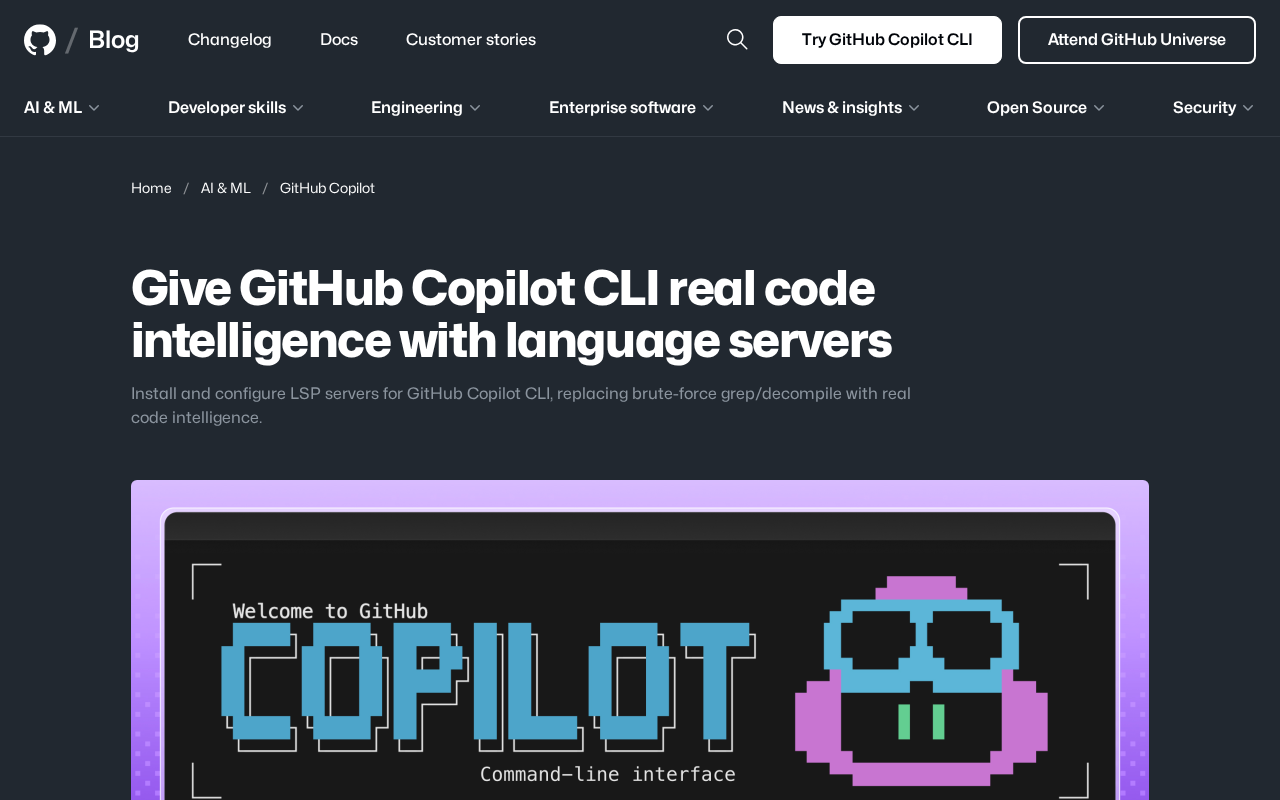
GitHub Copilot CLI Integrates LSP Language Servers: From Text Search to True Code Intelligence
GitHub Copilot CLI integrates LSP language servers, upgrading code understanding from grep text search to IDE-level code intelligence. Learn about configuration, use cases, and impact on AI tools.
Read more →
·2 min
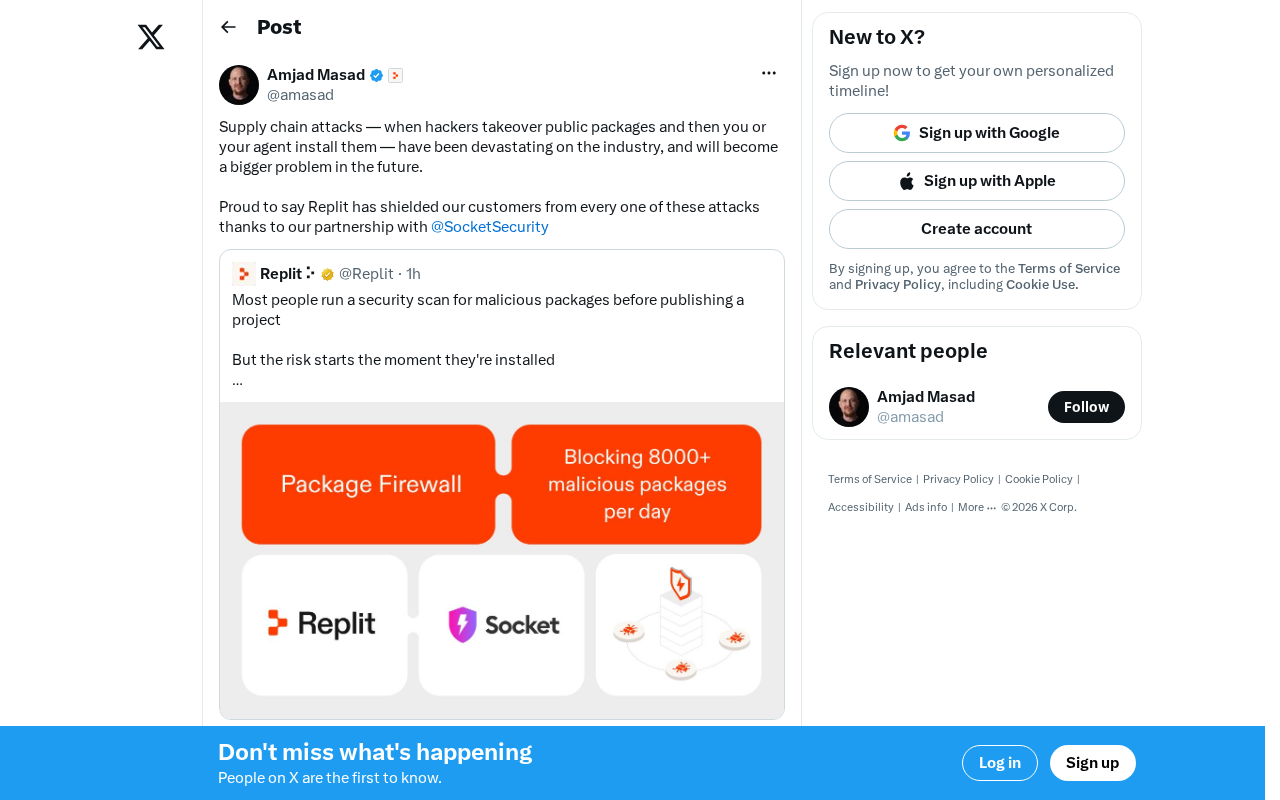
Replit Partners with Socket Security to Defend Against Supply Chain Attacks: A New Security Paradigm for the AI Era
Replit partners with Socket Security for platform-level defense against supply chain attacks. Learn how AI agents amplify attack surfaces and how real-time detection protects developers.
Read more →
·1 min
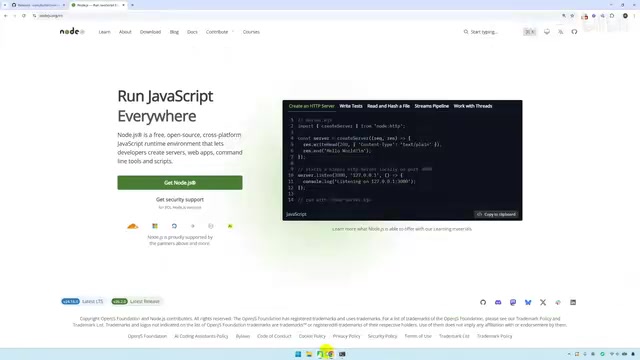
Claude Code Environment Setup: Complete Guide to Node.js and NVM Installation & Configuration
Complete guide to setting up the Claude Code runtime environment, covering NVM installation, Node.js version management, NPM usage, and mirror source configuration.
Read more →
·1 min
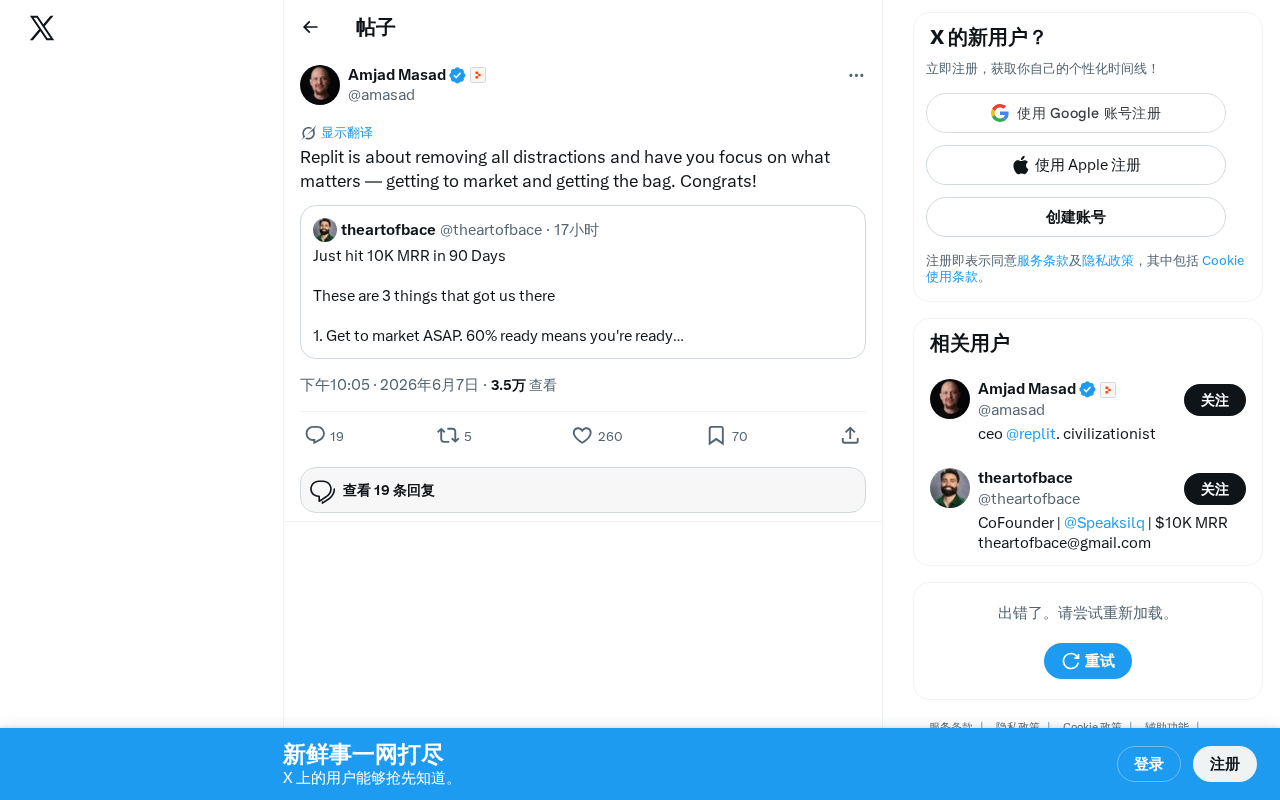
Replit: The Evolution from AI Coding Tool to Startup Accelerator
Deep dive into how Replit eliminates dev friction and integrates AI Agent capabilities to help entrepreneurs go from idea to monetization fast.
Read more →
·2 min
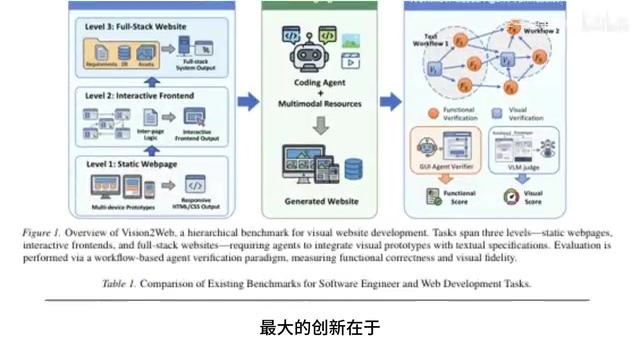
Tsinghua and Zhipu Release Full-Stack Web Dev Benchmark: Top AI Models Fail Spectacularly
Tsinghua and Zhipu AI release a full-stack web dev benchmark with three difficulty levels. Top models like Gemini 2.5 Pro see scores plummet from 63 to 11.7 on full-stack tasks, exposing AI's real limits.
Read more →
·3 min
NestJS + LangChain: A Practical Guide for Frontend Engineers Transitioning to AI Full-Stack Architecture
How can frontend engineers transition to AI full-stack? This guide covers NestJS + LangChain, TypeScript fundamentals, AI Agent development, local model deployment, and cross-language architecture skills.
Read more →
·4 min
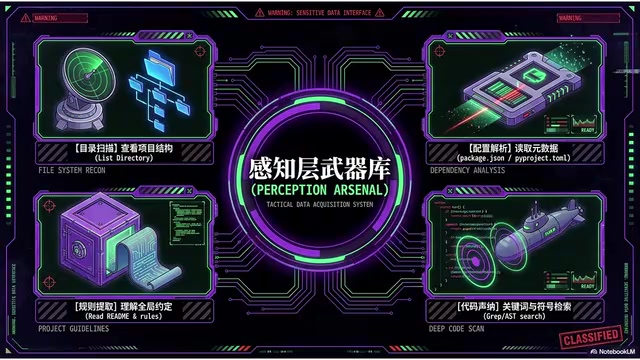
Core Principles of Coding Agents: How Perception and Context Engineering Determine AI Coding Effectiveness
Deep dive into why coding Agents differ: perception lets Agents understand projects first, context engineering precisely filters information within limited token budgets.
Read more →

·3 min
AI Agent Productivity Guide for Developers: Practical Methods to Automate 84% of Non-Coding Work
Developers spend 84% of their time on non-coding tasks. Learn how to use AI Agents to automate Jira tickets, tech docs, and multi-project management with Claude Code and Tmux workflows.
Read more →

·3 min
Vibe Coding for Absolute Beginners: Let AI Be Your Personal Programmer
A beginner's guide to Vibe Coding: learn the core philosophy, set up Miniconda virtual environments, and use natural language to let AI write code for you — no programming experience required.
Read more →
·4 min
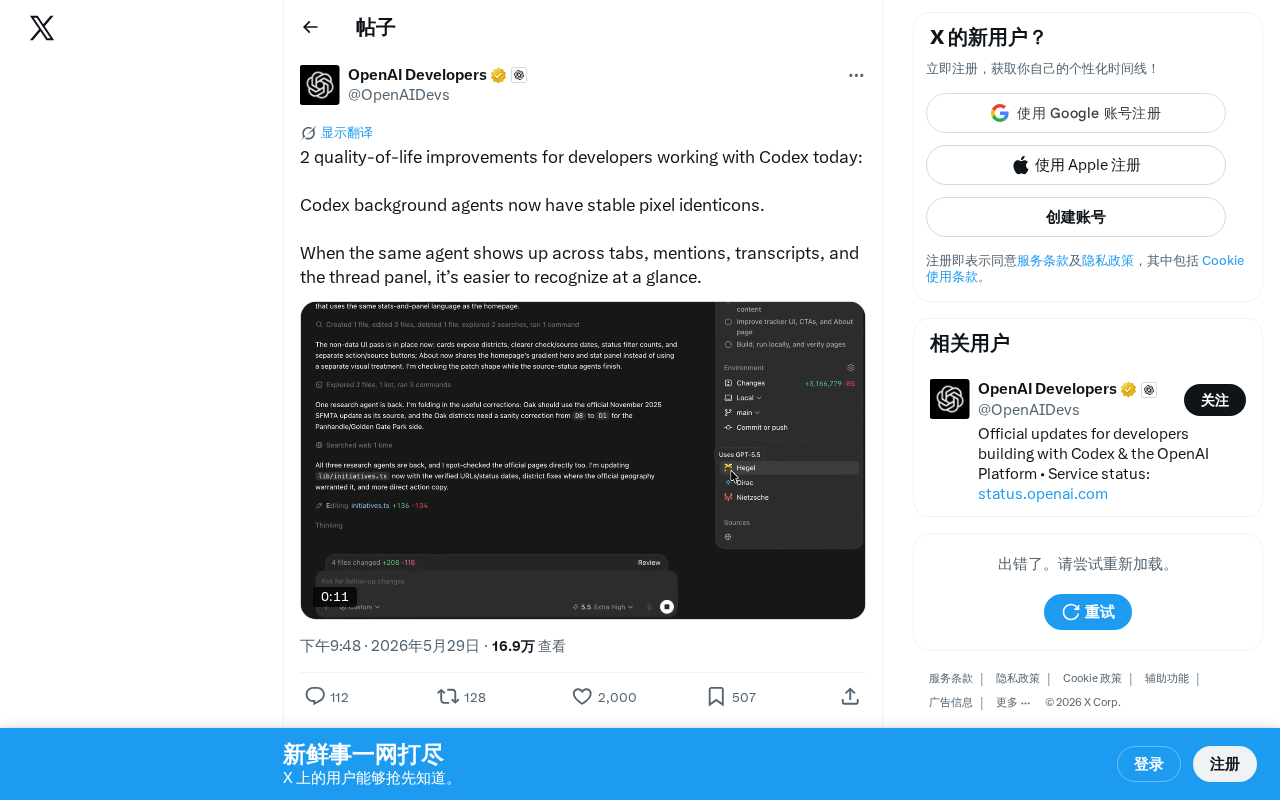
OpenAI Codex Pixel Identicons: A Visual Identification Solution for Multi-Agent Collaboration
OpenAI introduces Pixel Identicons for Codex background agents, using stable visual identifiers to solve multi-agent recognition challenges and reduce cognitive load in AI programming workflows.
Read more →
 Tutorials
·1 min
Hermes Agent Local Deployment Tutorial: Installing and Configuring a Self-Evolving AI Assistant
Complete guide to deploying Hermes Agent locally, covering WSL2 installation, Git setup, and DeepSeek model integration on Windows to build a self-learning open-source AI Agent.
Read more →
 Tutorials
·2 min
Hermes Agent Local Deployment Tutorial: Installing and Configuring a Self-Evolving AI Assistant
Complete guide to deploying Hermes Agent locally on Windows, covering WSL2 setup, Git configuration, and DeepSeek model integration for a self-learning AI Agent.
Read more →
 Product Reviews
·2 min
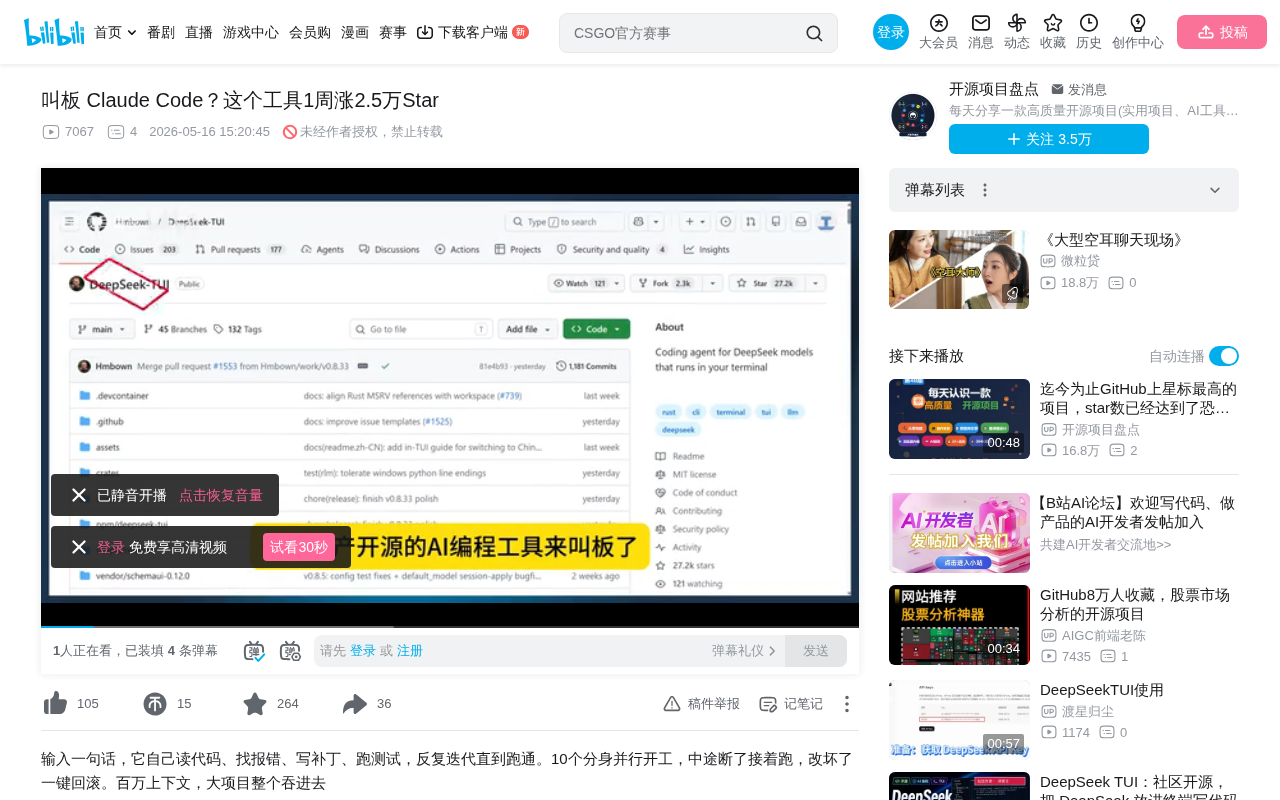
Gained 25K Stars in One Week: This Chinese Open-Source AI Coding Tool Takes on Claude Code
A Chinese open-source AI coding tool gained 25K GitHub Stars in one week, challenging Claude Code with autonomous closed-loop programming, parallel tasks, checkpoint resume, and intelligent model routing.
Read more →
 Product Reviews
·2 min
AgentMemory: An Open-Source Solution for Giving AI Coding Assistants Permanent Memory
AgentMemory is an open-source persistent memory layer supporting memory sharing across 16 AI coding tools including Claude Code and Cursor. 95.2% retrieval accuracy, ~1900 tokens per session, local SQLite storage with zero privacy concerns.
Read more →
 Product Reviews
·3 min
Claude Code v2.1.143 Update: Plugin Dependency Chain Management & Background Session State Persistence
Claude Code v2.1.143 brings intelligent plugin dependency chain management, background session model parameter persistence, Agent mode parameterized configuration, and critical Windows/macOS bug fixes.
Read more →
 Tutorials
·3 min
OpenCode + DeepSeek Zero-Code CAE Simulation Software Development: Building a Complete Engineering Platform for $7
Using OpenCode AI Agent with DeepSeek LLM to develop CAE simulation software with zero code for under $7, covering geometry modeling, meshing, and post-processing.
Read more →
 Product Reviews
·2 min
OpenDesign Hands-On Review: Complete Local Deployment Guide for the Open-Source Alternative to Claude Design
Hands-on review of OpenDesign local deployment, comparing it with Claude Design. Covers setup, DeepSeek-TUI integration, and Apache license details for developers.
Read more →