#multi-agent
362 related articles
 Tutorials
·2 min
LangGraph vs LangChain: How to Choose Your Agent Development Framework
In-depth comparison of LangGraph vs LangChain: controllability, extensibility, and FastAPI-powered performance. Covers storage, enterprise private deployment, and migration guidance for agent developers.
Read more →
 Product Reviews
·2 min
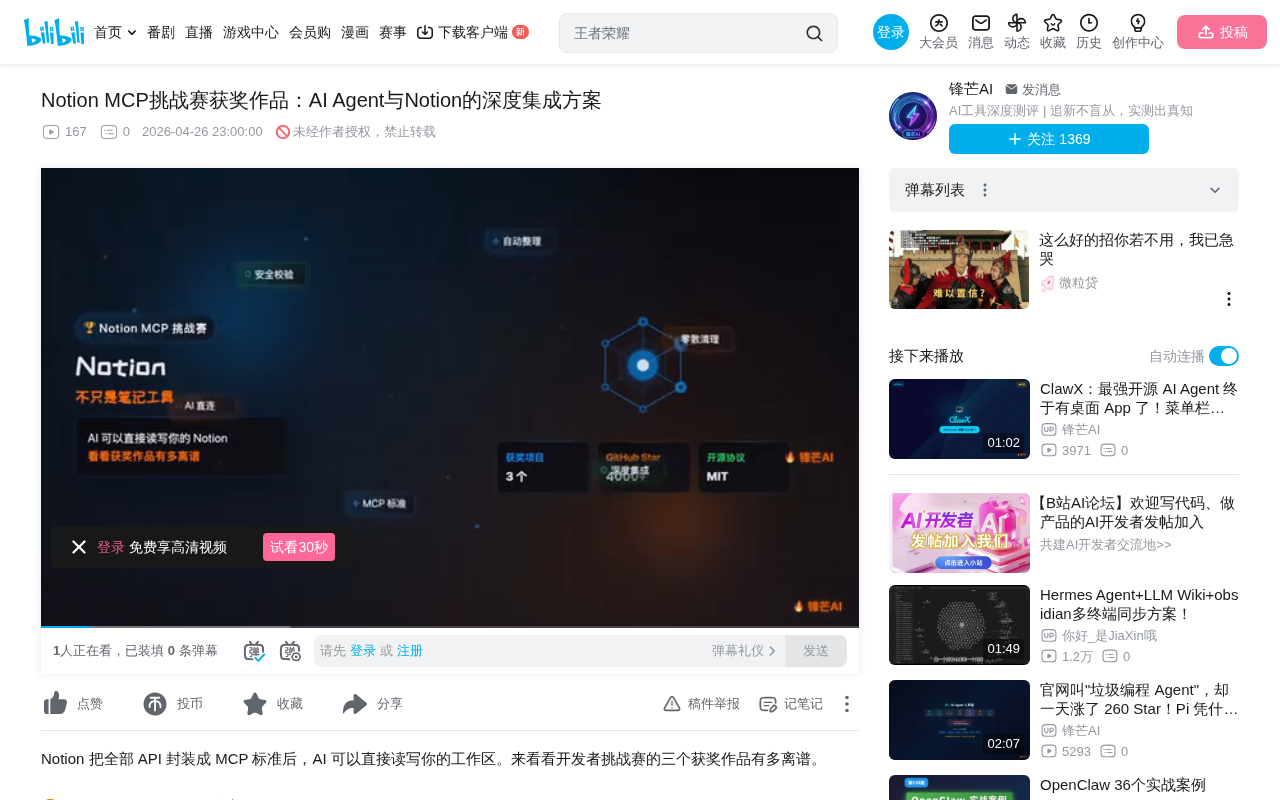
Notion MCP Challenge Winners Breakdown: AI Agents Redefine Note-Taking Tools
Deep dive into the three Notion MCP Developer Challenge winners: Note Runway, Deaf Notion, and Relay. See how AI Agents integrate with Notion via MCP to transform note-taking into an AI knowledge hub.
Read more →
 Product Reviews
·3 min
Hermes Agent Desktop App: The Self-Evolving Open-Source AI Agent
Deep dive into Hermes Agent desktop app: closed-loop learning, persistent cross-session memory, multi-agent management, and tool integration. Discover how this open-source AI agent self-evolves to become a true productivity powerhouse.
Read more →
 Tutorials
·3 min
From Programmer to Agent Developer: A Detailed Four-Stage Learning Roadmap
A systematic four-stage learning roadmap for programmers transitioning to AI Agent development, covering core theory, ReAct and classic paradigms, Prompt engineering, and hands-on projects.
Read more →
 Tech Frontiers
·2 min
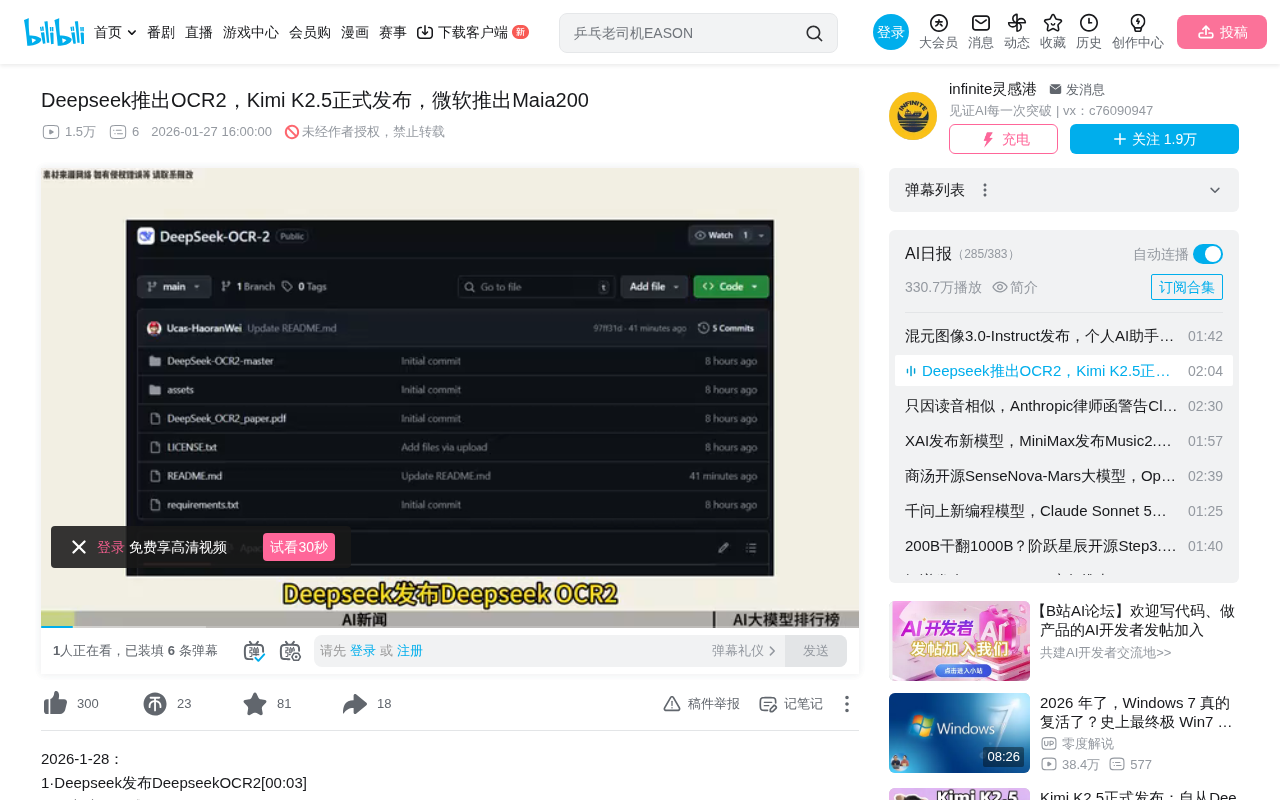
DeepSeek OCR2, Kimi K2.5, and Microsoft Maia 200 All Launched on the Same Day
DeepSeek releases OCR2 replacing CLIP with an LLM as visual encoder; Moonshot AI launches Kimi K2.5 with 100+ sub-agent cluster mode; Microsoft deploys 3nm Maia 200 chip; Alibaba releases Qwen3 Max Thinking.
Read more →
 Product Reviews
·2 min
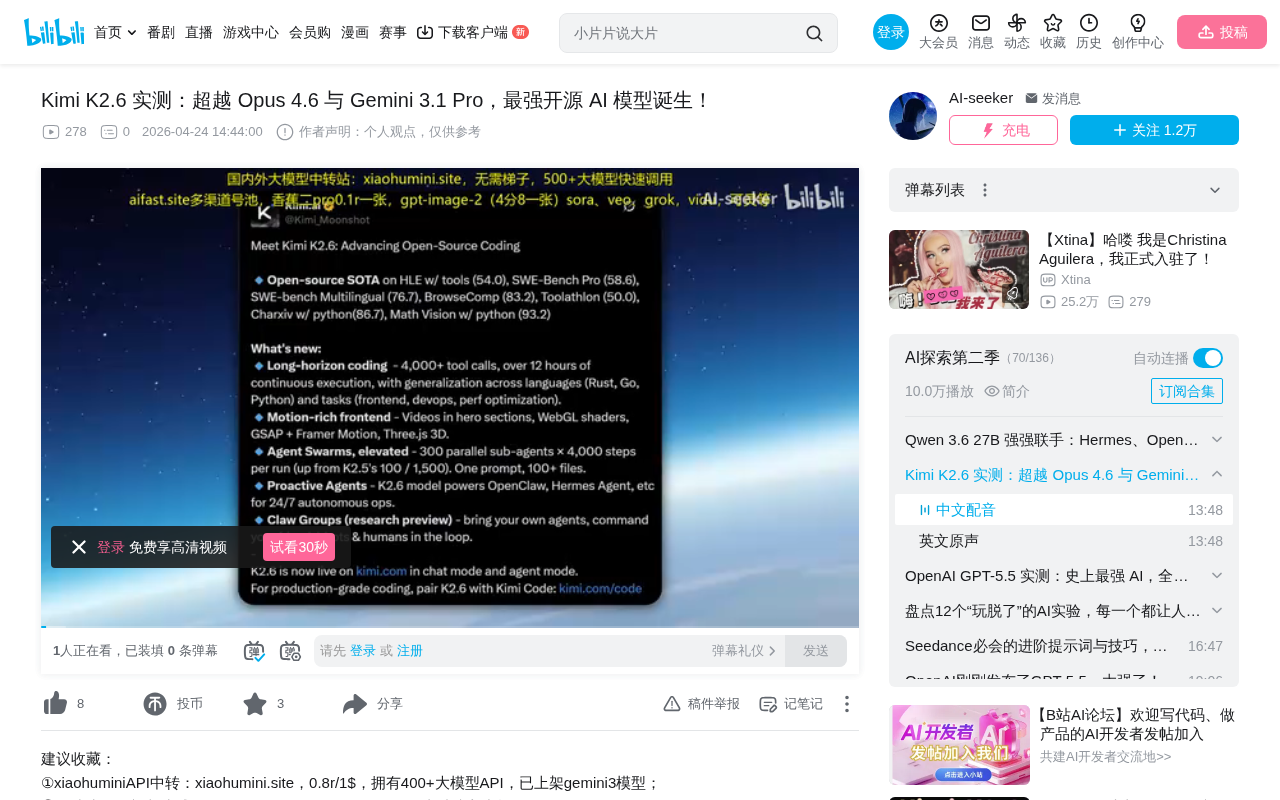
Kimi K2.6 In-Depth Review: Comprehensive Evaluation of Coding, Multi-Agent, and Frontend Development Capabilities
In-depth review of Kimi K2.6 open-source model across frontend development, multi-agent collaboration, and long-horizon tasks, covering four professional modes, 3D/SVG generation, and pricing analysis.
Read more →
 Tutorials
·3 min
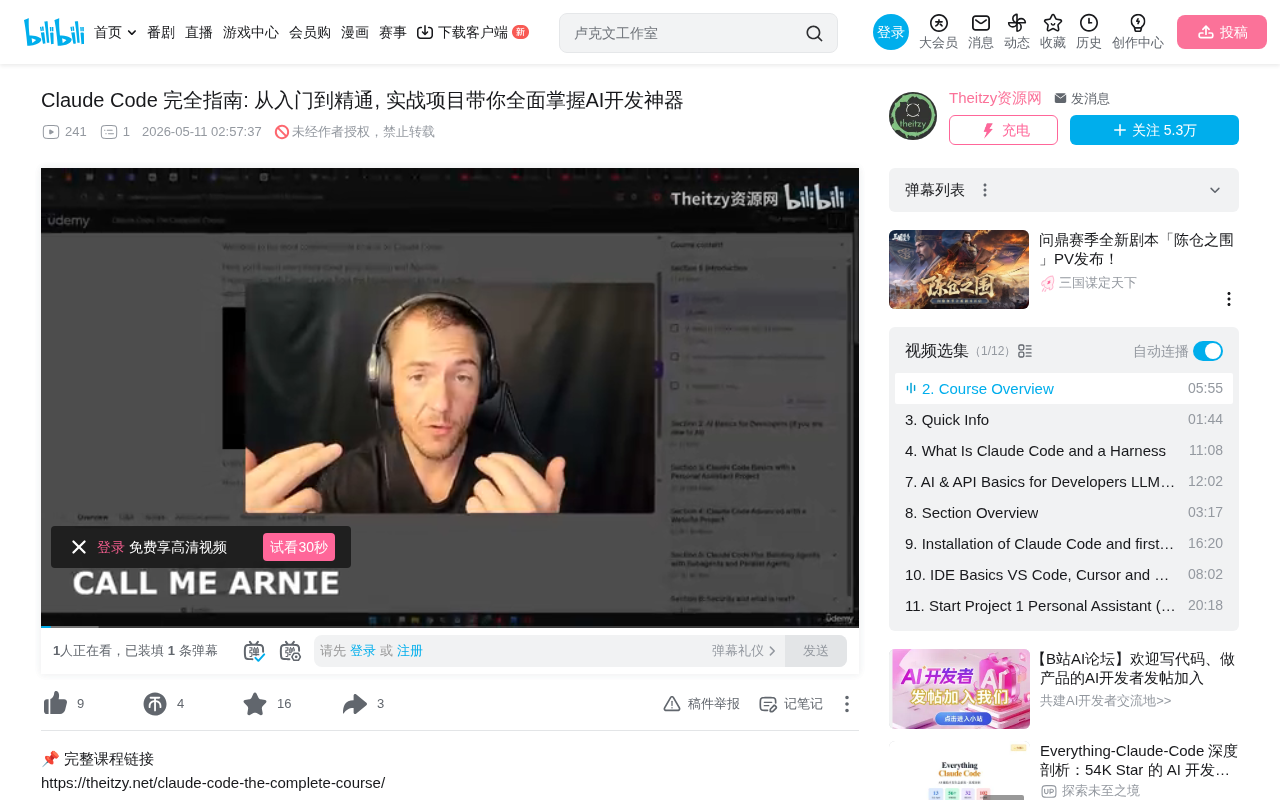
The Complete Guide to Claude Code: From Personal Assistant to AI Agent Development
A systematic breakdown of the Complete Guide to Claude Code course, covering context engineering, MCP protocol, claude.md configuration, multi-Agent architecture, and three progressive projects.
Read more →
 Tutorials
·3 min
Complete Breakdown of Andrew Ng's Agent Course: A Practical Guide to the Five Core Modules of AI Agent Development
Deep dive into Andrew Ng's viral AI Agent course covering five core modules: Reflection, Planning, Tool Use, Multi-Agent Collaboration, and Memory, with practical learning paths for LLM agent development.
Read more →
 Deep Dives
·2 min
Agents Need Control Flow, Not More Prompts
Why do longer Prompts make AI Agents less stable? This article explains the control flow first architecture, replacing natural language control flow with code orchestration to boost multi-step reliability from 40% to over 90%.
Read more →
 Product Reviews
·2 min
Kimi K2.6 Open-Source Hands-On: How Strong Is Its Orchestration of 300 Concurrent Agents?
Deep analysis of Moonshot AI's open-source Kimi K2.6 Agent orchestration: 300 sub-Agents executing 4000-step tasks, outperforming GPT-5.4 in coding benchmarks, LoRA fine-tuning on 2x RTX 4090s.
Read more →
 Product Reviews
·2 min
The Big Four AI Coding CLIs Compared: Claude Code vs. Copilot vs. Gemini vs. Codex — How to Choose
In-depth comparison of Claude Code, Copilot CLI, Gemini CLI, and Codex CLI — covering MCP support, context windows, open-source status, pricing, and a decision tree for choosing the right tool.
Read more →
 Product Reviews
·3 min
AI Agent Investment Research Showdown: ChatGPT vs. Kimi vs. Manus — Who Delivers Better Financial Analysis?
Testing ChatGPT, Manus, and Kimi on the same investment analysis task reveals how multi-agent architecture, fault tolerance, and parallel workflows define the real capability boundaries of AI Agents in professional finance.
Read more →
 Tech Frontiers
·3 min
Claude Code Sub-Agents and Cursor BugBot Launch: AI Programming Tools Get Major Upgrades
Anthropic adds custom sub-agents to Claude Code, Cursor launches code review Agent BugBot, Qwen releases 92-language translation model, and Google unveils three experimental AI products.
Read more →
 Tutorials
·2 min
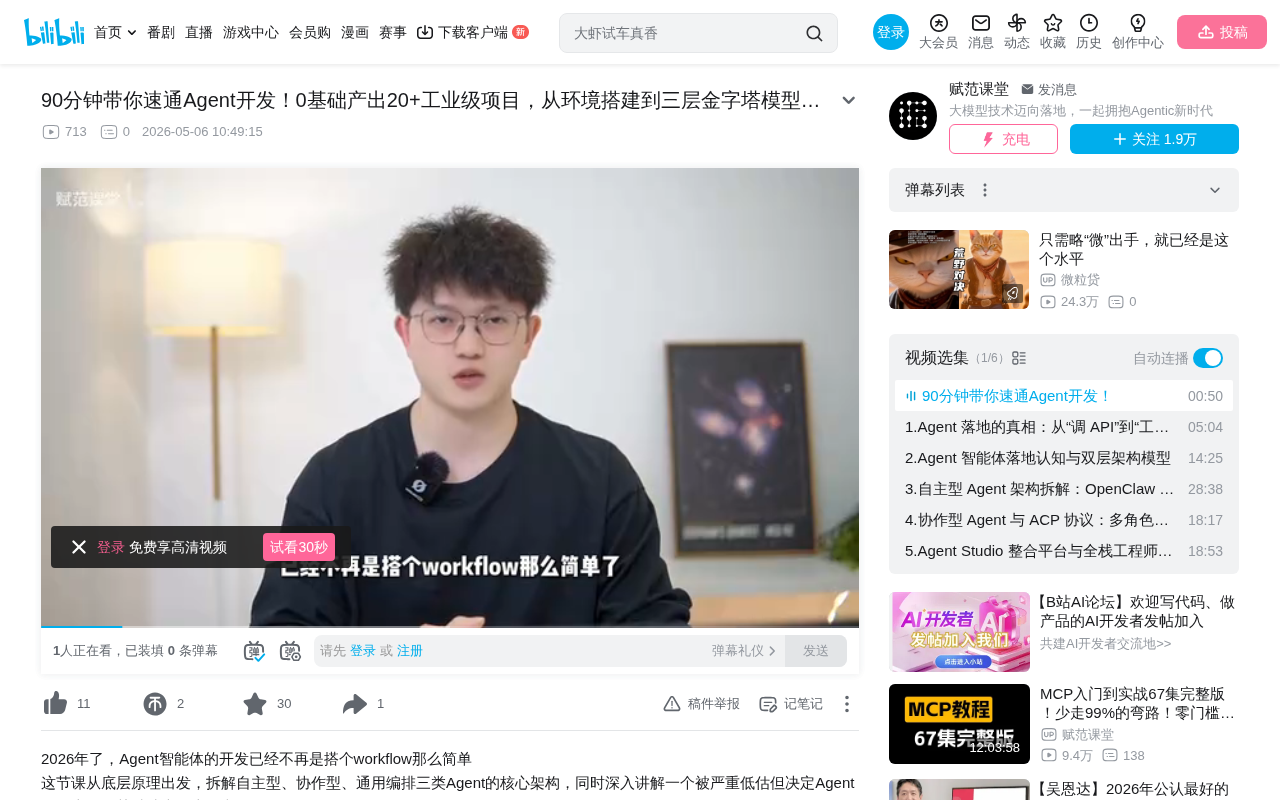
The Three-Layer Pyramid Model for Agent Development: From Beginner to Industrial-Grade Deployment
Deep dive into the Three-Layer Pyramid Model for Agent development, covering autonomous agents, collaborative multi-agent systems, and universal orchestration agents with a complete learning path from beginner to industrial-grade deployment.
Read more →
 Tutorials
·3 min
Enterprise Multi-Agent Development: Low-Code Platforms vs. Hand-Written Code — An In-Depth Comparison
In-depth comparison of two enterprise multi-agent development approaches: low-code platforms like Dify vs. hand-written code with LangGraph. Covers efficiency, flexibility, security, and prompt injection defense strategies.
Read more →
 Product Reviews
·3 min
Kimi K2.6 In-Depth Review: A Complete Breakdown of Its Coding and Agent Capabilities
In-depth review of Kimi K2.6's coding, Agent collaboration, and visual development capabilities. #1 open-source on SWE-Bench Pro, 300 parallel sub-agents, API priced at 1/3 of competitors.
Read more →
 Tutorials
·2 min
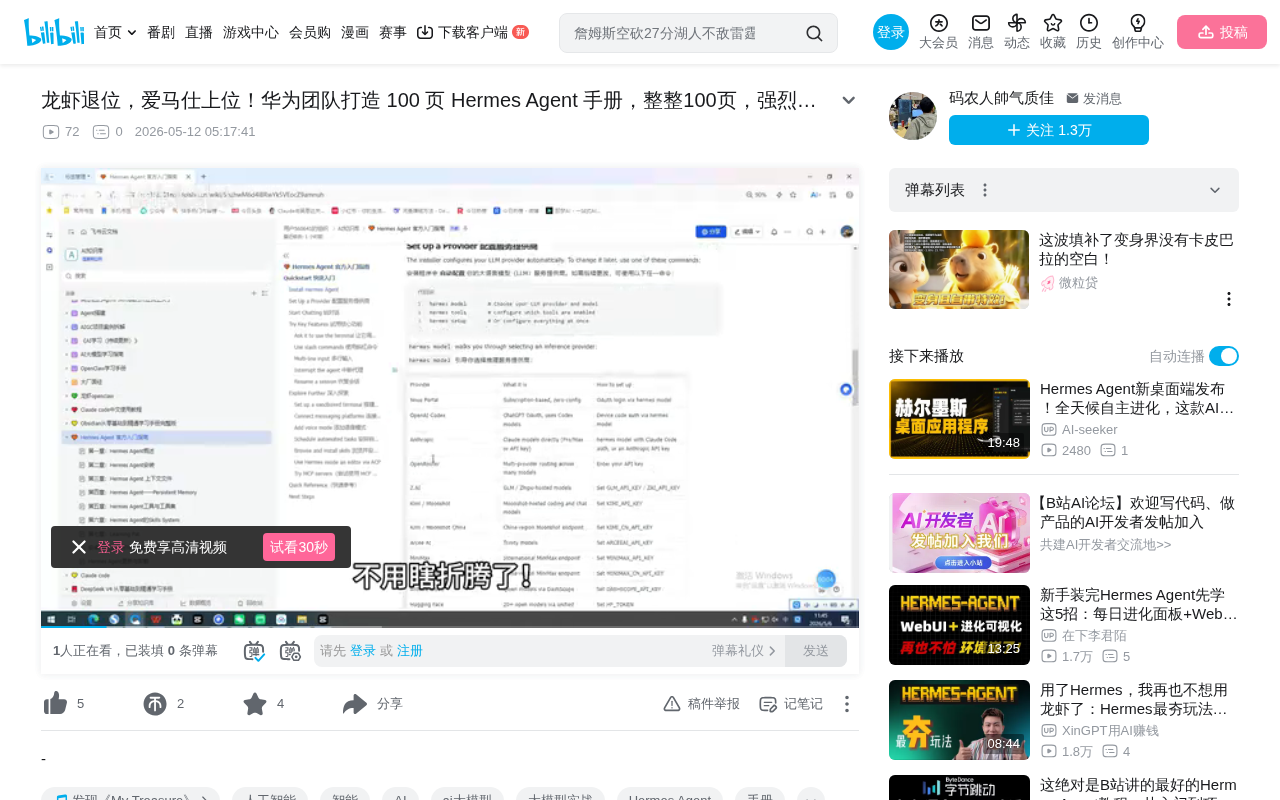
Huawei Hermes Agent Manual Explained: Five-Layer Memory Architecture and Multi-Agent Collaboration in Practice
Deep dive into Huawei's 100-page Hermes Agent manual: five-layer memory architecture solving AI amnesia, self-evolution loops for continuous optimization, and multi-agent collaboration engineering.
Read more →
 Tech Frontiers
·2 min
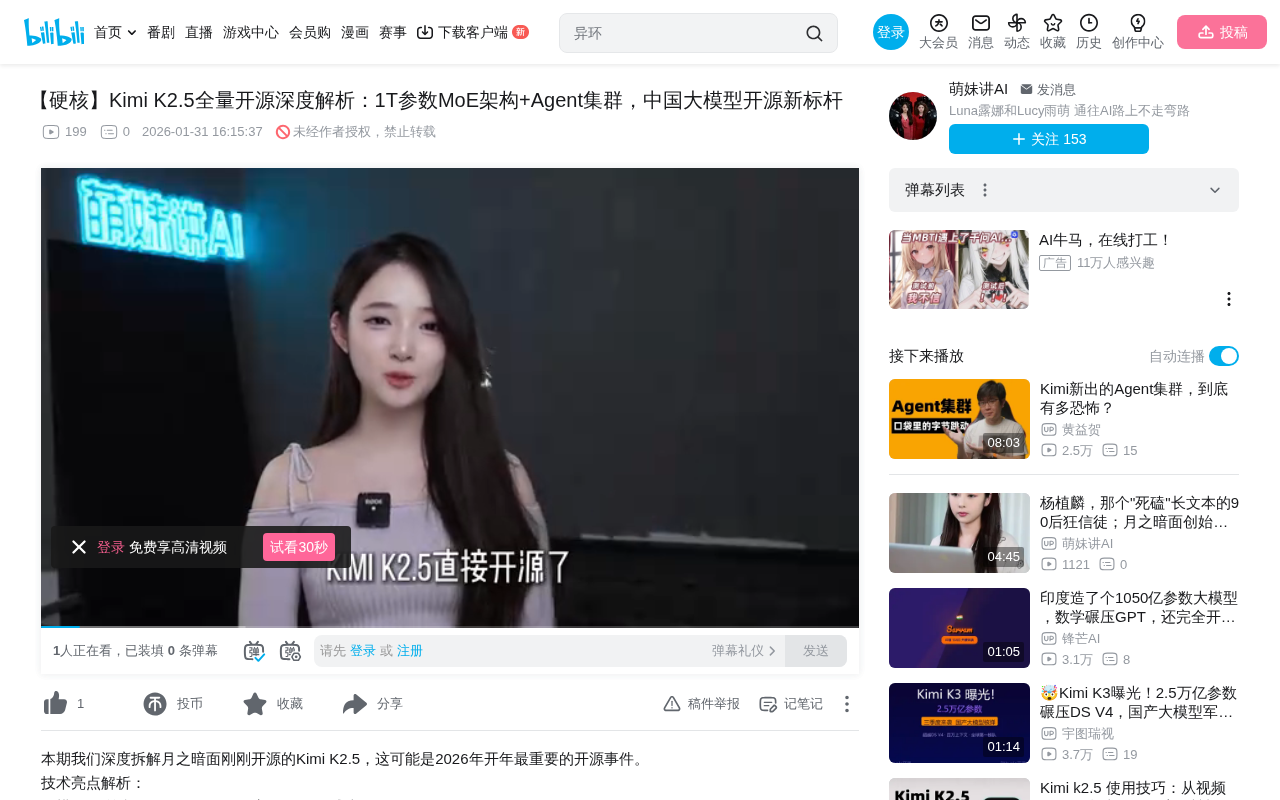
Kimi K2.5 Fully Open-Sourced: Deep Dive into 1T Parameter MoE Architecture + Agent Cluster Capabilities
Deep dive into Moonshot AI's fully open-sourced Kimi K2.5: 1T parameter MoE architecture, Vision-to-Code capabilities, and 100-Agent parallel cluster system topping open-source benchmarks.
Read more →
 Tutorials
·3 min
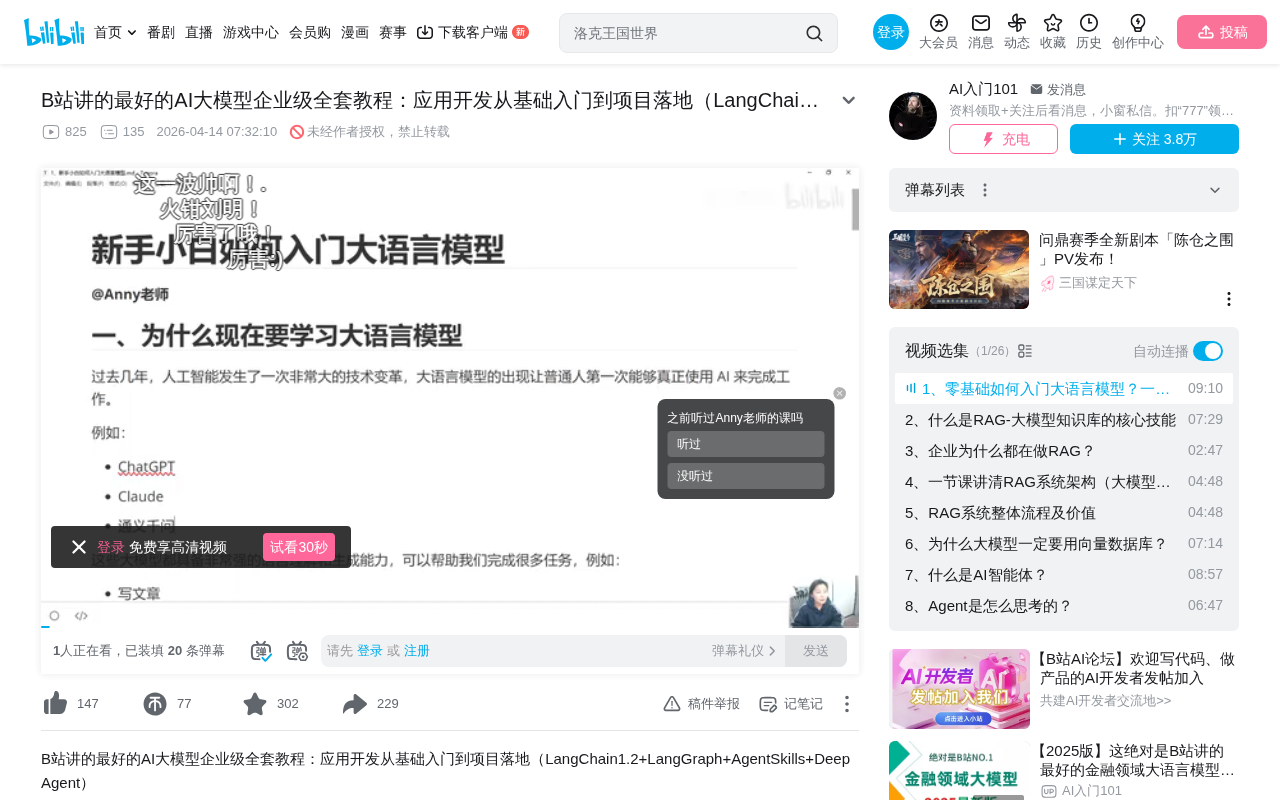
Getting Started with LLM Application Development from Scratch: A Complete Guide to Learning Paths and Career Directions
A complete beginner's guide to LLM application development: learn the three key directions (API calling, RAG, Agent), master frameworks like LangChain, and follow a step-by-step learning path to become an AI application developer.
Read more →
Tutorials
Enterprise AI Agent Four-Layer Archite…
·3 min
Enterprise AI Agent Four-Layer Architecture Design and PDCA Continuous Optimization Practical Guide
Deep dive into enterprise AI Agent four-layer architecture design (User, Gateway, Agent Service, Capability layers) with PDCA optimization methodology and dual manual+automated evaluation for production-grade Agent systems.
Read more →