#multi-agent
362 related articles
·2 min
Databricks Open-Sources Omni: A Meta-Framework for Unified Management of All AI Agents
Databricks open-sources Omni under Apache 2.0 — a meta-framework unifying Claude Code, Codex & more AI Agents with shared sessions, cross-vendor review & enforced security policies.
Read more →
·2 min
Claude Code at One Year: A Programming Revolution from Single Agent to Agent Army
Claude Code turns one. From running thousands of Agents in parallel to Auto Mode replacing Plan Mode, explore how Anthropic's team is reshaping AI coding workflows.
Read more →
·2 min
Coze Agent in Practice: Building an AI Test Case Generation Workflow from Scratch
Learn how to build an AI test case generation agent on Coze, covering agent vs. LLM differences, workflow orchestration, model selection, and prompt engineering tips.
Read more →
·4 min
Anthropic Dynamic Workflows Explained: When to Use Them and Pitfalls to Avoid
Deep dive into Anthropic Dynamic Workflows: core mechanisms, differences from single Agent and Sub-Agent patterns, and a decision tree for when to use them vs. when to avoid burning tokens.
Read more →
·3 min
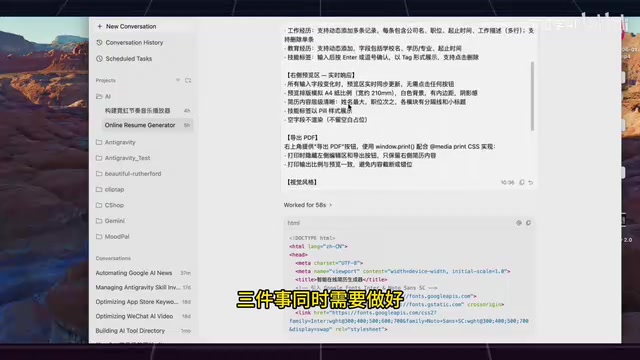
Antigravity 2.0 In-Depth Review: A Multi-Agent Collaboration Platform Powered by Gemini 3.5 Flash
In-depth review of Google's Antigravity 2.0 desktop Agent app, testing Gemini 3.5 Flash code generation, scheduled task automation, and dynamic Sub-agent parallel collaboration features.
Read more →
·3 min
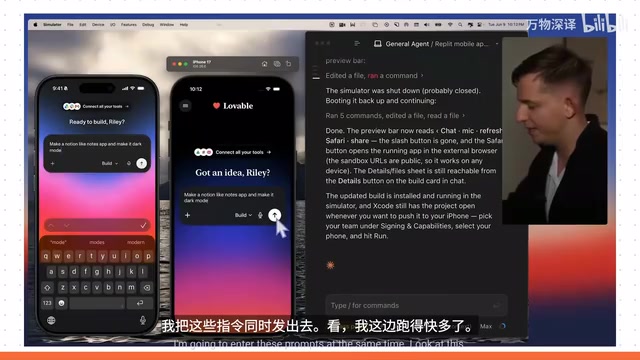
Deep Dive into Claude Sonnet 4: Replicating Lovable with Just Two Prompts
Deep dive into Claude Sonnet 4: replicate Lovable with two prompts, generate McKinsey-grade reports, build 2D games, and explore the AI Agent building block economy.
Read more →

·3 min
A Systematic Guide to Claude Code: From Deployment to Architectural Analysis of 510K Lines of Source Code
A systematic guide to Claude Code covering environment deployment, domestic model integration, six core systems (memory, multi-Agent, etc.), a full-stack ChatBot project, and eight design patterns from 510K lines of open-source code.
Read more →
·3 min
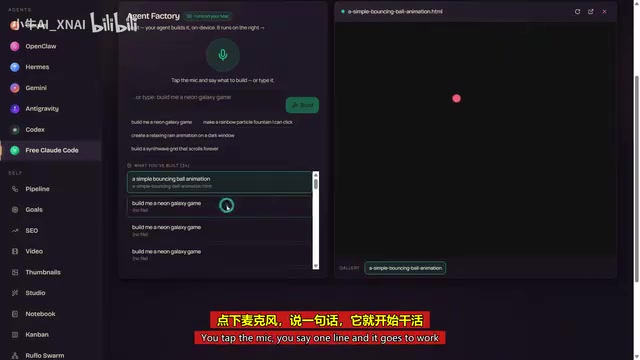
N2 Model as a Free Claude Code Alternative: Does Voice-Driven AI Coding Actually Work?
N2 model, built on Qwen 3.5, is completely free and integrates with Claude Code. Real-world tests show voice commands generating full landing pages, with AgentOS enabling shared memory and multi-model collaboration for zero-cost AI coding.
Read more →

·3 min
Multi-Agent Cost-Cutting Guide: 4 Documents to Slash 60-80% of Your Token Spending
Multi-agent bills out of control? This article breaks down two core token cost pain points and provides 4 actionable documents to cut multi-agent task costs by 60-80%.
Read more →
·3 min
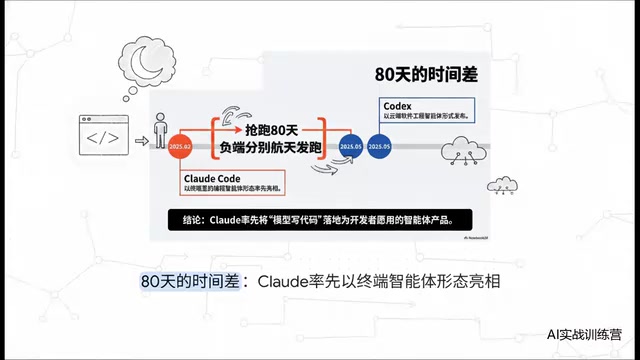
Claude Code vs Codex: A Deep Comparison — Who Wins When the Tech Converges
Deep comparison of Claude Code vs OpenAI Codex across first-mover advantage, architecture, market share, and reliability. Discover what truly matters when AI coding tools converge.
Read more →
·3 min
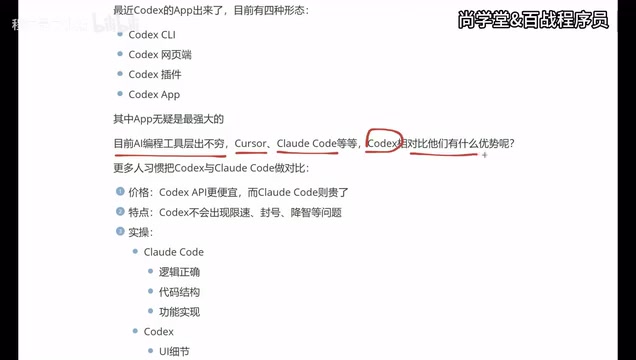
Codex vs Claude Code vs Cursor: How to Choose the Right AI Coding Tool
In-depth comparison of Codex, Claude Code, and Cursor: pricing, stability, and capabilities. Codex excels at frontend UI, Claude Code at backend logic, Cursor remains a stable veteran. Find your best AI coding tool.
Read more →
·4 min
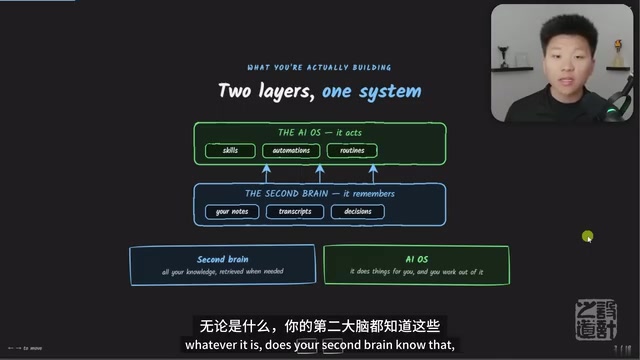
Guide to Building a Second Brain with Claude AI: The Four-C Framework for Your Personal AI Operating System
Learn how to build an AI second brain with Claude using the Four-C Framework (Context, Connection, Capability, Cadence) to create a personal AI operating system with practical examples.
Read more →
·3 min
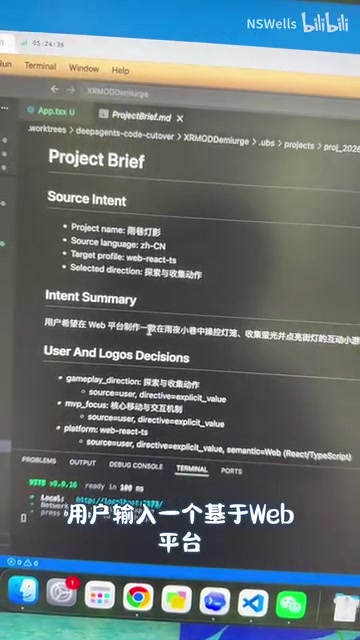
One Person + AI Agent Team: Building a Web Game from Idea to Finished Product
A developer built a self-designed AI Agent collaboration system that turns a one-sentence idea into a complete playable Web game, auto-generating GDD docs and code.
Read more →
·3 min
The Ultimate Guide to Squeezing Every Drop from Mythos/Fable: Burning Through $8,000 in Inference Credits in 10 Days
Deep dive into maximizing Anthropic's Fable/Mythos model: 5-hour limit workarounds, dual account rotation, multi-Agent orchestration, and Mac Mini remote deployment to get $8,000 of inference from a $200 subscription.
Read more →
·2 min
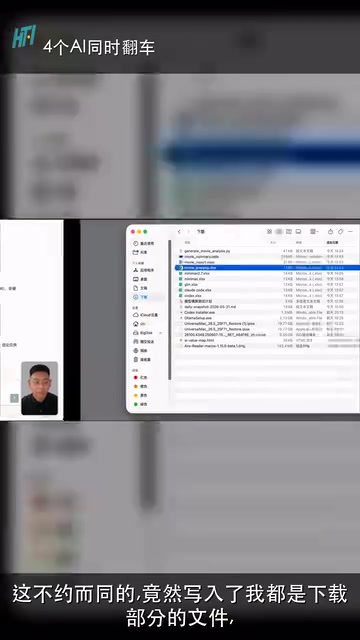
AI Coding Gone Wrong: 4 Models Generated Files to the Exact Same Path
Testing Claude Code, Codex, DeepSeek & MiniMax simultaneously, all four AI models wrote files to the same path. A real-world lesson in multi-model isolation.
Read more →
·2 min
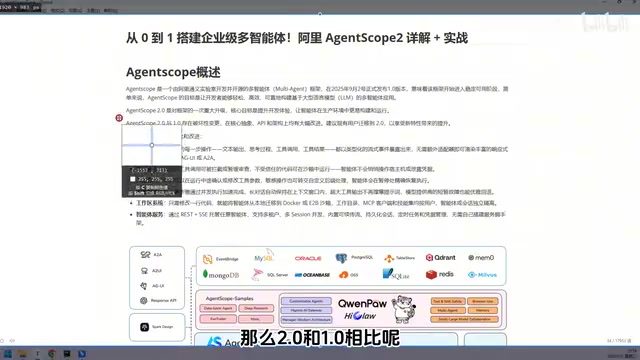
Deep Dive into Alibaba's AgentScope 2.0: Six Core Upgrades and Agent Design Patterns
Deep dive into Alibaba's AgentScope 2.0 multi-agent framework: event system, execution safety, human-in-the-loop, and ReAct vs Plan-and-Execute agent design patterns.
Read more →
·4 min
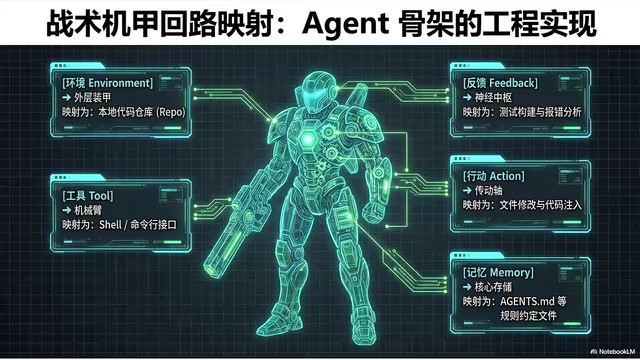
Codex Technical Anatomy: From CLI to Cloud Agent to Multi-Agent Orchestration Platform
Deep dive into OpenAI Codex's three-layer architecture: CLI local Agent, cloud sandbox async execution, and Codex App multi-Agent orchestration command center.
Read more →
·2 min
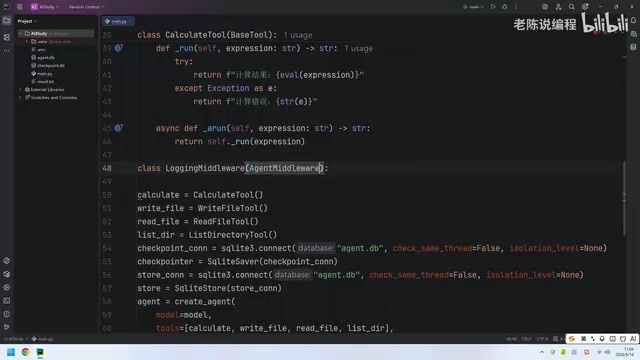
Agent Middleware: Adding Interceptors to Model Calls
Learn how AI Agent middleware works through two practical examples — logging and security checks. Master the Observer and Guardian design patterns to build extensible, production-grade Agents.
Read more →
·3 min
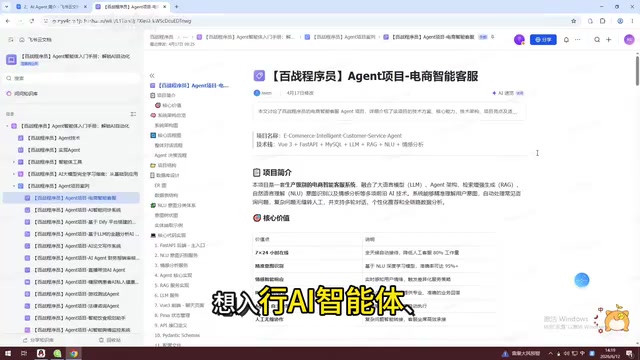
AI Agent Hands-On Learning Path: A Complete Guide from Beginner to Enterprise-Level Development
A systematic AI Agent development learning roadmap covering prompt engineering, RAG, multi-Agent collaboration, tool calling, and more—with phased learning advice and 28 hands-on project references.
Read more →
·4 min
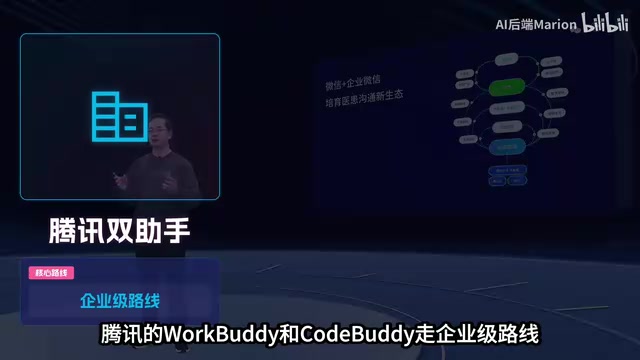
A Complete Guide to Multi-Agent Teams in AI Coding: From Solo Work to Team Collaboration
Deep dive into multi-agent solutions from Cursor, Claude Code, and Tencent CodeBuddy — covering parallel exploration, cross-layer collaboration, context isolation, practical tips, and selection guide.
Read more →