#multi-agent
362 related articles
 Tutorials
·3 min
LangGraph Multi-Agent Architecture: Core Principles and Enterprise-Level Implementation Guide
Deep dive into LangGraph multi-agent architecture covering Graph structure principles, MCP service integration, Time Travel debugging, and supervised multi-agent enterprise implementation patterns.
Read more →
 Tech Frontiers
·3 min
Tech Weekly: OpenAI Swarm Framework, Claude Data Visualization & Lightweight OS Analysis
This week's tech roundup analyzes OpenAI's Swarm Agent framework, Anthropic's Claude data visualization app, Kali Linux, Unikraft lightweight OS, and Go Blueprint — covering AI, security, and cloud computing.
Read more →
 Product Reviews
·2 min
14,000-Star Open Source Tool: Clone Any Website with One AI Command
Deep dive into Website Cloner, a 14,000+ Star open-source project that uses a four-step AI pipeline to clone any website into a runnable Next.js project with one command.
Read more →
 Tutorials
·2 min
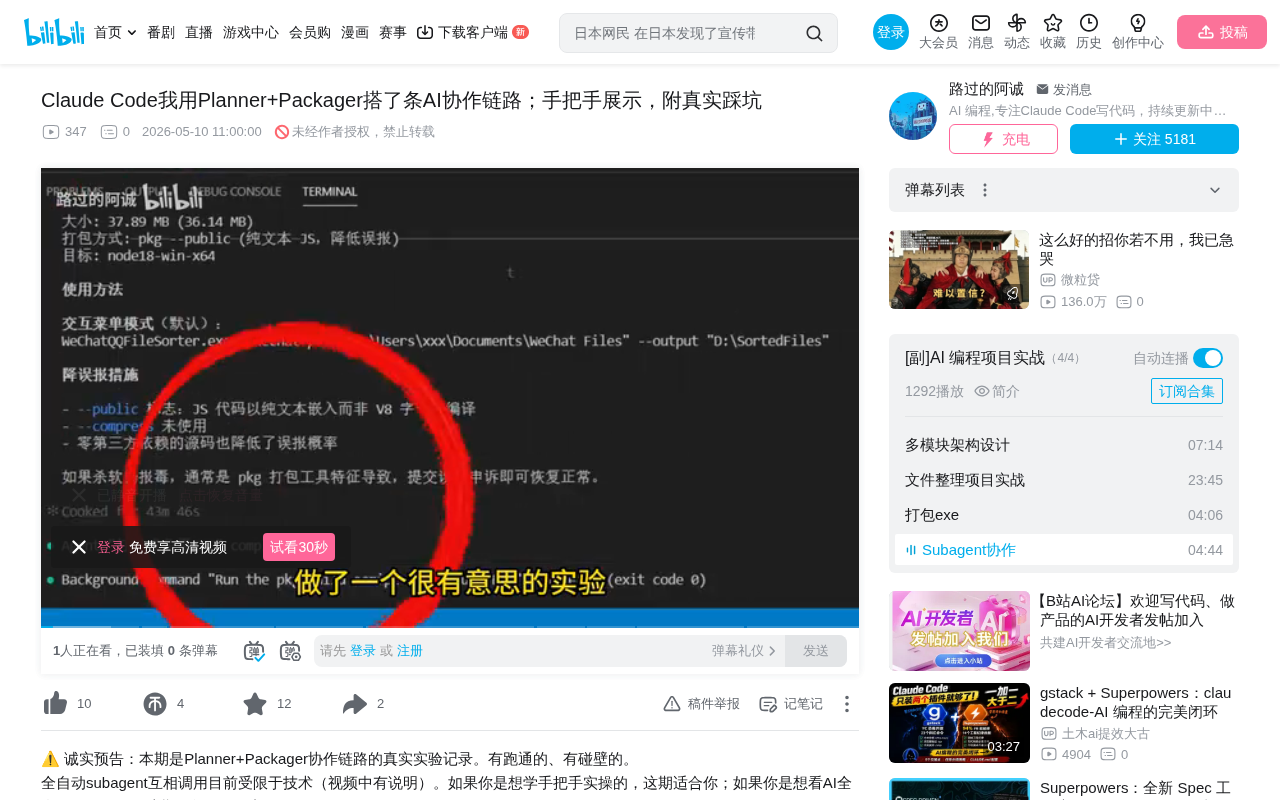
Claude Code Multi-Agent Collaboration in Practice: Subagent Division of Labor and a Lite TARS Concept
Explore Claude Code multi-Agent collaboration with Planner+Packager Subagents for semi-automated project iteration, plus a lite TARS orchestration concept revealing Agent inter-calling limits.
Read more →
 Product Reviews
·3 min
Cursor 3.0 Deep Dive: Rust Rewrite, In-House Model & Agent Orchestration Platform Fully Explained
Deep analysis of Cursor 3.0's three core upgrades: Rust rewrite leaving VS Code behind, in-house Composer 2 model with 86% cost reduction, and Agent Windows for multi-agent parallel development.
Read more →
 Product Reviews
·3 min
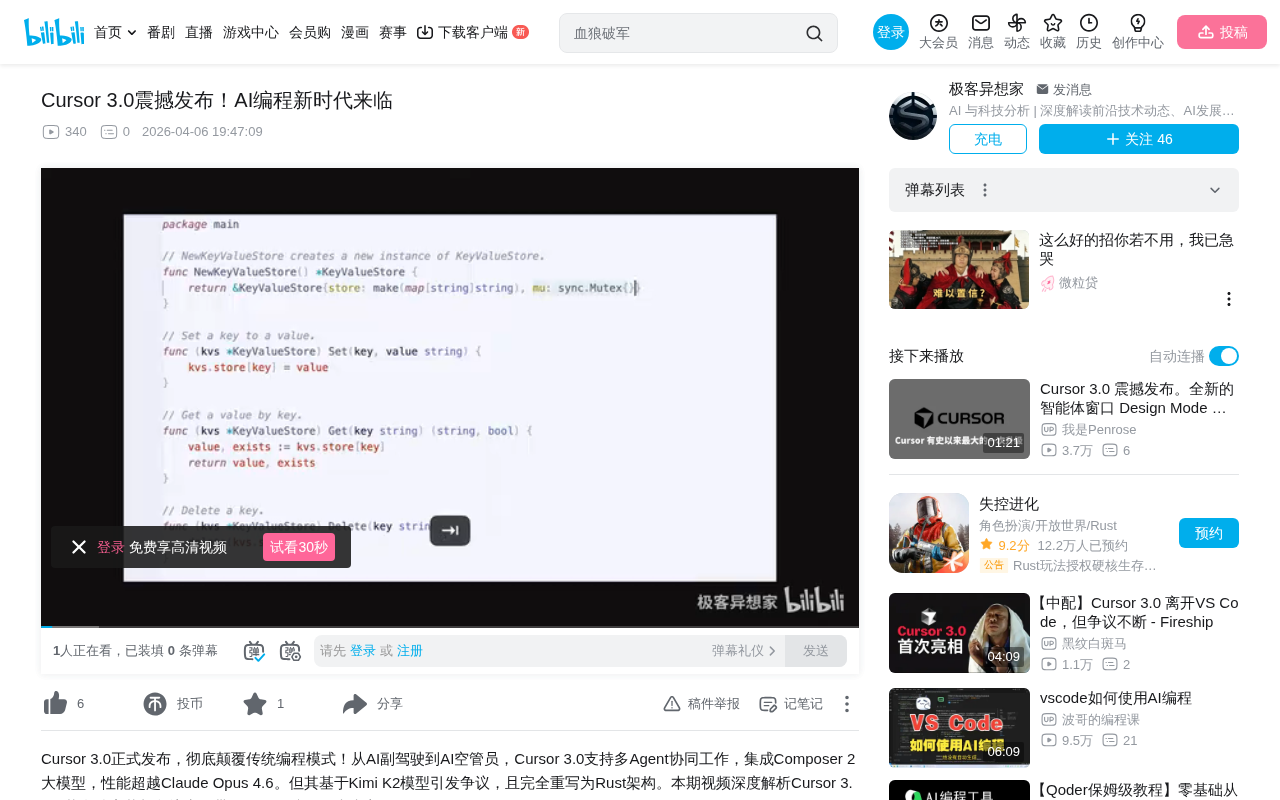
Cursor 3.0 Deep Dive: From Code Editor to AI Agent Command Center
Deep dive into Cursor 3.0's major upgrades: proprietary Composer 2 coding model, multi-agent parallel workflows, built-in browser and design mode. Exploring the shift from VS Code fork to Rust rewrite and the AI agent programming paradigm.
Read more →
 Product Reviews
·2 min
Cursor 3.0 Update Analysis: Multi-Agent Windows and Design Mode Hands-On Experience
Deep analysis of Cursor 3.0's two core updates: Agent Window for multi-Agent parallel development with cloud cross-device collaboration, and Design Mode for direct UI modification in the browser.
Read more →
 Product Reviews
·2 min
ZenFlow Hands-On: Testing the Spec-Driven Fully Autonomous AI Software Engineer
Hands-on review of ZenFlow—the first spec-driven fully autonomous AI software engineer. Multi-agent parallel collaboration with built-in verification delivers end-to-end development from ideation to production.
Read more →
 Product Reviews
·2 min
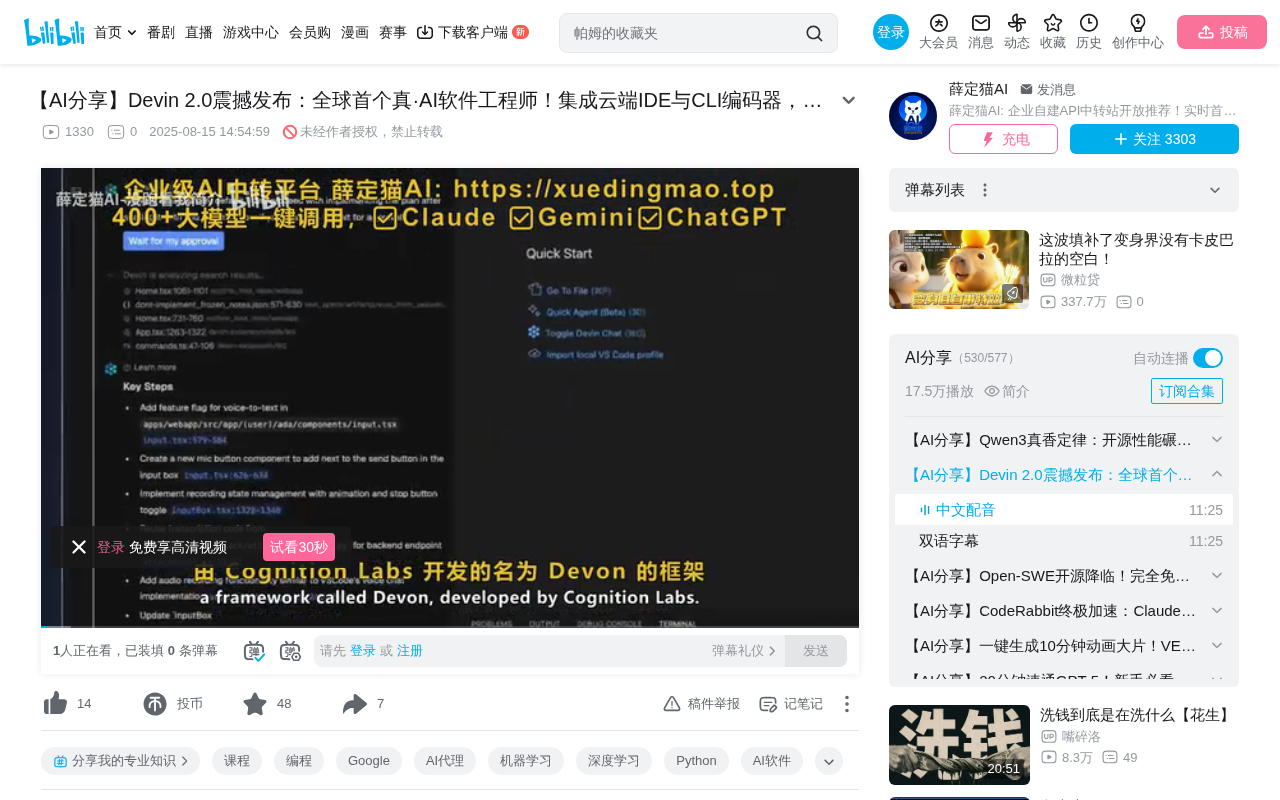
Devin 2.0 Deep Dive: What Can the First AI Software Engineer Actually Do?
Deep dive into Devin 2.0 — the latest evolution of the world's first AI software engineer. Exploring autonomous coding, multi-agent parallelism, Ask Devin, Deep Wiki, and how it differs from Copilot and Cursor.
Read more →
 Deep Dives
·3 min
Single-Agent vs Multi-Agent: A Three-Step Decision Framework for Choosing the Right Architecture
Based on Anthropic's engineering practices, a detailed three-step decision framework for single-agent vs multi-agent architecture: bottleneck identification, technical feasibility, and business value filtering.
Read more →
 Deep Dives
·2 min
Hermes Agent Deep Dive: An Open-Source AI Digital Worker That Learns
Deep dive into NousResearch's open-source Hermes Agent framework: memory systems, skill reuse, tool calling, security, deployment guide, and multi-agent collaboration.
Read more →
 Deep Dives
·2 min
AI Agent Development Methodology: A Complete Guide from ReAct to Enterprise-Grade Tech Stack
A deep dive into AI Agent development methodology, from the ReAct theoretical framework to a four-layer enterprise tech stack covering model services, Agent types, LangChain, and production deployment.
Read more →
 Tutorials
·3 min
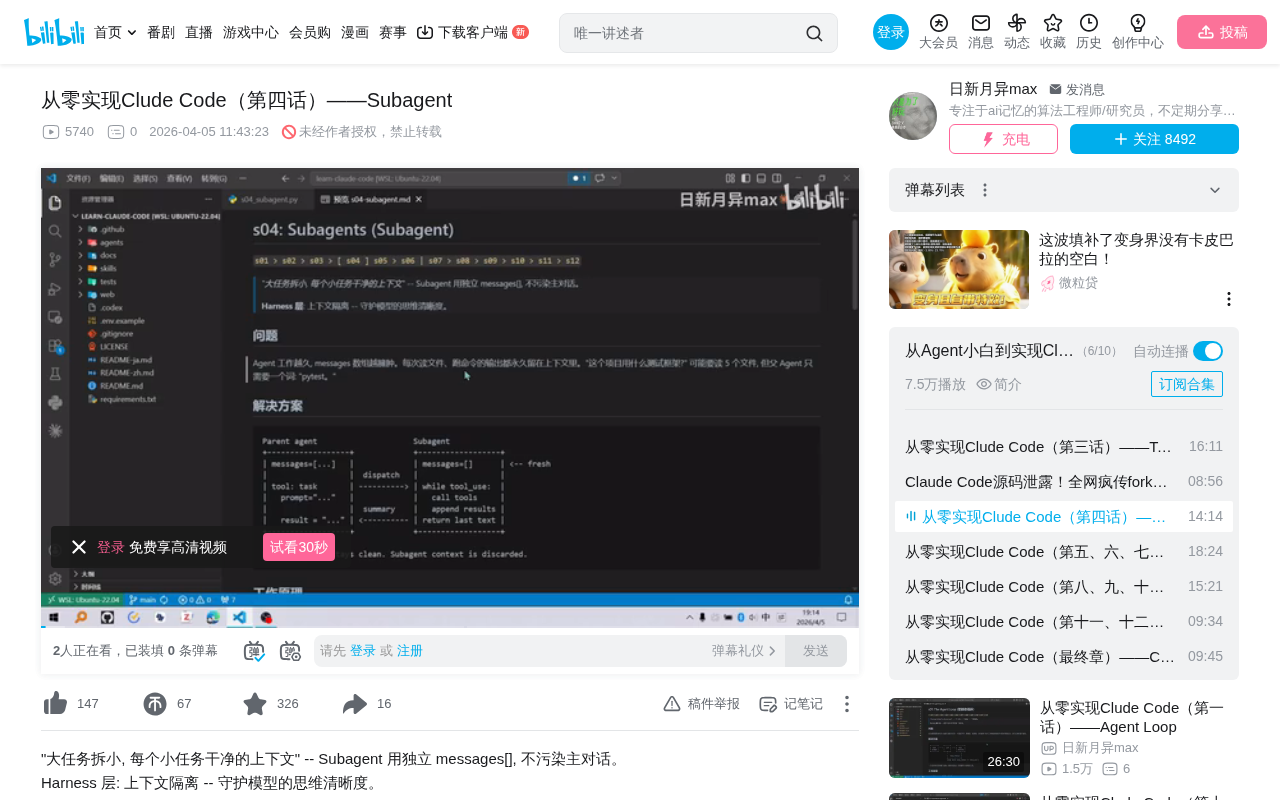
SubAgent Architecture: The Core Implementation for Context Isolation
Deep dive into SubAgent context isolation architecture, covering parent-child Agent roles, tool definitions, run_subagent implementation, and differences from TodoList and Agent Teams.
Read more →
 Product Reviews
·2 min
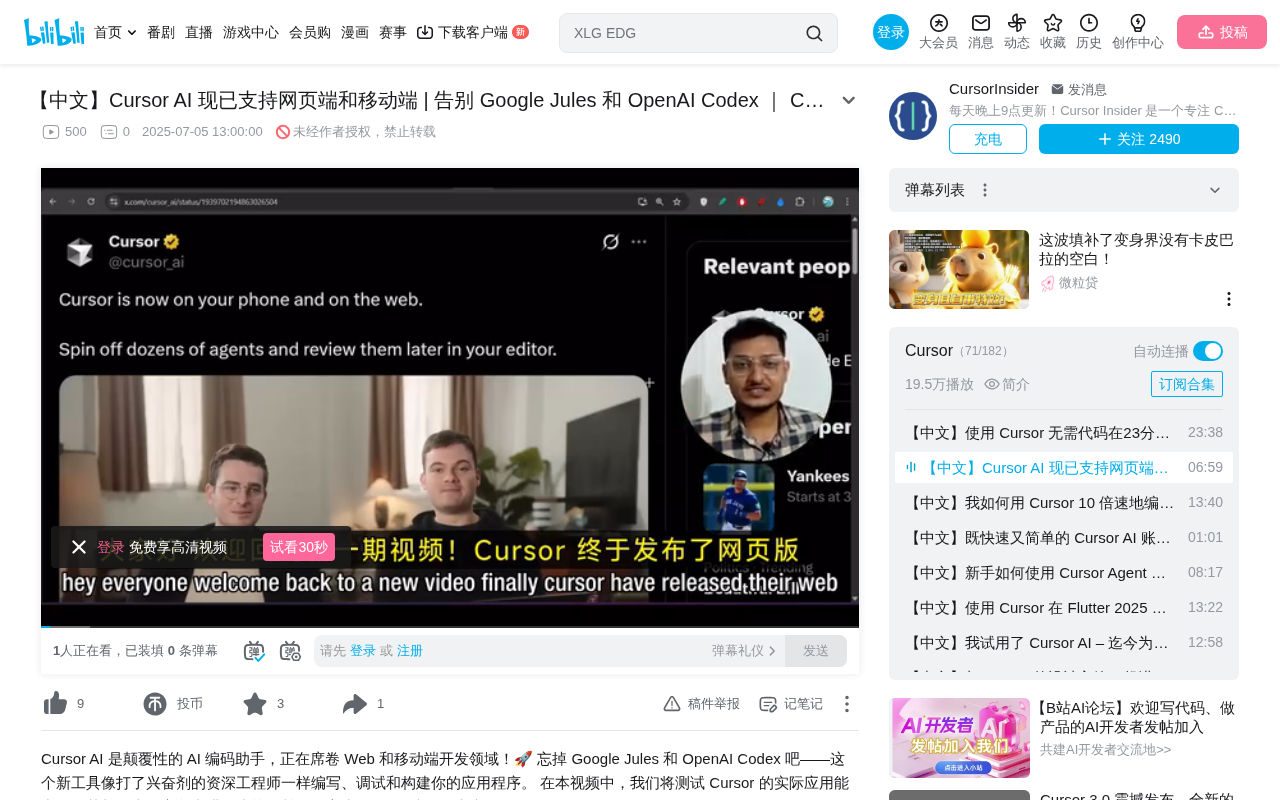
Cursor Web and Mobile Launch: Hands-On with Cloud AI Coding Agents
Cursor launches web and mobile versions supporting multi-agent parallel execution and mobile code review. A detailed look at core features, comparison with Google Jules and OpenAI Codex, and the PWA mobile experience.
Read more →
 Deep Dives
·3 min
Claude Sub-agents vs Agent Teams: How to Choose Between Two AI Multi-Agent Collaboration Patterns
Deep comparison of Claude sub-agents vs agent teams: architecture differences, use cases, and real-world results. A Pokémon RPG case study shows how agent teams achieve 95%+ feature completeness.
Read more →
 Tutorials
·2 min
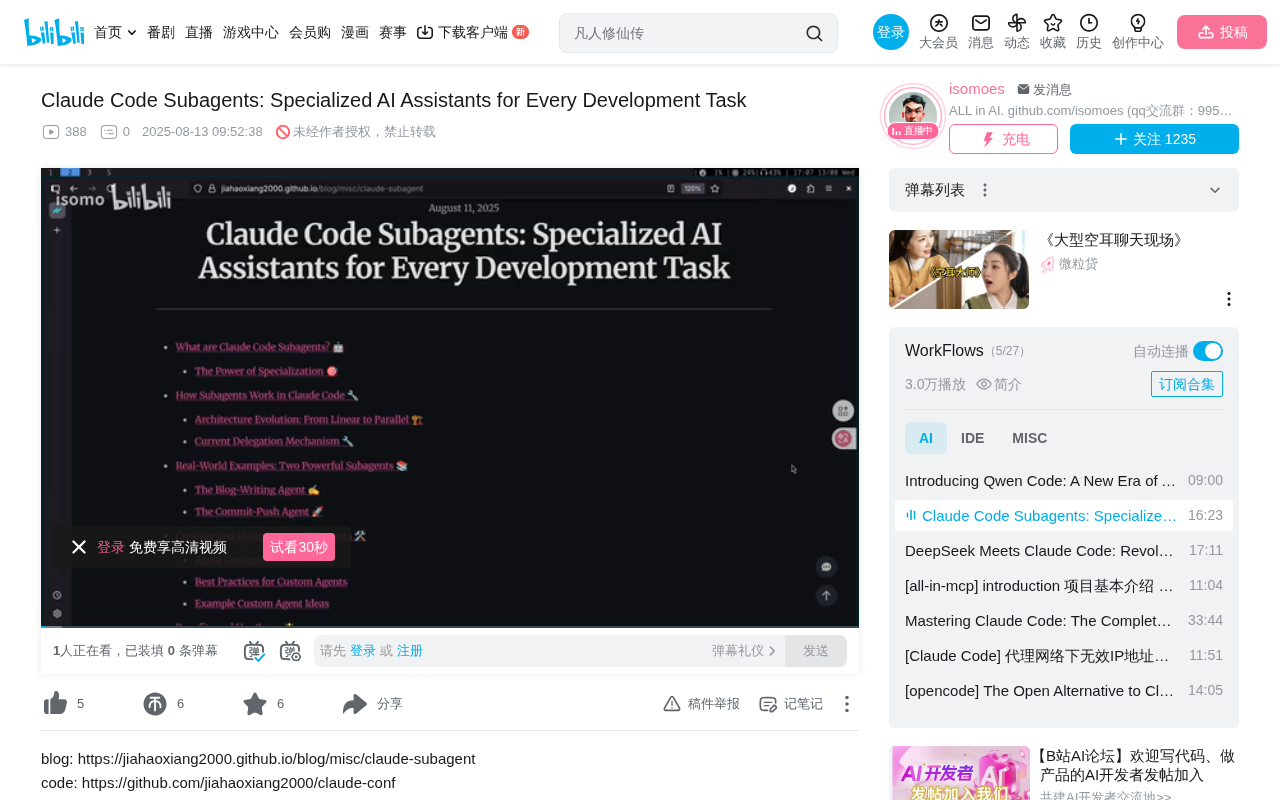
Claude Code Sub-Agent: A Practical Guide to Multi-Agent Collaboration for Enhanced Development Efficiency
Deep dive into Claude Code Sub-Agent mechanism with a practical blog writing + Git commit case study, showing how multi-agent collaboration solves instruction loss and context bloat issues.
Read more →
 Tutorials
·3 min
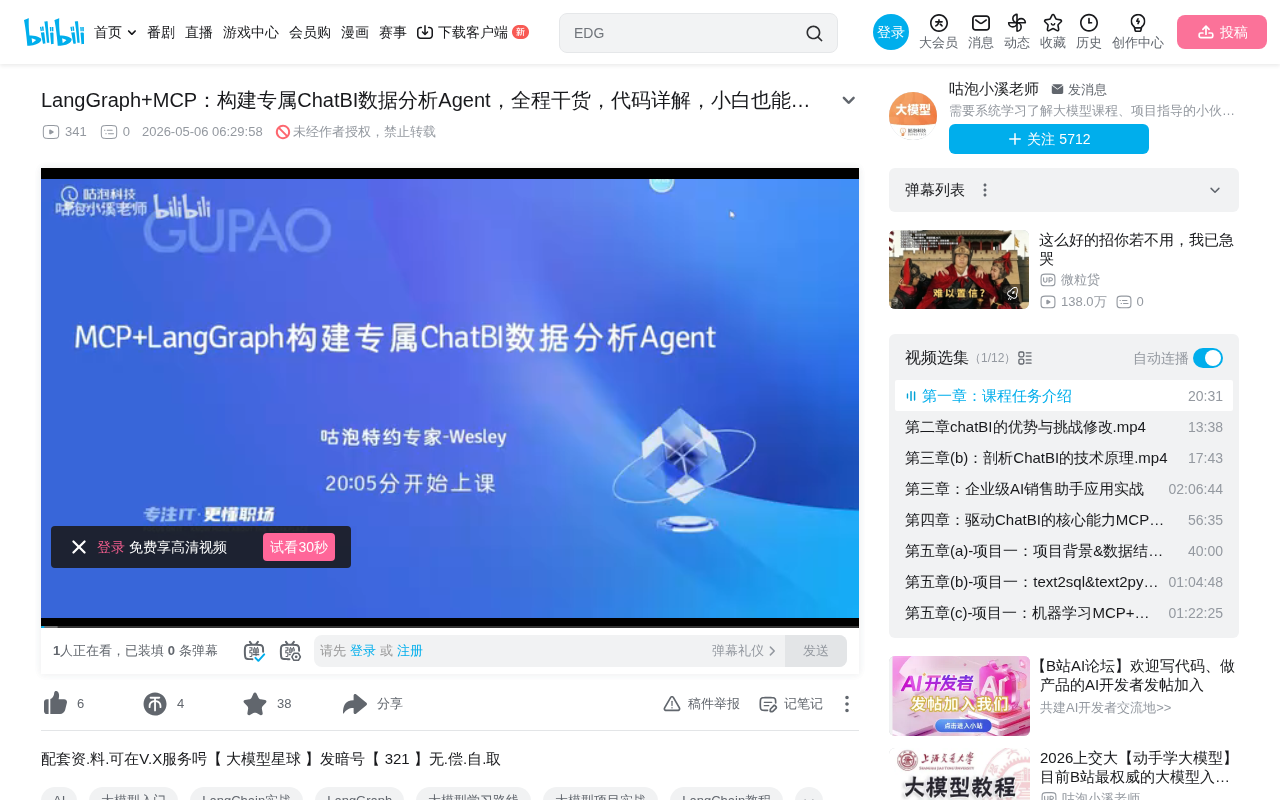
LangGraph + MCP: A Practical Guide to Building Enterprise-Grade ChatBI Data Analysis Agents
Learn how to build a ChatBI data analysis Agent from scratch using LangGraph + multi-MCP architecture, covering centralized-to-decentralized evolution, NL2SQL, agent orchestration, and enterprise deployment.
Read more →
 Tutorials
·2 min
npcpy: An Open-Source Framework That Rethinks AI Agent Development with Software Engineering Principles
Deep dive into npcpy's four-layer architecture, multi-agent collaboration, knowledge graph lifecycle management, and deployment strategies for building stable, controllable AI Agent systems.
Read more →
 Deep Dives
·3 min
From Copilot to Agentic AI: Understanding AI's Evolution Through Four Stages
A systematic breakdown of AI's four-stage evolution from Chat Mode to Agentic AI, covering multi-agent architectures, ReAct framework, and MCP protocol.
Read more →
 Tutorials
·3 min
Open-Source Multi-Agent Intelligent Diagnostic System: Deep Dive into MCP + RAG + Skill Routing Architecture
Deep dive into an open-source multi-Agent diagnostic system built on modified OneCall, featuring MCP real-time interaction, RAG-enhanced Q&A, and Skill routing to minimize Token consumption.
Read more →