#multi-agent
362 related articles
Tutorials
Claude Code + Skills: A Practical Guid…
·3 min
Claude Code + Skills: A Practical Guide to 10x AI-Driven Test Case Generation
Learn how Claude Code combined with Skills encapsulation enables AI-driven test case generation with 10x efficiency gains, from 33 to 400+ cases through encoded expert knowledge.
Read more →
Tutorials
LLM Learning Roadmap: A Complete Guide…
·3 min
LLM Learning Roadmap: A Complete Guide from Beginner to Project Implementation Across Seven Core Modules
A systematic breakdown of seven core LLM learning modules covering environment setup, Prompt Engineering, RAG, Agents, dev frameworks, fine-tuning, and hands-on projects for developers.
Read more →
Tutorials
Advanced Codex Tips: Building a Cursor…
·2 min
Advanced Codex Tips: Building a Cursor-Level Development Experience
Advanced OpenAI Codex tips including sidebar shortcuts, batch Agent sub-tasks, session management, and environment setup to create a Cursor-level development experience.
Read more →
Tutorials
Multi-Agent Automated Coding Framework…
·3 min
Multi-Agent Automated Coding Framework: A Deep Dive into Zero-Intervention Project Delivery
Deep dive into a multi-Agent automated coding framework using file state machines, scheduler orchestration, and multi-agent collaboration to achieve fully automated development from requirements to delivery in 3.5 hours with zero intervention.
Read more →
Tech Frontiers
Google Anti-Gravity 2.0 Explained: The…
·1 min
Google Anti-Gravity 2.0 Explained: The Multi-Agent Development Platform Replacing Gemini CLI
Google Anti-Gravity 2.0 officially replaces Gemini CLI with a desktop app, CLI terminal, and SDK. Powered by Gemini 3.5 Flash, it supports multi-Agent parallel collaboration and one-click Managed Agents deployment.
Read more →
Product Reviews
Mistral Vibe: Free Open-Source Termina…
·2 min
Mistral Vibe: Free Open-Source Terminal AI Coding Assistant — A Claude Code Alternative
Mistral Vibe is an open-source, free terminal AI coding agent by Mistral with sub-agents, async processing, and Slash commands — a powerful Claude Code alternative for developers.
Read more →
 Tutorials
·3 min
AI Agent Development in Practice: 5 Evolutionary Stages from API Calls to Multi-Agent Collaboration
A complete guide to AI Agent development evolution: from API First principles to multi-Agent collaboration, covering prompt optimization, context engineering, and memory mechanisms to build reliable enterprise Agent systems.
Read more →
 Tutorials
·3 min
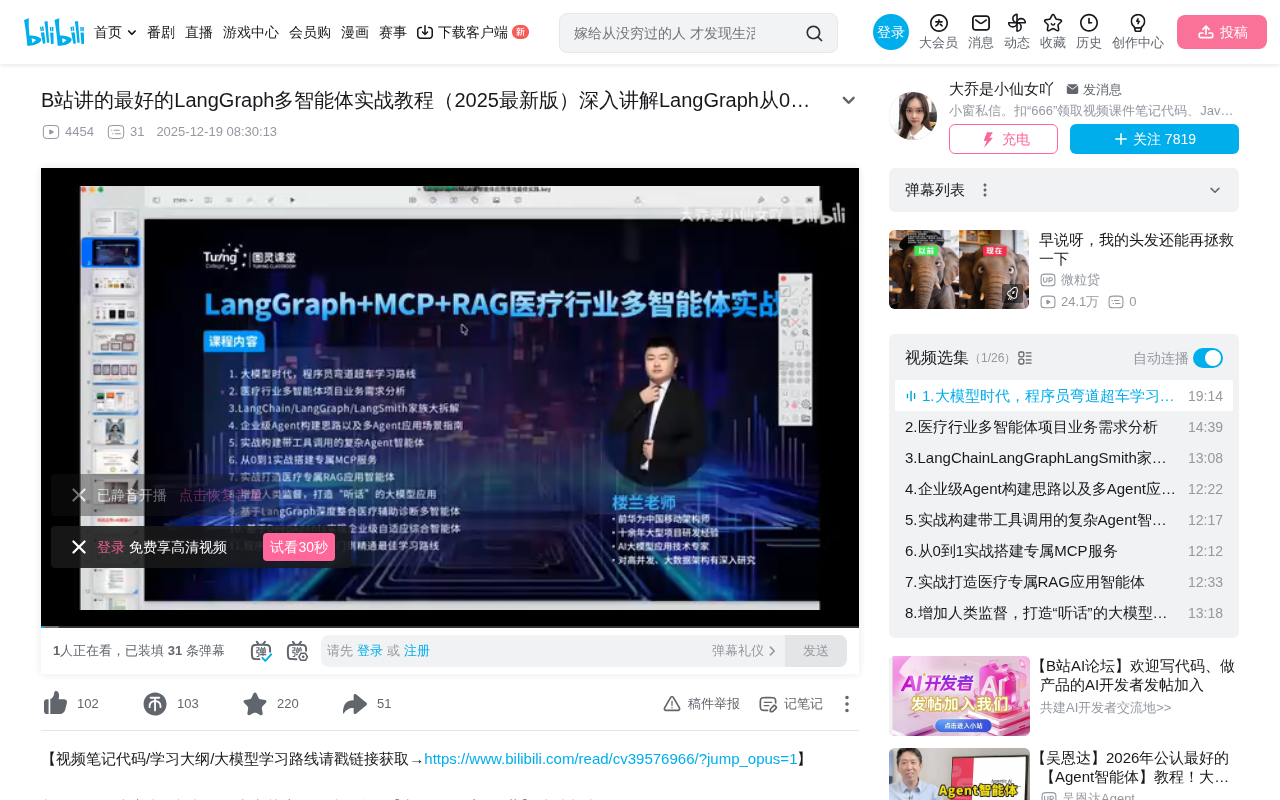
LangGraph Multi-Agent in Practice: Building a Medical Agent System from Scratch
A deep dive into LangGraph multi-agent architecture for healthcare, covering LangChain, RAG, and MCP integration, from requirements analysis to Agent orchestration.
Read more →
 Tutorials
·2 min
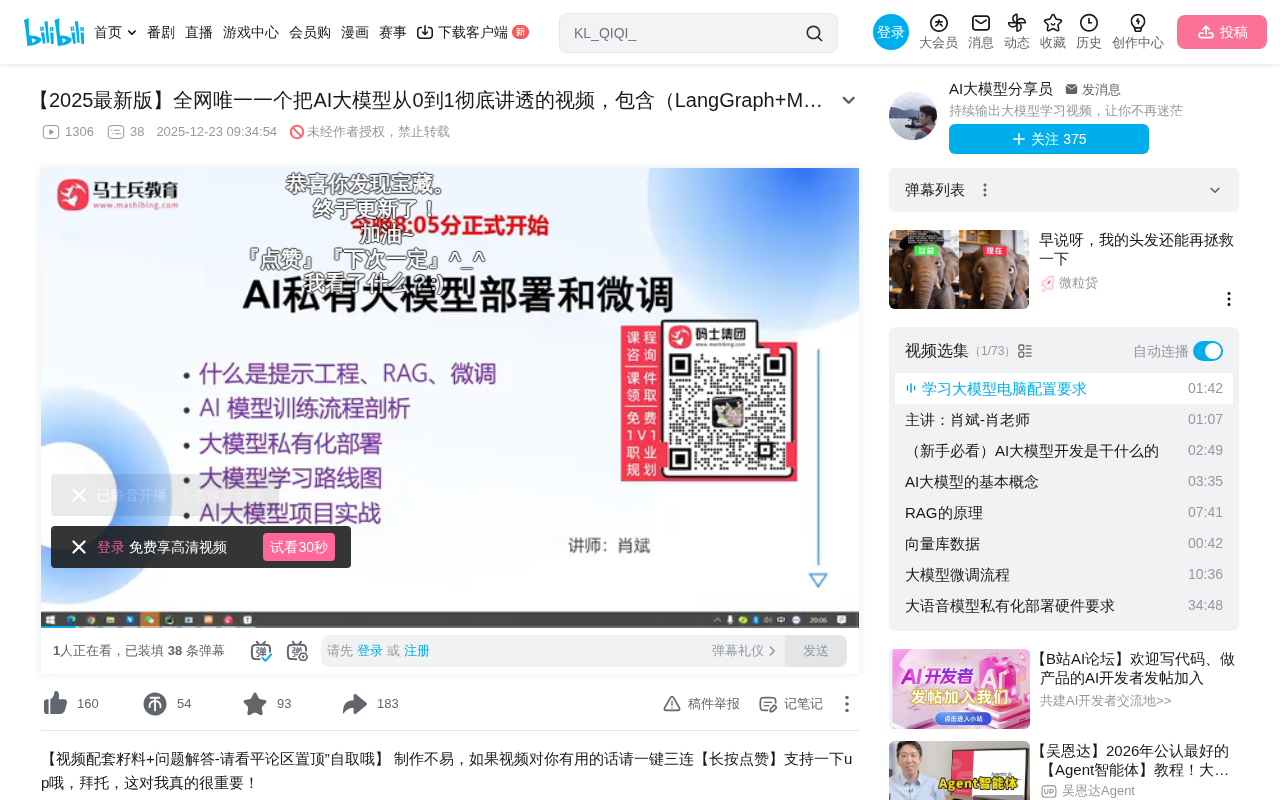
Beginner's Guide to AI Large Language Models: GPU Requirements & Core Tech Stack Explained
2025 complete guide to AI LLMs: local deployment GPU/VRAM requirements (RTX 4090/24GB) and core tech stack including Prompt Engineering, Agents, MCP, LangGraph, and WorkFlow orchestration.
Read more →
 Deep Dives
·4 min
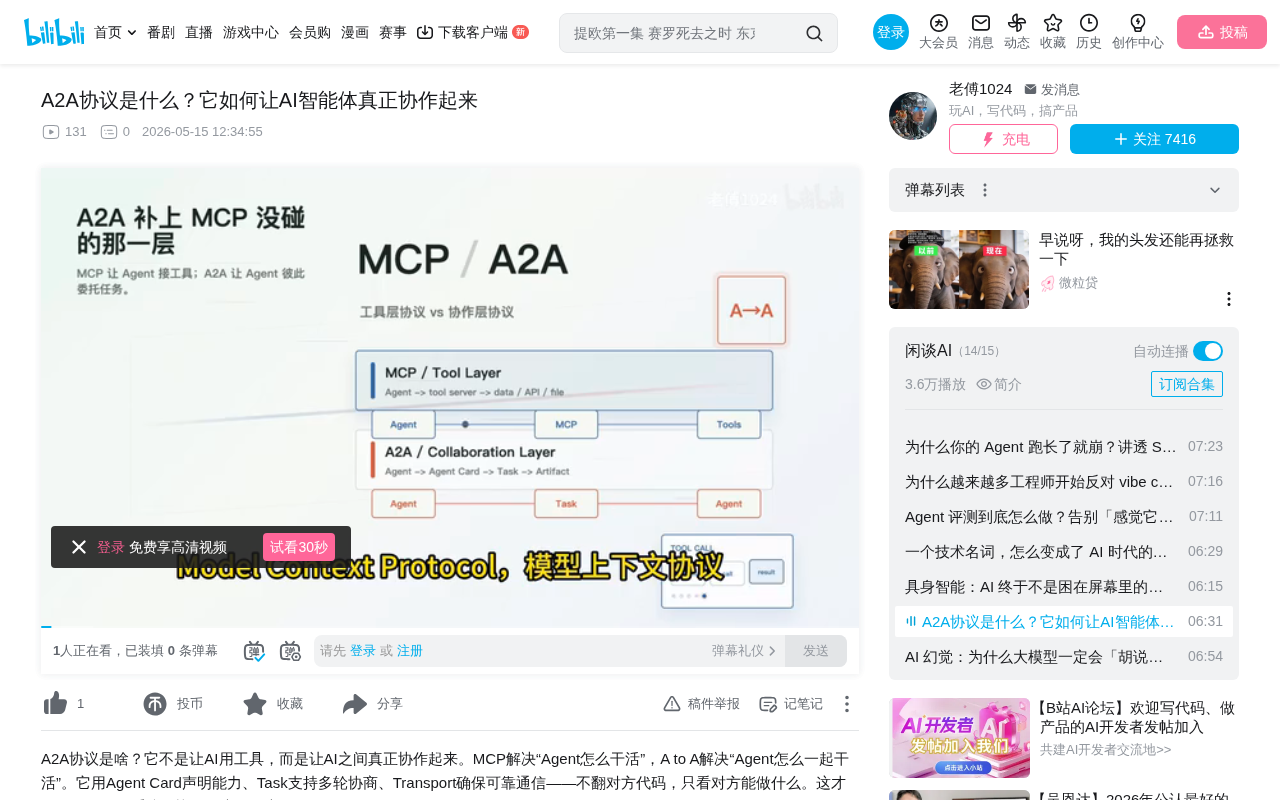
A2A Protocol Explained: Complementing MCP to Build a Standard Communication Layer for Multi-Agent Collaboration
Deep dive into Google's A2A protocol core mechanisms (Agent Card, Task, Transport), comparing A2A vs MCP roles, and tracing the evolution from tool calling to multi-agent team collaboration.
Read more →
 Product Reviews
·4 min
FreeBuff Free AI Coding Assistant In-Depth Review: 9 Sub-Agent Architecture & User Experience
In-depth review of FreeBuff free AI terminal coding assistant: analyzing its 9 sub-agent architecture, multi-model switching, ad-supported business model, and privacy considerations vs. competitors like Verdant.
Read more →
 Product Reviews
·4 min
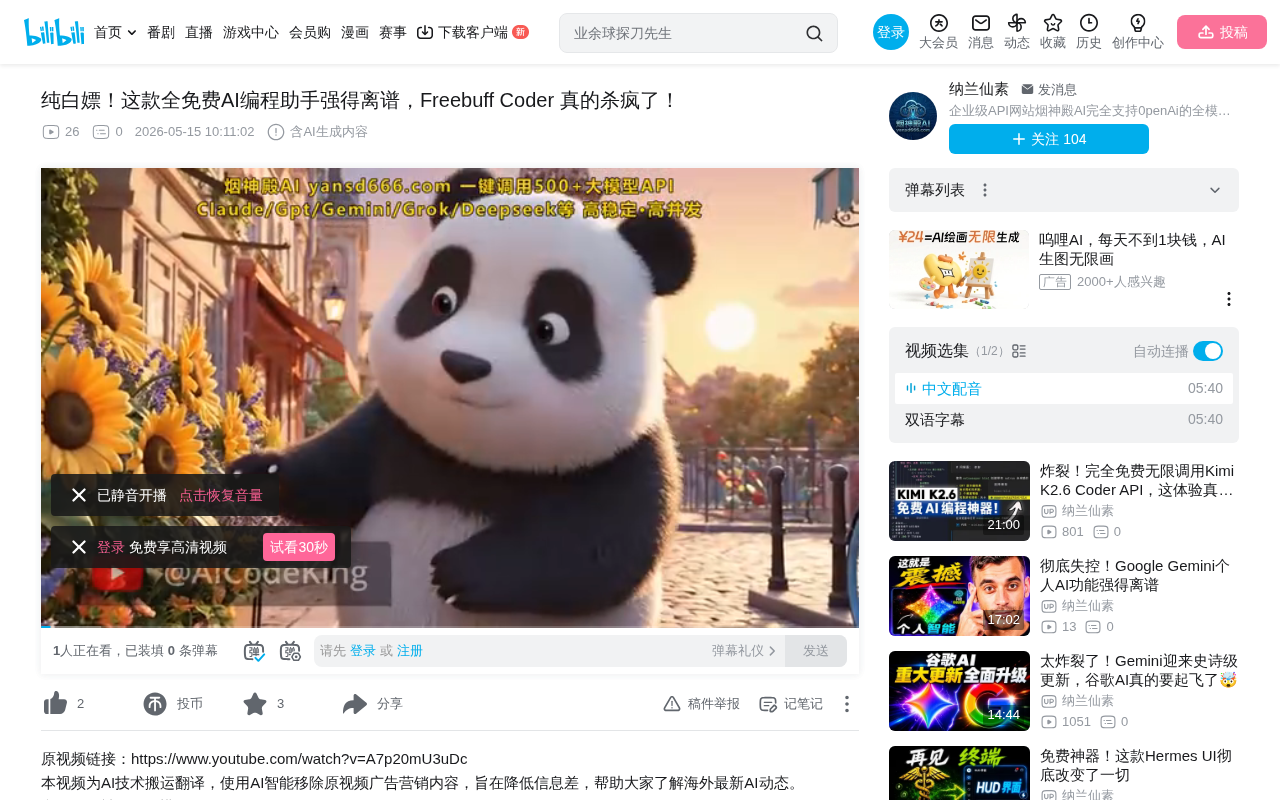
FreeBuff Coder Review: Is This Ad-Supported Free AI Coding Assistant Actually Worth Using?
Comprehensive review of FreeBuff Coder free terminal AI coding assistant, covering its 9 sub-agents, DeepSeek V4 model routing, IPIR workflow, privacy concerns, and comparison with Claude Code.
Read more →
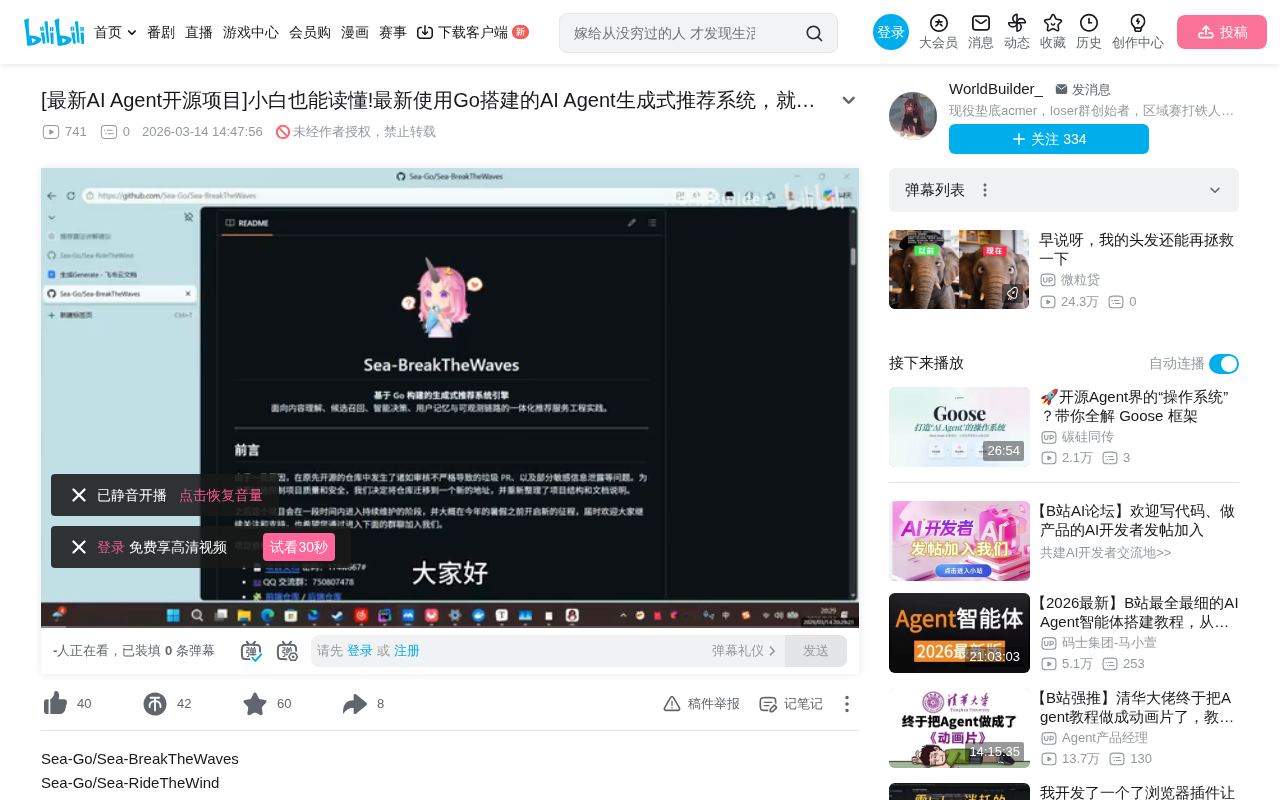 Tutorials
·4 min
Building a Generative Recommendation System with Go and AI Agents: Architecture Design and Practical Analysis
Deep dive into a Go-based generative recommendation system powered by LLMs, covering three-level semantic understanding, three-layer user memory, and five-dimensional feedback design.
Read more →
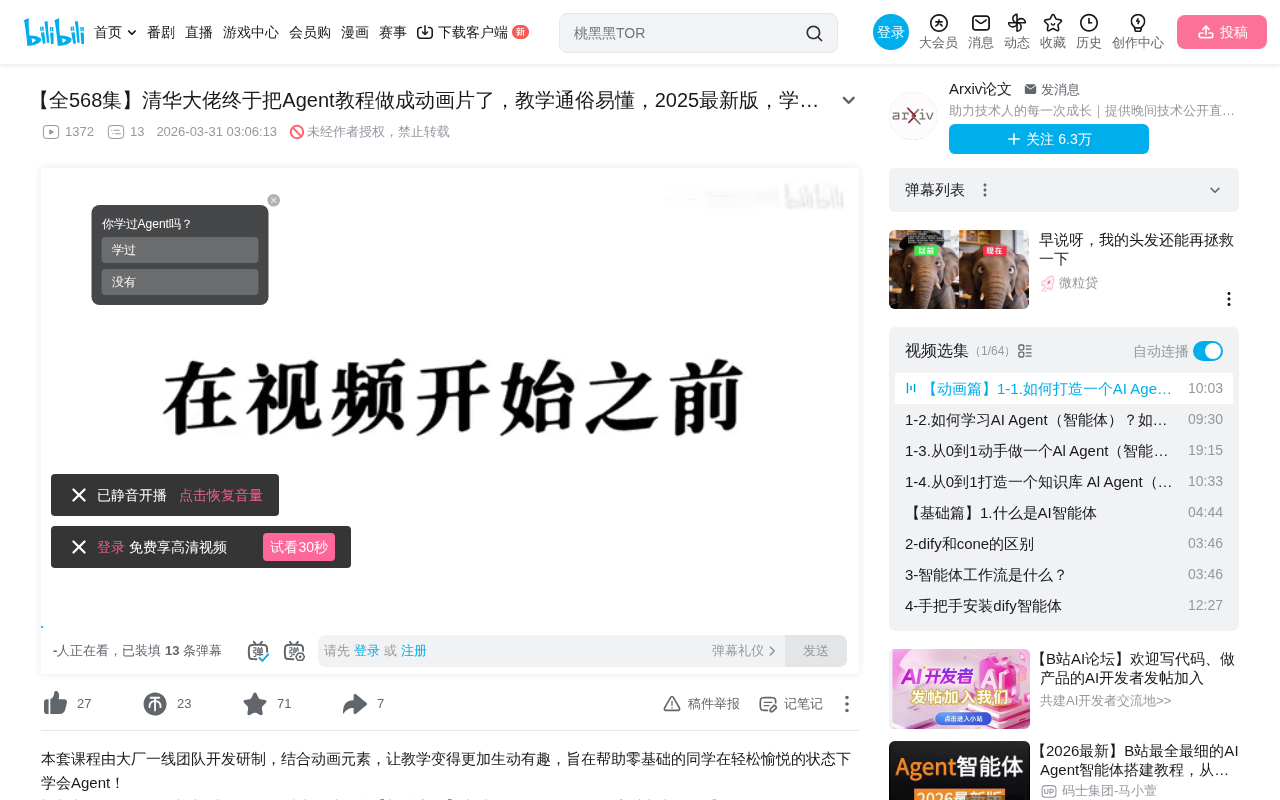 Tutorials
·3 min
Commercial AI Agent Development Guide: 7 Key Steps to Build from Scratch
A complete guide to building commercial AI Agents in 7 steps: requirements analysis, model selection, prompt engineering, Dify/Coze platform comparison, data storage, testing, and deployment.
Read more →
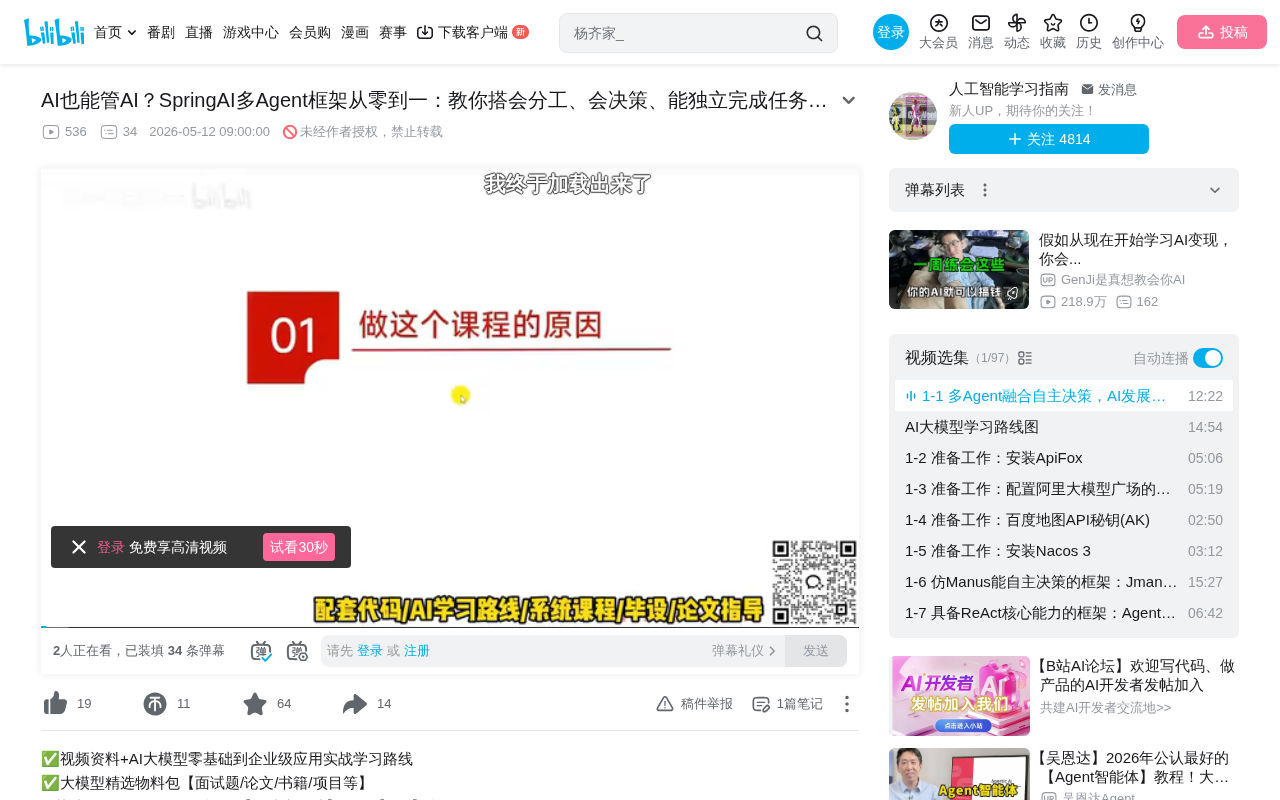 Deep Dives
·4 min
The Four Stages of AI Agent Evolution: A Complete Guide from Copilot to Multi-Agent Collaboration
Deep dive into the four stages of AI Agent evolution: Chat, Copilot, Agent, and Agentic AI. Covers ReAct framework, Spring AI stack, and multi-Agent architecture design for 2025.
Read more →
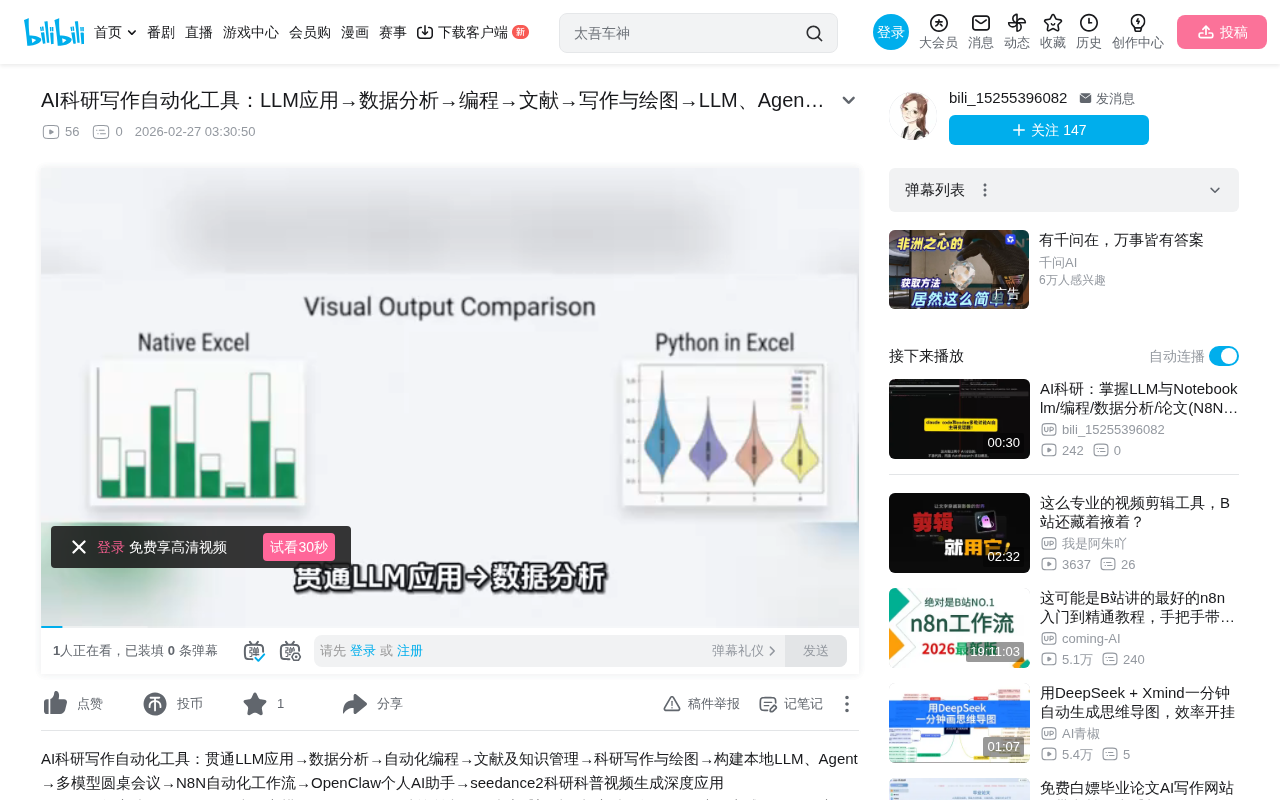 Tutorials
·4 min
AI-Powered Research in Practice: From LLM Selection to Building Automated Workflows with N8N
A deep dive into AI-driven research methodology: LLM selection, Python automation, Zotero reference management, Overleaf writing, local LLM deployment, and N8N workflow automation.
Read more →
 Deep Dives
·4 min
From Copilot to Agentic AI: A Complete Guide to Multi-Agent Collaboration Architectures
Deep dive into AI's four-stage evolution from Chat to Agentic AI, covering multi-Agent architectures, ReAct framework, and MCP protocol for developers.
Read more →
 Product Reviews
·3 min
How to Choose an AI Agent Framework in 2026? Pros and Cons of Four Leading Solutions
Compare four leading AI Agent frameworks in 2026: Coze, AutoGen, CrewAI, LangChain, and AutoGen Studio — covering coding requirements, private deployment, and commercialization.
Read more →
 Product Reviews
·4 min
AI Agent Framework Selection in 2025: Pros and Cons of Coze, AutoGPT, LangChain, and AutoGen
2025 comparison of four major AI Agent frameworks: Coze for beginners, AutoGPT/LangChain/MetaGPT for developers, Microsoft AutoGen for enterprise self-hosted deployment. A practical selection guide.
Read more →
 Deep Dives
·3 min
98 Expert Agents Working in Concert: A Deep Dive into an Open-Source Multi-Agent Orchestration Framework
Deep dive into a trending open-source multi-agent framework with 98 expert agents, swarm orchestration, HNSW vector memory, autonomous learning, and Agent Federation for distributed collaboration.
Read more →