#token consumption
186 related articles
 Tutorials
·3 min
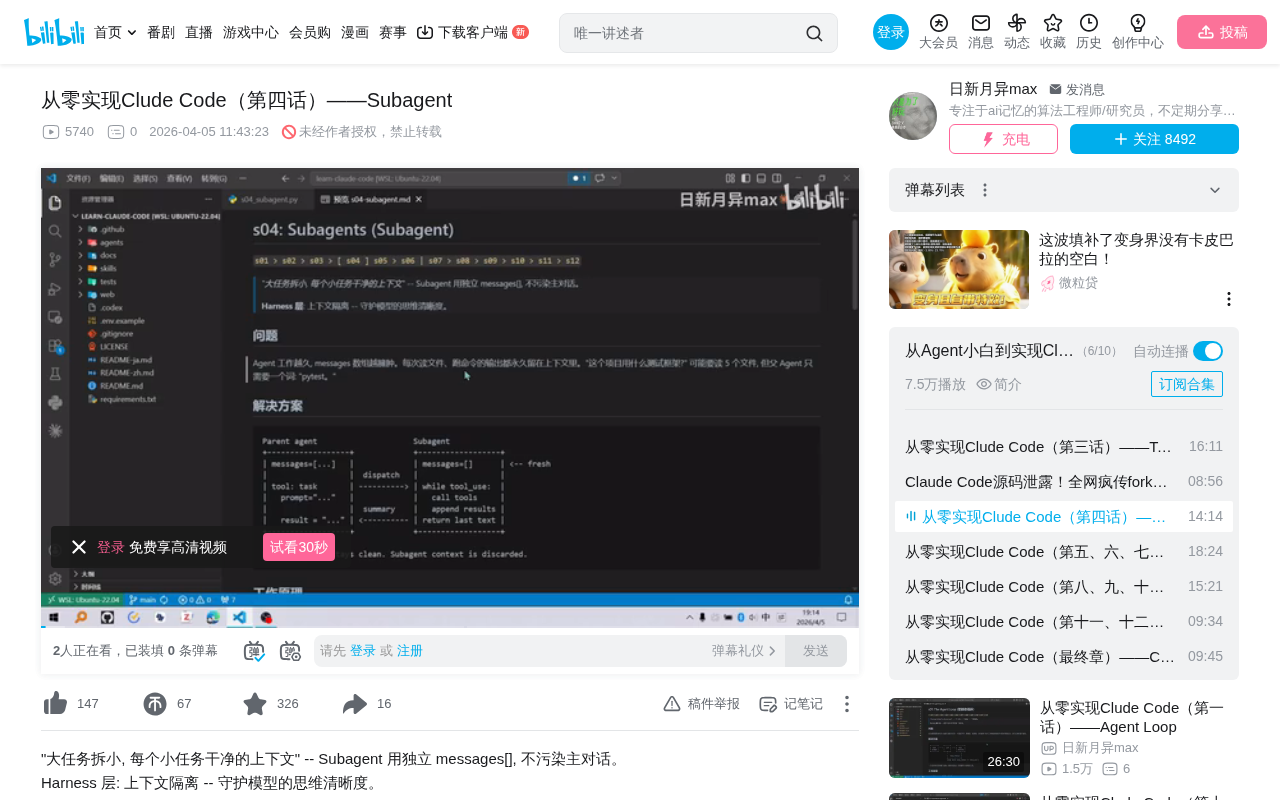
SubAgent Architecture: The Core Implementation for Context Isolation
Deep dive into SubAgent context isolation architecture, covering parent-child Agent roles, tool definitions, run_subagent implementation, and differences from TodoList and Agent Teams.
Read more →
 Deep Dives
·3 min
Claude Sub-agents vs Agent Teams: How to Choose Between Two AI Multi-Agent Collaboration Patterns
Deep comparison of Claude sub-agents vs agent teams: architecture differences, use cases, and real-world results. A Pokémon RPG case study shows how agent teams achieve 95%+ feature completeness.
Read more →
 Tutorials
·2 min
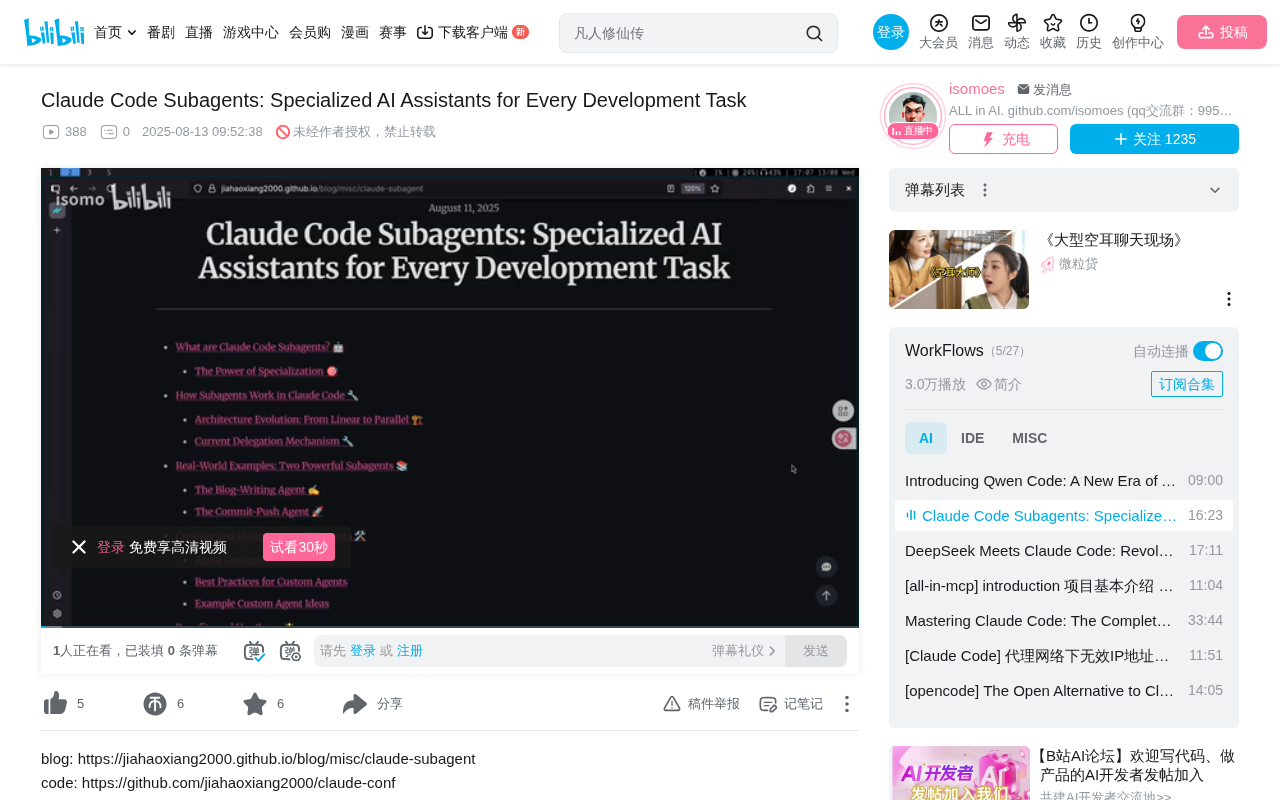
Claude Code Sub-Agent: A Practical Guide to Multi-Agent Collaboration for Enhanced Development Efficiency
Deep dive into Claude Code Sub-Agent mechanism with a practical blog writing + Git commit case study, showing how multi-agent collaboration solves instruction loss and context bloat issues.
Read more →
 Deep Dives
·3 min
Deep Dive into MCP Code Execution & Agent Skills: Compressing 150K Tokens Down to 2,000
Deep analysis of two MCP ecosystem breakthroughs: code execution compresses tool definitions from 150K to 2K tokens, and Agent Skills enable capability packaging and reuse.
Read more →
 Tutorials
·3 min
Open-Source Multi-Agent Intelligent Diagnostic System: Deep Dive into MCP + RAG + Skill Routing Architecture
Deep dive into an open-source multi-Agent diagnostic system built on modified OneCall, featuring MCP real-time interaction, RAG-enhanced Q&A, and Skill routing to minimize Token consumption.
Read more →
 Product Reviews
·3 min
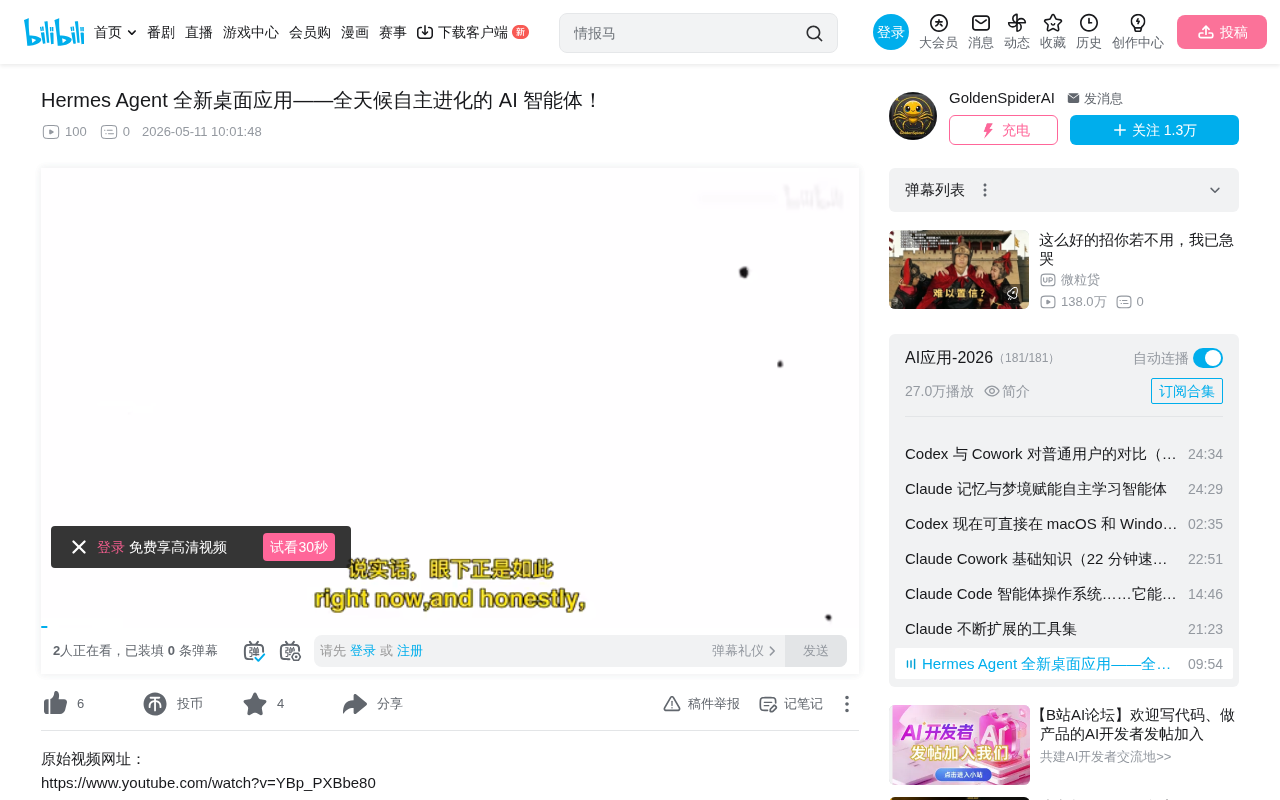
Hermes Agent Desktop App: The Self-Evolving Open-Source AI Agent
Deep dive into Hermes Agent desktop app: closed-loop learning, persistent cross-session memory, multi-agent management, and tool integration. Discover how this open-source AI agent self-evolves to become a true productivity powerhouse.
Read more →
 Tutorials
·3 min
From Programmer to Agent Developer: A Detailed Four-Stage Learning Roadmap
A systematic four-stage learning roadmap for programmers transitioning to AI Agent development, covering core theory, ReAct and classic paradigms, Prompt engineering, and hands-on projects.
Read more →
 Tech Frontiers
·3 min
GPT-5.3 Codenamed "Garlic" Coming Soon, Claude Cowork Launches Targeting Non-Developers
OpenAI's GPT-5.3 codenamed Garlic is coming soon, Anthropic launches Claude Cowork for non-developers, plus breakthroughs in Baichuan M3 medical and SiNong agricultural AI models.
Read more →
 Deep Dives
·2 min
Agents Need Control Flow, Not More Prompts
Why do longer Prompts make AI Agents less stable? This article explains the control flow first architecture, replacing natural language control flow with code orchestration to boost multi-step reliability from 40% to over 90%.
Read more →
 Tutorials
·2 min
Five Core Differences Between Claude Code and Traditional AI Chat Tools
Compare Claude Code vs traditional AI chat tools like ChatGPT across 5 dimensions: interaction, context, execution, memory, and tool invocation to decide if this AI coding assistant is right for you.
Read more →
 Product Reviews
·2 min
G-Rec: An Open-Source Agent Framework Built for Gemini CLI
G-Rec is an open-source agent framework built on Gemini 2.5 Pro with Windows/Chinese path support, persona systems, and skills extension, offering a free alternative to Claude Code.
Read more →
 Product Reviews
·3 min
Google AI Studio Build 2.0 Deep Dive: A Comprehensive Breakdown of Five Core Upgrades
Deep dive into Google AI Studio Build 2.0's major upgrade: Anti-Gravity agent, Firebase integration, full-stack support, server-side generation, and multi-framework options transforming this free AI coding platform.
Read more →
 Product Reviews
·3 min
Kimi K2.6 In-Depth Review: A Complete Breakdown of Its Coding and Agent Capabilities
In-depth review of Kimi K2.6's coding, Agent collaboration, and visual development capabilities. #1 open-source on SWE-Bench Pro, 300 parallel sub-agents, API priced at 1/3 of competitors.
Read more →
 Tutorials
·3 min
Deep Agents: Enterprise-Grade Agent Engineering and Deep Research Implementation Guide
Learn how the Deep Agents framework solves enterprise AI Agent challenges like tool sprawl and context pollution, with a complete Deep Research implementation guide covering task decomposition, multi-source integration, and structured report generation.
Read more →
Tutorials
One Command to Use GPT-5.5 for Free wi…
·2 min
One Command to Use GPT-5.5 for Free with OpenClaw
Learn how to configure OpenClaw AI coding assistant with one command to call OpenAI's GPT-5.5 model via the Codex plugin, reusing your GPT membership at zero extra cost.
Read more →
Product Reviews
AI Coding Appliance vs Cloud LLMs: Can…
·2 min
AI Coding Appliance vs Cloud LLMs: Can ¥480K in Annual Fees Buy 4 Local Deployment Solutions?
A deep cost comparison between AI coding appliances and cloud LLM APIs. A 20-person team spending ¥480K/year on tokens can deploy 4 local OnePanel units at ¥99K each, breaking even in 2.5 months.
Read more →
Tutorials
Running Out of Codex Credits? AnySearc…
·2 min
Running Out of Codex Credits? AnySearch Skill Saves You Massive Token Overhead
Real-world testing shows AnySearch Skill saves ~27% Token overhead for Codex while significantly improving search quality. Learn how it works, how to install it, and when to use it.
Read more →
Tutorials
The Complete Vibe Coding Workflow: A S…
·3 min
The Complete Vibe Coding Workflow: A Step-by-Step Guide for Non-Developers to Build and Ship Products Independently
A complete 7-step Vibe Coding guide from requirements to deployment. Learn how non-developers can independently build and ship products using VS Code and Claude Code, with PRD writing, static Demo validation, and step-by-step development.
Read more →
Product Reviews
Trae Solo In-Depth Review: Is ByteDanc…
·3 min
Trae Solo In-Depth Review: Is ByteDance's Free AI Coding Tool Actually Usable?
In-depth review of ByteDance's Trae Solo free AI coding tool, evaluating token quotas, 6-project concurrency, cross-platform sync, and model quality for domestic individual developers.
Read more →
Product Reviews
GPT-5 Codex Deep Dive: 93% Token Savin…
·2 min
GPT-5 Codex Deep Dive: 93% Token Savings But Tool Ecosystem Still Needs Work
Deep testing GPT-5 Codex: 93.7% Token savings on simple tasks with deeper reasoning on complex ones. But UI quality drops, search is poor, and tool ecosystem fragmentation remains a major issue.
Read more →