#unified interface
79 related articles
Tutorials
Claude Code Source Code Study Guide: E…
·3 min
Claude Code Source Code Study Guide: Efficiently Mastering Core AI Agent Development Architecture
Learn AI Agent development from Claude Code's 510K lines of source code, covering Agent Loop, context compression, multi-Agent orchestration, and two efficient study methods.
Read more →
Tutorials
Multi-Model Hot-Swap Architecture: Swi…
·2 min
Multi-Model Hot-Swap Architecture: Switch AI Models at Minimal Cost
A complete guide to building a multi-model hot-swap architecture for production AI projects, covering abstraction layers, adapter patterns, visual configuration, and error-fixing workflows.
Read more →
Tutorials
Complete Guide to Building Claude MCP …
·2 min
Complete Guide to Building Claude MCP Services: From Local Development to Remote Deployment
Complete guide to MCP server setup: FastMCP local development, Claude CLI registration, STDIO vs HTTP communication modes, and Docker containerized remote deployment for AI-callable tool services.
Read more →
Product Reviews
OpenCode: A Deep Dive into the Termina…
·3 min
OpenCode: A Deep Dive into the Terminal AI Coding Tool Built with Go
Deep dive into OpenCode, a terminal AI coding tool built with Go. Blazing-fast startup, multi-model support (Gemini, Claude), built-in Vim editor, and LSP integration. Compared with Claude Code and Aider.
Read more →
Tutorials
WenzAgent Open-Source Framework: A Pra…
·2 min
WenzAgent Open-Source Framework: A Practical Tutorial for Multi-Agent Collaborative Management on LAN
A detailed guide on deploying WenzAgent, an open-source multi-Agent management framework under Apache License, supporting LAN-based multi-device AI agent collaboration with Server-Client architecture.
Read more →
Tutorials
Getting Started with LangChain: Core C…
·3 min
Getting Started with LangChain: Core Concepts and Hands-On Guide for LLM and Agent Development
A systematic guide to LangChain's core features, covering LLM vs. Agent concepts, unified interface design, multi-provider support, environment setup, and hands-on code examples for AI app development.
Read more →
Deep Dives
Hermes Self-Evolution Framework: An Op…
·3 min
Hermes Self-Evolution Framework: An Open-Source Solution for Automated AI Agent Prompt Optimization
Deep dive into NousResearch's open-source Hermes Agent self-evolution framework, using DSPy and GEPA for automated prompt optimization with five-layer safety mechanisms.
Read more →
Product Reviews
Indie Developer Uses AI for Game Devel…
·2 min
Indie Developer Uses AI for Game Development: Cutscenes Done in Just 5 Minutes
An indie game developer shares practical experience using AI tools for game development, including generating cutscenes in 5 minutes with AI, implementing AAA-level character animations, and building a complete AI music, voice, and animation workflow.
Read more →
 Industry Insights
·3 min
Warp Bets on GPT-5.5: How AI Coding Agents Are Reshaping Open-Source Development Workflows
Warp deeply integrates GPT-5.5 to build cross-environment AI coding agents spanning local terminals, cloud deployment, and open-source collaboration. Explore its architecture, open-source strategy, and differentiation from GitHub Copilot.
Read more →
Tutorials
Multi-Model AI Development in Practice…
·2 min
Multi-Model AI Development in Practice: A Guide to Unified API Gateway Architecture Design
Learn how to overcome single-model AI limitations by designing a unified API gateway architecture for multi-model collaboration, covering task routing, failover, and cost optimization strategies.
Read more →
Product Reviews
Fitten Code MCP Launch: Connecting AI …
·2 min
Fitten Code MCP Launch: Connecting AI Agents to Unlimited External Tools
Fitten Code Agent now supports MCP protocol, enabling flexible integration with GitHub, Bing search, Excel, and other external tools to become a super AI programming assistant.
Read more →
 Product Reviews
·2 min
Cursor 3.0 Update Analysis: Multi-Agent Windows and Design Mode Hands-On Experience
Deep analysis of Cursor 3.0's two core updates: Agent Window for multi-Agent parallel development with cloud cross-device collaboration, and Design Mode for direct UI modification in the browser.
Read more →
 Tutorials
·3 min
Cursor 1.0 Getting Started Guide: Complete Workflow from Installation to MCP Setup
Complete guide to Cursor 1.0: installation, Chinese setup, MCP configuration, and AI Agent tips. From download to folder management, model selection, and file referencing for beginners.
Read more →
 Product Reviews
·3 min
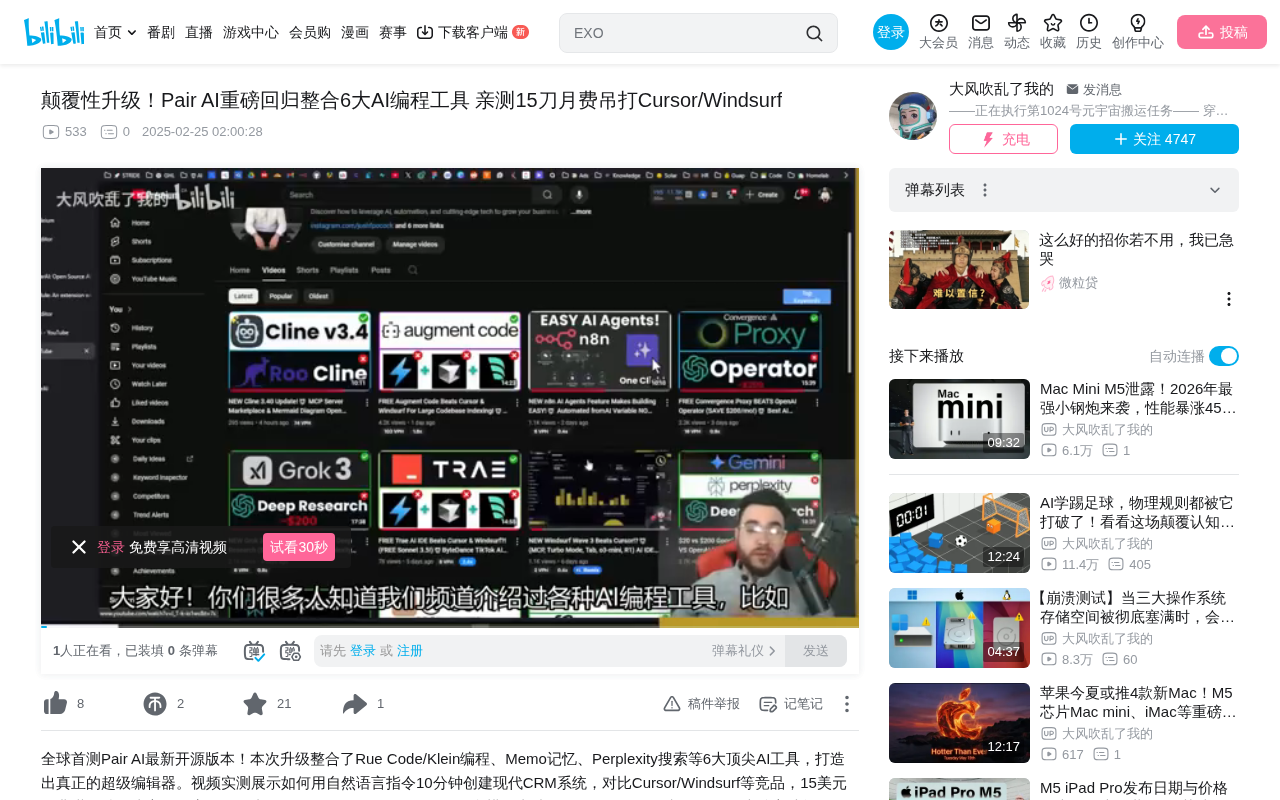
Pair AI Integrates 6 Major Tools to Build an AI Coding Super Editor
Pair AI natively integrates 6 AI coding tools—Roo Code, SuperMaven, Perplexity, Memo, Continue—into one editor starting at $15/month, competing with Cursor and Windsurf.
Read more →
 Product Reviews
·2 min
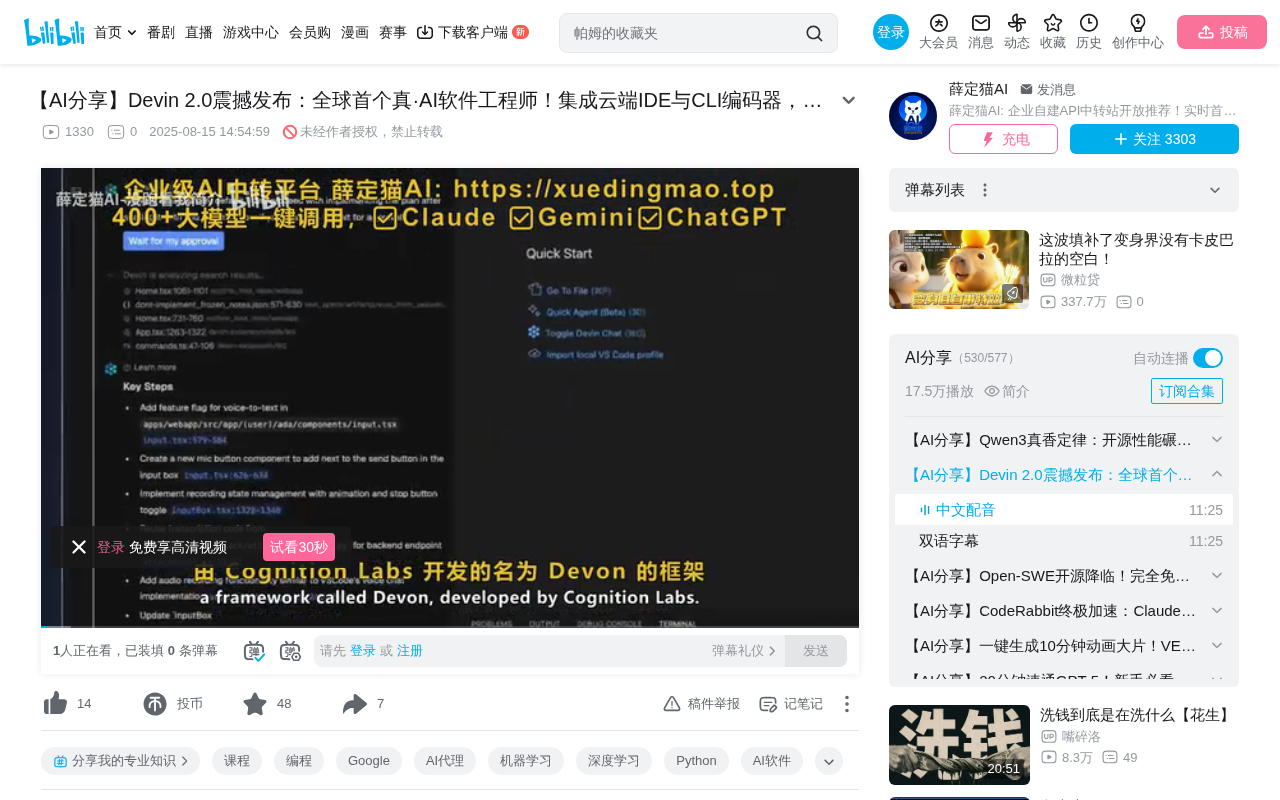
Devin 2.0 Deep Dive: What Can the First AI Software Engineer Actually Do?
Deep dive into Devin 2.0 — the latest evolution of the world's first AI software engineer. Exploring autonomous coding, multi-agent parallelism, Ask Devin, Deep Wiki, and how it differs from Copilot and Cursor.
Read more →
 Tutorials
·2 min
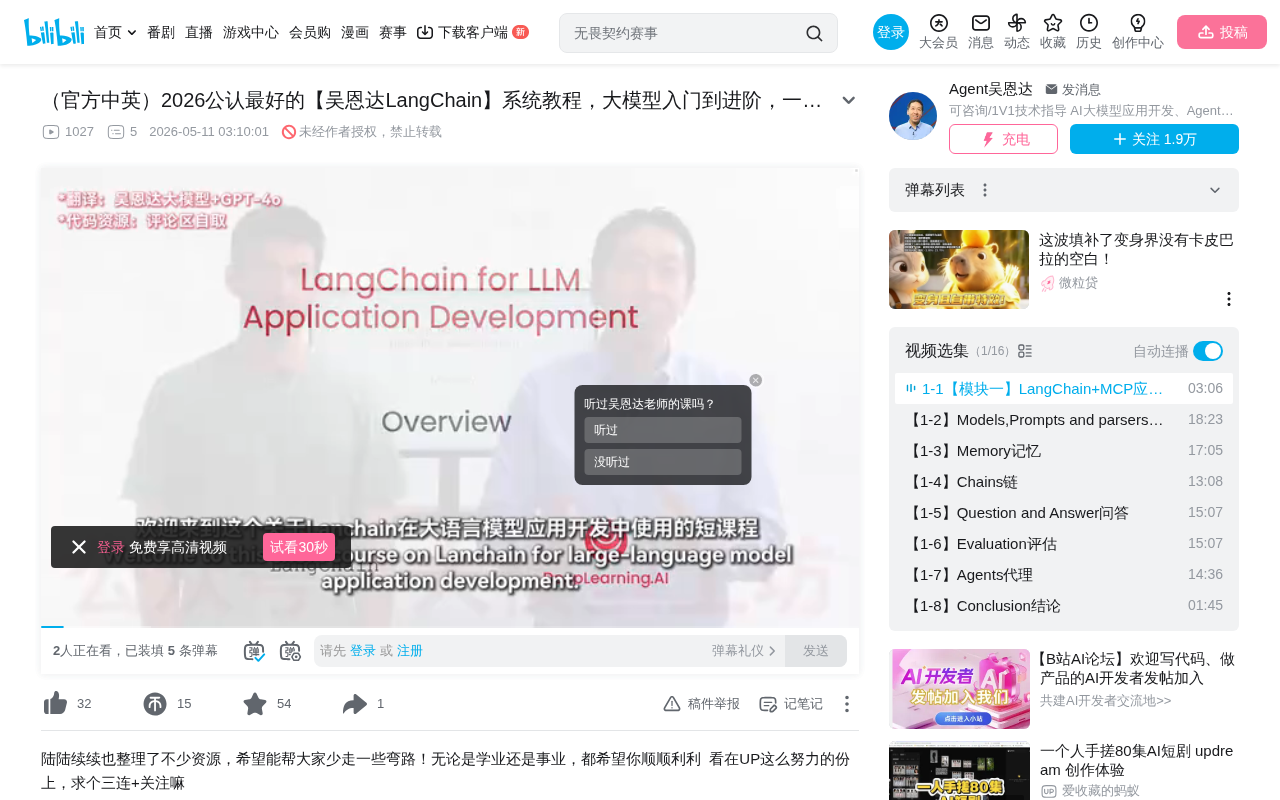
Complete Breakdown of Andrew Ng's LangChain Course: Five Core Components and Hands-On Guide
Deep dive into Andrew Ng and Harrison Chase's LangChain course, covering the five core components—Models, Prompts, Indexes, Chains, and Agents—to help developers master LLM app development.
Read more →
 Tutorials
·3 min
LangChain Core Concepts Explained: A Complete Guide to Components, Chains, and Agents
Deep dive into LangChain's three core concepts—Components, Chains, and Agents. Learn how this open-source framework connects LLMs to the external world and helps developers build enterprise AI apps.
Read more →
Tutorials
Advanced Codex Tips: Building a Cursor…
·2 min
Advanced Codex Tips: Building a Cursor-Level Development Experience
Advanced OpenAI Codex tips including sidebar shortcuts, batch Agent sub-tasks, session management, and environment setup to create a Cursor-level development experience.
Read more →