#AI Agents
416 related articles
 Tutorials
·2 min
Getting Started with Coze: A Complete Guide to Building AI Agents from Scratch
A detailed guide to Coze platform's core features, including the differences between AI agents and AI applications, plus a beginner's learning path for building AI agents with no-code tools.
Read more →
 Tutorials
·2 min
Coze Beginner's Guide: A Complete Tutorial for Building AI Agents with Zero Code
A detailed guide to Coze AI development platform's core features including agent building, workflow orchestration, knowledge base setup, and plugins — build custom AI apps with zero code.
Read more →
 Tech Frontiers
·3 min
Google Introduces AI Assistant in Job Interviews, OpenAI Launches Cybersecurity-Specific Model GPT-5.5 Cyber
Google introduces Gemini AI assistant in hiring to assess AI proficiency, OpenAI launches GPT-5.5 Cyber for critical infrastructure defense, Anthropic nears trillion-dollar valuation, Mozilla fixes 271 Firefox bugs with AI in two months.
Read more →
 Tutorials
·3 min
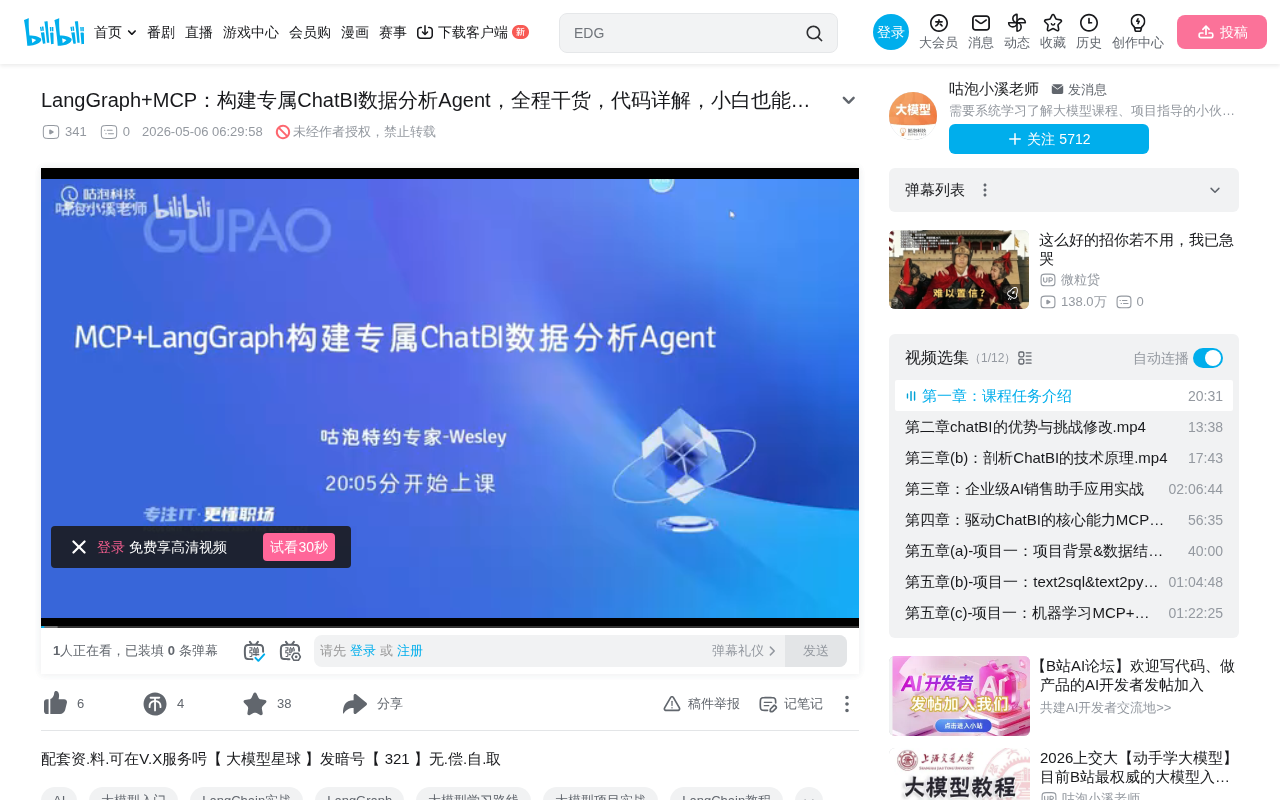
LangGraph + MCP: A Practical Guide to Building Enterprise-Grade ChatBI Data Analysis Agents
Learn how to build a ChatBI data analysis Agent from scratch using LangGraph + multi-MCP architecture, covering centralized-to-decentralized evolution, NL2SQL, agent orchestration, and enterprise deployment.
Read more →
 Tech Frontiers
·3 min
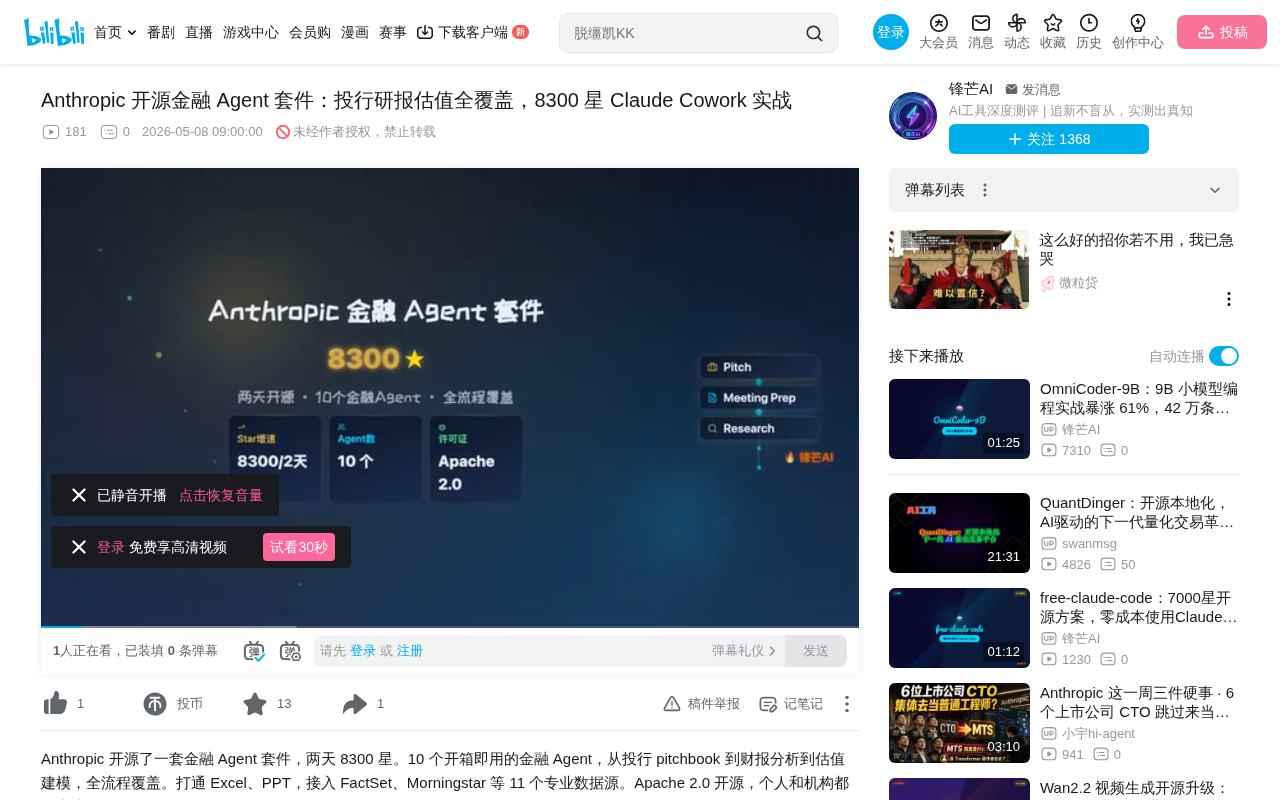
Anthropic Open-Sources Financial Agent Suite: 10 Agents Covering the Full Investment Banking Workflow
Anthropic open-sources a financial Agent suite with 10 specialized Agents covering Pitchbook creation, earnings analysis, and valuation modeling, integrating 11 data sources via MCP protocol under Apache 2.0 license.
Read more →
 Tutorials
·2 min
npcpy: An Open-Source Framework That Rethinks AI Agent Development with Software Engineering Principles
Deep dive into npcpy's four-layer architecture, multi-agent collaboration, knowledge graph lifecycle management, and deployment strategies for building stable, controllable AI Agent systems.
Read more →
 Deep Dives
·2 min
MCP Protocol Explained: The USB-C of the AI World
Deep dive into MCP (Model Context Protocol): architecture, how it works, and security risks. Learn the key differences between MCP and Function Calling.
Read more →
 Deep Dives
·3 min
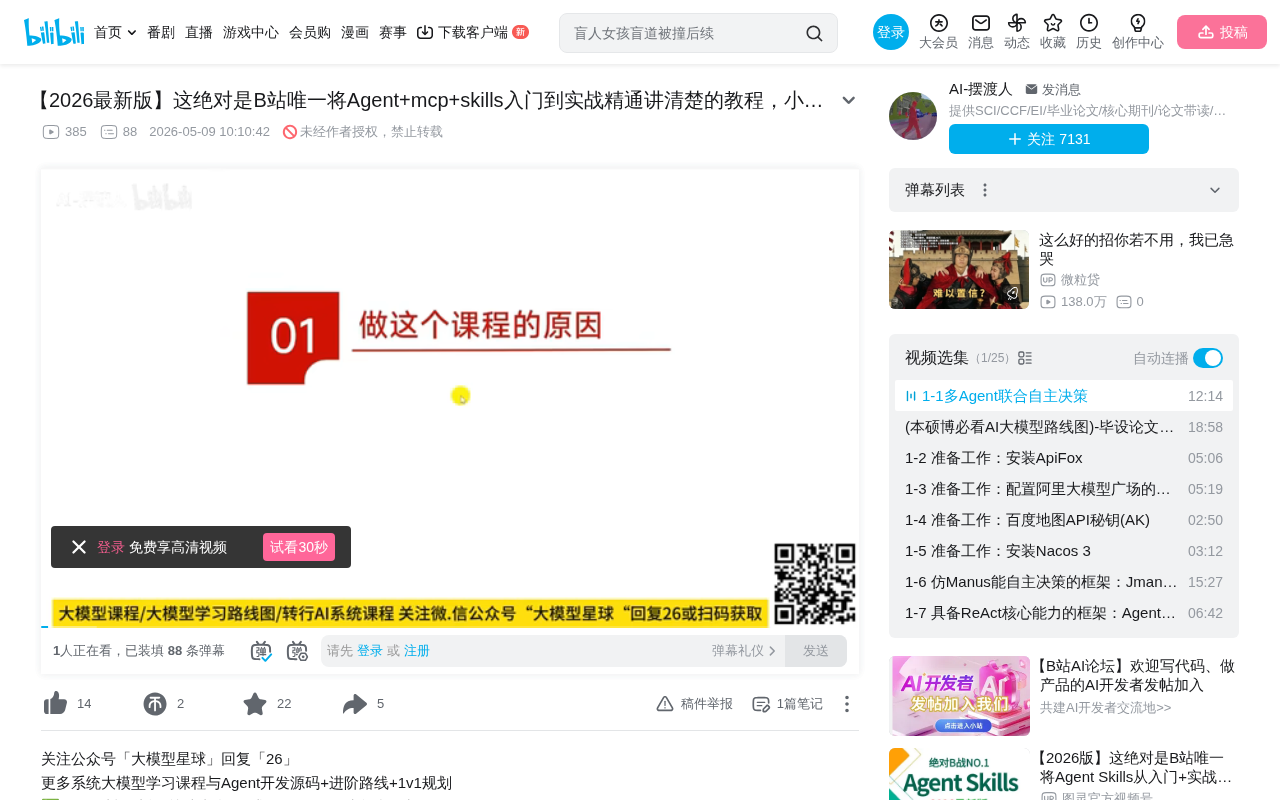
From Copilot to Agentic AI: Understanding AI's Evolution Through Four Stages
A systematic breakdown of AI's four-stage evolution from Chat Mode to Agentic AI, covering multi-agent architectures, ReAct framework, and MCP protocol.
Read more →
 Tutorials
·2 min
LangGraph vs LangChain: How to Choose Your Agent Development Framework
In-depth comparison of LangGraph vs LangChain: controllability, extensibility, and FastAPI-powered performance. Covers storage, enterprise private deployment, and migration guidance for agent developers.
Read more →
 Industry Insights
·2 min
Devin's Client List Revealed: Why Goldman Sachs, the U.S. Military, and Mercedes-Benz Are Choosing Autonomous AI Programming
Cognition's AI programming tool Devin reveals major clients including Goldman Sachs, U.S. military, and Mercedes-Benz. Analysis of three key signals marking the commercialization tipping point for enterprise AI programming.
Read more →
 Tech Frontiers
·2 min
AI Weekly: Kimi K2.6 Tops Open-Source Rankings, Qwen 3.6 and Google TTS Launch Together
Weekly AI roundup: Kimi K2.6 tops open-source rankings, Anthropic launches Opus 4.7 and Claude Design, Alibaba rolls out Qwen 3.6 series, Google releases emotion-controllable TTS model.
Read more →
 Tech Frontiers
·2 min
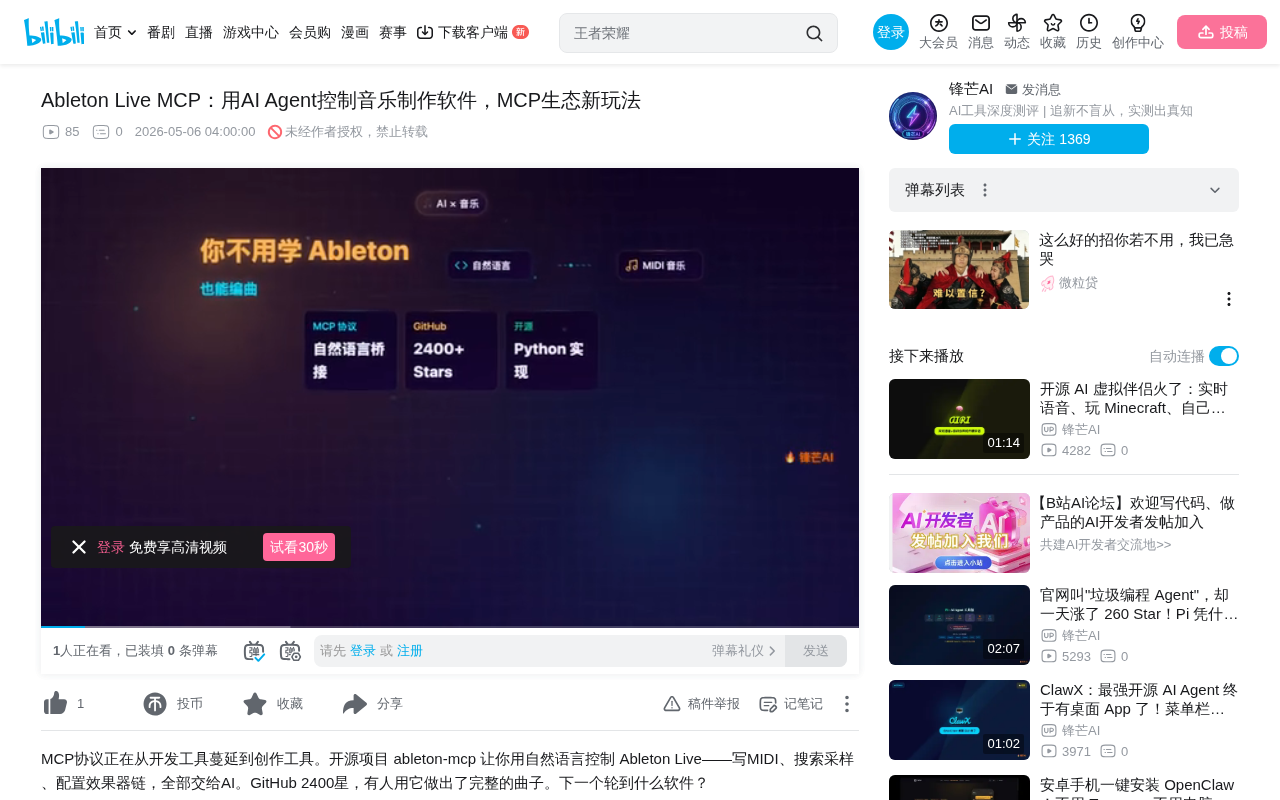
Ableton MCP: A New AI Paradigm for Controlling Music Production with Natural Language
Ableton MCP is an open-source project that lets AI Agents control Ableton Live via MCP protocol, enabling natural language MIDI generation, intelligent sound search, and automated mixing.
Read more →
 Product Reviews
·2 min
MemPalace: An Open-Source Tool That Gives AI Agents Local Long-Term Memory
MemPalace is an open-source local memory tool that builds long-term memory for AI Agents via verbatim storage, semantic retrieval, and MCP protocol, solving the pain of starting from scratch every session.
Read more →
 Product Reviews
·2 min
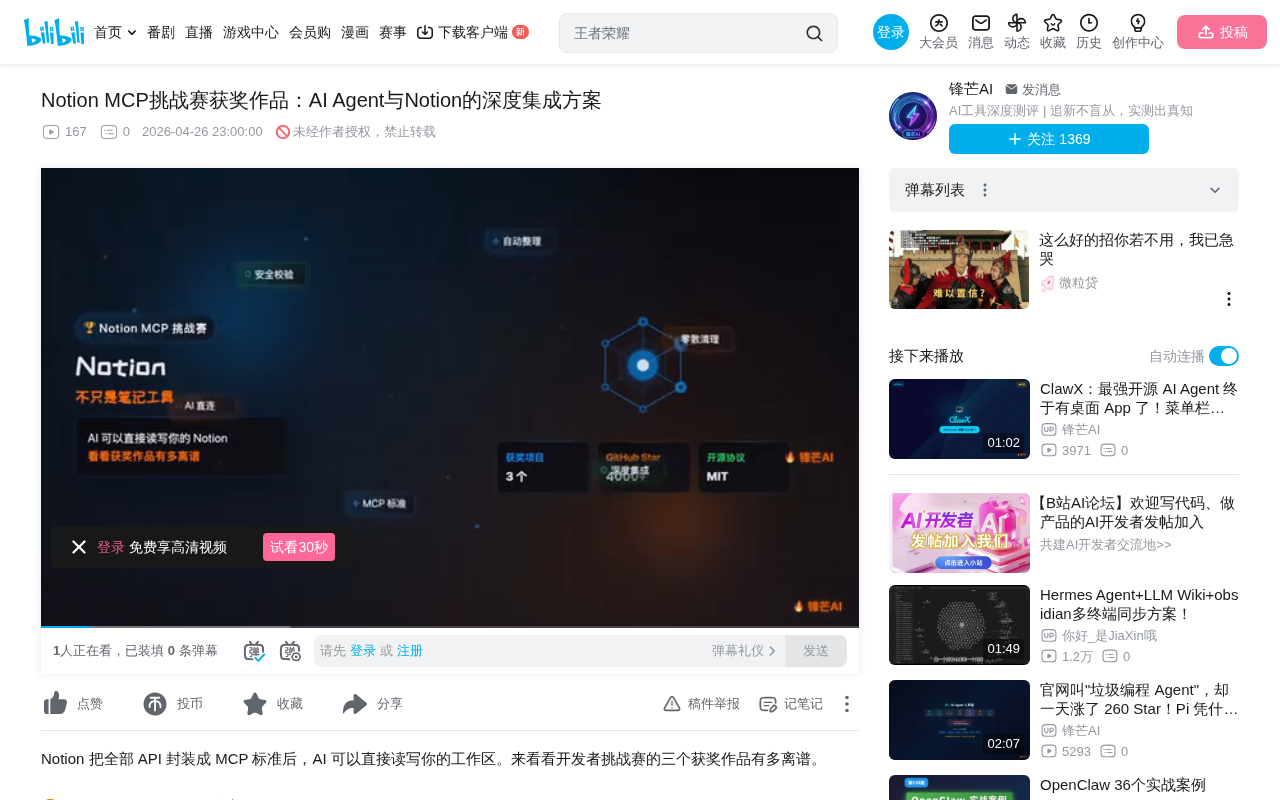
Notion MCP Challenge Winners Breakdown: AI Agents Redefine Note-Taking Tools
Deep dive into the three Notion MCP Developer Challenge winners: Note Runway, Deaf Notion, and Relay. See how AI Agents integrate with Notion via MCP to transform note-taking into an AI knowledge hub.
Read more →
 Tutorials
·3 min
Getting Started with Spring AI: How Java Developers Can Integrate Large Language Models
Spring AI is the LangChain for Java, helping Java developers integrate LLMs using Spring Boot conventions. This guide covers its 6 core features, setup requirements, and enterprise positioning including RAG, Tool Calling, and Chat Memory.
Read more →
 Product Reviews
·3 min
Hermes Agent Desktop App: The Self-Evolving Open-Source AI Agent
Deep dive into Hermes Agent desktop app: closed-loop learning, persistent cross-session memory, multi-agent management, and tool integration. Discover how this open-source AI agent self-evolves to become a true productivity powerhouse.
Read more →
 Deep Dives
·3 min
Harness Engineering Explained: Building Stable and Efficient Work Systems for AI
Deep dive into Harness Engineering: how to build execution environments, toolchains, and feedback loops for AI. From Prompt Engineering to system-level engineering for stable AI production.
Read more →
 Tutorials
·3 min
From Programmer to Agent Developer: A Detailed Four-Stage Learning Roadmap
A systematic four-stage learning roadmap for programmers transitioning to AI Agent development, covering core theory, ReAct and classic paradigms, Prompt engineering, and hands-on projects.
Read more →
 Tutorials
·3 min
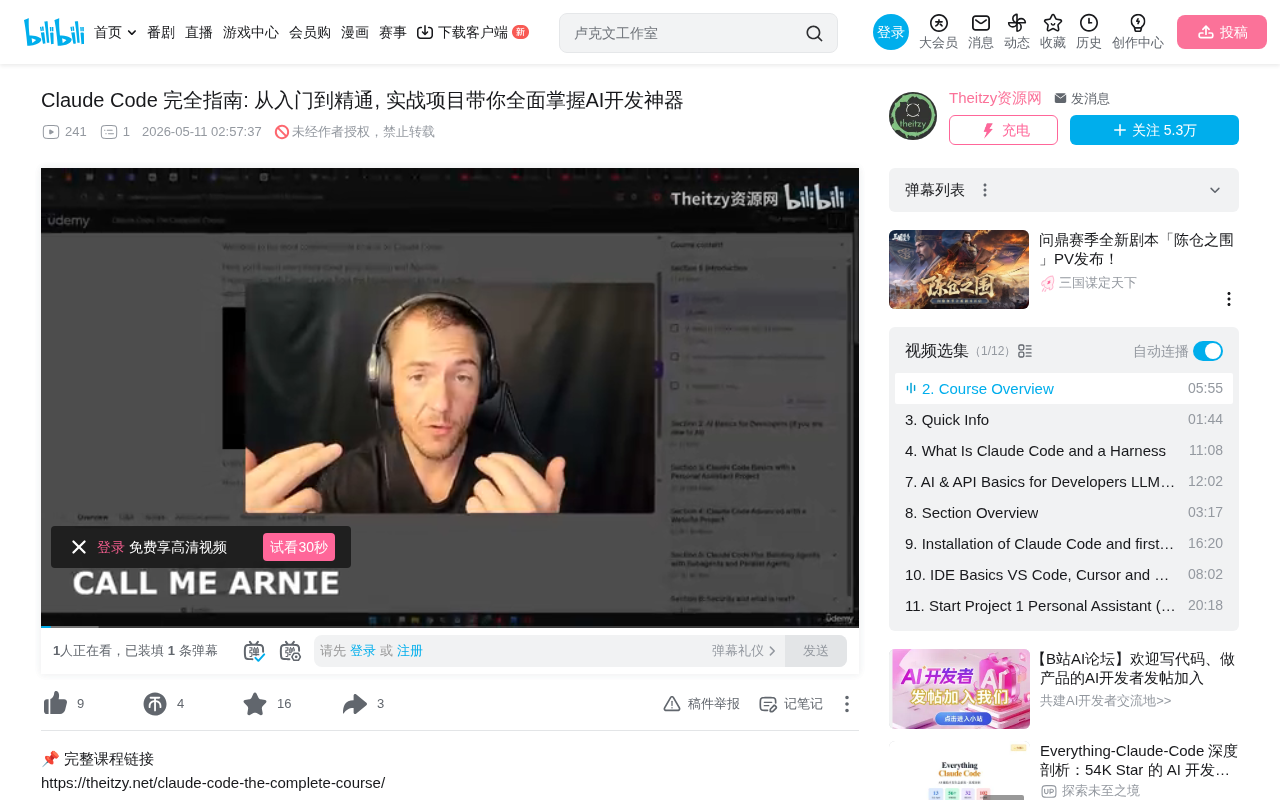
The Complete Guide to Claude Code: From Personal Assistant to AI Agent Development
A systematic breakdown of the Complete Guide to Claude Code course, covering context engineering, MCP protocol, claude.md configuration, multi-Agent architecture, and three progressive projects.
Read more →
 Deep Dives
·2 min
Agents Need Control Flow, Not More Prompts
Why do longer Prompts make AI Agents less stable? This article explains the control flow first architecture, replacing natural language control flow with code orchestration to boost multi-step reliability from 40% to over 90%.
Read more →