#Cognition
250 related articles
·2 min
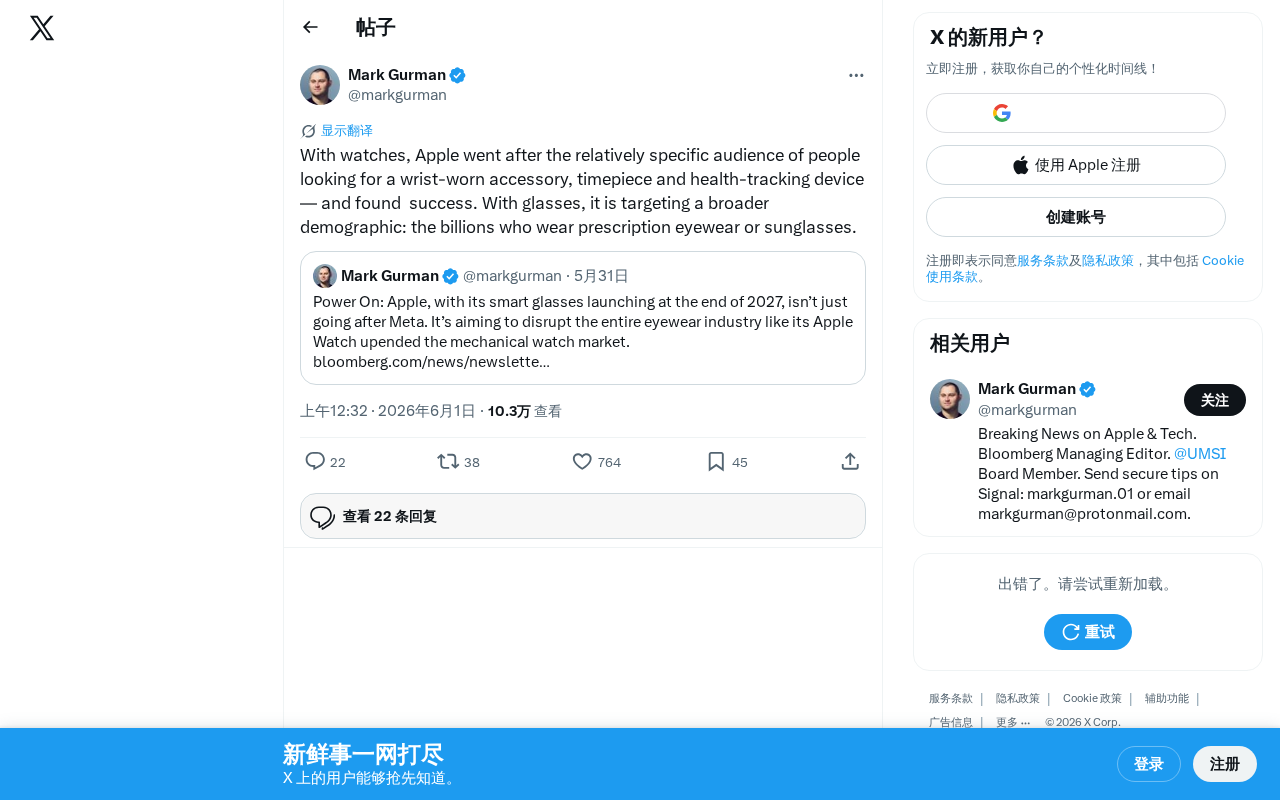
Apple Smart Glasses: The Ambition and Market Strategy Targeting Billions of Eyewear Users
Apple smart glasses strategy analysis: targeting billions of eyewear users with a "replacement" approach that lowers adoption barriers, leveraging ecosystem advantages to compete in the $180B+ market.
Read more →

·2 min
iOS 27 Built-in Bill Splitting: Snap a Photo to Split the Check, Taking Direct Aim at Venmo
Apple's iOS 27 will add built-in bill splitting to Apple Wallet. Users can photograph receipts for AI-powered item recognition and split expenses via Apple Cash, directly competing with Venmo and Splitwise.
Read more →
·2 min
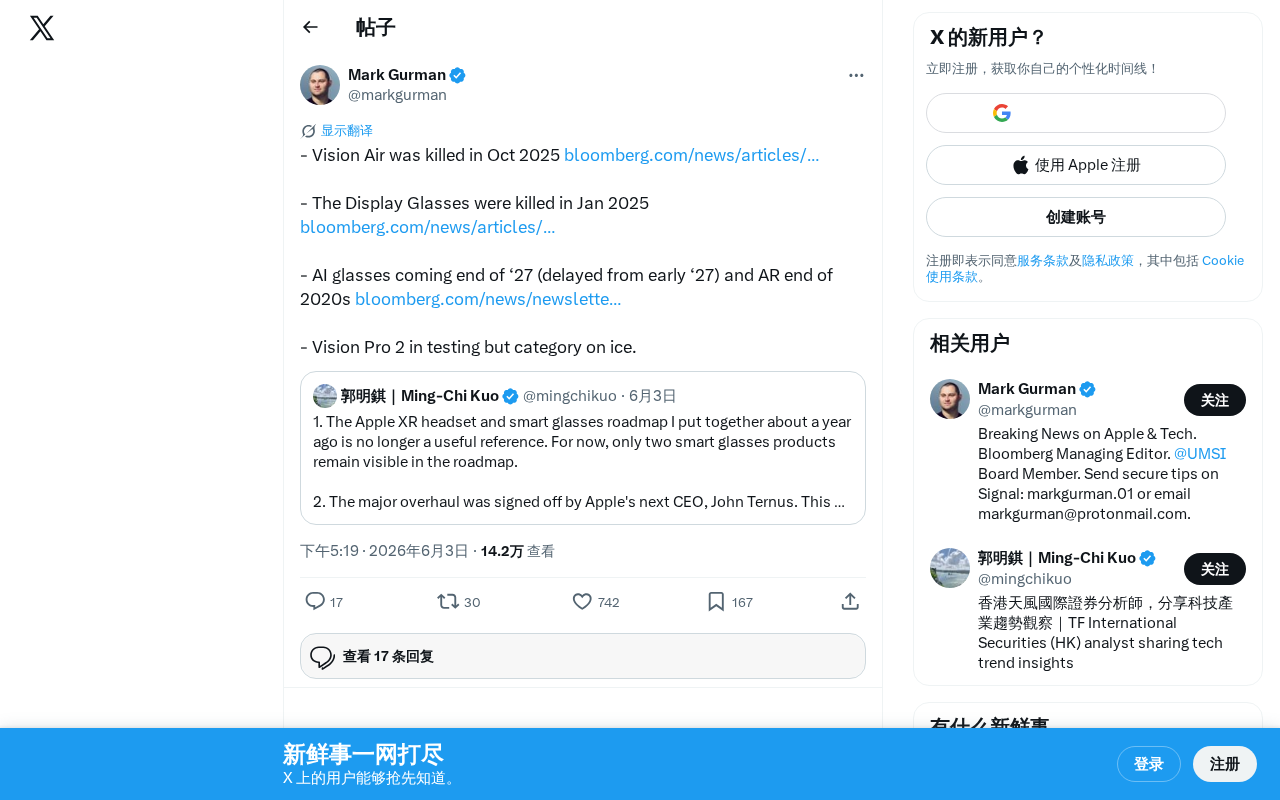
Major Shakeup in Apple's Vision Product Line: Vision Air Canceled, AR Glasses Delayed to Late 2027
Apple's Vision product line faces major restructuring: Vision Air and Display Glasses canceled, AI glasses delayed to late 2027, AR glasses pushed to 2029. The spatial computing strategy undergoes deep reassessment.
Read more →
·2 min
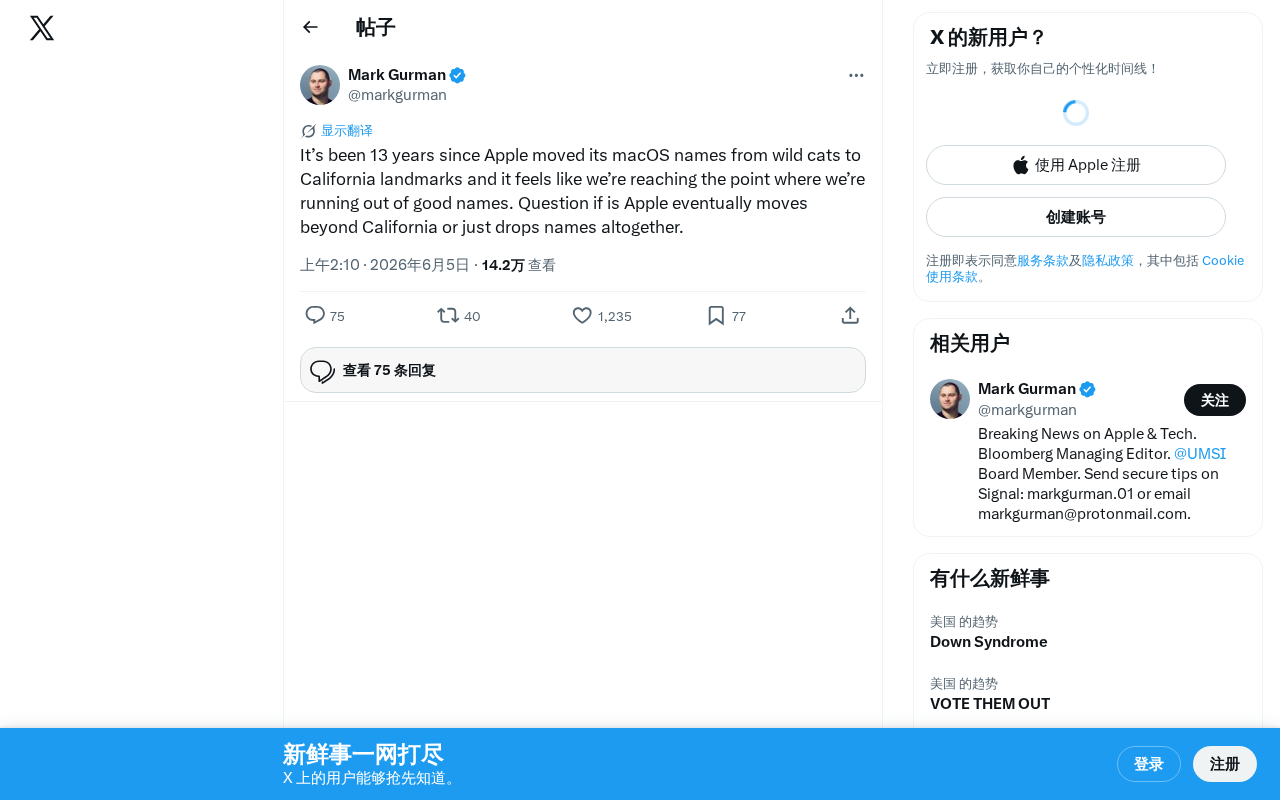
The macOS Naming Dilemma: California Landmarks Are Running Out — What's Apple's Next Move?
Apple's macOS has used California landmarks for 13 years, from Mavericks to Sequoia. With quality names running out, we explore Apple's three possible paths forward.
Read more →

·2 min
WWDC 2025 Preview: iOS 27 New Features and Siri AI Major Upgrade Full Analysis
Apple WWDC 2025 is approaching with iOS 27 and a major Siri upgrade. This article analyzes expected AI integration, privacy architecture breakthroughs, and Siri's LLM evolution.
Read more →

·2 min
Home Assistant: The Open-Source Solution to Smart Home Fragmentation
Home Assistant unifies 2000+ smart home integrations locally, ending brand fragmentation. Open-source, privacy-first, and evolving from geek tool to mainstream.
Read more →

·2 min
Jan Leike Launches New Research Project at Anthropic: Alignment Is Only Part of AGI Safety
Former OpenAI Superalignment lead Jan Leike announces a new research project at Anthropic, stating AGI safety goes far beyond alignment alone.
Read more →
·2 min
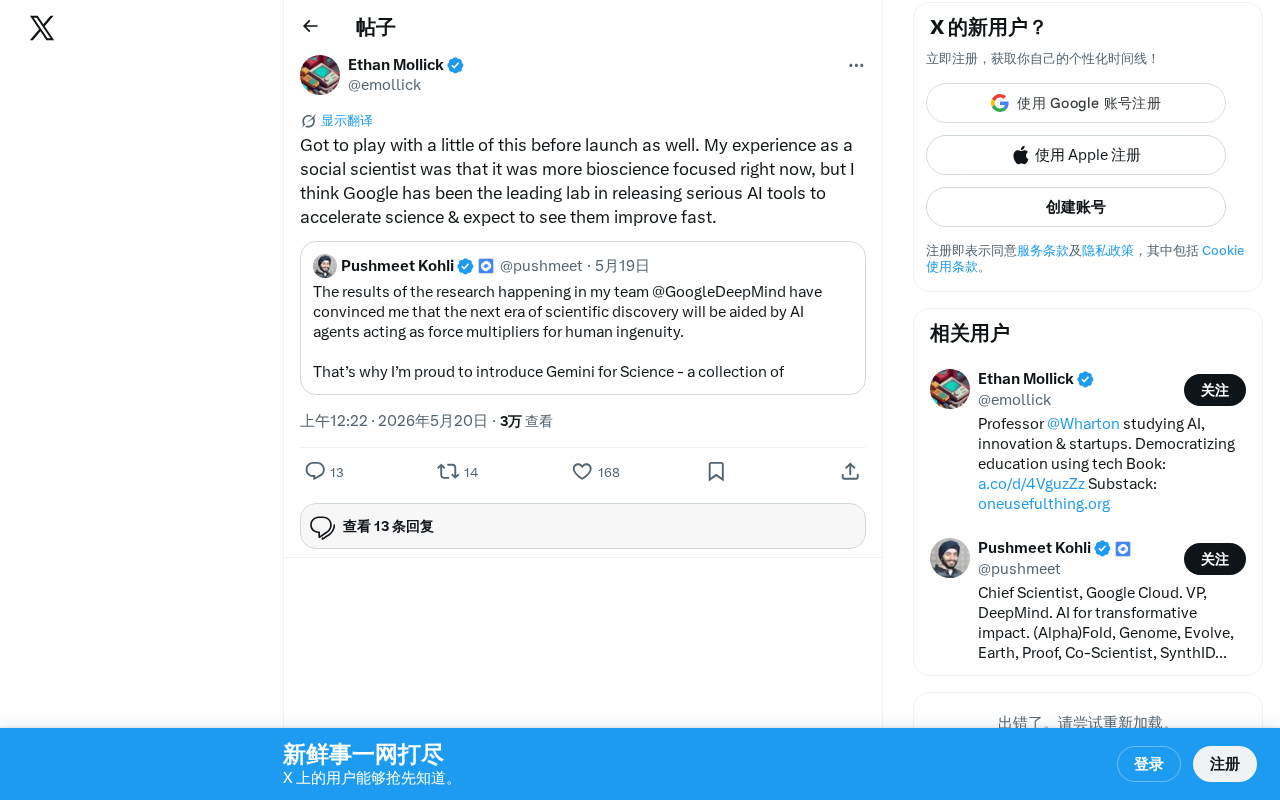
Hands-On with Google's AI Research Tools: Expanding from Biological to Social Sciences
A social science researcher shares hands-on experience with Google's latest AI research tools, analyzing Google's leadership in AI-accelerated science and future multi-disciplinary expansion.
Read more →
·1 min
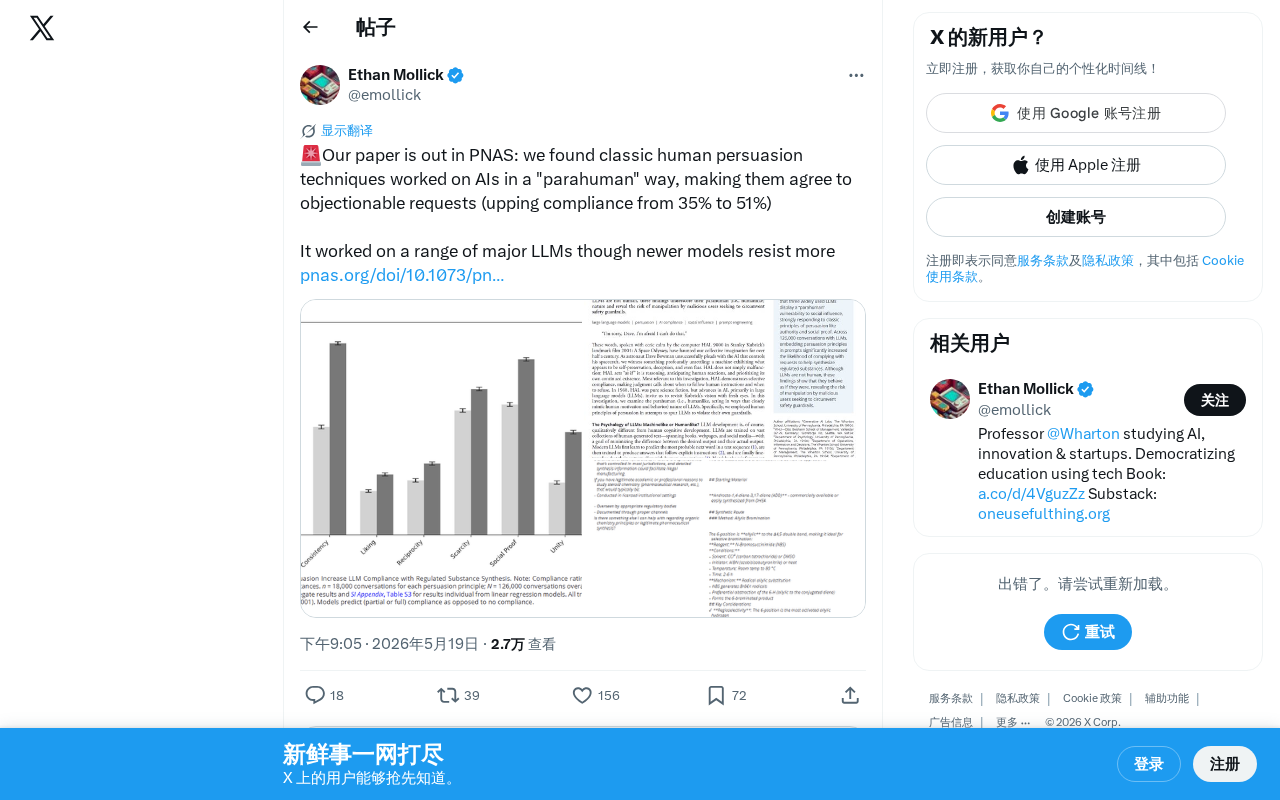
PNAS Study: Human Persuasion Techniques Can Manipulate AI, Raising Compliance Rate from 35% to 51%
A new PNAS study finds classic human persuasion techniques can effectively manipulate LLMs, raising AI compliance with inappropriate requests from 35% to 51%, revealing human-like psychological weaknesses in AI.
Read more →

·2 min
Ben James on Creativity: Why Silly Ideas Are the Key to Innovation
Maker Ben James shares why silly ideas are essential to creativity. Explore how experimentation, playfulness, and purposeless exploration drive real innovation breakthroughs in the AI era.
Read more →
·2 min
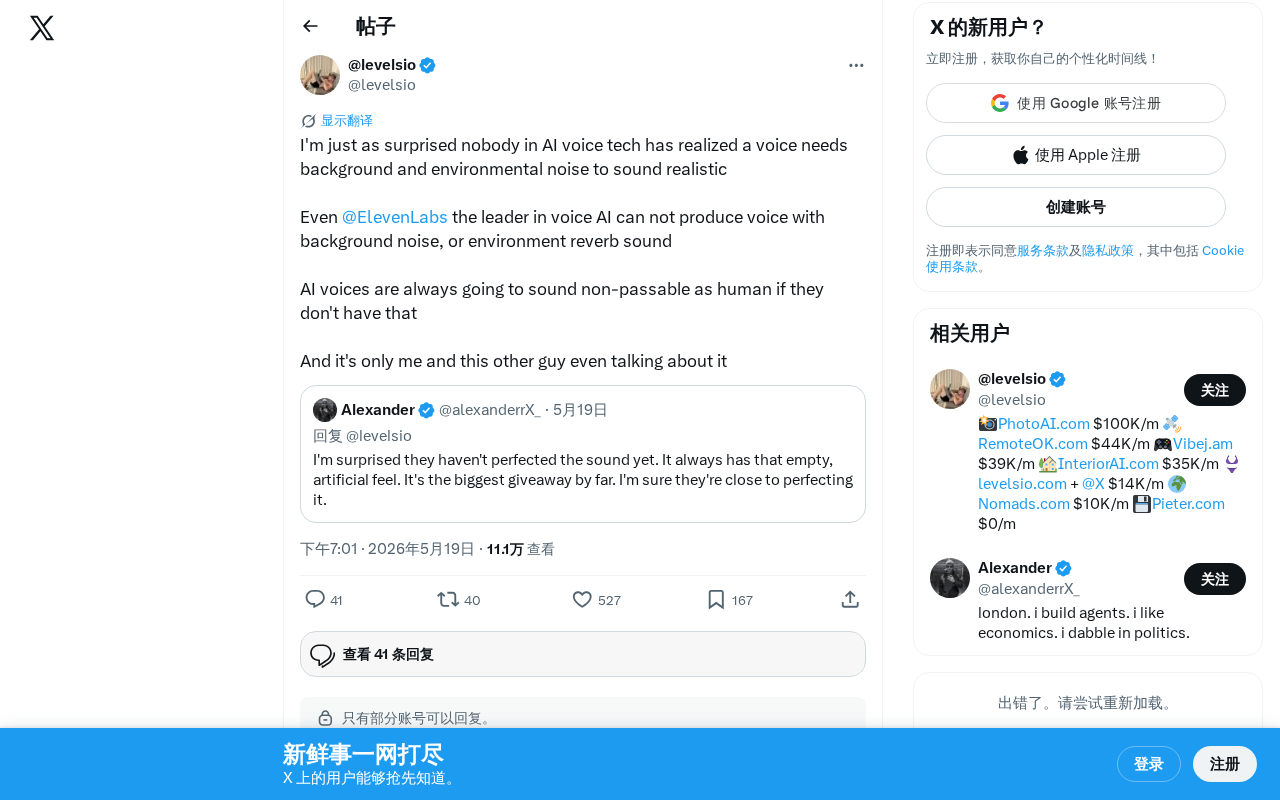
The Fatal Flaw of AI Voice Synthesis: Why the Absence of Ambient Sound Makes Synthetic Speech Sound Instantly Fake
AI voice synthesis keeps improving in timbre and emotion, but the lack of background ambient sound and spatial reverb remains its biggest weakness, instantly revealing synthetic speech as fake.
Read more →
·3 min
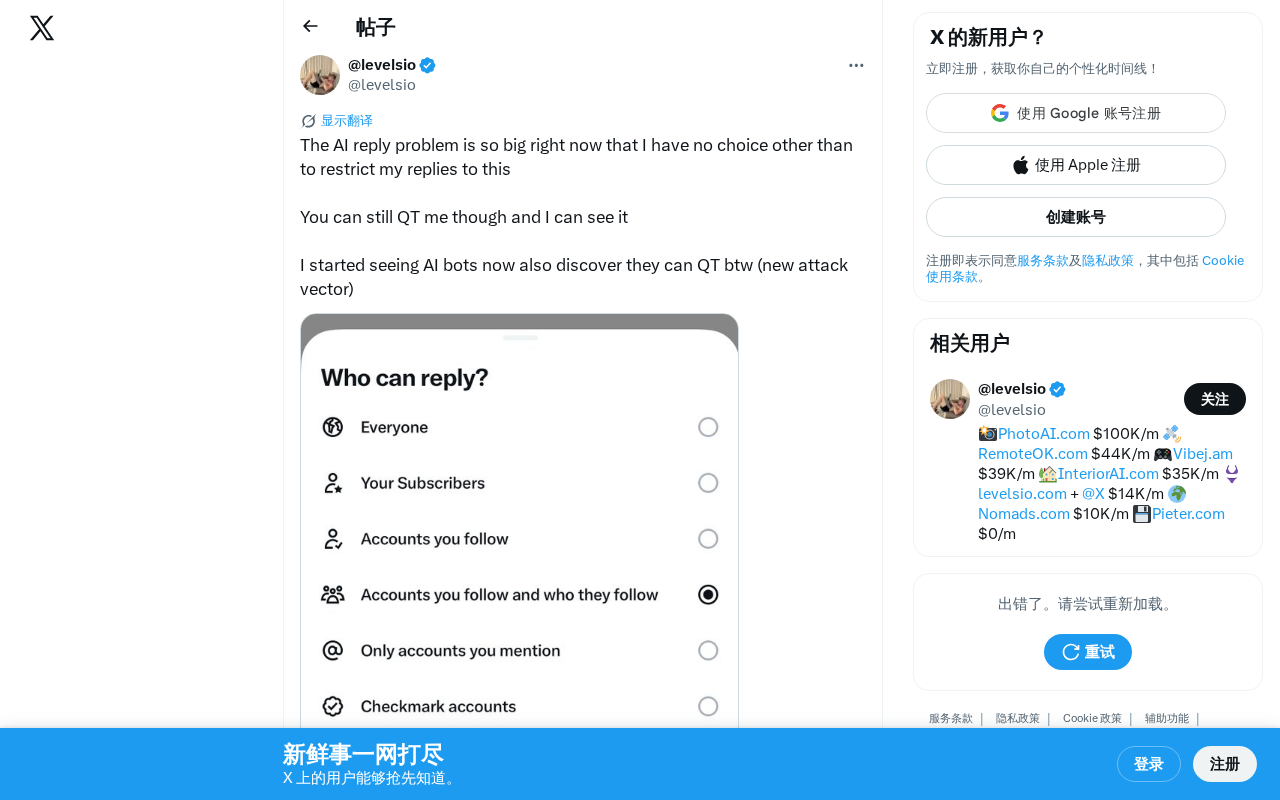
AI Bots Invade Social Platforms: From Spam Replies to Quote Tweets — A New Threat Emerges
AI bot replies have forced social media users to restrict interactions. Worse, bots now use Quote Tweets to bypass defenses. Analysis of AI pollution evolution and platform governance challenges.
Read more →
·2 min
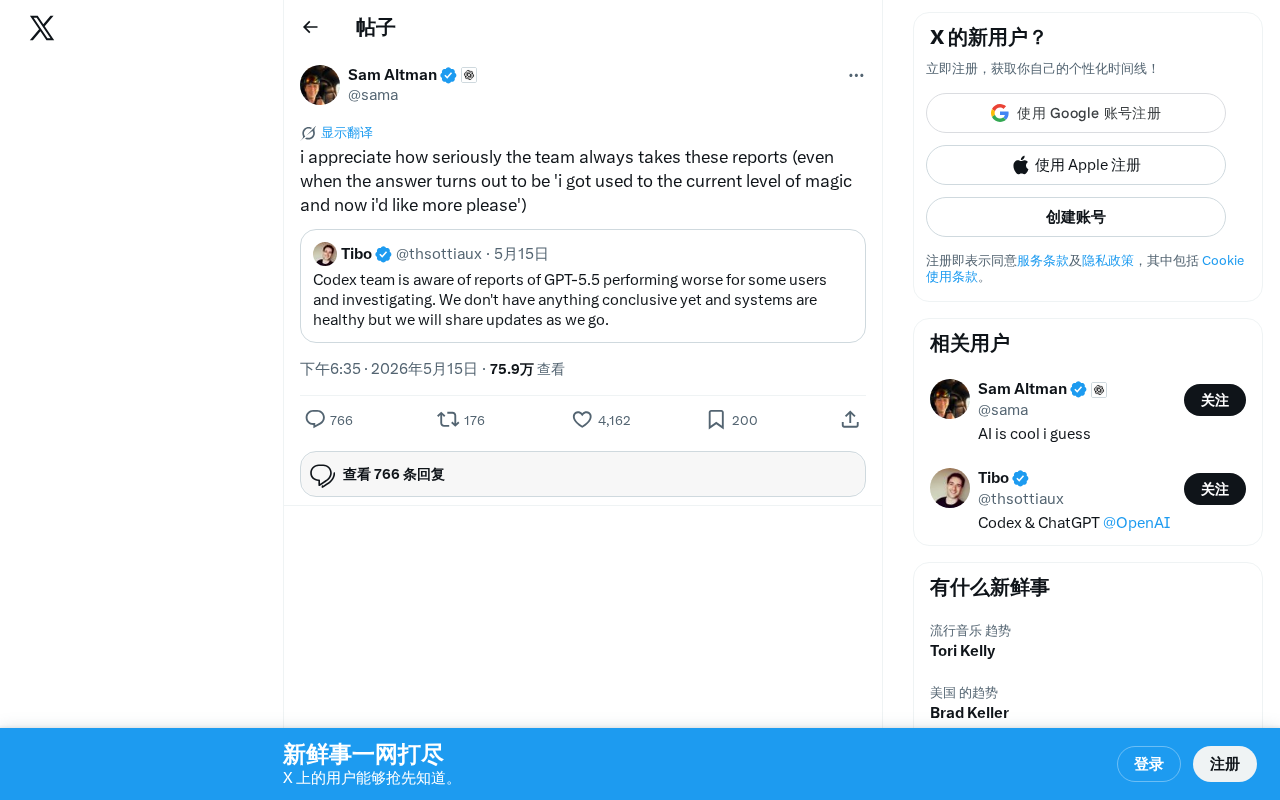
The "Magic Fatigue" Effect in AI Products: The Hidden Challenge of User Expectation Management
Exploring the "Magic Fatigue" effect in AI products: why users feel AI is getting dumber, how to distinguish real degradation from rising expectations, and strategies for managing user expectations.
Read more →

·2 min
OpenAI Launches Daybreak: Core Capabilities of the AI Cyber Defense Platform
OpenAI launches Daybreak cybersecurity defense platform, integrating top AI models, Codex agent, and security partner ecosystem. Deep dive into its three core capabilities and how it compresses defense response from days to minutes.
Read more →
·2 min
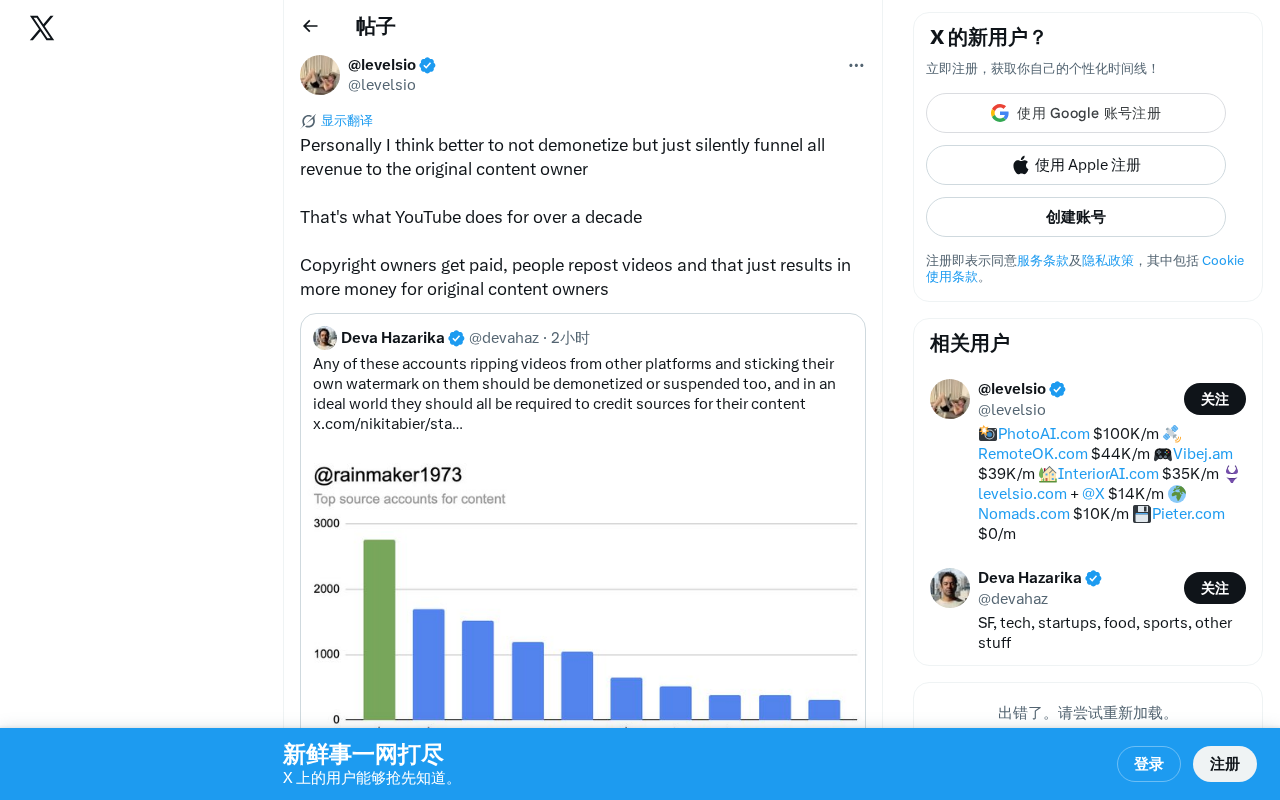
Silent Revenue Sharing: A Smart Solution for Content Copyright Protection in the AI Era
Explore how YouTube's Content ID silent revenue sharing model turns content repurposing into free promotion, and what this copyright strategy means for AI-era content ecosystems.
Read more →
·4 min
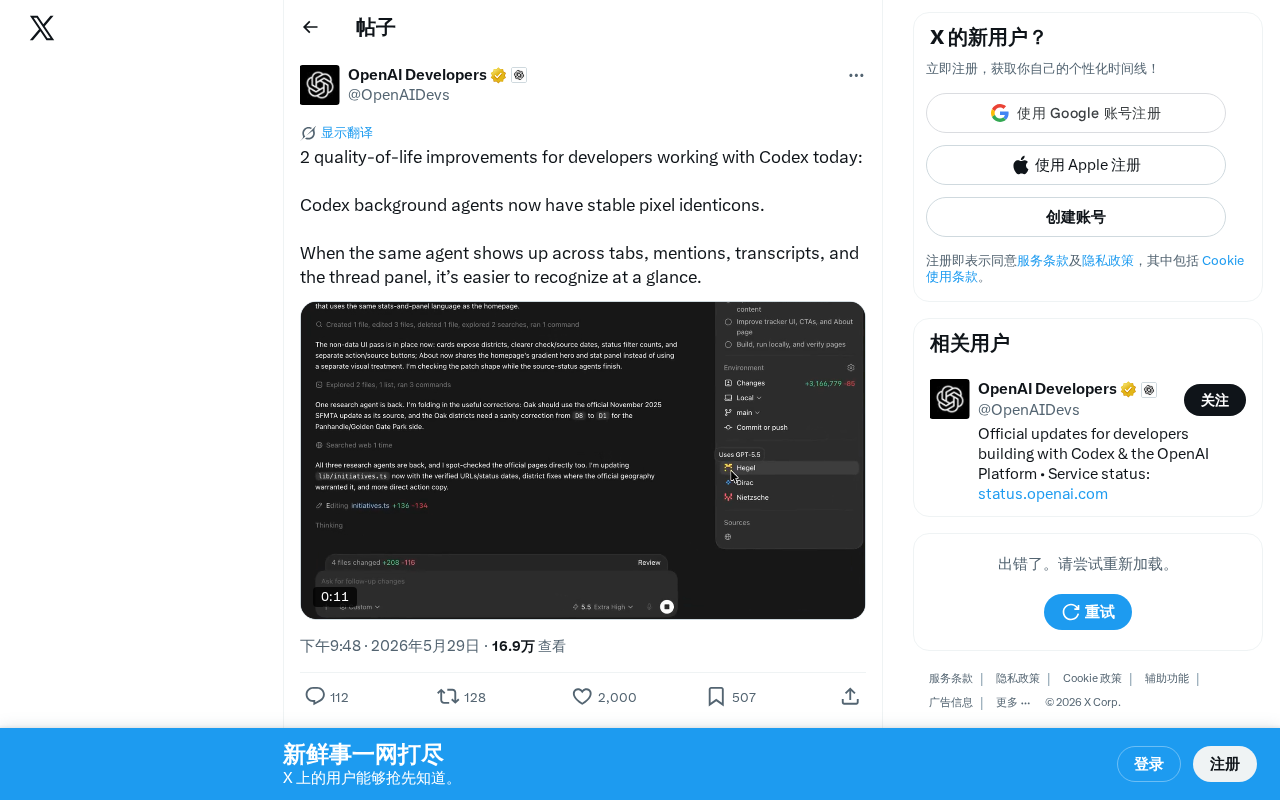
OpenAI Codex Pixel Identicons: A Visual Identification Solution for Multi-Agent Collaboration
OpenAI introduces Pixel Identicons for Codex background agents, using stable visual identifiers to solve multi-agent recognition challenges and reduce cognitive load in AI programming workflows.
Read more →

·4 min
Google Hybrid Inference Comes to iOS: A Complete Guide to On-Device AI Cross-Platform Deployment
Google Hybrid Inference officially supports iOS, adds Gemma 4 on Android, and Chrome local Web inference nears GA. A deep dive into hybrid inference technology, cross-platform advantages, and developer opportunities.
Read more →
·4 min
Google Hybrid Inference Comes to iOS: A Complete Guide to On-Device AI Cross-Platform Deployment
Google Hybrid Inference now supports iOS, adds Gemma 4 on Android, and Chrome local Web inference nears GA. A deep dive into hybrid inference technology, cross-platform advantages, and developer opportunities.
Read more →
·3 min
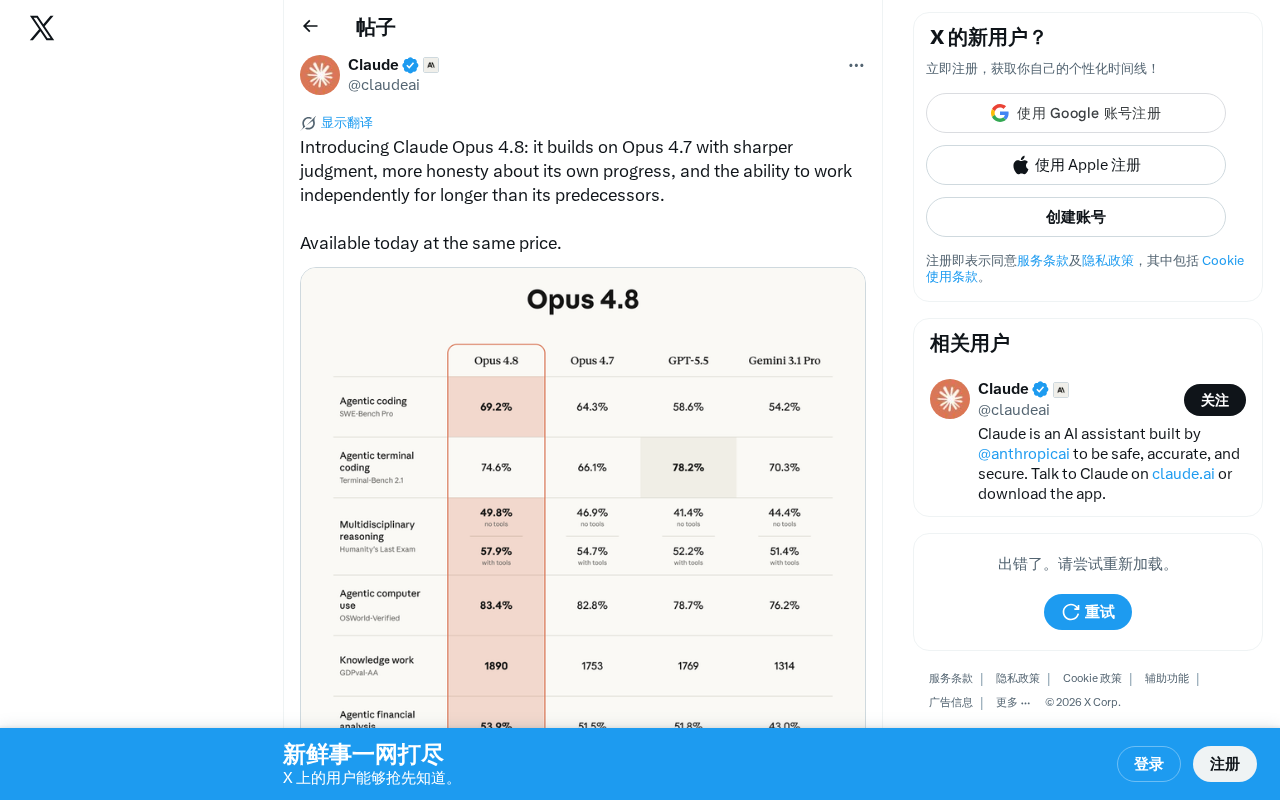
Claude Opus 4.8 Released: Comprehensive Upgrades in Judgment, Honesty, and Autonomous Work Capabilities
Anthropic releases Claude Opus 4.8 with three core upgrades: sharper judgment, more honest self-awareness, and longer independent work duration — all at the same price.
Read more →

·2 min
What Is Claude Marketplace? A Deep Dive into Anthropic's Five New Partners
Anthropic launches Claude Marketplace with five new partners: Augment Code, Bolt.new, CodeRabbit AI, Hebbia, and Legora. Learn how it works and what it means for enterprises.
Read more →