#Loops
242 related articles
·2 min
GDScript Beginner's Guide: Learning Godot Game Development with AI Assistance
GDScript is Godot's native scripting language with clean syntax and broad platform support. Learn GDScript basics, Cursor AI setup, and effective AI-assisted game development workflows.
Read more →
·3 min
Harness Engineering in Practice: Building an Enterprise E-Commerce System with Claude Code — A Complete Walkthrough
A deep dive into Harness Engineering for AI programming, from concept to implementation. Build an enterprise Java e-commerce system using Claude Code with Skill-driven AI development pipelines.
Read more →
·3 min
Complete Guide to LangChain 0.3: Module Architecture & Core Development in Practice
A deep dive into LangChain 0.3's module architecture, message abstraction, prompt templates, output parsers, LCEL chains, LangSmith tracing, and LangGraph for mastering LLM application development.
Read more →
·3 min
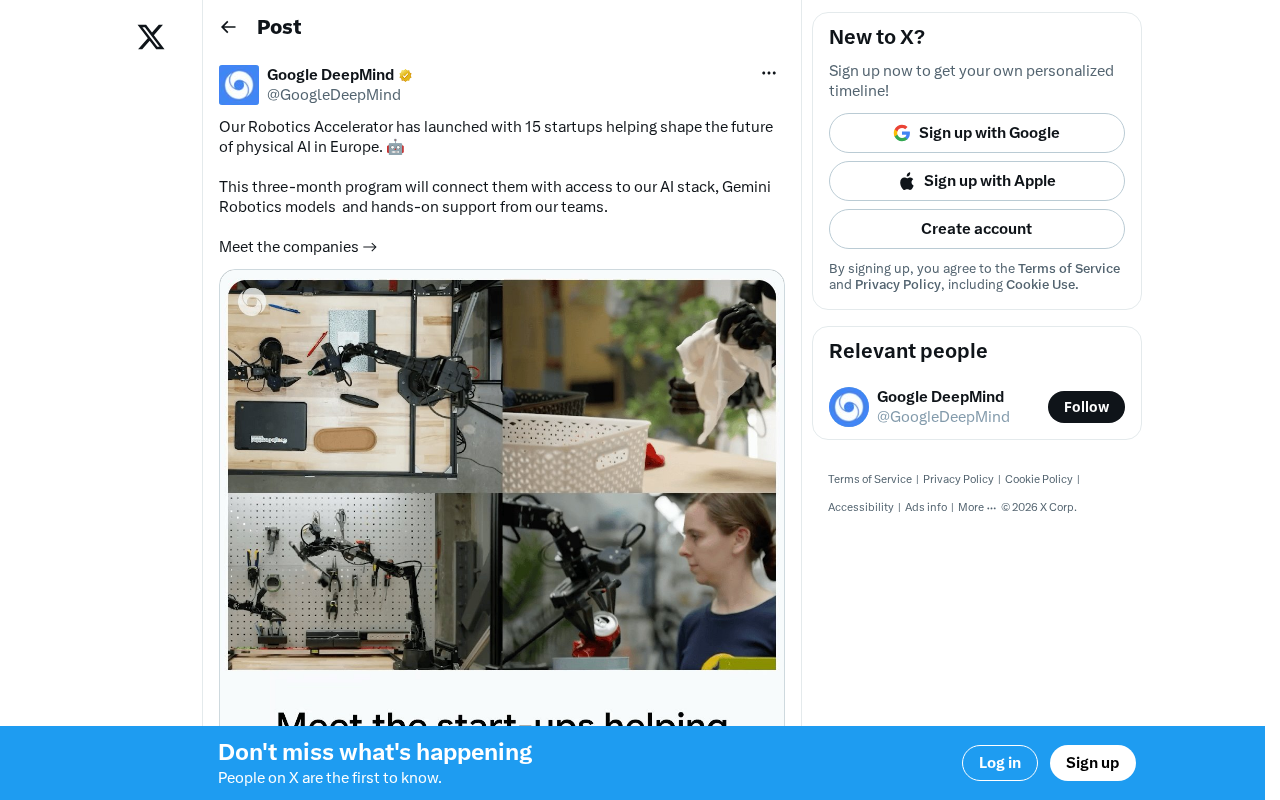
Google Launches European Robotics Accelerator: 15 Startups Selected as the Physical AI Race Begins
Google launches its European Robotics Accelerator with 15 startups selected. The program offers Gemini Robotics models, AI stack access, and team support to advance Physical AI.
Read more →
·3 min
Loopcraft Explained: Loop-Stacking Architecture Design in AI Agent Development
Deep dive into Loopcraft loop-stacking architecture for AI Agent development, covering retry, self-validation, and meta-learning loops to boost reliability.
Read more →

·4 min
AI Full-Stack Development Architecture: A Three-Layer Progressive Path from Prototype to Production
A detailed guide to AI full-stack development architecture covering Node.js+TypeScript+Monorepo engineering, Docker CI/CD deployment, and AI engine design with interview tips.
Read more →

·3 min
AI Agent Learning Roadmap: A Four-Step Practical Guide from Zero to Job-Ready
A proven AI Agent learning roadmap covering four core elements, mainstream architecture patterns, multi-agent collaboration, and hands-on projects to go from zero to job-ready in three months.
Read more →

·3 min
A Three-Month Roadmap to LLM Development: A Deep Dive into the Learning Path from Zero to Freelancing
A deep dive into the three-step LLM development learning path: from prompt engineering and RAG knowledge bases to AI Agent development, with realistic timelines for beginners and experienced developers.
Read more →

·3 min
Building a Cold Chain Logistics Optimization Research Project with Codex: A Complete Workflow from Scratch to PDF Paper
Learn how to use OpenAI Codex to build a complete cold chain logistics optimization research project from scratch, including simulated annealing implementation, experiments, figures, and LaTeX paper compilation.
Read more →
·2 min
Codex Beginner's Practical Guide: Master Core AI Programming Skills in One Weekend
OpenAI Codex beginner's practical guide covering environment setup, code generation, bug fixing, and project refactoring. Includes efficient learning tips and Prompt techniques for fast AI programming mastery.
Read more →

·4 min
5 Models Coding Showdown: Claude, GPT, DeepSeek, M3 — Who's the Best Engineering Tool?
Hands-on comparison of Claude Opus 4.8, GPT 5.5, MiniMax M3, DeepSeek V4 Pro, and Mimo 2.5 Pro across SVG drawing, 3D game generation, elevator scheduling, and real bug fixing.
Read more →
·3 min
Four Core Advantages Frontend Developers Have When Transitioning to AI Agent Development
Frontend developers have key advantages for AI Agent development: TypeScript ecosystem fit, low-barrier full-stack bridging, and state management isomorphism. Learn the transition path here.
Read more →

·2 min
ZeroStack: An In-Depth Look at the Rust-Based Minimalist Coding Agent That Uses Only 16MB of RAM
In-depth review of ZeroStack, a Rust-based coding agent using only 16MB RAM. Analyzing its file I/O, multi-model support, permission controls, and ideal use cases.
Read more →
·2 min
Nex N2 Pro Real-World Testing: Top 5 on Official Benchmarks, Only 12th in Independent Tests
Deep-dive testing of Nex N2 Pro open-source Agent model comparing official benchmarks vs independent results. The 397B parameter model shows decent frontend generation but ranks 12th independently, not top 5 as claimed.
Read more →
·4 min
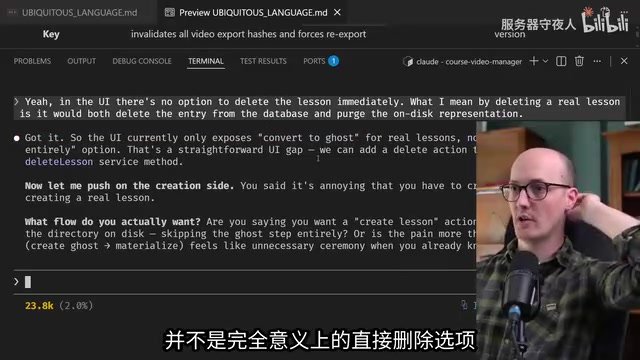
Claude Code Workflow in Practice: From Requirement Grilling to AFK Agent Auto-Coding
A detailed walkthrough of building real features with Claude Code: Grill Me requirement interrogation, auto-generated PRDs, AFK agent coding, and QA iteration loops with DDD and TDD strategies.
Read more →
·2 min
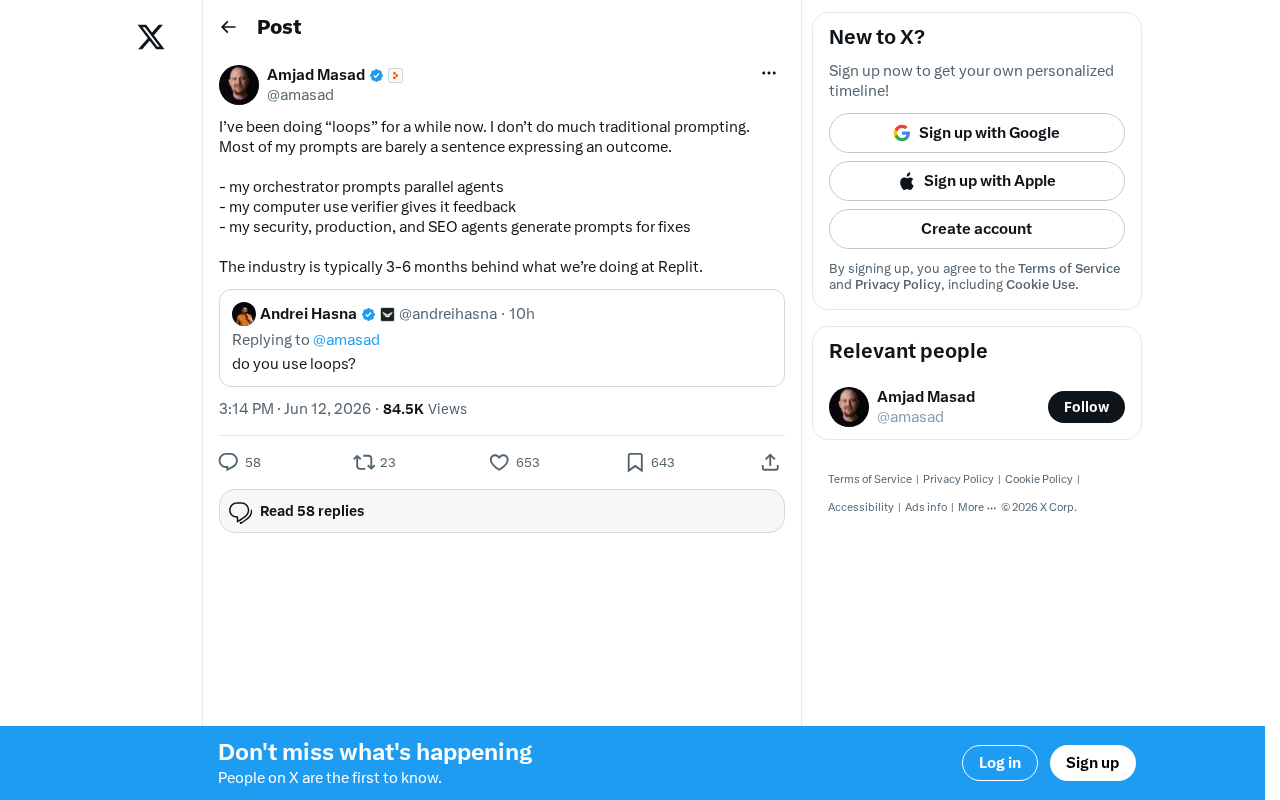
Replit's AI Loops Workflow Explained: Multi-Agent Collaboration Replaces Prompt Engineering
Deep dive into Replit's AI Loops workflow: how orchestrators, parallel agents, and Computer Use Verifiers build automated closed-loop systems through multi-agent collaboration.
Read more →
·2 min
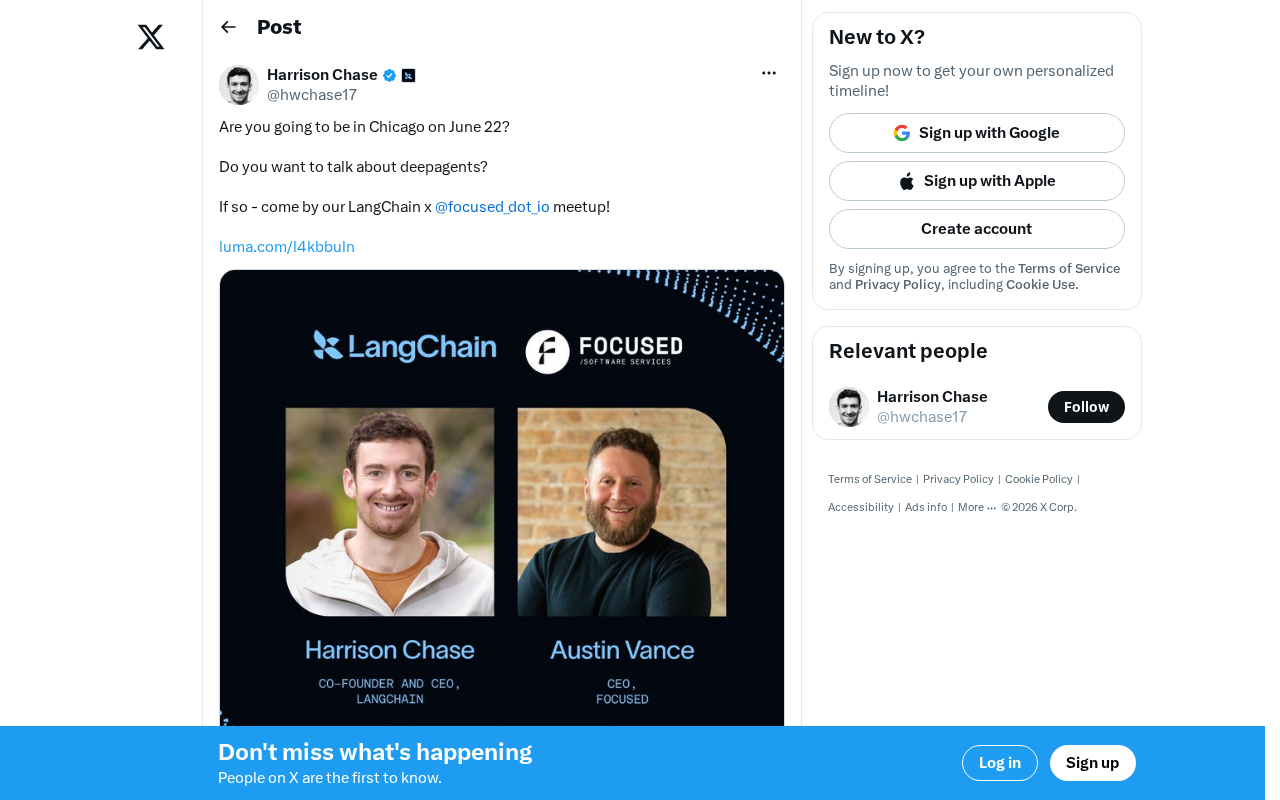
Deep Agents: Key Topics from the LangChain Chicago Meetup Explained
LangChain's Chicago Meetup spotlights Deep Agents — exploring the evolution from simple Agents to multi-layered reasoning and long-chain task execution.
Read more →

·3 min
Python Complete Tutorial for Beginners (568 Episodes): In-Depth Course Structure Analysis and Study Tips
In-depth analysis of a 568-episode Python beginner tutorial on Bilibili, covering course structure, strengths, weaknesses, and effective study tips for beginners.
Read more →

·4 min
Fable 5 vs Opus 4.8 Real-World Showdown: Three Projects to Determine the AI Coding Champion
Real-world comparison of Fable 5 vs Opus 4.8 across three demanding projects: e-commerce site, 3D art museum, and an RTS game. Analyzing code quality, 3D rendering, and design aesthetics.
Read more →
·2 min
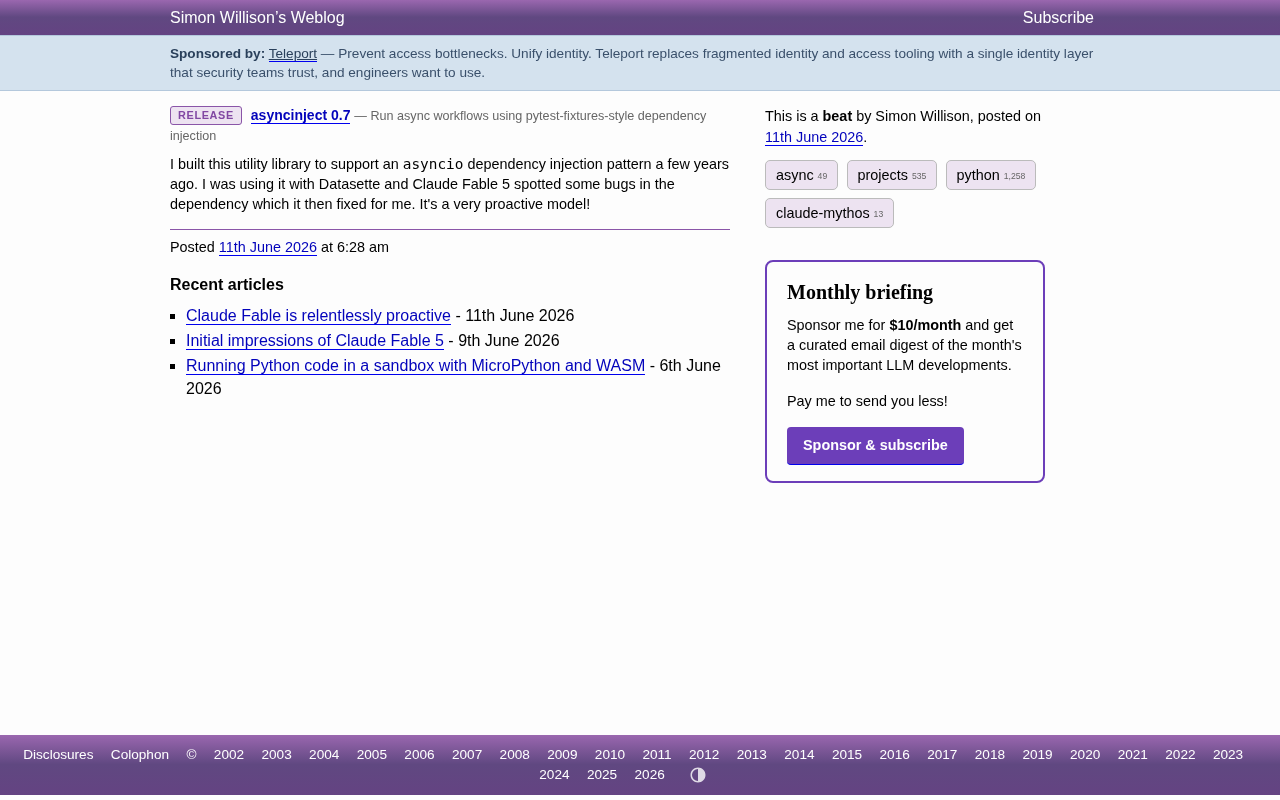
Claude Proactively Discovers Bugs in an Open-Source Library: AI Evolves from Coding Assistant to Collaborator
Simon Willison releases asyncinject 0.7, fixing bugs proactively discovered by Claude. This case shows AI evolving from passive coding assistant to active code reviewer and collaborator.
Read more →