#ReAct
359 related articles
Product Reviews
Warp 2.0 Deep Dive: An AI Development …
·3 min
Warp 2.0 Deep Dive: An AI Development Environment with Multi-Agent Parallelism
Deep dive into Warp 2.0's Agent Development Environment (ADE): multi-agent parallel orchestration, terminal editor, AI coding platform, hands-on SaaS app building, and comparison with Cursor and Claude Code.
Read more →
 Tech Frontiers
·3 min
Tech Weekly: OpenAI Swarm Framework, Claude Data Visualization & Lightweight OS Analysis
This week's tech roundup analyzes OpenAI's Swarm Agent framework, Anthropic's Claude data visualization app, Kali Linux, Unikraft lightweight OS, and Go Blueprint — covering AI, security, and cloud computing.
Read more →
 Product Reviews
·2 min
14,000-Star Open Source Tool: Clone Any Website with One AI Command
Deep dive into Website Cloner, a 14,000+ Star open-source project that uses a four-step AI pipeline to clone any website into a runnable Next.js project with one command.
Read more →
 Product Reviews
·3 min
In-Depth Comparison of 8 AI Coding Tools: How to Choose Between Cursor, Claude Code, and Augment Code
In-depth comparison of 8 AI coding tools including Cursor, Claude Code, Augment Code, Trae, and Windsurf across model support, pricing, code quality, and context understanding to help developers choose the right tool.
Read more →
 Tutorials
·3 min
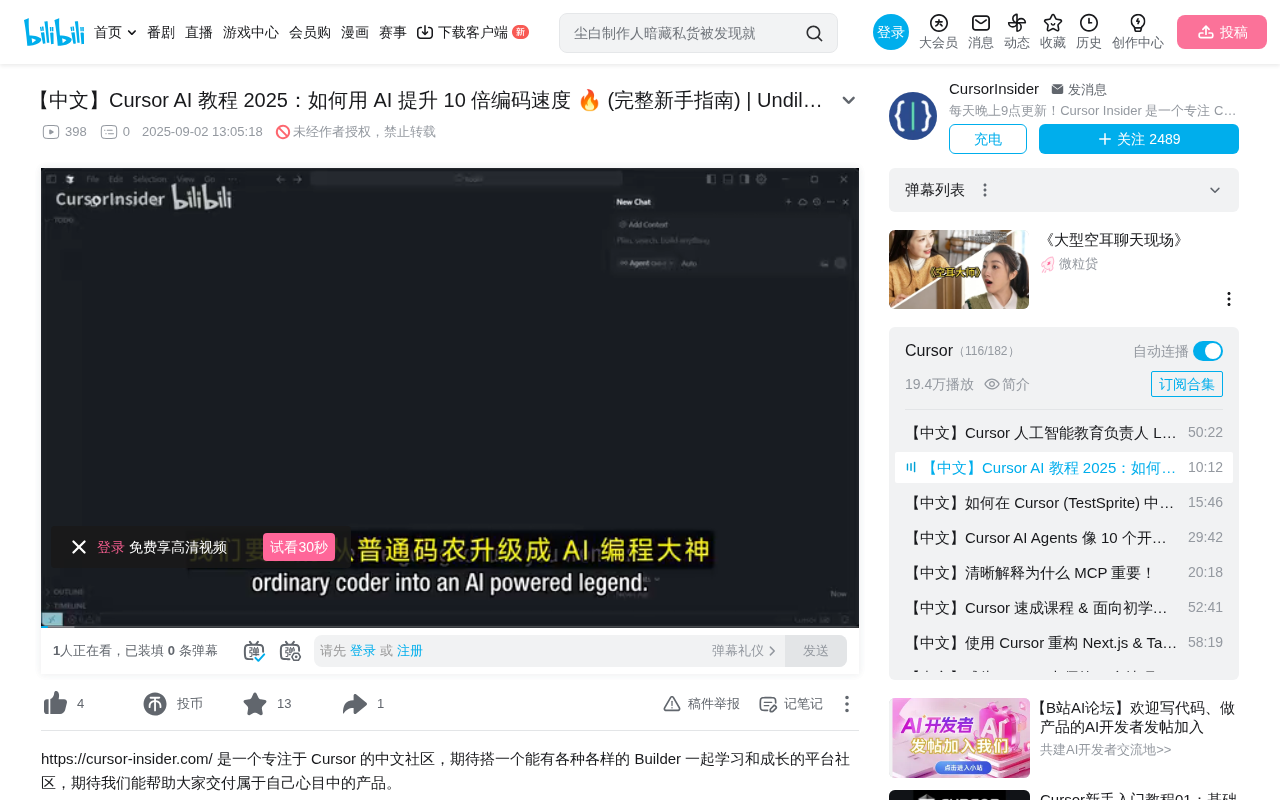
Cursor AI Beginner Tutorial: Rules Configuration & Agent Mode Practical Guide
Complete guide to Cursor AI installation, rules file configuration, and Agent mode in action. Master project-level and global rules setup to drive AI programming with natural language and boost coding efficiency.
Read more →
 Tutorials
·3 min
Building a Financial Report Analysis AI Agent with Cursor + Skills: A Step-by-Step Tutorial from Scratch
A hands-on tutorial for building a financial report analysis AI Agent from scratch using Cursor editor, Skills definitions, and MiniMax M2.1. Covers setup, architecture, Skills methodology, and multi-language programming.
Read more →
 Product Reviews
·3 min
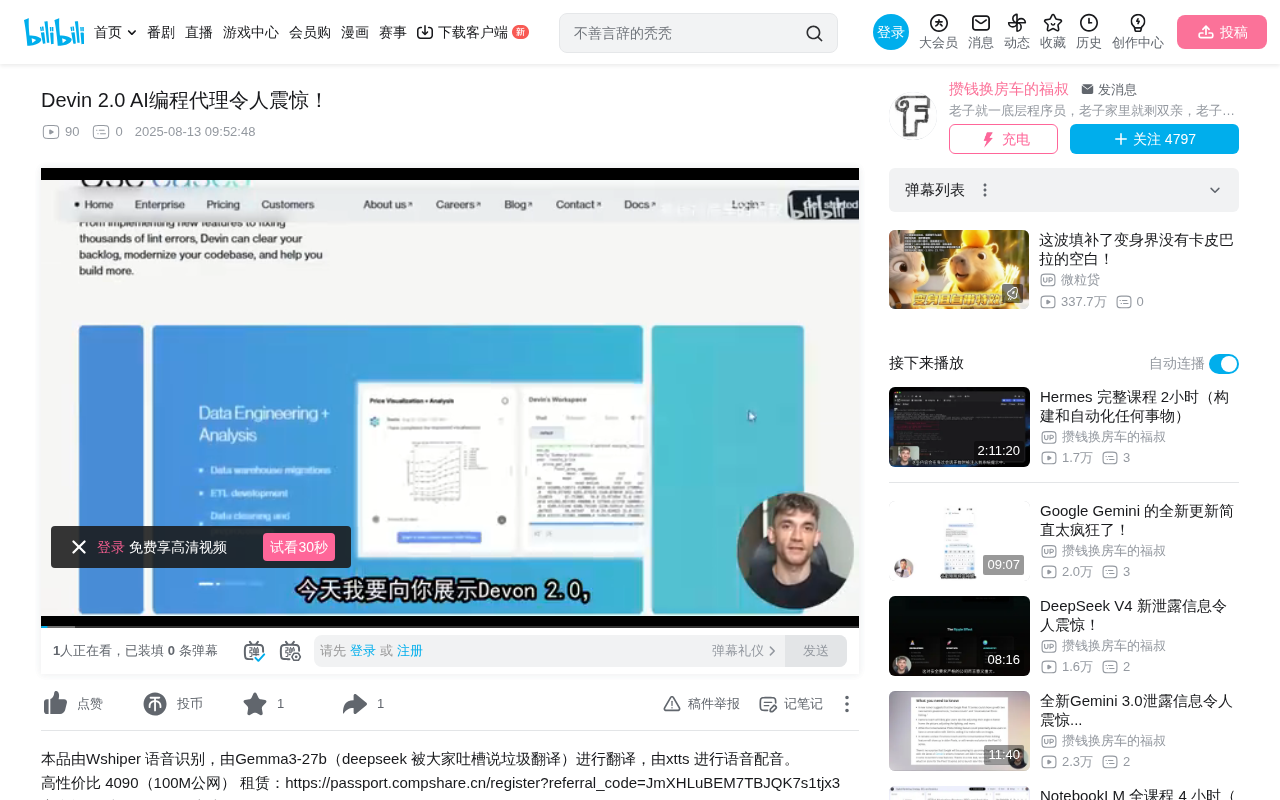
Devin 2.0 In-Depth Review: Is the $20/Month AI Coding Agent Actually Worth It?
In-depth analysis of Devin 2.0: dropped from $500 to $20/month, 12x efficiency in code migration, but only 15% completion on complex tasks. Real test data on use cases and limitations.
Read more →
 Tutorials
·3 min
V0 + Cursor + Supabase + Vercel: Build a SaaS App with AI in 4 Steps — No Coding Required
Learn how to build and launch a complete SaaS app using V0 for UI design, Cursor for coding, Supabase for backend, and Vercel for deployment — no programming experience required.
Read more →
 Tutorials
·3 min
Cursor 1.0 Getting Started Guide: Complete Workflow from Installation to MCP Setup
Complete guide to Cursor 1.0: installation, Chinese setup, MCP configuration, and AI Agent tips. From download to folder management, model selection, and file referencing for beginners.
Read more →
 Tutorials
·3 min
Hermes Agent + Playwright: A Practical Guide to AI-Driven Browser Automation
A complete guide to AI-driven browser automation with Hermes Agent and Playwright, covering setup, three AI modes (snapshot decisions, multi-turn dialogue, autonomous exploration), retry mechanisms, and optimization tips.
Read more →
 Product Reviews
·2 min
Page Agent: Alibaba's Open-Source AI Browser Extension for Form Automation
Page Agent is Alibaba's open-source AI browser extension that automates form filling and data entry via natural language. Supports Chrome, multiple LLMs, and backend integration.
Read more →
 Product Reviews
·3 min
OpenHands Deep Dive: How an Open-Source AI Coding Agent is Redefining Software Development
Deep dive into OpenHands, an open-source AI coding agent platform covering architecture design, sandboxed code execution, and multi-tool orchestration, compared with Copilot, Devin, and more.
Read more →
 Product Reviews
·2 min
89K Stars: Deep Dive into the Open-Source Tool That Lets AI Agents Take Over Your Browser
Deep dive into the 89K-star AI browser automation open-source project on GitHub — how it lets LLMs autonomously control browsers for web tasks, covering core capabilities, use cases, and getting started.
Read more →
 Product Reviews
·1 min
Tasi Harness: Local AI Agent for Browser Automation
Tasi Harness is a locally deployed AI Agent browser automation tool that drives browsers via natural language to complete searches, data collection, and form filling. A deep dive into its features, technical highlights, and use cases.
Read more →
 Product Reviews
·2 min
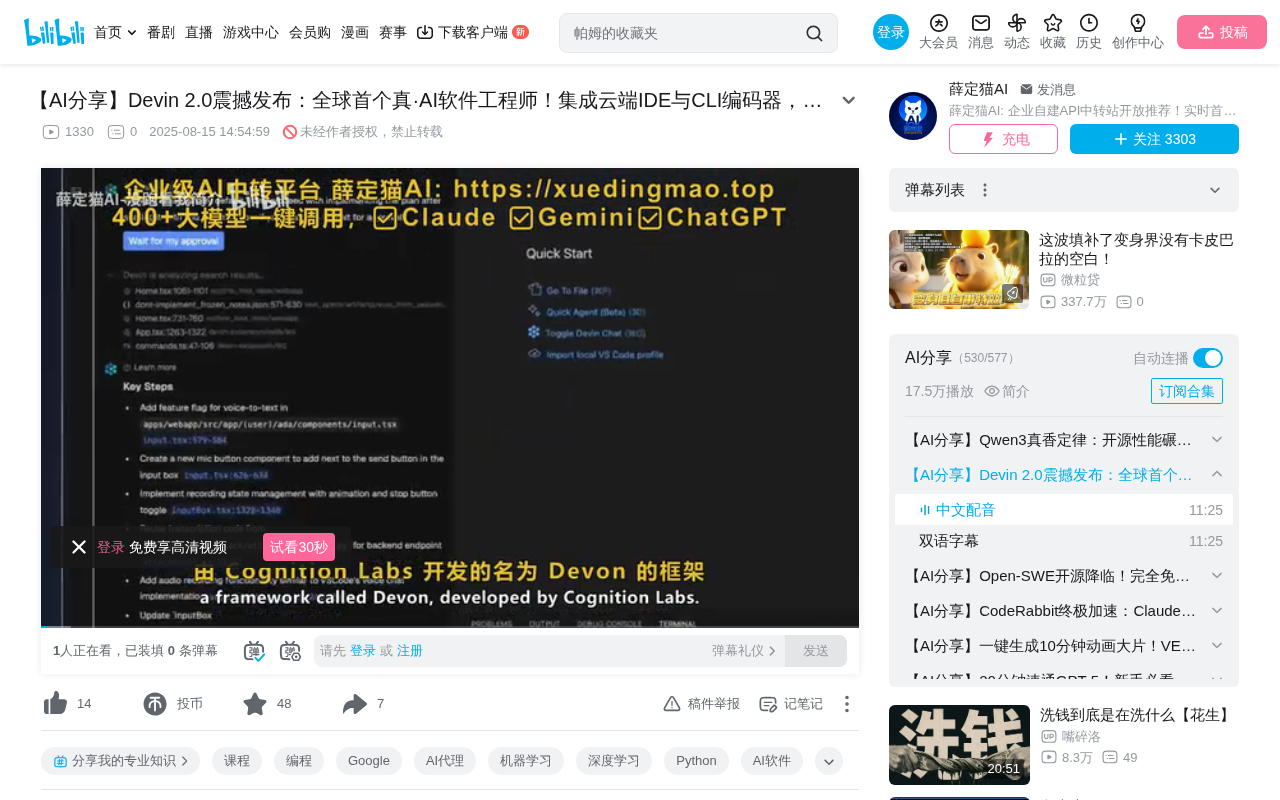
Devin 2.0 Deep Dive: What Can the First AI Software Engineer Actually Do?
Deep dive into Devin 2.0 — the latest evolution of the world's first AI software engineer. Exploring autonomous coding, multi-agent parallelism, Ask Devin, Deep Wiki, and how it differs from Copilot and Cursor.
Read more →
 Product Reviews
·2 min
Google Stitch 2.0 Deep Dive: A Free AI Frontend Code Generation Tool Powered by Gemini
Deep dive into Google Stitch 2.0: Gemini 3.0 Pro reasoning engine, variant generation, predictive heatmaps, AI Studio and Jules export for a complete design-to-deployable-code workflow—completely free.
Read more →
 Tutorials
·2 min
Career Progression in AI/LLM Application Development: Four Stages from Beginner to 40K Monthly Salary
A systematic four-stage career path for AI/LLM application development: from RAG and Agent fundamentals to architecture design, helping developers transition to AI roles targeting 40K+ monthly salary.
Read more →
 Deep Dives
·2 min
AI Agent Development Methodology: A Complete Guide from ReAct to Enterprise-Grade Tech Stack
A deep dive into AI Agent development methodology, from the ReAct theoretical framework to a four-layer enterprise tech stack covering model services, Agent types, LangChain, and production deployment.
Read more →
 Product Reviews
·3 min
Google Jules 2.0 Major Upgrade: Deep Dive into Seven New Features
Google's AI coding assistant Jules exits Beta with environment snapshots, Critic Agent reinforcement learning code review, interactive planning, web preview, web search, and more.
Read more →
 Tutorials
·3 min
Harness Engineering: A Practical Guide to AI Development — From Prompts to Mastering AI Agents
A deep dive into Harness Engineering's three-layer architecture: Information, Constraint, and Automation layers, covering Agent failure modes, OpenAI and Anthropic best practices, and AI tool selection strategies for controlled AI development.
Read more →