#token consumption
187 related articles
Industry Insights
Qoder's Context Engineering in Practic…
·4 min
Qoder's Context Engineering in Practice: Four-Layer Retrieval Engine and Memory System Architecture
Deep analysis of Qoder's (Tongyi Lingma international edition) context engineering architecture, including its four-layer retrieval engine, memory engine, context caching, and core product design.
Read more →
Product Reviews
Ruflo: A Multi-Agent Orchestration Sol…
·3 min
Ruflo: A Multi-Agent Orchestration Solution That Turns Claude Code into a 100-Person AI Team
Ruflo is an open-source multi-agent orchestration platform that upgrades single-threaded Claude Code into a distributed AI dev team with 100+ specialized Agents and a SANA self-learning engine.
Read more →
Industry Insights
Should Custom Software Teams Go All-In…
·3 min
Should Custom Software Teams Go All-In on LLMs? ChatGPT Itself Gave the Answer
Should custom software teams go all-in on LLMs? Through a deep conversation with ChatGPT, we analyze scenario selection, Token costs, and industry fit to provide a rational decision framework for ToB developers.
Read more →
Product Reviews
Cursor Composer 2.5 Hands-On: An AI Co…
·2 min
Cursor Composer 2.5 Hands-On: An AI Coding Model That's Faster and 10x Cheaper
Hands-on review of Cursor Composer 2.5's Agent view, Plan mode, and right panel features. Coding ability matches Claude and GPT top models at up to 10x lower cost with significantly faster speed.
Read more →
Tutorials
35 Lines of Prompts Let Codex Auto-Opt…
·3 min
35 Lines of Prompts Let Codex Auto-Optimize Your Workflow — Reposted by OpenAI's President
An OpenAI employee used just 35 lines of prompts to have Codex analyze 30 days of work history, identify repetitive tasks, and generate reusable automated Skills. Combined with screen reading and long-term memory, Codex is becoming a proactive workflow optimization agent.
Read more →
 Tech Frontiers
·2 min
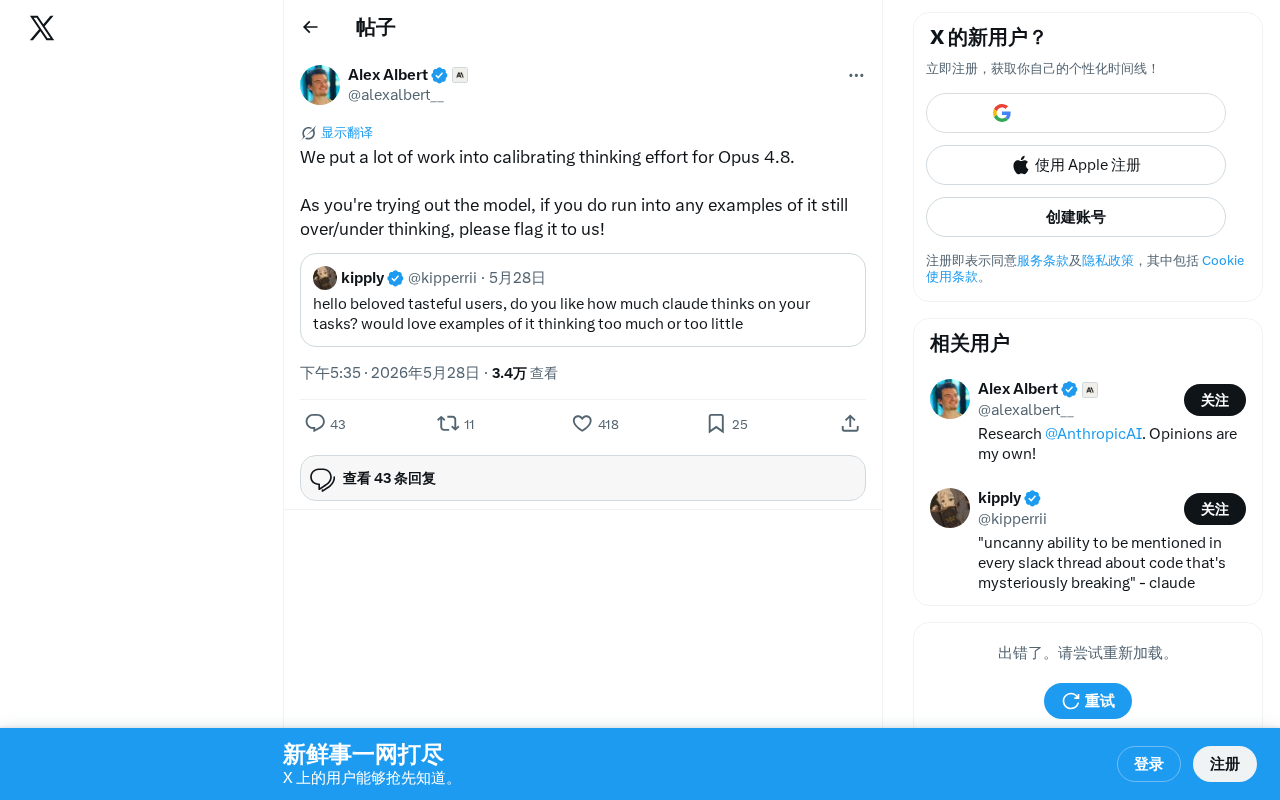
Claude Opus 4.8 Thinking Effort Calibration Explained: A Critical Optimization Direction for AI Reasoning Models
Anthropic releases Claude Opus 4.8 with optimized thinking effort calibration. This article explains what it is, why it matters for AI reasoning models, and its impact on industry competition.
Read more →
Product Reviews
Deep Dive into Qwen3.7 Max: One-Tenth …
·3 min
Deep Dive into Qwen3.7 Max: One-Tenth the Cost of GPT, Purpose-Built for AI Agents
Alibaba's Qwen3.7 Max targets AI agents with coding tasks at just $1.30 (one-tenth of GPT-5), supporting 35 hours of continuous execution. Deep analysis of its cost advantages, front-end capabilities, and three key limitations.
Read more →
Product Reviews
Codex Computer Use Hands-On Review: Se…
·3 min
Codex Computer Use Hands-On Review: Setup Guide, How It Works, and Security Risks Explained
Hands-on review of OpenAI Codex Computer Use: step-by-step setup guide, WeChat demo, screenshot-based core principles, and analysis of three major security risks including privacy leakage and current limitations.
Read more →
Product Reviews
Claude Code vs Codex Deep Dive: A Prac…
·3 min
Claude Code vs Codex Deep Dive: A Practical Guide to Choosing the Right AI Coding Tool
A comprehensive comparison of Claude Code and OpenAI Codex covering architecture, use cases, and benchmarks to help you choose the right AI coding tool.
Read more →
Tutorials
CLAUDE.md Configuration Guide: Write Y…
·2 min
CLAUDE.md Configuration Guide: Write Your Project Spec Using a Six-Section Structure
A detailed guide to configuring CLAUDE.md with a six-section structure covering project overview, features, tech stack, directory structure, code conventions, and constraints to boost AI coding efficiency.
Read more →
 Research
·2 min
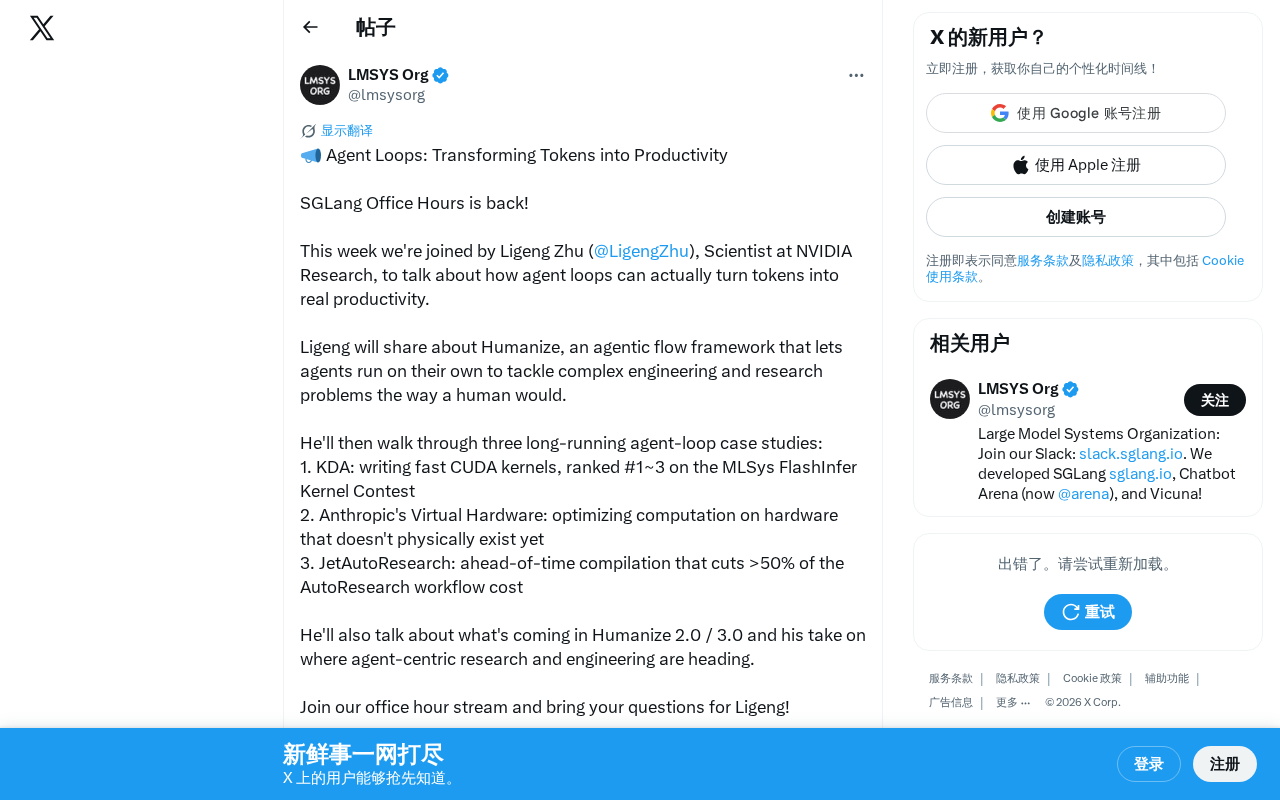
Agent Loops in Practice: Transforming Token Output into Productivity from CUDA Kernels to Automated Research
Deep dive into how the Humanize framework transforms LLM tokens into engineering productivity via Agent Loops. Covers KDA winning CUDA kernel contests, virtual hardware optimization, and 50% research cost reduction.
Read more →
Product Reviews
API Aggregation Proxy Platforms Tested…
·2 min
API Aggregation Proxy Platforms Tested: One Interface to Call 100+ AI Models
Hands-on testing of an API aggregation proxy platform's model calling capabilities, including GPT-Image2 image generation, cost analysis, and coverage of 100+ models like Claude and Gemini.
Read more →
Tutorials
BMad-Method: Building an AI Agile Deve…
·3 min
BMad-Method: Building an AI Agile Development Team with a Multi-Agent Framework
Deep dive into BMad-Method, an open-source multi-agent framework simulating a full agile team—from business analysis to QA—supporting Claude Code, Cursor, and more.
Read more →
Tutorials
Claude Code Source Code Study Guide: E…
·3 min
Claude Code Source Code Study Guide: Efficiently Mastering Core AI Agent Development Architecture
Learn AI Agent development from Claude Code's 510K lines of source code, covering Agent Loop, context compression, multi-Agent orchestration, and two efficient study methods.
Read more →
Tutorials
Claude Code Monitor Tool Explained: Ev…
·2 min
Claude Code Monitor Tool Explained: Event-Driven Replaces Polling, Saving Tokens More Efficiently
Deep dive into Claude Code's new built-in Monitor tool. Learn how event-driven monitoring replaces polling via Stream Filter and Poll and Diff modes, dramatically reducing token consumption.
Read more →
Product Reviews
Major Claude Code Update: A Complete G…
·2 min
Major Claude Code Update: A Complete Guide to Agent View and the Goal System
Deep dive into Claude Code's new Agent View and Goal system, covering multi-agent parallel management, background sessions, and result-oriented autonomous execution.
Read more →
Product Reviews
Deep Dive into Cursor's Pay-Per-Use Re…
·3 min
Deep Dive into Cursor's Pay-Per-Use Refill Plan: Is Using Official Pro Accounts at 65% Off Reliable?
Deep analysis of Cursor's pay-per-use refill plugin: account rotation mechanism, tiered discounts, full model support, and objective assessment of compliance risks and data security concerns.
Read more →
Tutorials
Getting Started with Claude Code: 5 Co…
·2 min
Getting Started with Claude Code: 5 Core Advantages Over Regular AI Coding Tools
Deep dive into the core differences between Claude Code and regular AI chat tools across 5 dimensions: interaction, context understanding, execution, memory, and tool invocation.
Read more →
Expert Opinions
The Truth About Vibe Coding: You Can S…
·1 min
The Truth About Vibe Coding: You Can Skip Writing Code, But You Can't Skip Understanding It
Vibe Coding doesn't mean you can build software without understanding code. This article reveals why diagnostic ability matters more than code generation and how to use AI effectively.
Read more →
 Product Reviews
·2 min
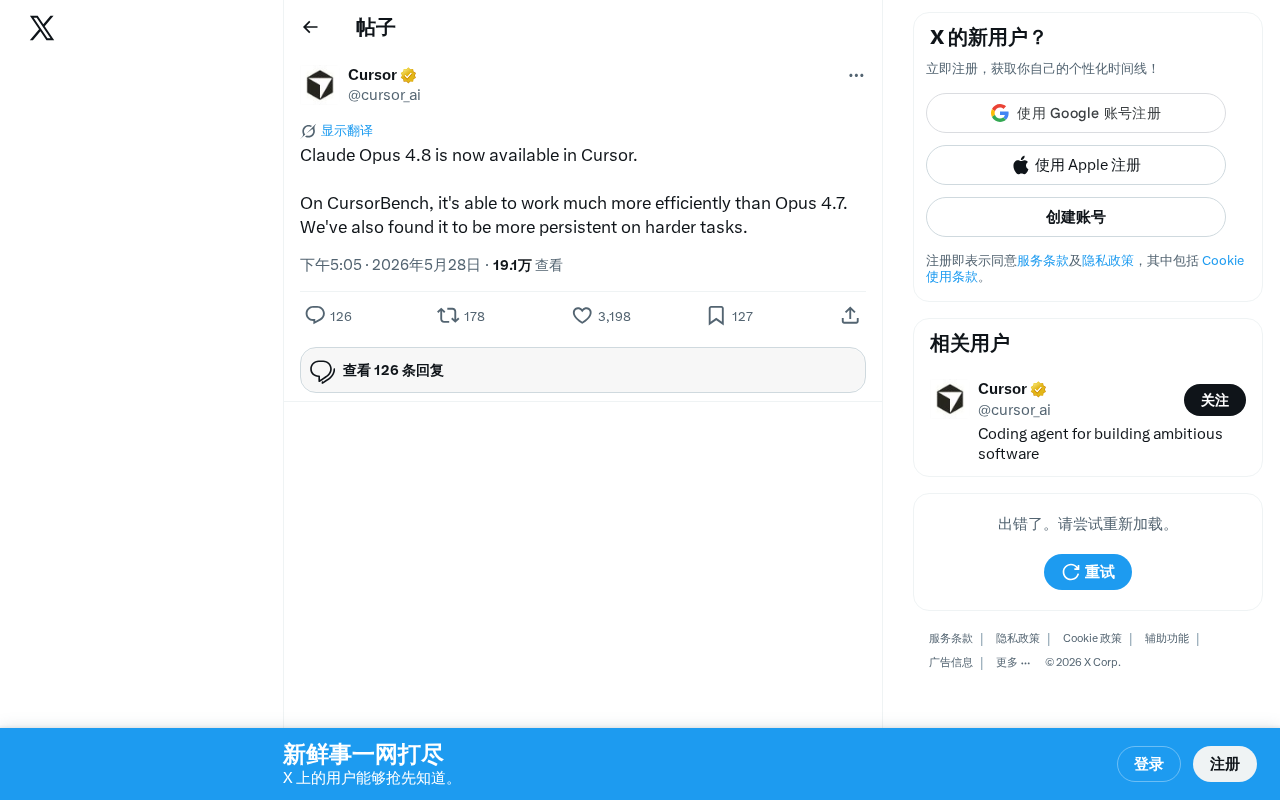
Claude Opus 4.8 Launches on Cursor: Dual Improvements in Efficiency and Persistence
Cursor announces Claude Opus 4.8 is live. CursorBench shows significant gains in coding efficiency and task persistence. Analysis of key improvements and market impact.
Read more →