#AI programming
461 related articles

·2 min
Google Antigravity CLI Launch: Unified AI Development Platform and Gemini CLI Migration Guide
Google launches unified AI platform Antigravity, migrating Gemini CLI users to the new Antigravity CLI rebuilt in Go with multi-agent orchestration and async workflows.
Read more →

·2 min
Bolt.new Mobile App Teaser: Vibe Coding Coming to Your Phone
Bolt.new team teases Android and iOS Vibe Coding app development, expanding AI-assisted programming from desktop to mobile. Learn about the concept, significance, and industry trends.
Read more →
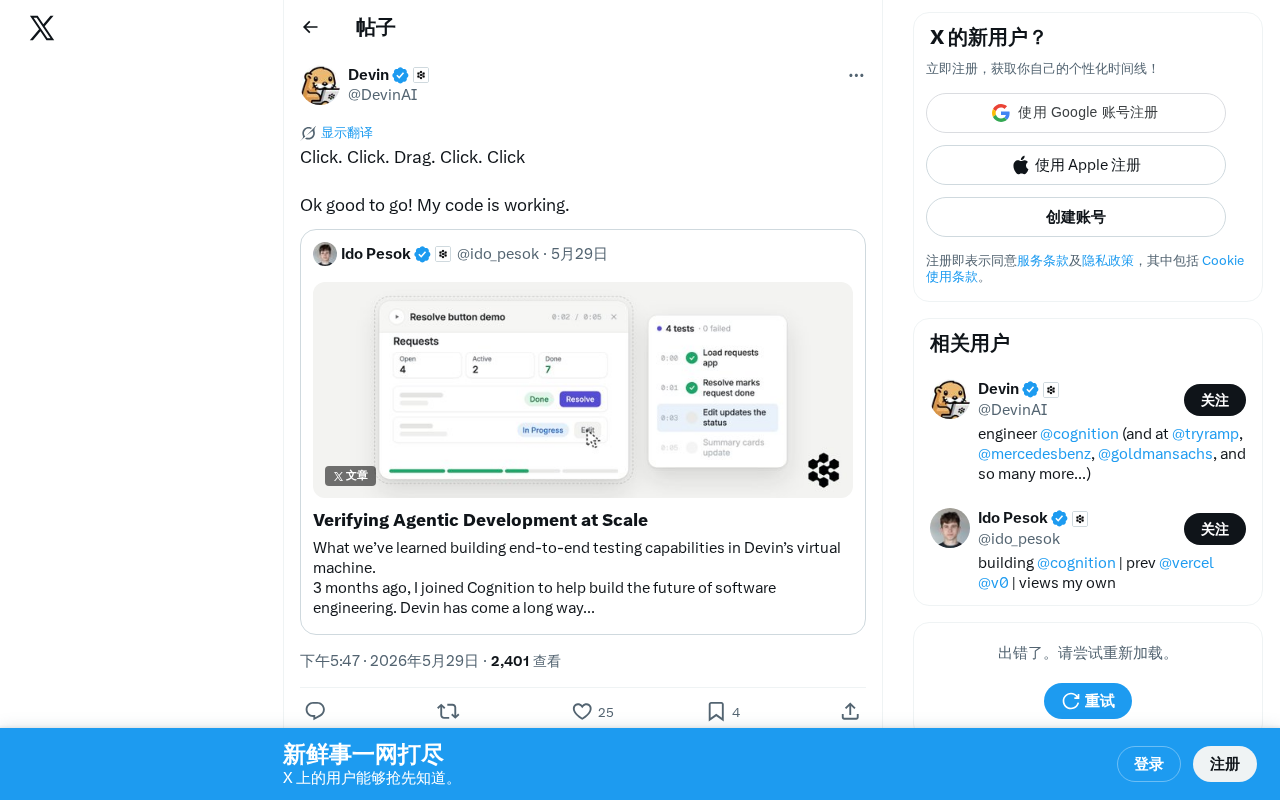
·3 min
Click and Drag to Code: The New Paradigm of AI Visual Programming
Explore how AI visual programming transforms development from writing code line-by-line to click-and-drag operations, and its impact on developers and the future of software.
Read more →

·2 min
The Truth About Windsurf Refill Plugins: Account Pool Mechanics, Risks, and Compliant Alternatives
Deep analysis of Windsurf refill plugins: account pool mechanics, security risks, legal concerns, and compliant alternatives like Cursor, GitHub Copilot, and Cline.
Read more →
OpenAI Codex Launches Build iOS Apps P…
·2 min
OpenAI Codex Launches Build iOS Apps Plugin: Enabling a Complete Write-Preview-Test Loop
OpenAI Codex launches Build iOS Apps plugin with in-app browser testing, SwiftUI preview, and hot reload, enabling a complete write-preview-test workflow for iOS development.
Read more →

·3 min
What Are the Risks of Cracked Windsurf? Security Threats Behind "Unlimited Free Refills"
Analysis of cracked Windsurf risks including code leakage, malware injection, and legal issues, plus safe free alternatives for AI programming.
Read more →

·3 min
Creating 3D City Map Time Animations with Claude: Visualizing a Millennium of Architectural Evolution
Explore the technical feasibility of generating 3D city map time animations with Claude AI, covering Mapbox GL JS building rendering, historical data sourcing, and time slider animation challenges.
Read more →
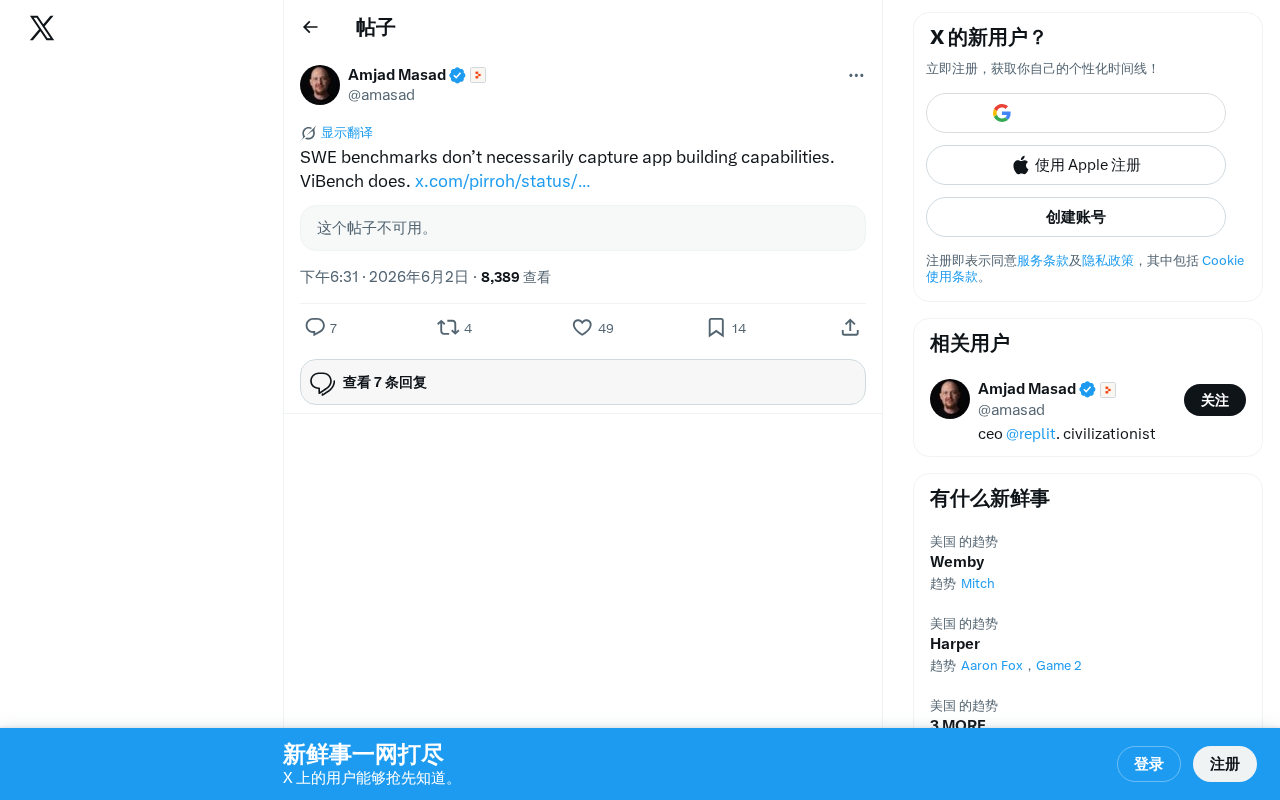
·2 min
ViBench: A Benchmark Designed Specifically for Evaluating AI Application Building Capabilities
Deep dive into ViBench, a benchmark addressing SWE-bench's gaps in evaluating AI application building through end-to-end generation, visual quality, and functional completeness.
Read more →
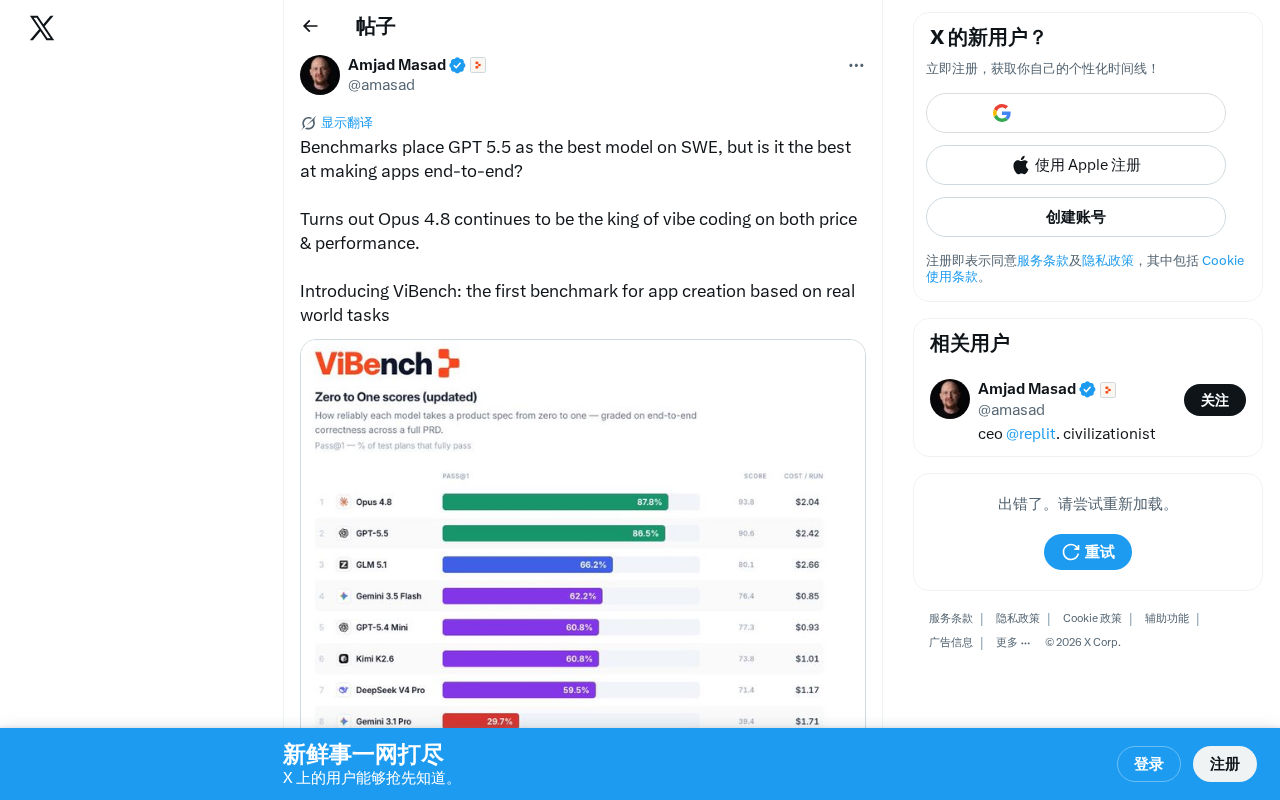
·2 min
ViBench Benchmark: End-to-End App Creation Evaluation Reveals the True Level of AI Programming
ViBench is the first end-to-end app creation benchmark based on real-world tasks. Results show Claude Opus 4.8 leads in performance and cost-effectiveness, revealing gaps between SWE-bench scores and actual development capability.
Read more →

·3 min
Codex Hooks Explained: The Automation Powerhouse That Hijacks the Entire AI Workflow
Deep dive into Codex Hooks' six lifecycle hook types, covering configuration, local vs global hooks, and practical use cases like security interception and auto-summarization for full AI workflow control.
Read more →
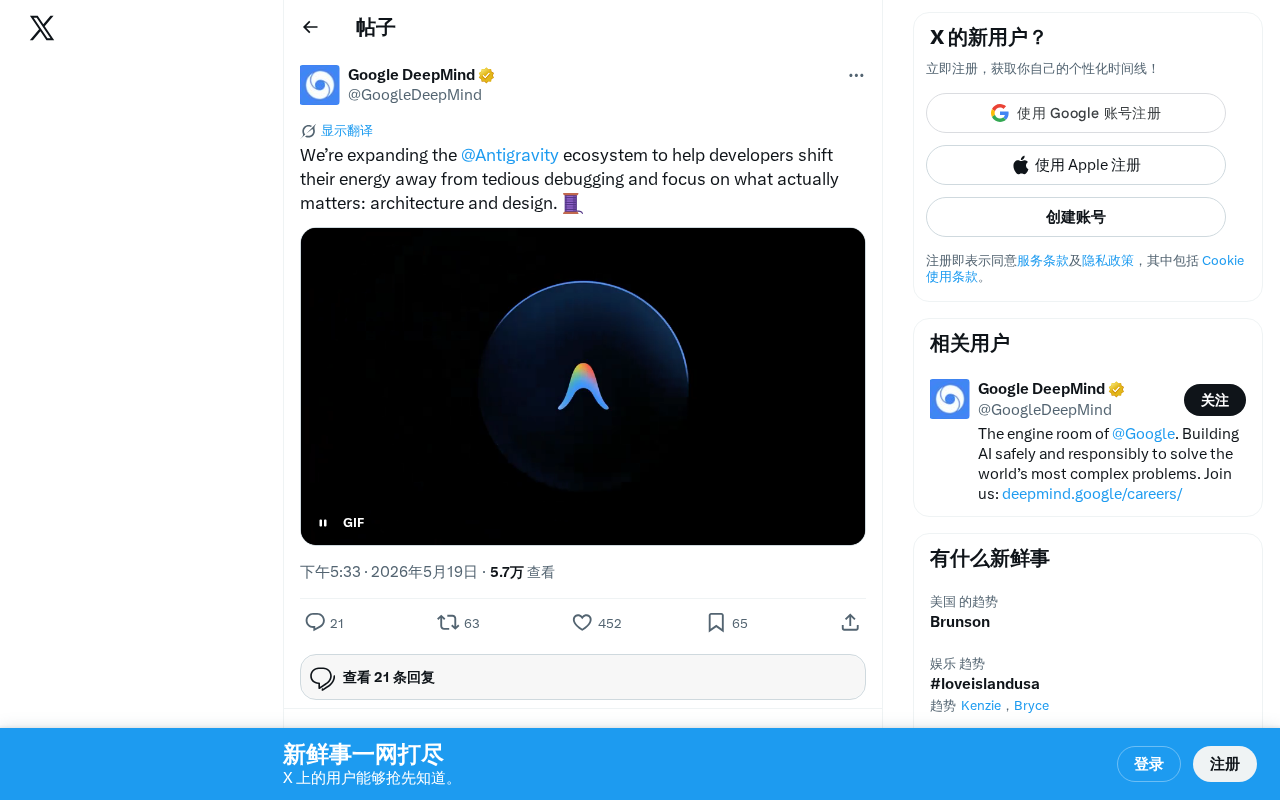
·2 min
Antigravity Ecosystem Expansion: Freeing Up Debugging Time to Refocus on Architecture and Design
Antigravity announces ecosystem expansion to help developers reduce debugging time and focus on architecture and design. Analysis of its strategy and AI dev trends.
Read more →
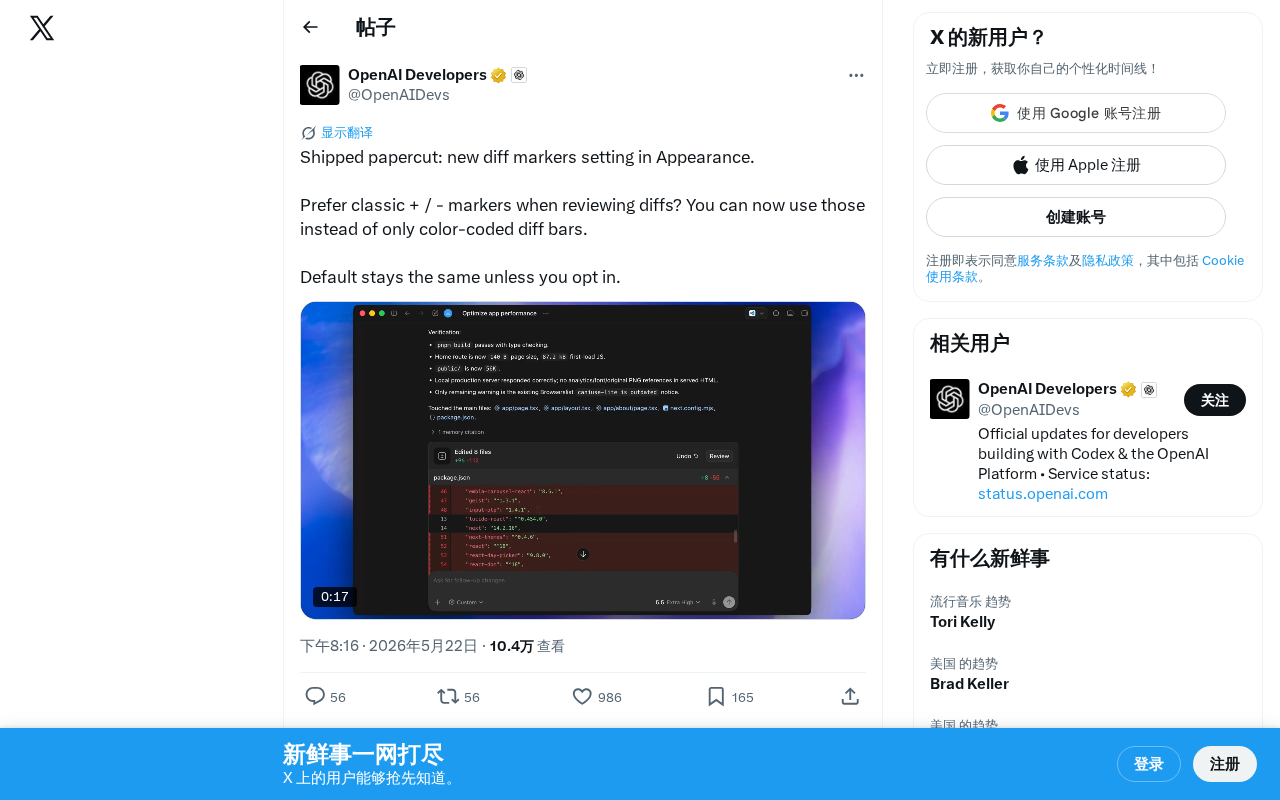
·1 min
Cursor Editor Diff Marker Style Settings: Classic +/- Markers Return
Cursor editor adds Diff marker style options, supporting classic +/- text markers as an alternative to default color bars for viewing code differences. Accessibility-friendly and consistent with Git CLI habits.
Read more →
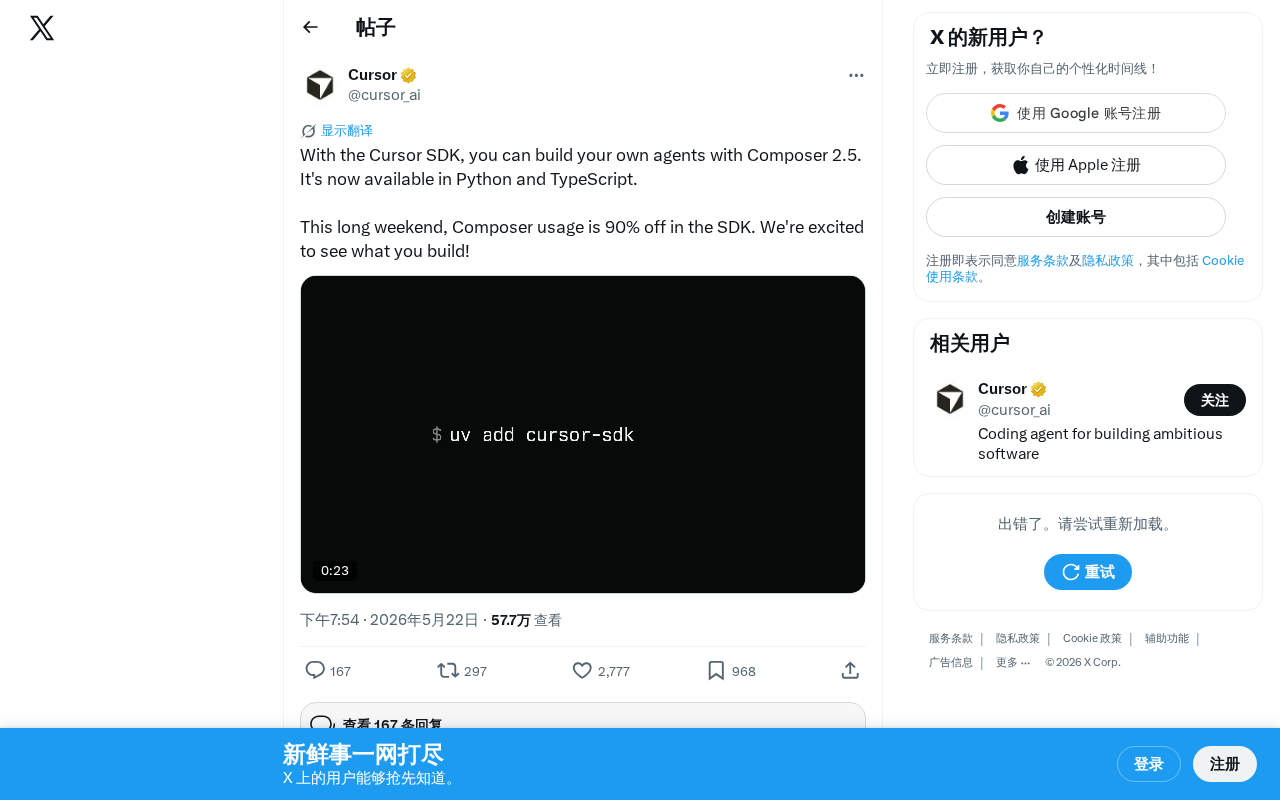
·2 min
Cursor Releases Official SDK: Build Custom AI Agents with Python and TypeScript Based on Composer 2.5
Cursor officially releases its SDK supporting Python and TypeScript, letting developers build custom AI Agents on Composer 2.5. Explore core capabilities, use cases, and a limited 90% discount.
Read more →

·2 min
Cursor Integrates with Jira: How an AI Coding Assistant Becomes an Autonomous Development Agent
Cursor officially integrates with Atlassian Jira, enabling developers to assign tickets to AI that autonomously handles requirements, coding, and PR submission. Analysis of workflow, industry trends, and team impact.
Read more →
·2 min
OpenAI Codex Comes to ChatGPT Mobile: Remote Programming Anytime, Anywhere
OpenAI Codex preview launches on ChatGPT mobile, enabling developers to remotely start coding tasks, review outputs, and approve actions from their phones.
Read more →
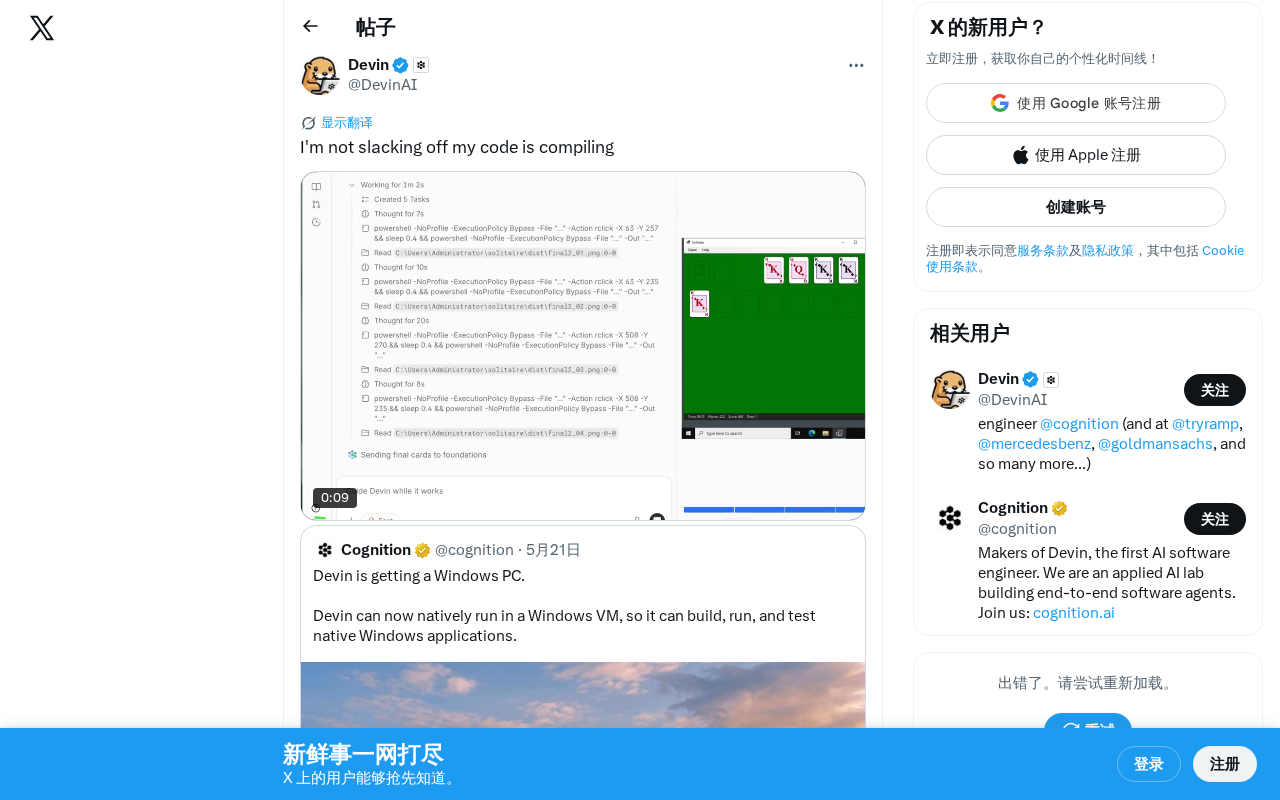
·4 min
Legitimate Slacking for Programmers: The Art of Waiting from Code Compilation to AI Generation
From the classic XKCD compilation meme to AI coding era reinterpretations — exploring how waiting for compilation and AI generation is reshaping developer productivity.
Read more →

·4 min
The Art of Legitimate Slacking: From Code Compilation to AI Generation Waits for Programmers
From the classic XKCD compilation meme to AI coding era reinterpretations — exploring how waiting for compilation and AI code generation is reshaping developer productivity.
Read more →
·2 min
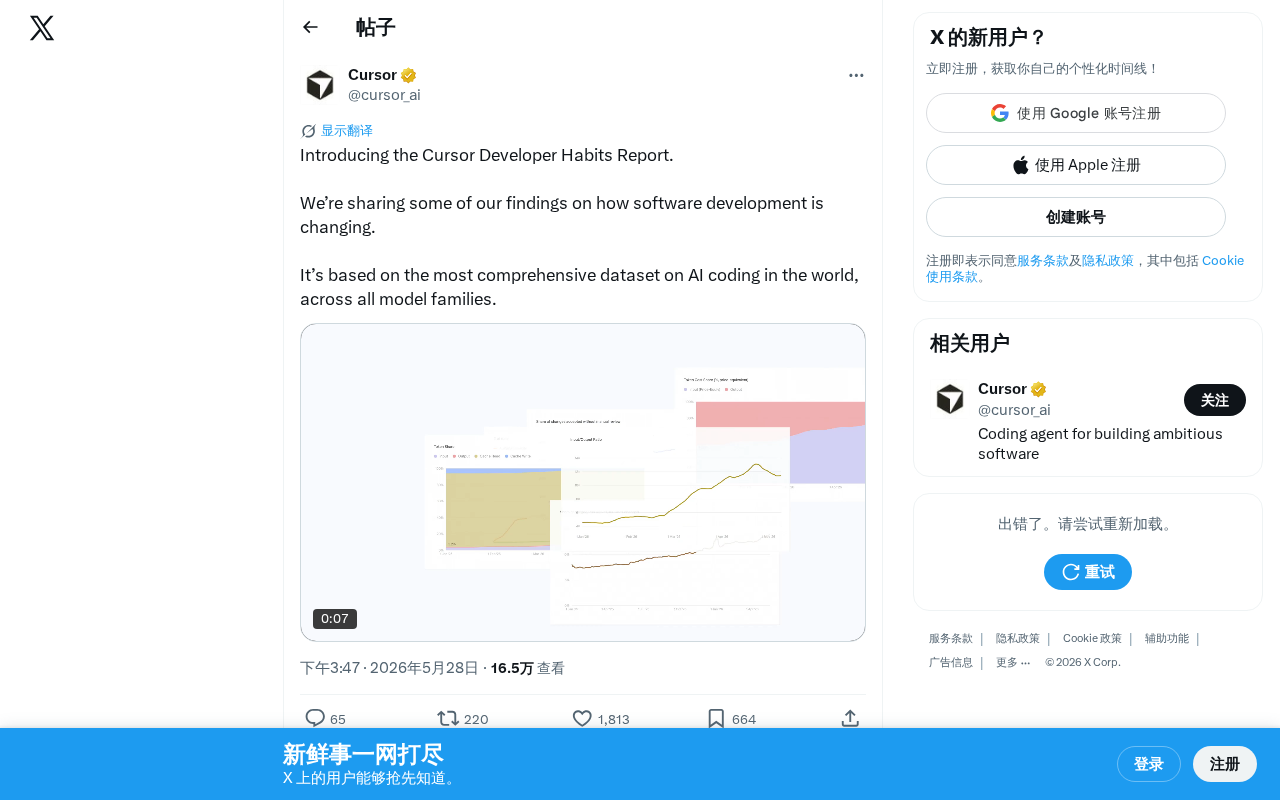
Interpreting Cursor's Developer Habits Report: AI Programming Is Reshaping Software Development
Cursor releases its Developer Habits Report based on the world's most comprehensive AI programming dataset. This article analyzes how AI is reshaping software development workflows and model strategies.
Read more →
·4 min
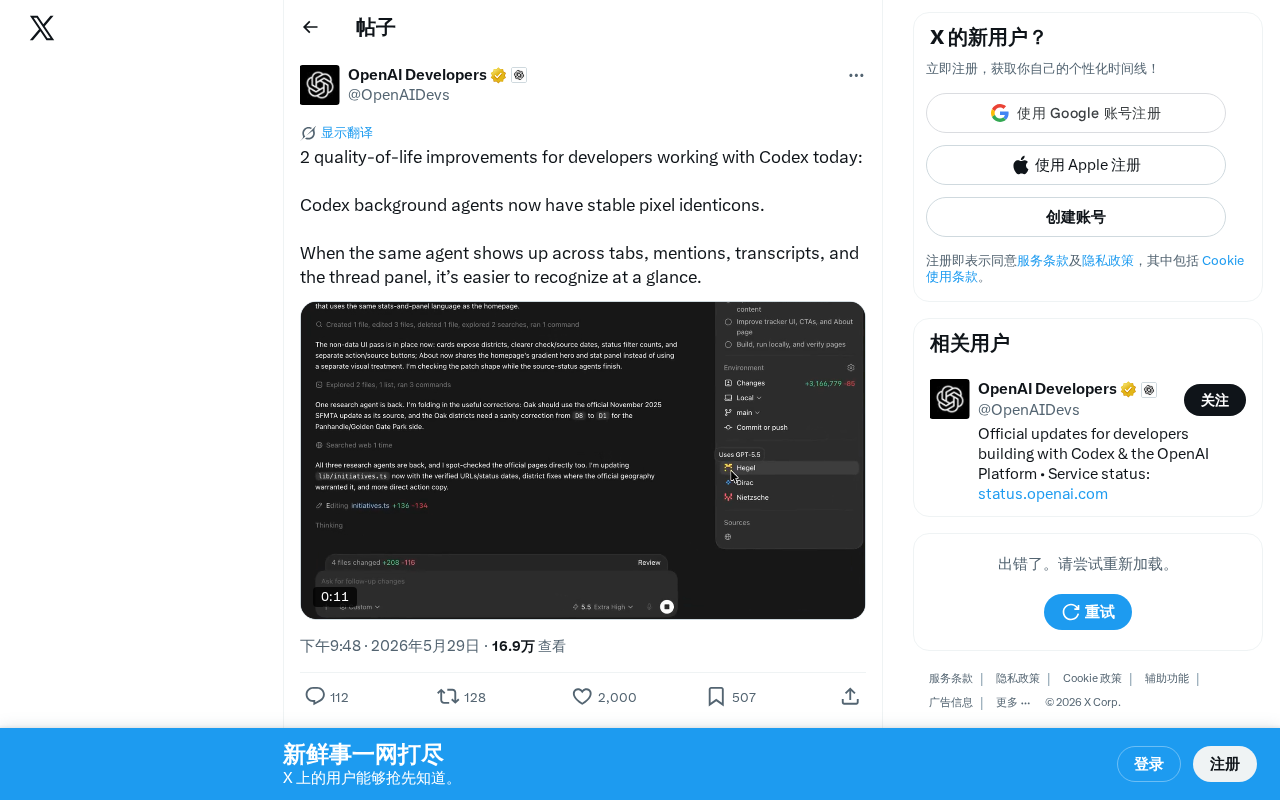
OpenAI Codex Pixel Identicons: A Visual Identification Solution for Multi-Agent Collaboration
OpenAI introduces Pixel Identicons for Codex background agents, using stable visual identifiers to solve multi-agent recognition challenges and reduce cognitive load in AI programming workflows.
Read more →
·3 min
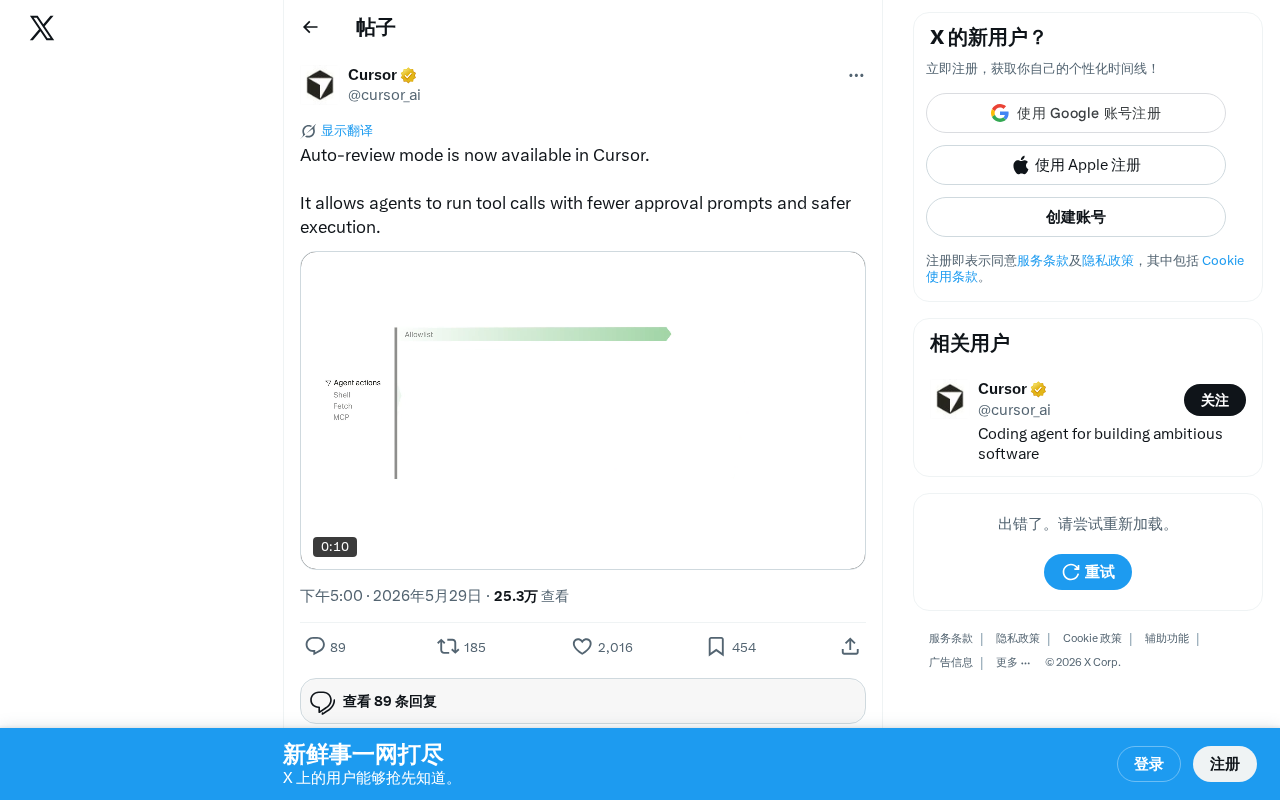
Cursor Auto-Review Mode Explained: Smart Tiered Approval for More Efficient AI Programming
Cursor launches Auto-review mode with smart risk assessment for tiered approval. Low-risk operations auto-approve while high-risk ones need manual confirmation.
Read more →