#Agent collaboration
239 related articles
·3 min
Getting Started with AI Agents: A Complete Learning Path from Zero to Production
A comprehensive guide to AI Agent architecture covering ReAct paradigm, multi-agent collaboration, RAG integration, and the planning-memory-tools framework, with a complete learning path from concepts to production deployment.
Read more →
·3 min
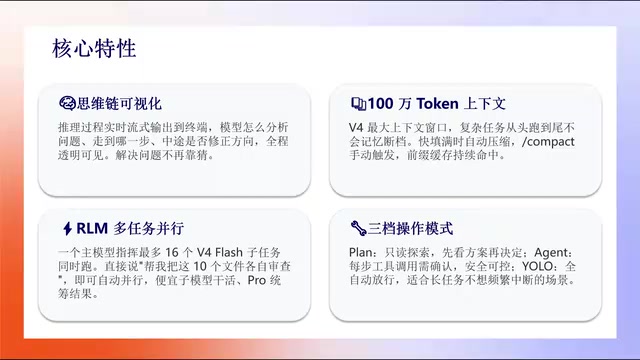
The Complete Guide to DeepSeek TUI: Installation, Configuration, and Hands-On Use of a Terminal AI Coding Agent
A deep dive into DeepSeek TUI: the terminal AI coding agent with chain-of-thought visualization, million-token context, and multi-task parallelism. Covers installation, configuration, and real-world use cases.
Read more →
·3 min
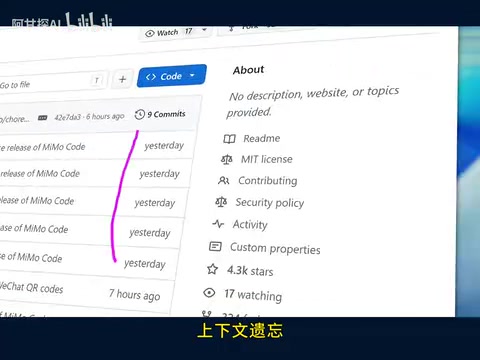
Xiaomi Open-Sources MiMo Code: Can an Infinite Memory Mechanism Solve AI Coding's Biggest Pain Point?
Xiaomi open-sources MiMo Code, an AI coding tool with infinite memory, multi-Agent collaboration, and Claude Code compatibility — solving context forgetting in large projects.
Read more →
·4 min
A Beginner's Guide to Deep Agents: The Complete Evolution from Basic Agents to Deep Agents
A systematic guide covering the evolution from traditional AI agents to Deep Agents, including core architectures, four development stages, technical features, and practical developer guidance.
Read more →
·3 min
AI Agent Learning Roadmap: A Four-Stage Plan from Zero to Hands-On
A systematic four-stage AI Agent learning roadmap covering LLM API calls, ReAct paradigm, memory mechanisms, and multi-agent collaboration for beginners.
Read more →
·3 min
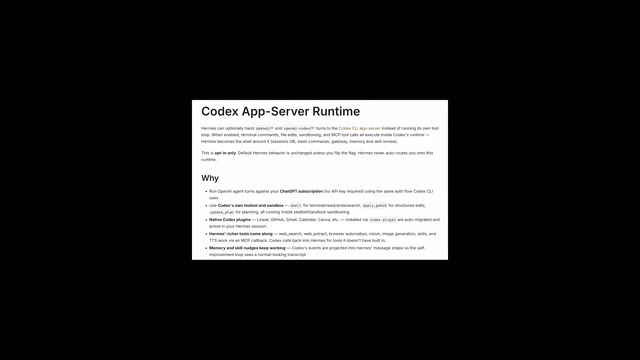
Hermes Overhaul in Practice: Building a Multi-Model Orchestration Master Agent System
How to transform the Hermes Agent framework into a unified orchestration hub with intelligent routing across Claude, Gemini, and Codex, featuring inter-Agent communication, task monitoring, and more.
Read more →
·3 min
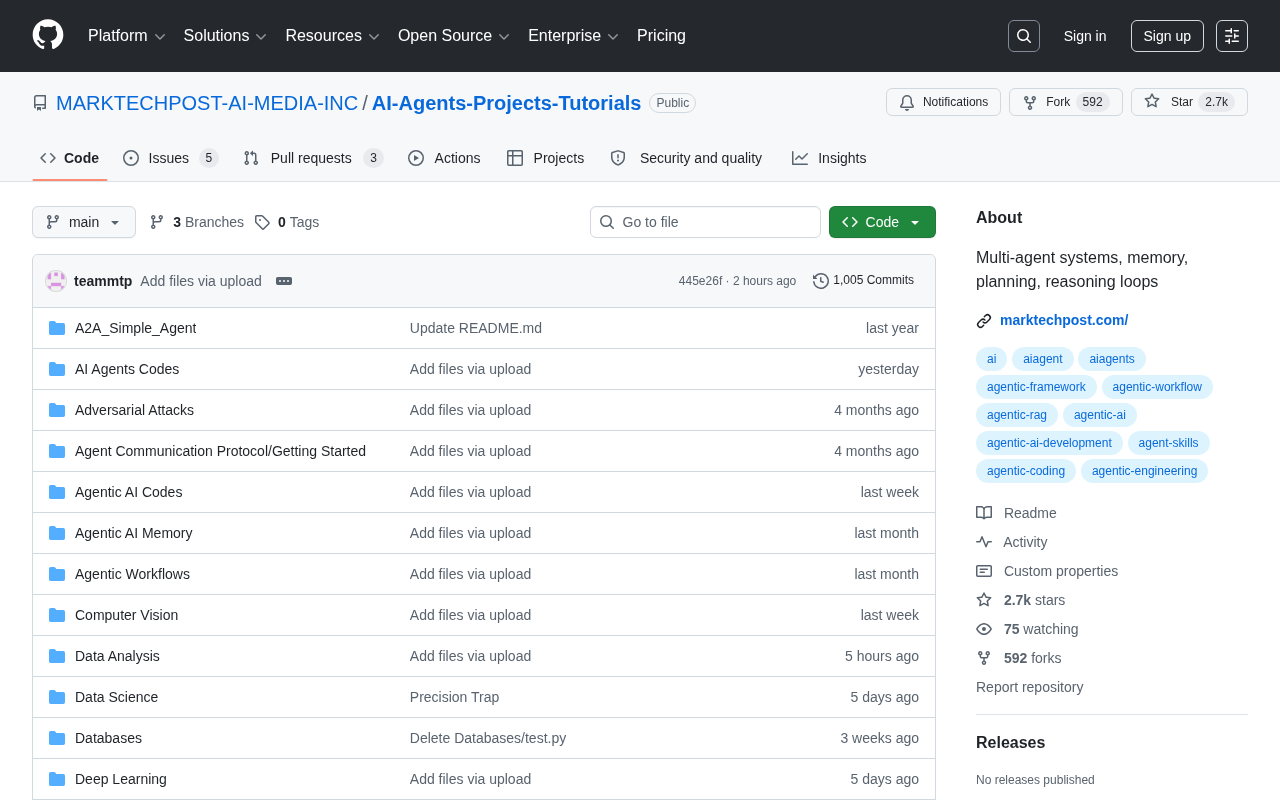
AI Agent Tutorial Collection: Complete Coverage of Multi-Agent, Memory, and Reasoning
Open-source AI Agent tutorial project with 2600+ GitHub Stars covering multi-agent systems, memory, planning, and reasoning loops via Jupyter Notebooks for hands-on learning.
Read more →

·3 min
Hermes Agent Deep Dive: A Self-Evolving Agent Architecture with Practical Implementation Guide
Deep dive into Hermes Agent's core architecture: four-layer memory system, Skill self-evolution mechanism, Harness Engineering methodology, OpenCloud comparison, and Feishu integration tutorial.
Read more →
·2 min
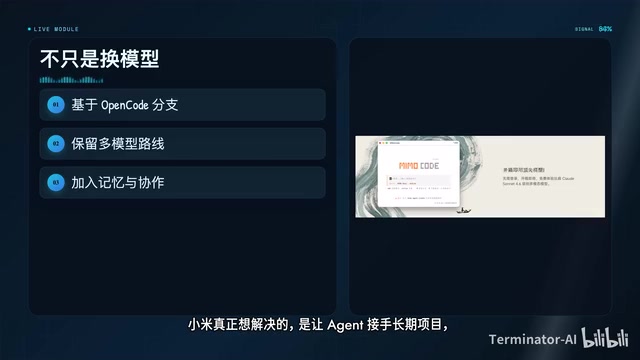
Xiaomi MiMo Code Goes Open Source: How Cross-Session Memory Is Changing AI Programming Collaboration
Xiaomi's MiMo Code is an open-source terminal programming Agent with cross-session memory and multi-Agent collaboration. Explore its memory system, self-evolution mechanism, and how it differs from Claude Code.
Read more →
·3 min
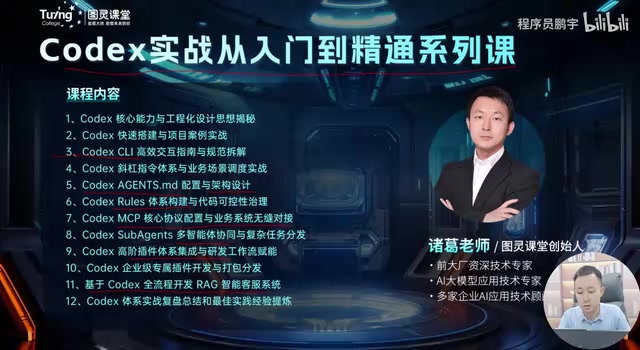
Codex and Claude Code Practical Guide: From Installation to Enterprise Project Deployment
In-depth analysis of OpenAI Codex covering installation, agents.md architecture, MCP protocol integration, multi-agent collaboration, and RAG customer service system development for enterprise use.
Read more →
·3 min
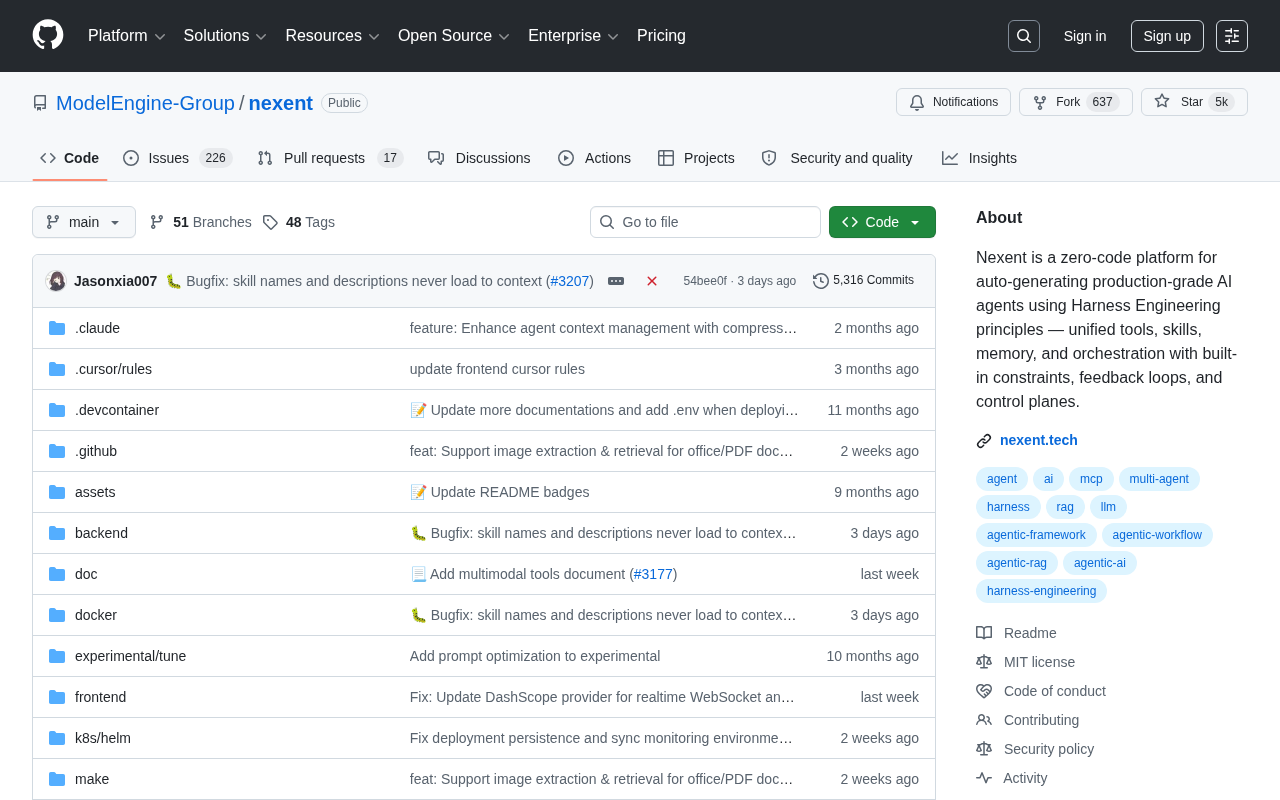
Nexent Open-Source Platform: Zero-Code Auto-Generation of Production-Grade AI Agents
Deep dive into Nexent's open-source platform for zero-code production-grade AI Agent generation, covering Harness Engineering, built-in controls, use cases, and comparisons with AutoGen and CrewAI.
Read more →
·3 min
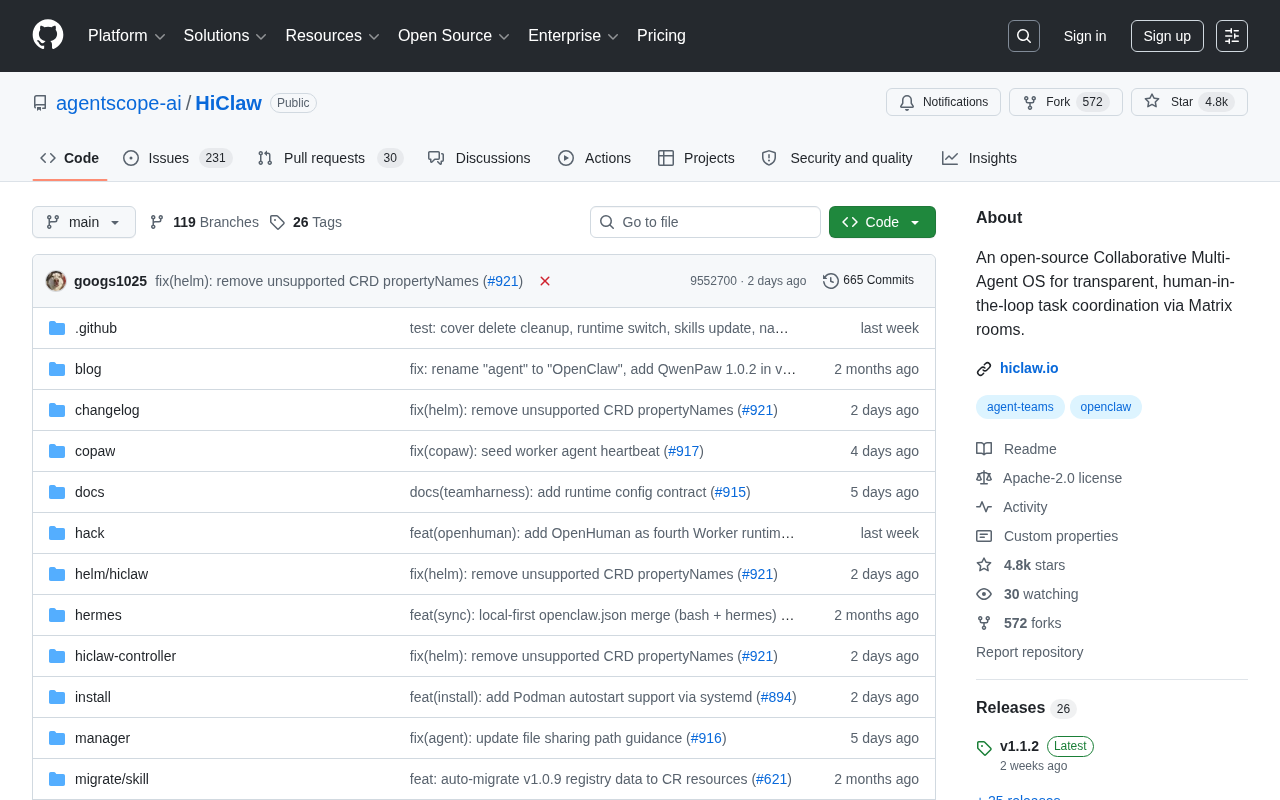
HiClaw Open-Source Multi-Agent Collaboration System: A New Paradigm for Human-AI Collaboration Based on the Matrix Protocol
Deep dive into HiClaw, an open-source multi-Agent OS built on the Matrix protocol for transparent, controllable human-AI task coordination with Human-in-the-Loop design.
Read more →
·2 min
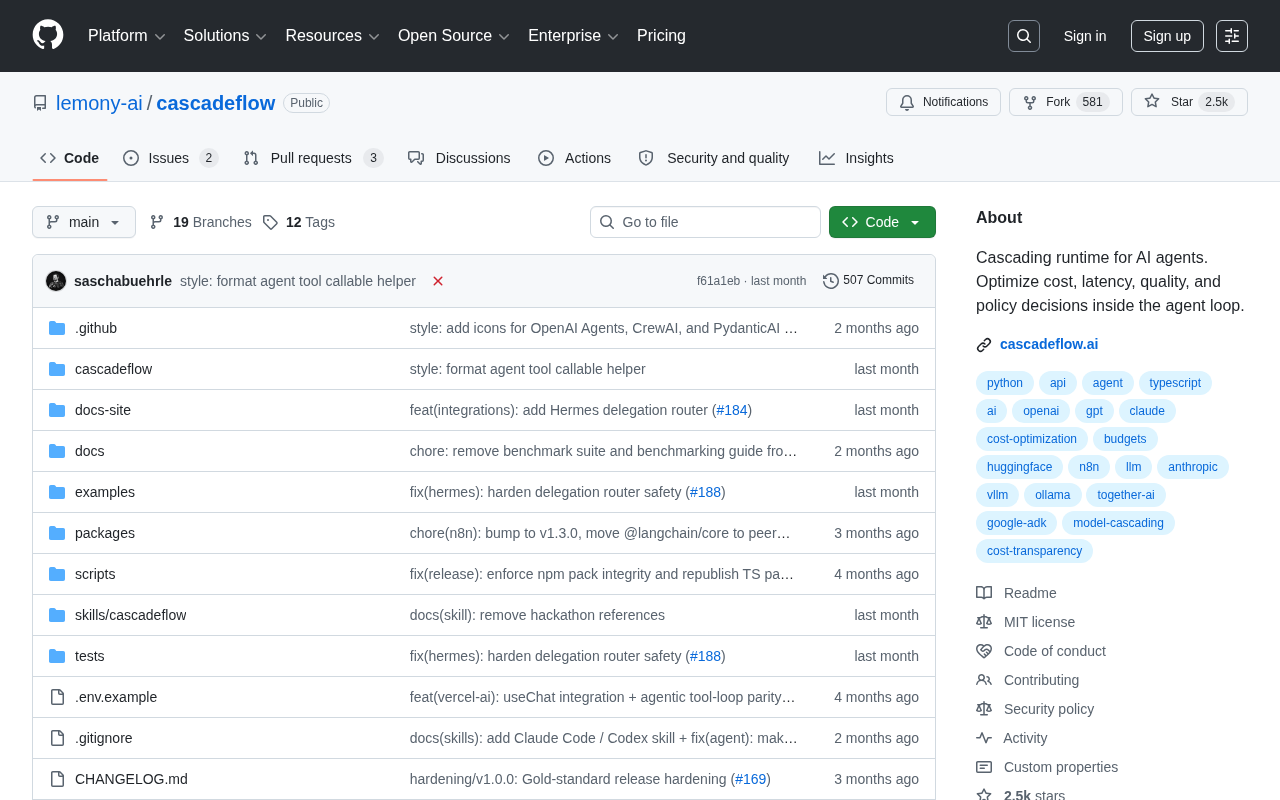
CascadeFlow: Deep Dive into the AI Agent Cascading Runtime Optimization Framework
Deep dive into the CascadeFlow open-source framework and how it optimizes AI Agent cost, latency, quality, and policy decisions through cascading runtime mechanisms for production deployment.
Read more →
Loop Engineering: The Paradigm Shift f…
·3 min
Loop Engineering: The Paradigm Shift from Prompt Engineering to Automated Programming Agents
Deep dive into Loop Engineering's five core components including worktree isolation, skill files, and sub-agent separation. Explore why loop design is harder than prompt engineering.
Read more →
·3 min
Claude Code Loop Patterns in Practice: Community Insights and Best Practices
Explore Boris Cherny's Claude Code loop patterns with community insights on /loop commands, test-driven loops, multi-agent collaboration, and best practices to avoid loop divergence.
Read more →
·1 min
PySpur: A Deep Dive into the Open-Source Visual AI Agent Workflow Development Platform
An in-depth look at PySpur, the open-source visual AI Agent workflow platform, covering its core features, technical positioning, use cases, and comparisons with LangFlow and Dify.
Read more →
·2 min
MiniMax M3 Hands-On Comparison with GPT, Claude, and Gemini: Who Wins Across Five Real-World Tasks?
Hands-on comparison of MiniMax M3 vs Claude, GPT Codex, and Gemini across five real tasks: web generation, coding, earnings analysis, video understanding, and Computer Use.
Read more →

·2 min
Getting Started with Trae Solo: Why It's the Best Entry Point for AI Agents
A detailed guide to Trae Solo as the best AI Agent starter tool: free, zero setup, ByteDance ecosystem, and local file access. Includes usage tips and AI tool selection methodology.
Read more →
·3 min
CrewAI Multi-Agent Collaboration in Practice: A Complete Guide from Setup to API Service
A detailed guide to CrewAI multi-Agent collaboration covering core concepts, FastAPI service setup, and real-world comparisons of GPT-4o Mini, Qwen Max, and Llama 3.1.
Read more →
·2 min
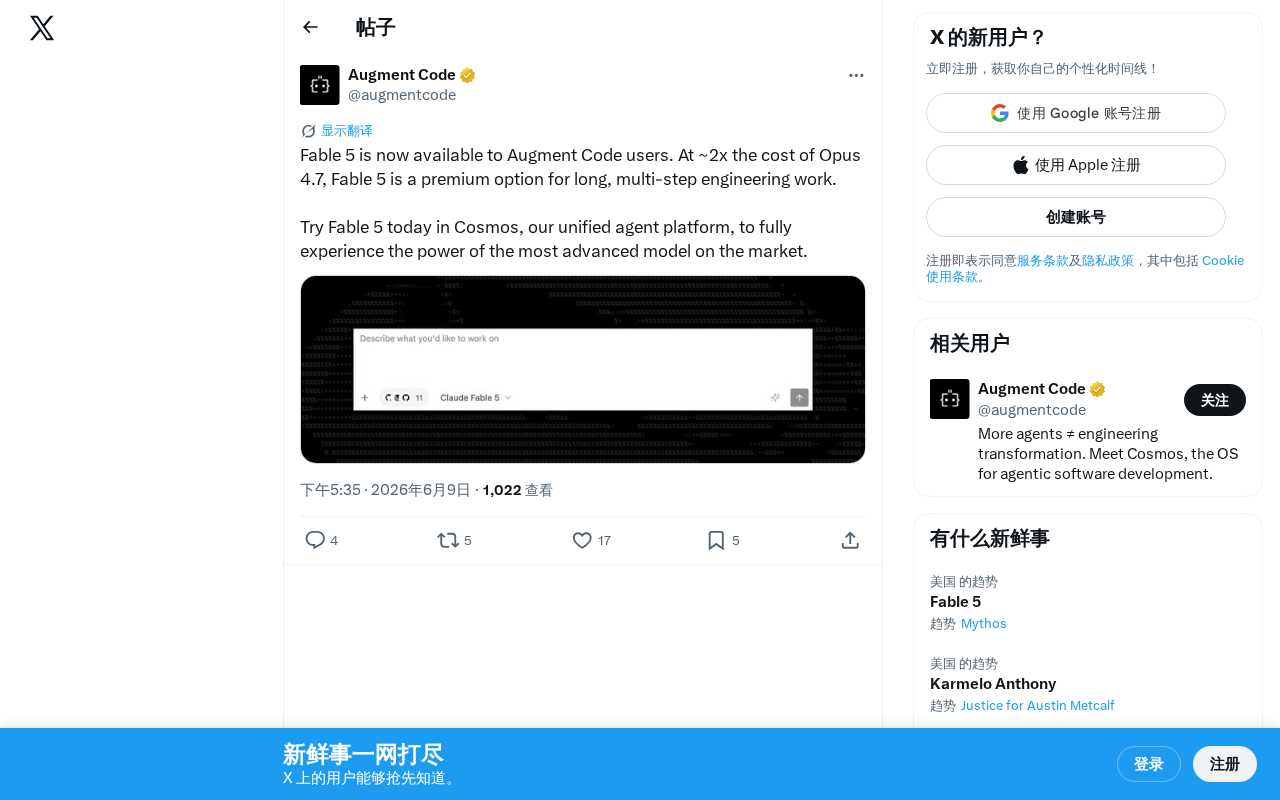
Fable 5 Lands on Augment Code: A Premium Coding Model Priced at 2x Claude Opus 4.7
Fable 5 launches on Augment Code's Cosmos platform, priced at ~2x Claude Opus 4.7, targeting long-chain multi-step engineering tasks. Analysis of its positioning, pricing, and market impact.
Read more →