#LLM
676 related articles
 Product Reviews
·1 min
Tasi Harness: Local AI Agent for Browser Automation
Tasi Harness is a locally deployed AI Agent browser automation tool that drives browsers via natural language to complete searches, data collection, and form filling. A deep dive into its features, technical highlights, and use cases.
Read more →
 Product Reviews
·3 min
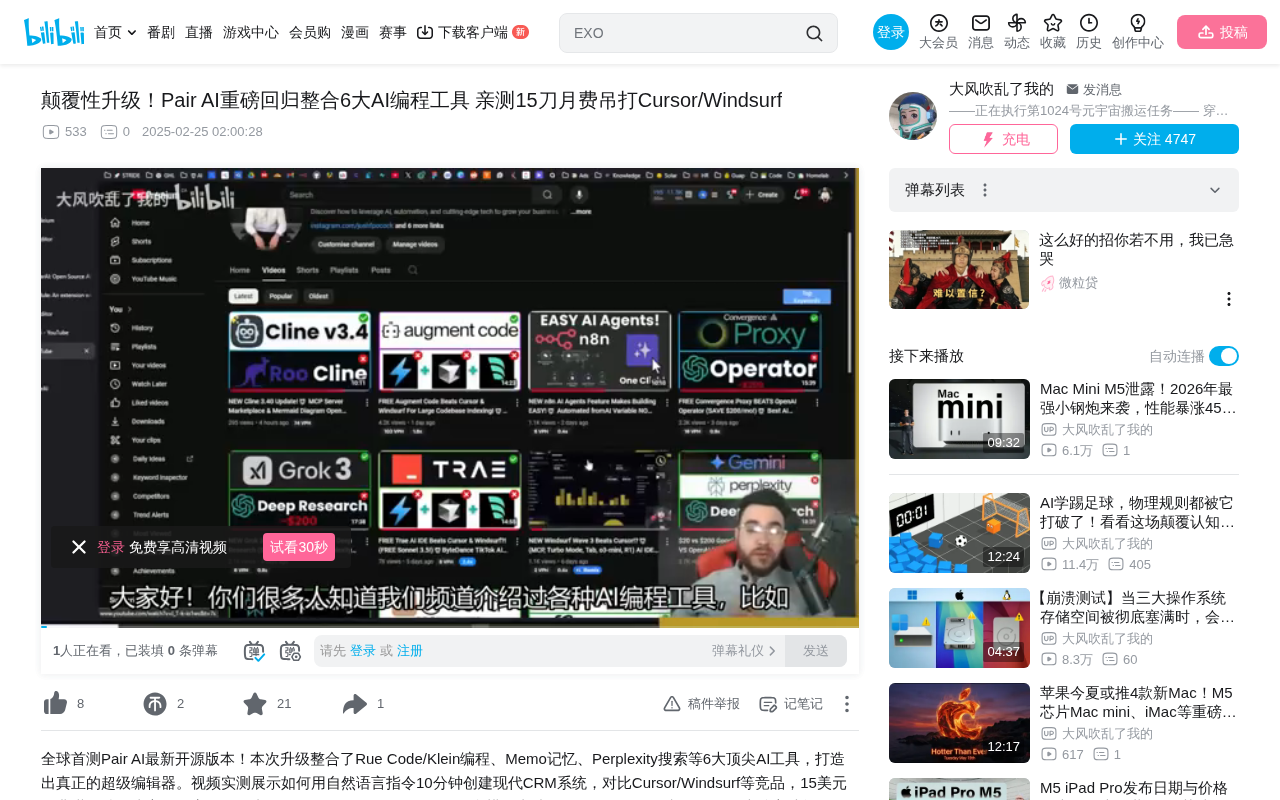
Pair AI Integrates 6 Major Tools to Build an AI Coding Super Editor
Pair AI natively integrates 6 AI coding tools—Roo Code, SuperMaven, Perplexity, Memo, Continue—into one editor starting at $15/month, competing with Cursor and Windsurf.
Read more →
 Product Reviews
·3 min
AI Coding Tools Deep Dive: How to Choose Between Qoder, Cursor, Windsurf, and Devin
Deep comparison of Qoder, Cursor, Windsurf, and Devin across autonomy, reliability, and context capabilities to help developers choose the right AI coding assistant.
Read more →
 Product Reviews
·2 min
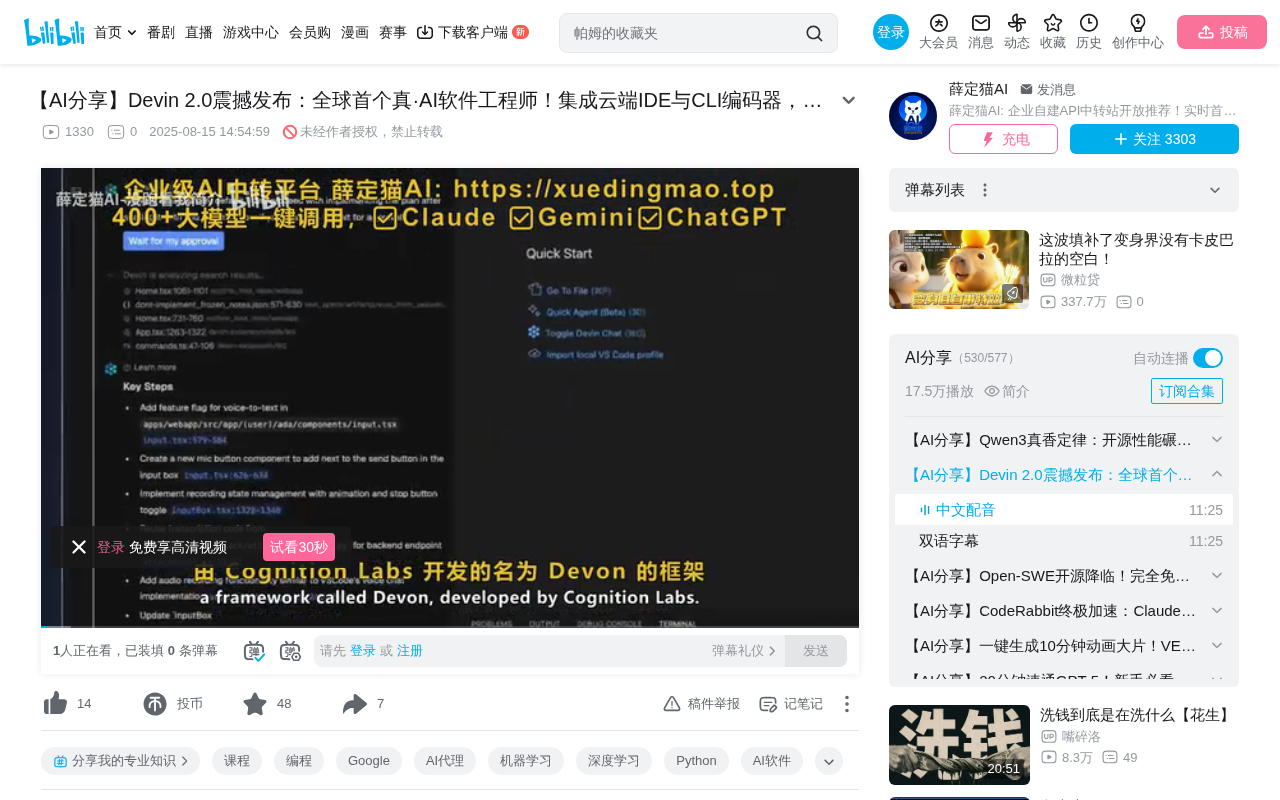
Devin 2.0 Deep Dive: What Can the First AI Software Engineer Actually Do?
Deep dive into Devin 2.0 — the latest evolution of the world's first AI software engineer. Exploring autonomous coding, multi-agent parallelism, Ask Devin, Deep Wiki, and how it differs from Copilot and Cursor.
Read more →
 Deep Dives
·3 min
Single-Agent vs Multi-Agent: A Three-Step Decision Framework for Choosing the Right Architecture
Based on Anthropic's engineering practices, a detailed three-step decision framework for single-agent vs multi-agent architecture: bottleneck identification, technical feasibility, and business value filtering.
Read more →
 Tutorials
·3 min
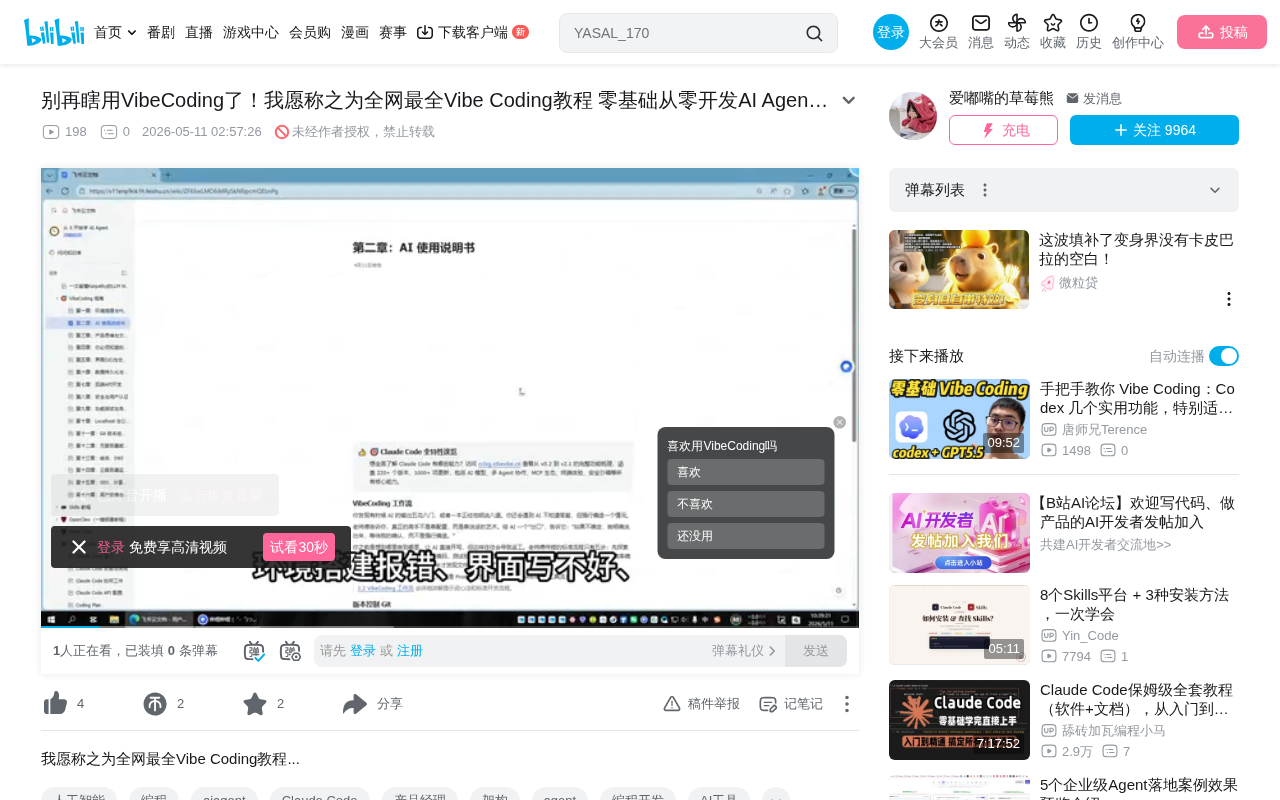
Complete Vibe Coding Tutorial: 15 Key Steps to Building an AI Agent from Scratch
A systematic breakdown of 15 key steps for building AI Agents with Vibe Coding, covering environment setup, product docs, frontend UI, backend APIs, databases, and deployment.
Read more →
 Tutorials
·3 min
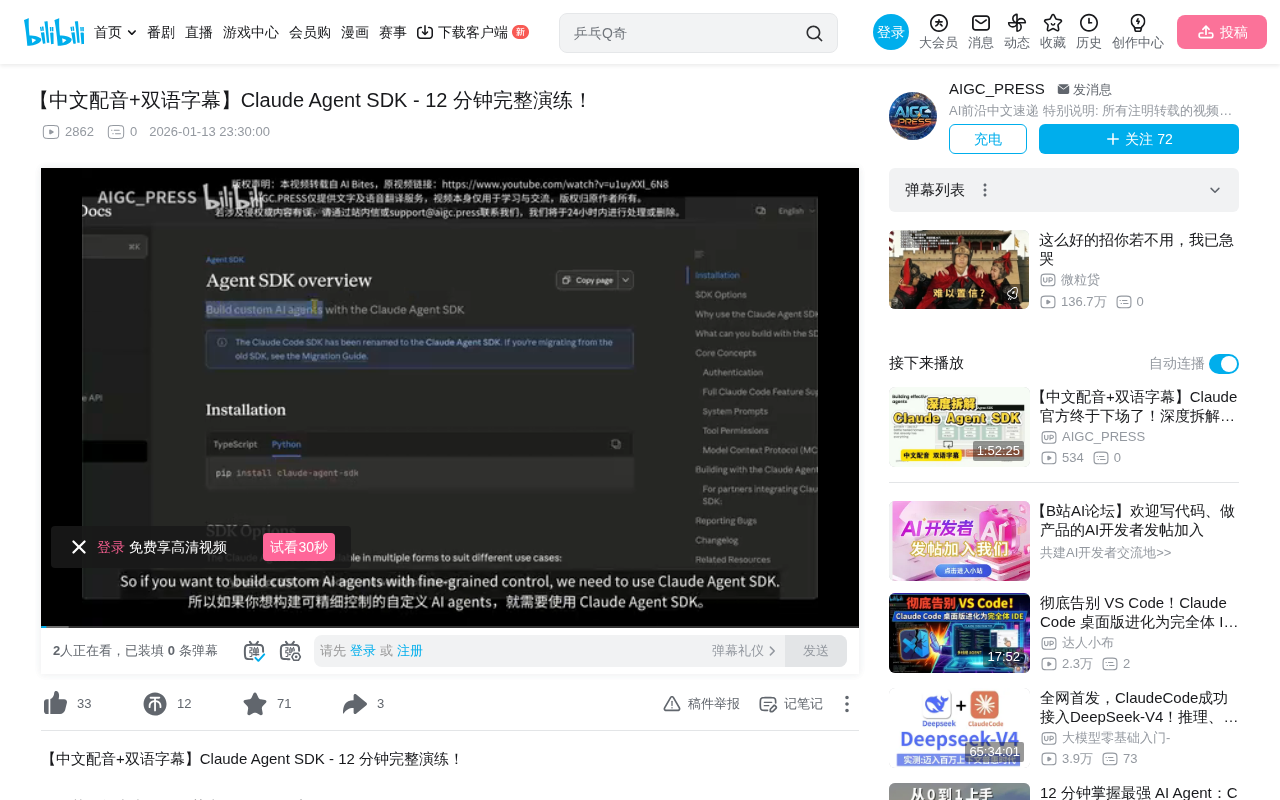
Claude Agent SDK Python in Practice: Custom Tools, Multi-Turn Conversations & Hooks Security Control
A deep dive into Claude Agent SDK for Python: Query basics, custom Tools with MCP Server, CloudSdkClient multi-turn sessions, and Hooks security control with full code examples.
Read more →
 Tutorials
·3 min
Claude Agent SDK + LiteLLM + Local LLMs: Building a Zero-Cost AI Agent Platform
Learn how to redirect Claude Agent SDK API requests to local LLMs via LiteLLM Proxy, achieving zero-cost inference while retaining full agent framework capabilities.
Read more →
 Deep Dives
·2 min
Hermes Agent Deep Dive: An Open-Source AI Digital Worker That Learns
Deep dive into NousResearch's open-source Hermes Agent framework: memory systems, skill reuse, tool calling, security, deployment guide, and multi-agent collaboration.
Read more →
 Tutorials
·2 min
Career Progression in AI/LLM Application Development: Four Stages from Beginner to 40K Monthly Salary
A systematic four-stage career path for AI/LLM application development: from RAG and Agent fundamentals to architecture design, helping developers transition to AI roles targeting 40K+ monthly salary.
Read more →
 Deep Dives
·2 min
AI Agent Development Methodology: A Complete Guide from ReAct to Enterprise-Grade Tech Stack
A deep dive into AI Agent development methodology, from the ReAct theoretical framework to a four-layer enterprise tech stack covering model services, Agent types, LangChain, and production deployment.
Read more →
 Tutorials
·3 min
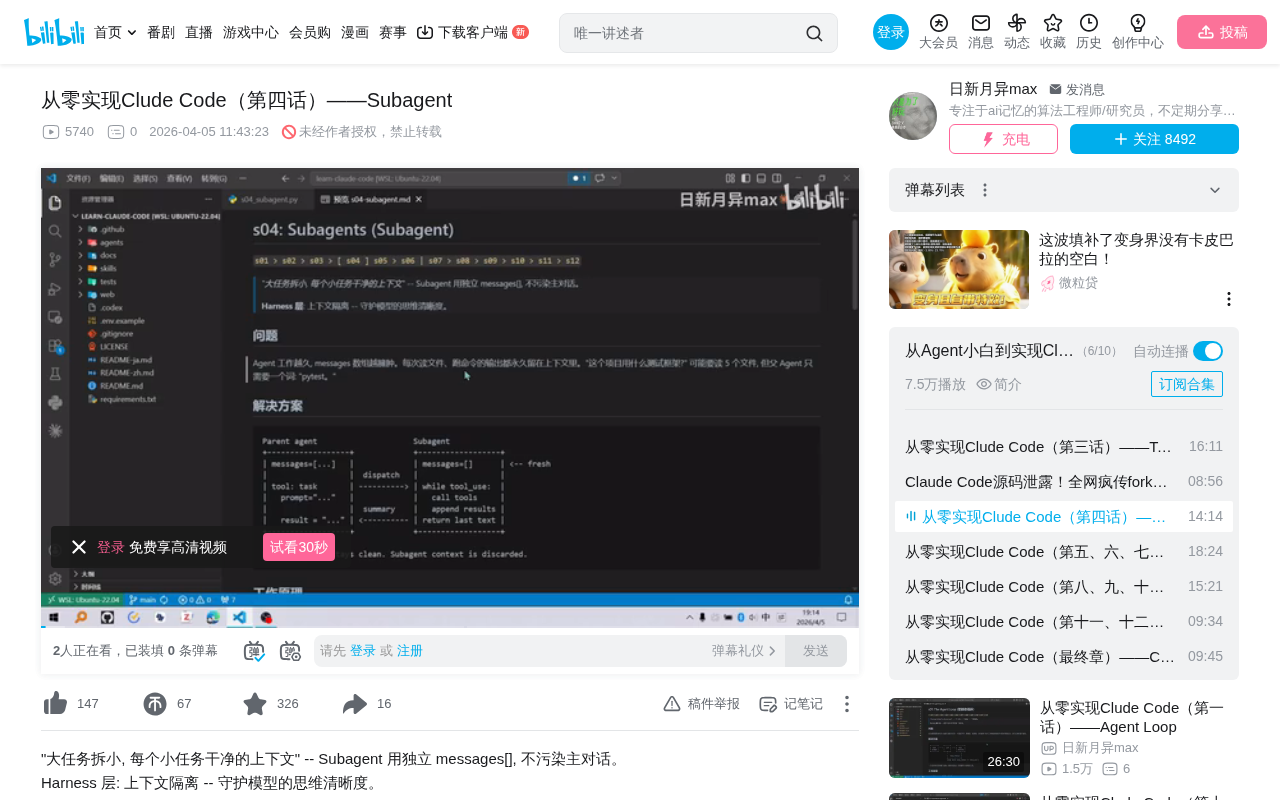
SubAgent Architecture: The Core Implementation for Context Isolation
Deep dive into SubAgent context isolation architecture, covering parent-child Agent roles, tool definitions, run_subagent implementation, and differences from TodoList and Agent Teams.
Read more →
 Deep Dives
·3 min
Claude Sub-agents vs Agent Teams: How to Choose Between Two AI Multi-Agent Collaboration Patterns
Deep comparison of Claude sub-agents vs agent teams: architecture differences, use cases, and real-world results. A Pokémon RPG case study shows how agent teams achieve 95%+ feature completeness.
Read more →
 Tutorials
·2 min
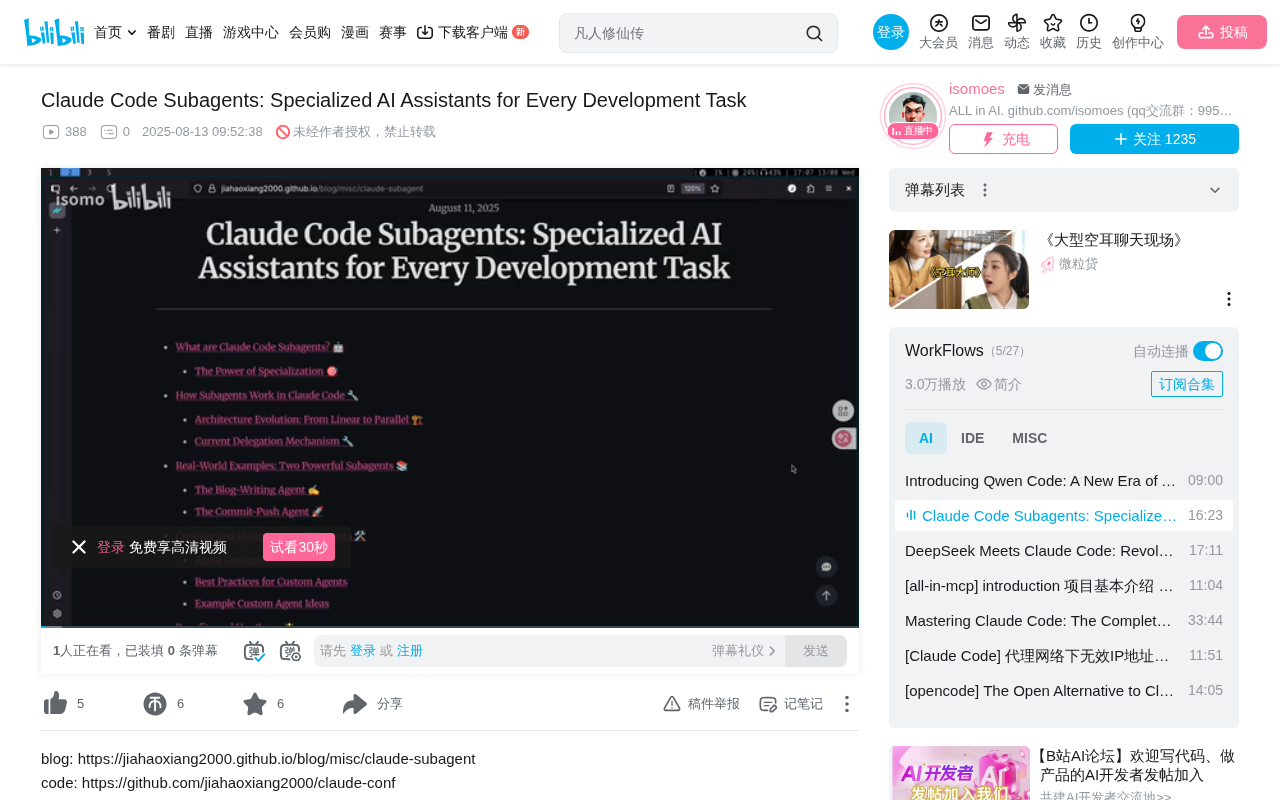
Claude Code Sub-Agent: A Practical Guide to Multi-Agent Collaboration for Enhanced Development Efficiency
Deep dive into Claude Code Sub-Agent mechanism with a practical blog writing + Git commit case study, showing how multi-agent collaboration solves instruction loss and context bloat issues.
Read more →
 Tutorials
·3 min
Harness Engineering: A Practical Guide to AI Development — From Prompts to Mastering AI Agents
A deep dive into Harness Engineering's three-layer architecture: Information, Constraint, and Automation layers, covering Agent failure modes, OpenAI and Anthropic best practices, and AI tool selection strategies for controlled AI development.
Read more →
 Tutorials
·2 min
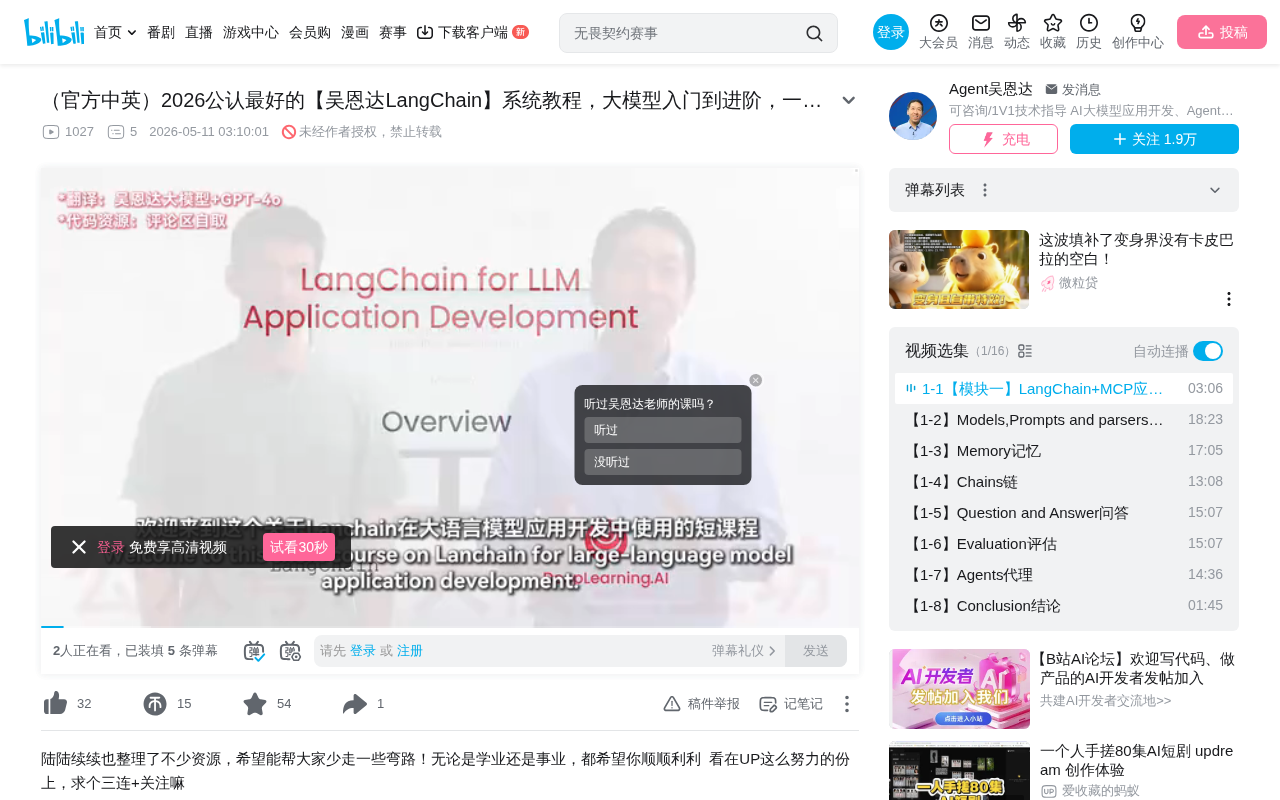
Complete Breakdown of Andrew Ng's LangChain Course: Five Core Components and Hands-On Guide
Deep dive into Andrew Ng and Harrison Chase's LangChain course, covering the five core components—Models, Prompts, Indexes, Chains, and Agents—to help developers master LLM app development.
Read more →
 Tutorials
·2 min
Getting Started with Coze: A Complete Guide to Building AI Agents from Scratch
A detailed guide to Coze platform's core features, including the differences between AI agents and AI applications, plus a beginner's learning path for building AI agents with no-code tools.
Read more →
 Tutorials
·2 min
Coze Beginner's Guide: A Complete Tutorial for Building AI Agents with Zero Code
A detailed guide to Coze AI development platform's core features including agent building, workflow orchestration, knowledge base setup, and plugins — build custom AI apps with zero code.
Read more →
 Tech Frontiers
·3 min
xAI Merges with SpaceX, GPT-5.5-Cyber Preview, Gemini 3.1 Flash Released
Musk announces xAI-SpaceX merger as SpaceX AI, OpenAI launches GPT-5.5-Cyber security model, Google releases Gemini 3.1 Flash, and Airbnb reveals AI writes 60% of new code.
Read more →
 Tutorials
·3 min
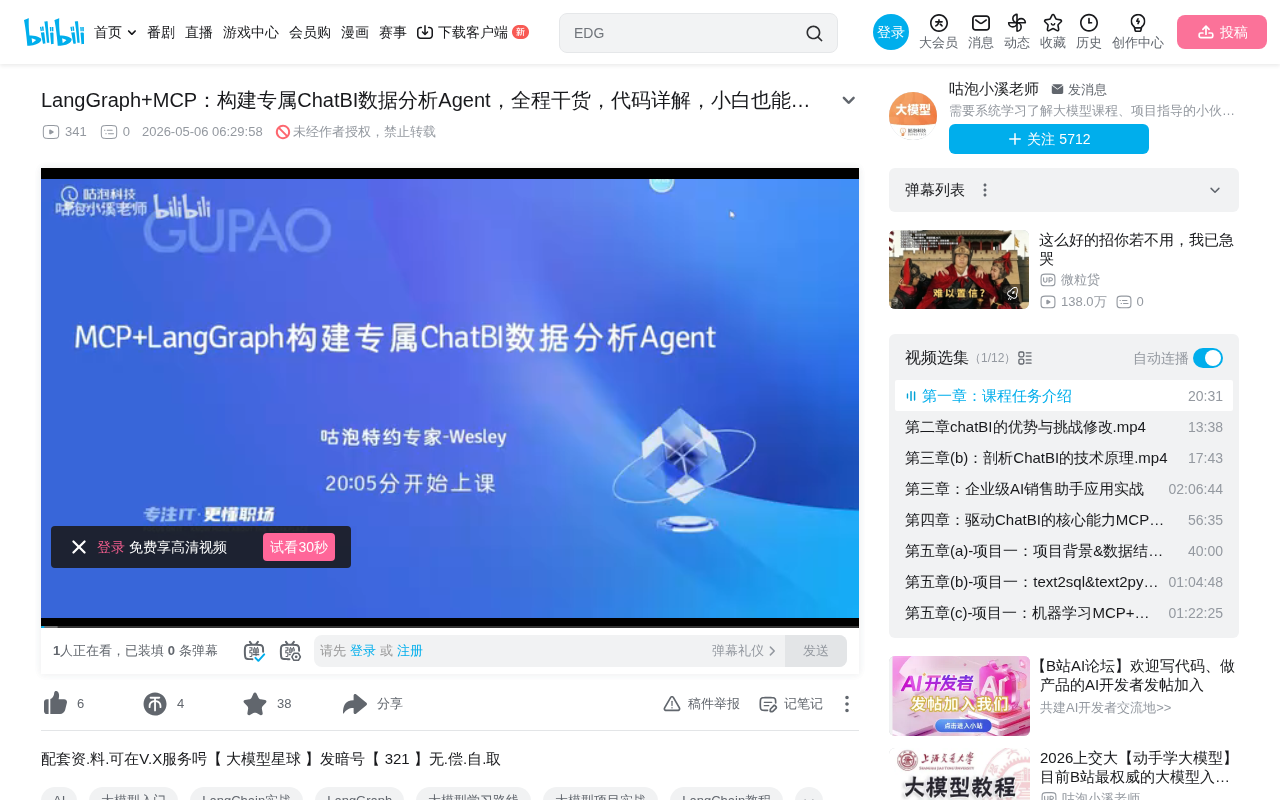
LangGraph + MCP: A Practical Guide to Building Enterprise-Grade ChatBI Data Analysis Agents
Learn how to build a ChatBI data analysis Agent from scratch using LangGraph + multi-MCP architecture, covering centralized-to-decentralized evolution, NL2SQL, agent orchestration, and enterprise deployment.
Read more →