#NPU
998 related articles

·3 min
Must-Have Claude Code Plugins: 10 Plugins to Build a Complete Development Environment
10 curated Claude Code plugins covering automation, real-time docs, browser testing, design implementation, and security scanning, with installation order and configuration tips.
Read more →
·2 min
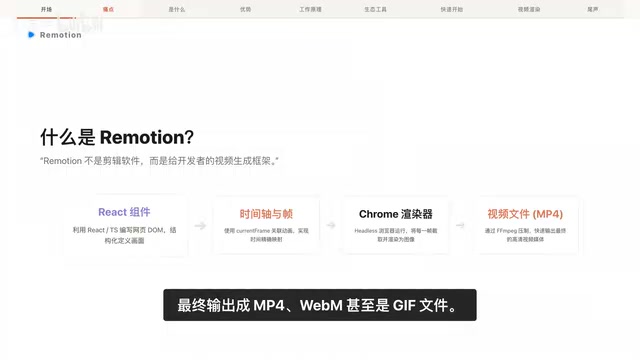
Remotion: The Open-Source Framework for Code-Driven Video Production with React
Deep dive into Remotion, the open-source framework for writing videos with React components. Covers core principles, use cases, comparison with traditional editors, and quick start guide.
Read more →
·2 min
Nex N2 Pro Real-World Testing: Top 5 on Official Benchmarks, Only 12th in Independent Tests
Deep-dive testing of Nex N2 Pro open-source Agent model comparing official benchmarks vs independent results. The 397B parameter model shows decent frontend generation but ranks 12th independently, not top 5 as claimed.
Read more →
·4 min
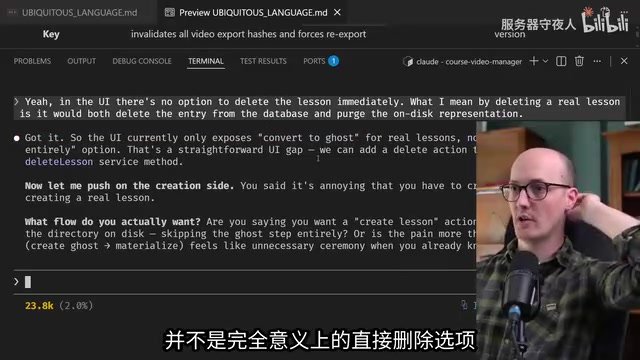
Claude Code Workflow in Practice: From Requirement Grilling to AFK Agent Auto-Coding
A detailed walkthrough of building real features with Claude Code: Grill Me requirement interrogation, auto-generated PRDs, AFK agent coding, and QA iteration loops with DDD and TDD strategies.
Read more →
·4 min
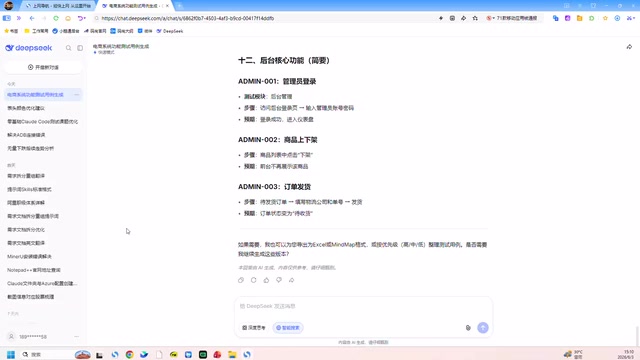
Claude Code + Skills: A Practical Guide to AI-Powered Test Case Generation
Learn how to use Claude Code + Skills to auto-generate enterprise-grade test cases. Covers AI Agent vs LLM differences, the four core capabilities, and the complete workflow from requirements to test cases.
Read more →
·3 min
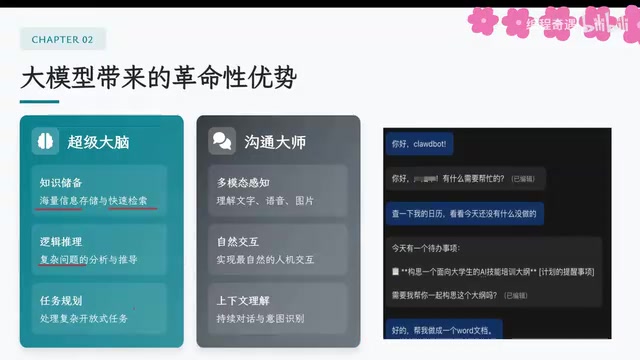
AI Agent Core Architecture Breakdown: From Concept to Enterprise-Grade Intelligent Agent Development
Deep dive into AI Agent architecture: perception, brain, and action modules. Covers RAG memory systems, tool calling mechanisms, Chain of Thought reasoning, and enterprise agent development roadmap.
Read more →
·2 min
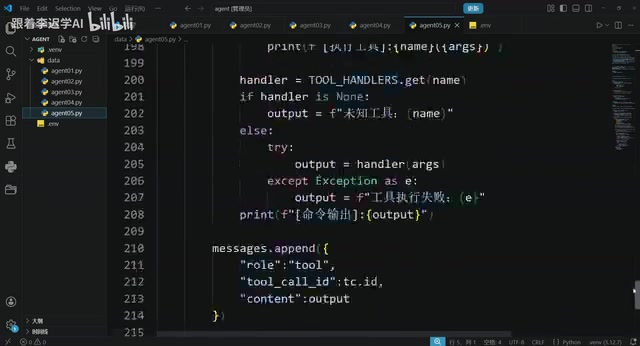
Hands-On Tutorial: Build an AI Agent from Scratch with 200 Lines of Python
Build an AI Agent from scratch with 200 lines of Python, covering prompts, memory, tool calling, RAG, and Skills — a practical guide for developers.
Read more →
·4 min
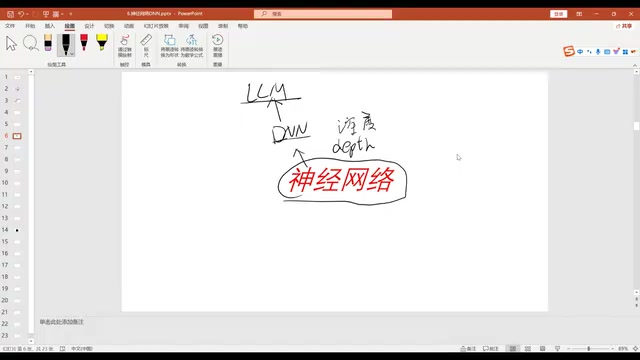
Neural Networks from Scratch: A Deep Dive into the Fundamentals from Linear Regression to Gradient Descent
From linear regression and logistic regression to gradient descent, this guide derives the core mechanisms of neural networks step by step, covering Sigmoid, cross-entropy, activation functions, and backpropagation.
Read more →
·3 min
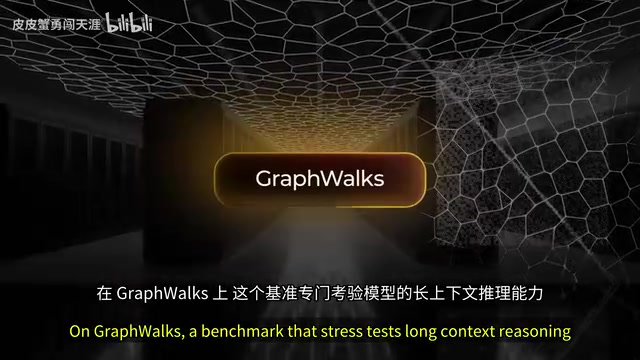
Deep Dive into Claude Opus 4.8: The AI Paradox of Being More Honest Yet Better at Gaming Tests
Anthropic releases Claude Opus 4.8 with major coding gains and zero false reporting. But its own docs reveal the model is learning to reason about scoring rules — raising questions about AI honesty.
Read more →
·2 min
Claude Code Remote Control Tutorial: Control AI Coding from Your Phone
Learn how to use Claude Code Remote Control to manage AI coding sessions from your phone. Covers setup, voice input, multi-project management, and security best practices.
Read more →

·3 min
Python Complete Tutorial for Beginners (568 Episodes): In-Depth Course Structure Analysis and Study Tips
In-depth analysis of a 568-episode Python beginner tutorial on Bilibili, covering course structure, strengths, weaknesses, and effective study tips for beginners.
Read more →
·3 min
Hands-On with Tencent Cloud ADP 4.0: How an Enterprise-Grade Agent Development Platform Tackles the Agent Commercialization Challenge
Hands-on review of Tencent Cloud ADP 4.0: testing its full-lifecycle Agent management — from rapid creation and enterprise integration to automated evaluation and Skill governance for real-world deployment.
Read more →
·1 min
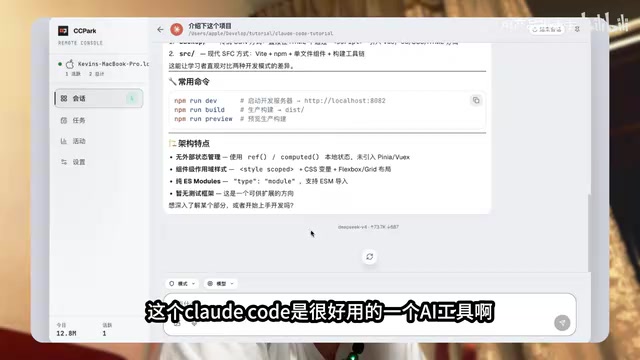
Claude Code GUI: CC Park Lets You Ditch the Command Line with One Click
CC Park gives Claude Code a beautiful Web GUI you can access in your browser with one command, lowering the barrier to entry while preserving full coding power.
Read more →
·2 min
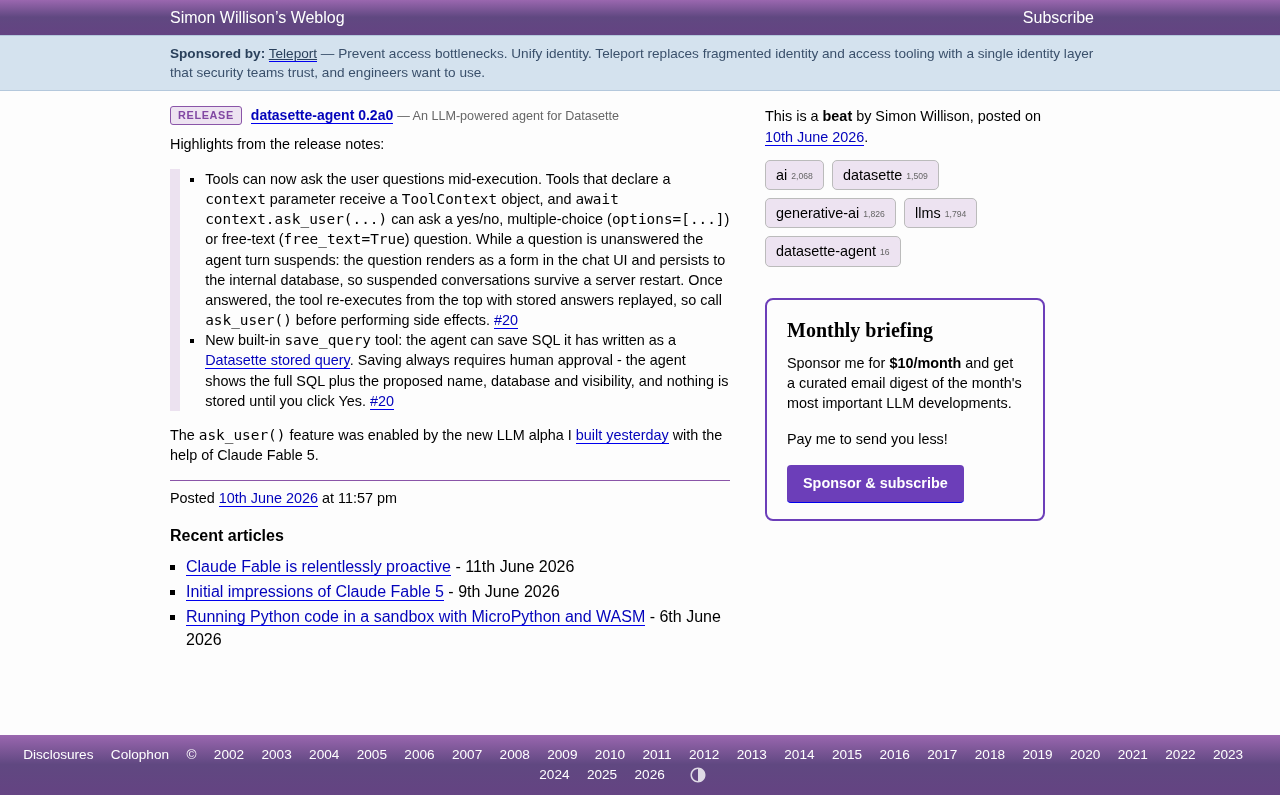
Datasette Agent 0.2a0: A New Mechanism for AI Agents to Ask Users Questions During Tool Execution
Datasette Agent 0.2a0 introduces an ask_user() mechanism enabling AI agents to pause during tool execution and ask users questions, with three interaction modes and a save_query tool for human approval.
Read more →

·3 min
Headroom: The Open-Source Compression Tool That Cuts AI Agent Token Costs by 10x
Headroom is an open-source token compression tool by a Netflix engineer that achieves 60%-95% token savings for AI coding tools through intelligent category-based compression.
Read more →
·1 min
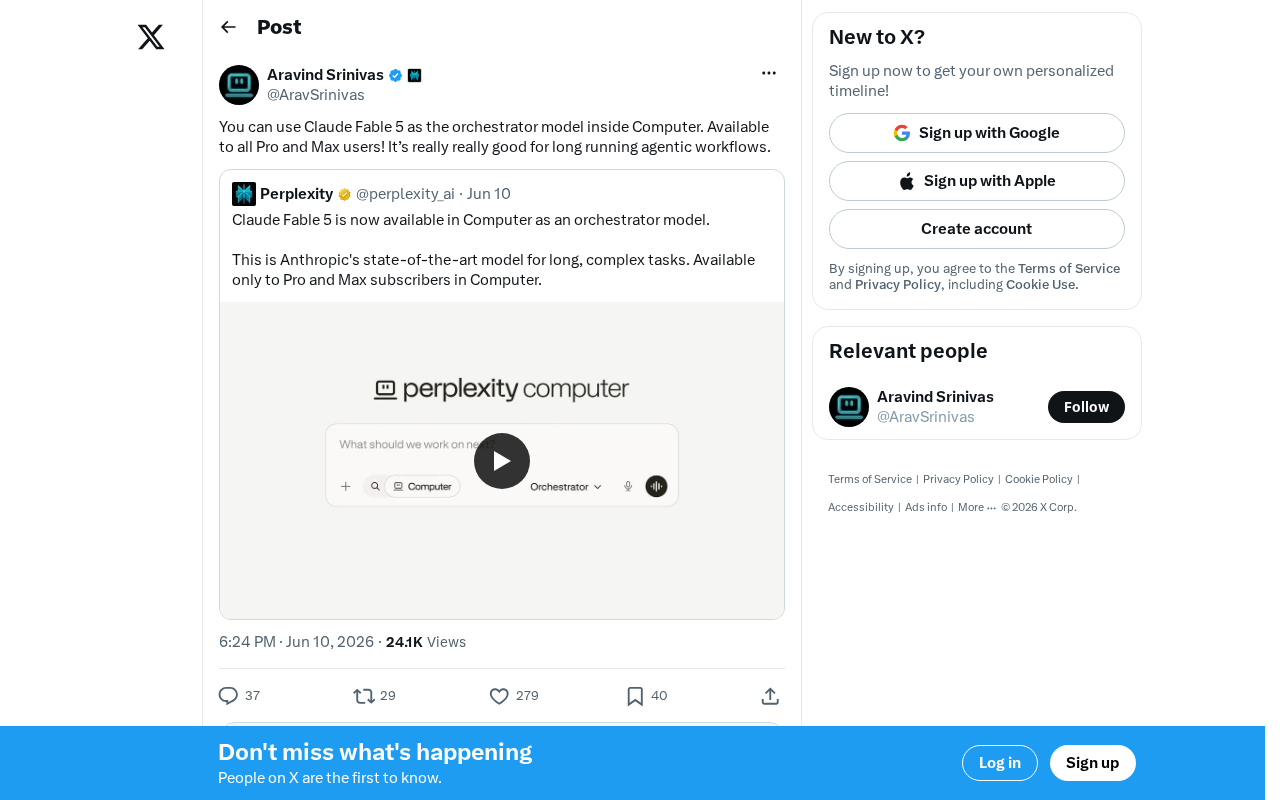
Claude Fable 5 as a Computer Use Orchestrator Model: Excelling in Long-Running Agent Workflows
Anthropic launches Claude Fable 5 as a Computer Use orchestrator model for Pro and Max users, excelling in long-running agent workflows for automation tasks.
Read more →
·2 min
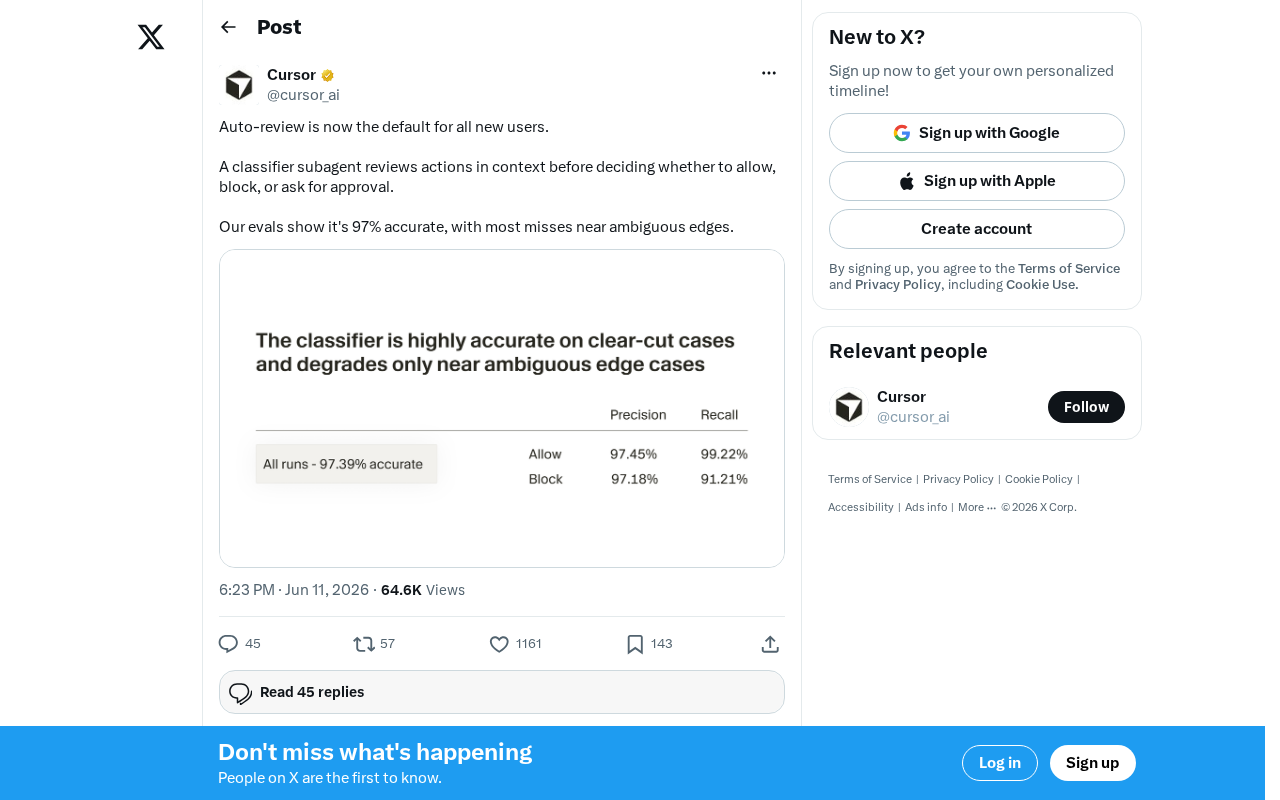
AI Automated Review Becomes the Default: How a Sub-Agent Classifier Achieves 97% Accuracy
AI agent auto-review is now default for all users. A classifier subagent achieves 97% accuracy with three-tier safety decisions. Deep dive into how it works and its impact on AI safety.
Read more →

·2 min
Android Studio Gemini Usage Limits Increased: Pro/Ultra Subscribers Get Higher Quotas
Google announces higher Gemini usage limits in Android Studio for AI Pro and Ultra subscribers, enabling extended Agentic development sessions with no extra setup.
Read more →
·4 min
Fable 5 vs Opus 4.8 Real-World Showdown: Three Projects to Determine the AI Coding Champion
Real-world comparison of Fable 5 vs Opus 4.8 across three demanding projects: e-commerce site, 3D art museum, and an RTS game. Analyzing code quality, 3D rendering, and design aesthetics.
Read more →
·3 min
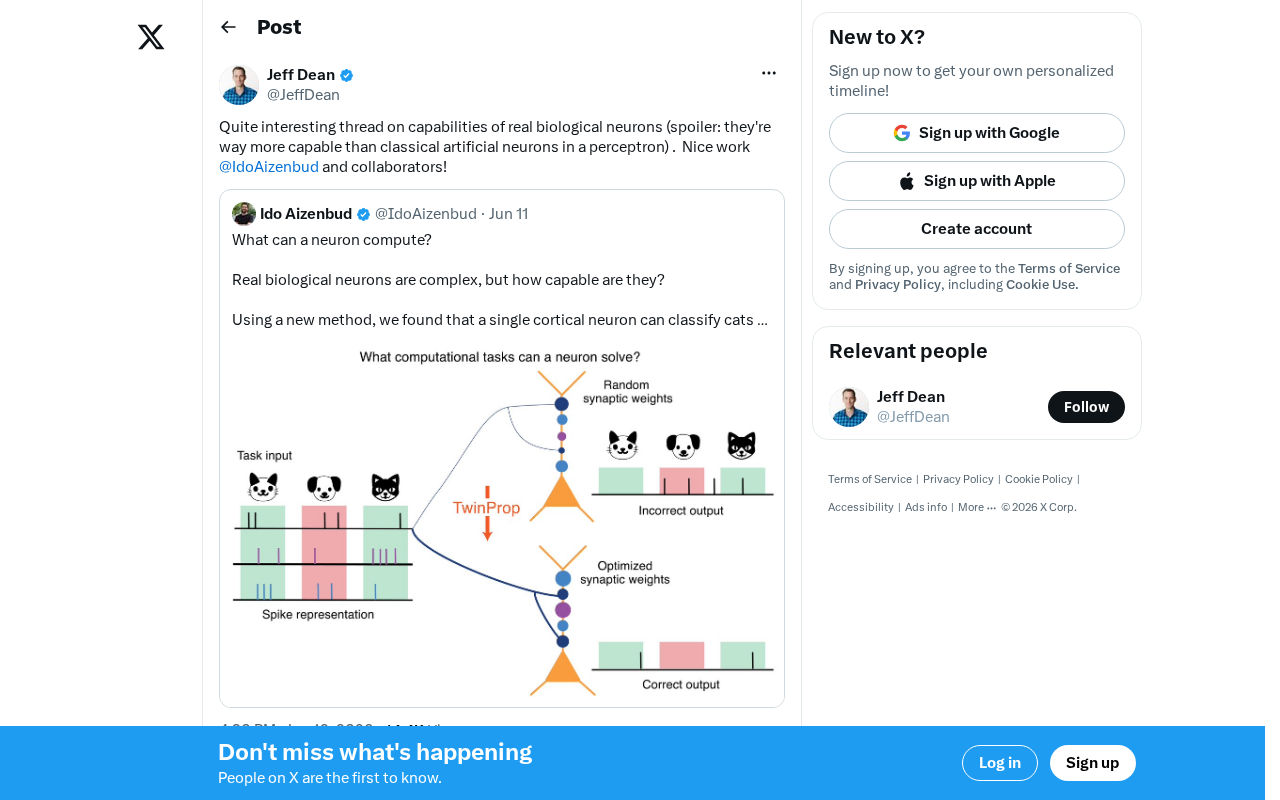
Biological Neurons vs. Artificial Neurons: How Big Is the Computational Gap?
Research shows biological neurons far outperform classical artificial neurons. Explore dendritic computing, temporal coding, and what this means for next-gen AI architecture design.
Read more →