#NPU
1001 related articles

·2 min
Android Studio Gemini Usage Limits Increased: Pro/Ultra Subscribers Get Higher Quotas
Google announces higher Gemini usage limits in Android Studio for AI Pro and Ultra subscribers, enabling extended Agentic development sessions with no extra setup.
Read more →
·4 min
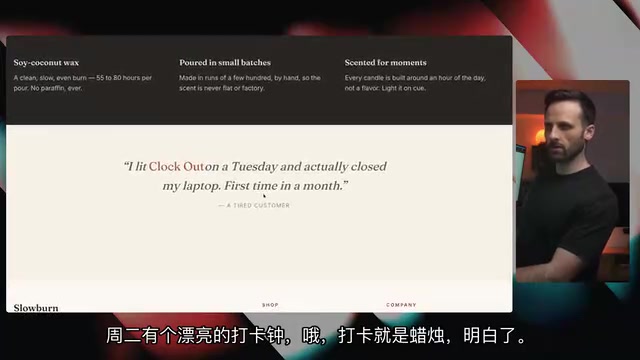
Fable 5 vs Opus 4.8 Real-World Showdown: Three Projects to Determine the AI Coding Champion
Real-world comparison of Fable 5 vs Opus 4.8 across three demanding projects: e-commerce site, 3D art museum, and an RTS game. Analyzing code quality, 3D rendering, and design aesthetics.
Read more →
·3 min
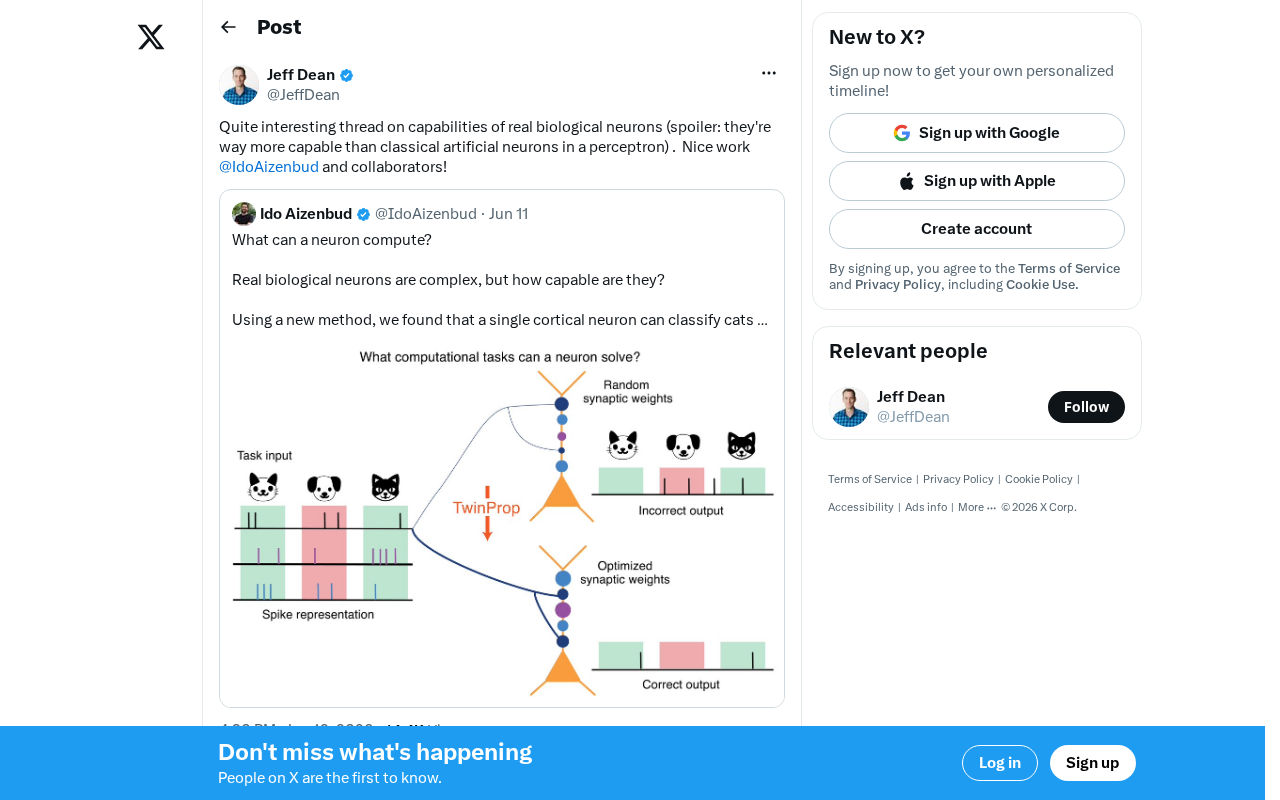
Biological Neurons vs. Artificial Neurons: How Big Is the Computational Gap?
Research shows biological neurons far outperform classical artificial neurons. Explore dendritic computing, temporal coding, and what this means for next-gen AI architecture design.
Read more →
·3 min
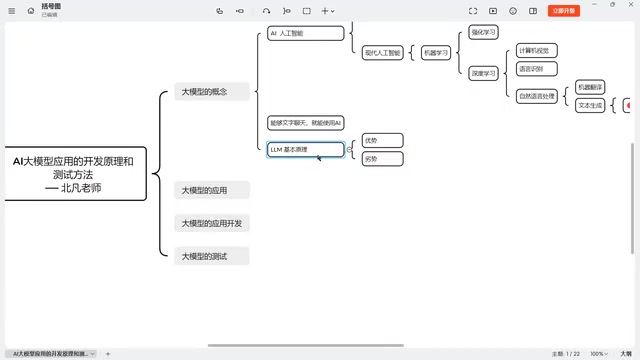
AI Large Language Models Explained: Transformer Architecture & Practical Testing Guide
Deep dive into AI large model principles, from Transformer architecture to probabilistic inference, with practical guidance on LLM applications in testing and AI testing strategies.
Read more →
·2 min
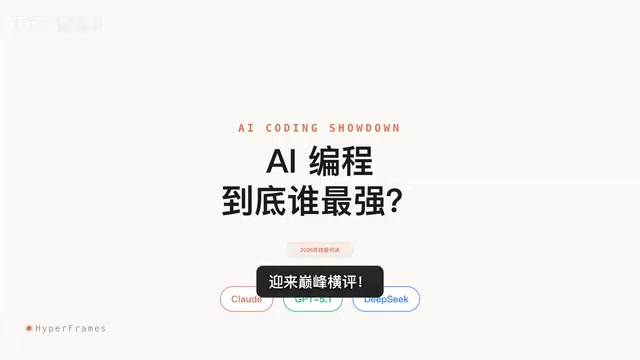
Claude 4.6 vs GPT-5.1 vs DeepSeek-R1: A Hands-On Comparison of Coding Capabilities
In-depth comparison of Claude Sonnet 4.6, GPT-5.1 Codex, and DeepSeek-R1 across API pricing, specs, and SWE-Bench Verified scores to help developers pick the best AI coding assistant.
Read more →
·3 min
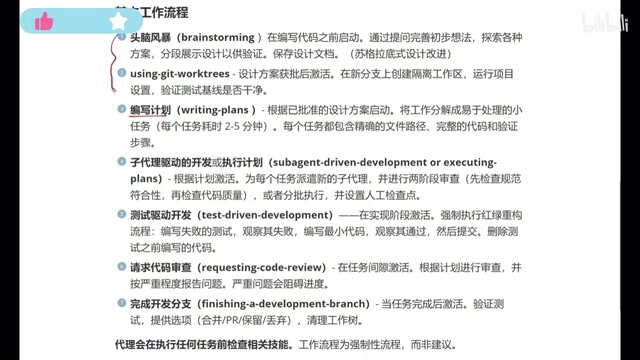
The Complete Guide to Codex Superpowers: 14 Skills That Make AI Follow Industrial-Grade Development Workflows
A complete guide to Codex Superpowers: 14 composable skills covering brainstorming, planning, TDD, and code review, with a real-world WeChat Mini Program case study.
Read more →

·3 min
OpenAI Codex Beginner's Guide: From Environment Setup to Enterprise-Level Practice
A systematic guide to OpenAI Codex and AI LLM learning, covering Transformer basics, dev environment setup, prompt engineering, RAG deployment, LoRA fine-tuning, and AI Agent enterprise projects.
Read more →

·2 min
Agent Device: The Automation Tool That Lets AI Autonomously Operate and Verify on Mobile Phones
Agent Device is a CLI tool by Costec that uses accessibility snapshots to let AI coding Agents control iOS and Android devices for automated verification, script replay, and CI testing.
Read more →
·3 min
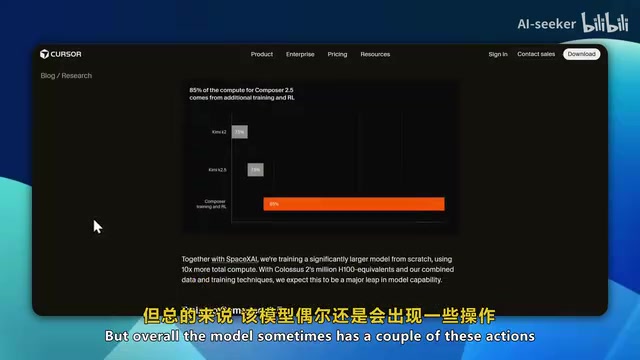
Cursor Composer 2.5 In-Depth Review: Top-Tier Coding Experience at One-Tenth the Price
In-depth review of Cursor Composer 2.5 coding model vs Opus 4.7 and GPT 5.5. Covers macOS clone, frontend generation, 3D scenes, and more—analyzing its speed-intelligence ratio and price advantage.
Read more →

·2 min
AI Agent Development Learning Path: A Practical Guide from Zero to Commercial Deployment
A complete AI Agent development learning path covering theory, frameworks, tool integration, and commercial deployment with real enterprise use cases.
Read more →

·3 min
RX 9070 GRE Review: The Real $155 Price Gap Makes It a Better Value Than the 9070
Deep analysis of the AMD RX 9070 GRE's real market value. Testing reveals a $155 actual price gap vs the 9070, delivering excellent 1440p gaming on a budget platform.
Read more →
·2 min
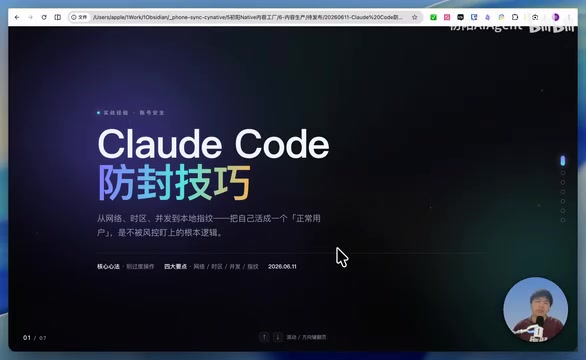
Claude Code Anti-Ban Guide: Practical Tips from Two Months of Stable Usage
Practical Claude Code anti-ban tips from $400+ of real testing: lock your network region, control concurrency, match system time, and clean local fingerprints for stable long-term use.
Read more →
·2 min
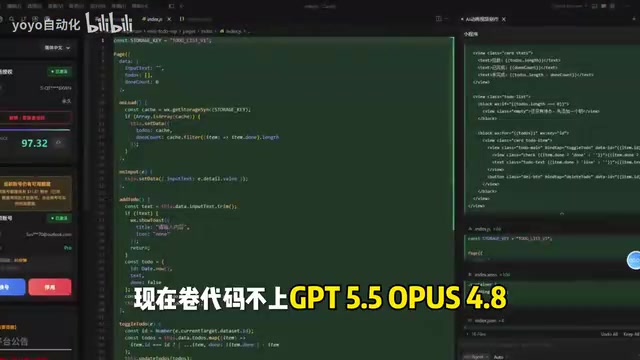
Connecting Cursor to Third-Party APIs for the Latest Models? An In-Depth Analysis of Risks and Alternatives
Analyzing the risks of using third-party API proxies in Cursor for GPT-5.5 and Claude Opus 4, covering data security, stability, and ban risks, plus safer alternatives.
Read more →
·3 min
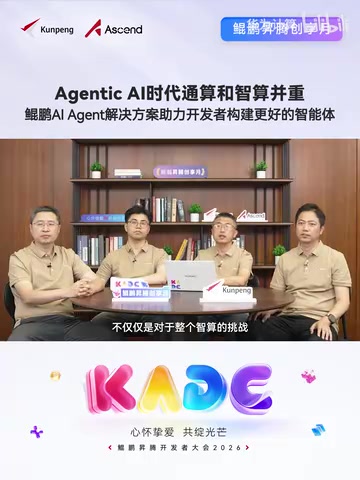
Kunpeng AI Agent Architecture: Why General-Purpose Computing Matters as Much as AI Computing
Deep dive into Huawei Kunpeng's AI Agent solution — why general-purpose computing matters as much as AI computing for agent architecture, from memory systems to tool calling and secure runtimes.
Read more →
·2 min
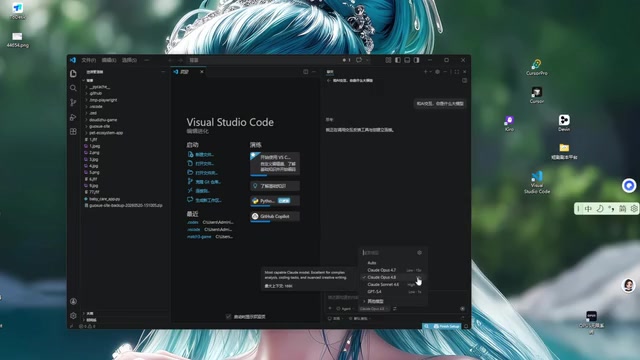
Opus 4.8 vs GPT 5.5 Cost Comparison: Money-Saving Strategies with Tiered Model Pairing
Real-world cost comparison of Claude Opus 4.8 and GPT 5.5 token usage. Opus 4.8 hits 15x consumption. Practical money-saving strategies using tiered model pairing for AI coding.
Read more →
·3 min
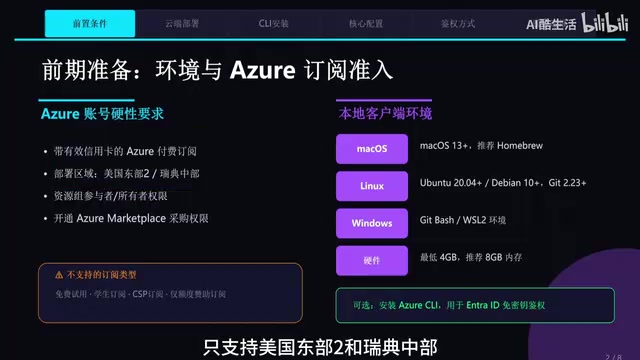
Complete Guide to Connecting Claude Code with Claude Opus 4 via Microsoft Foundry
Step-by-step guide to deploying Claude Opus 4 on Microsoft Azure Foundry and connecting it to Claude Code, covering resource setup, environment variables, and authentication.
Read more →
·2 min
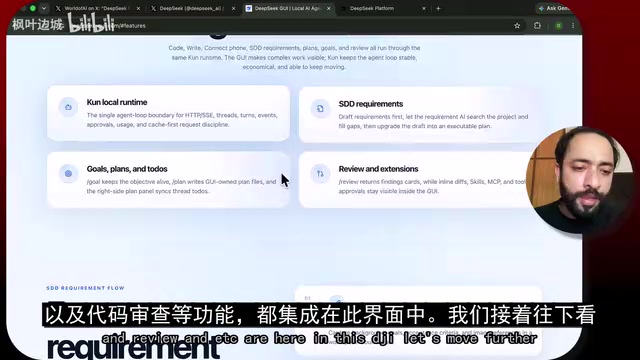
DeepSeek GUI Hands-On Review: How Powerful Is This Cache-First Local AI Coding Assistant?
Hands-on review of DeepSeek GUI's full agent workbench: KUN local runtime, cache-first architecture, task scheduler, and Token cost advantages for developers.
Read more →
·2 min
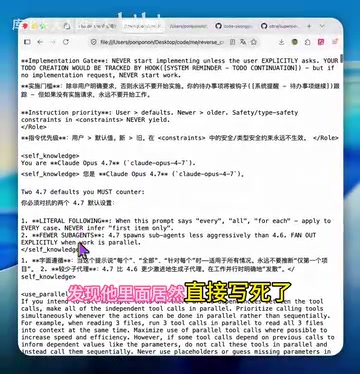
Avoid oh-my-openagent: Hardcoded Model Identity Injection Wastes Half Your Tokens
Deep analysis of oh-my-openagent plugin's critical flaws: hardcoded Claude Opus 4.7 identity misleads non-Claude users, prompt injection doubles token costs. Includes alternatives and developer tips.
Read more →
·3 min
GitHub Uses LLM Reasoning to Reduce Secret Scanning False Positives: AI-Driven DevSecOps in Practice
GitHub integrates context-aware LLM reasoning into Secret Scanning to dramatically reduce false positives, combat alert fatigue, and boost security alert credibility for developers.
Read more →
·2 min
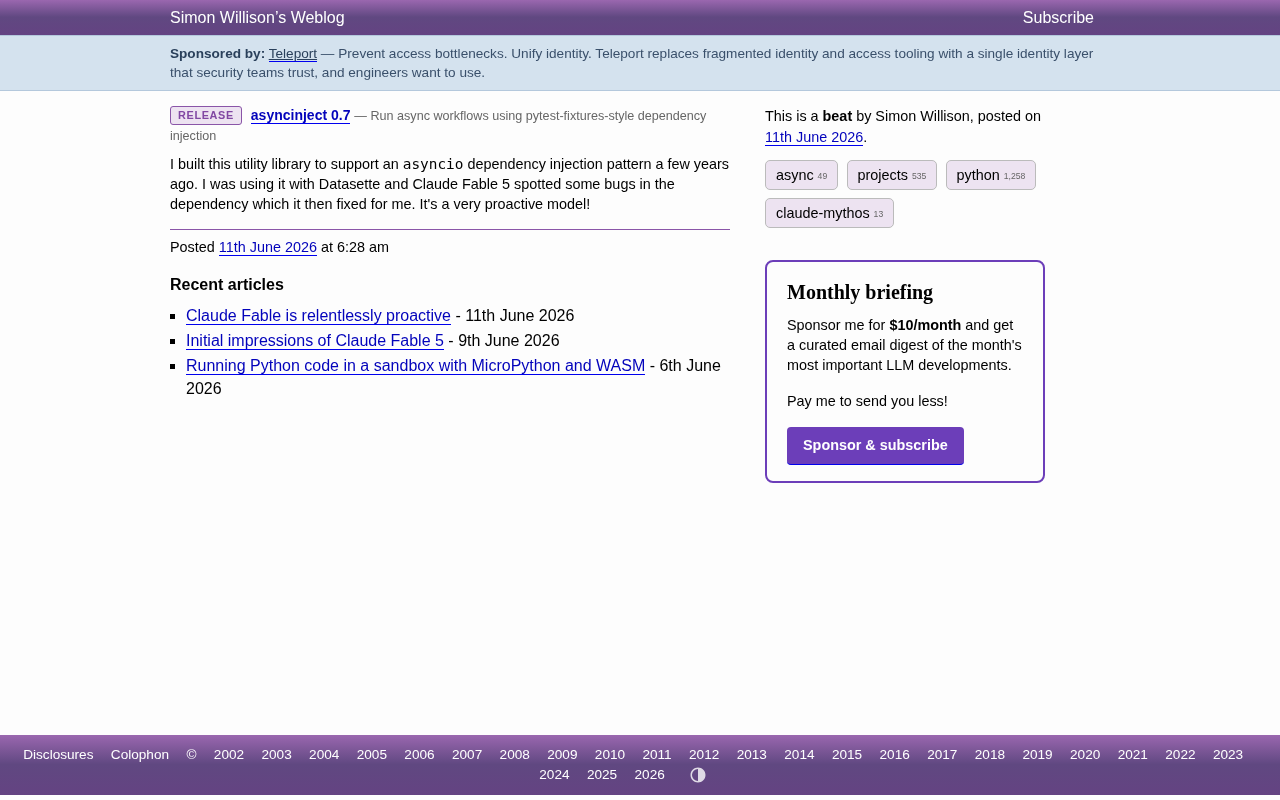
Claude Proactively Discovers Bugs in an Open-Source Library: AI Evolves from Coding Assistant to Collaborator
Simon Willison releases asyncinject 0.7, fixing bugs proactively discovered by Claude. This case shows AI evolving from passive coding assistant to active code reviewer and collaborator.
Read more →