#industry
1008 related articles
Tutorials
Complete Breakdown of the Free Gemini …
·2 min
Complete Breakdown of the Free Gemini CLI Course: Andrew Ng's Recommended AI Coding Practical Guide
DeepLearning.AI and Google launch a free Gemini CLI course covering installation, MCP server integration, and automated workflows. Learn Agentic Coding best practices through an AI conference planning project.
Read more →
Tutorials
Three Key Features of Gemini CLI Expla…
·2 min
Three Key Features of Gemini CLI Explained: Hooks, Skills, and Plan Mode Make AI Coding Truly Controllable
Deep dive into Google Gemini CLI's three core features: Hooks intercept security risks, Skills reuse team knowledge, and Plan Mode enforces think-before-code workflows.
Read more →
Product Reviews
Major Gemini CLI Update: Three Core Up…
·2 min
Major Gemini CLI Update: Three Core Upgrades to This Free, Open-Source AI Agent Tool
Google's Gemini CLI update brings multimodal processing, agentic AI, and MCP protocol integration. This free, open-source terminal AI agent is evolving into a business automation engine.
Read more →
 Industry Insights
·2 min
The Secret Behind Why the Dutch Don't Wear Bike Helmets: How Infrastructure Design Redefines Safety
Why do the Dutch never wear helmets while cycling yet remain safer than Americans? A deep analysis of Dutch infrastructure design philosophy vs. America's individual protection model, with insights for AI safety and smart cities.
Read more →
 Industry Insights
·2 min
OpenAI Codex Powers a Self-Improving Tax AI Agent: A New Paradigm for Closed-Loop Evolution
OpenAI and Thrive Holdings launch a Codex-based Tax AI with closed-loop self-improvement: error tracing, auto-fixing, and test validation. A deep dive into this new AI Agent evolution paradigm.
Read more →
Product Reviews
Hlopix AI Free Canvas Experience: A Co…
·2 min
Hlopix AI Free Canvas Experience: A Complete Game Art Workflow from UI Generation to Sprite Slicing
In-depth experience with Hlopix AI Free Canvas: covering one-click game UI generation, automatic sprite sheet slicing, poster and Logo design for a complete game art AI workflow for indie developers.
Read more →
Tutorials
20-Day Indie Game Dev with AI: A Full …
·2 min
20-Day Indie Game Dev with AI: A Full Godot + Cursor Postmortem
A veteran game dev used AI tools (Cursor + Godot + GPT Image 2) to build a complete indie game in 20 days. Full breakdown of tech choices, art generation pitfalls, and lessons learned.
Read more →
Tech Frontiers
Zero Coding Experience, AI-Made Game o…
·2 min
Zero Coding Experience, AI-Made Game on Steam: A Two-Month Solo Dev Retrospective
A zero-coding developer used AI tools to build a roguelite survival game and launch it on Steam in two months. Full process retrospective with key lessons.
Read more →
Expert Opinions
The Easier AI Coding Gets, the More Yo…
·2 min
The Easier AI Coding Gets, the More You Need to Resist the Urge to Start Building: Validate Before You Develop
AI coding tools have drastically lowered development barriers, but building it doesn't mean it's worth building. Learn three key validation questions to answer before opening your code editor.
Read more →
 Product Reviews
·1 min
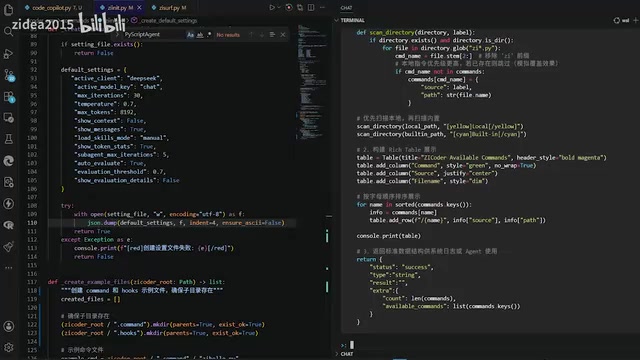
Zicoder Copilot: A Complete Guide to the Terminal AI Coding Assistant
A detailed guide to Zicoder Copilot terminal AI coding assistant, covering file operations, AI-assisted coding, context management, and intelligent retrieval for a Cursor-like agentic coding experience in the terminal.
Read more →
 Expert Opinions
·1 min
5-Year Qt Developer Delivers CES Project in Two Weeks with Cursor: An AI Coding Retrospective
A 5-year Qt developer used Cursor to deliver a CES project in 2 weeks instead of 2 months. A practical AI Coding retrospective on mindset shifts and workflows.
Read more →
 Tutorials
·1 min
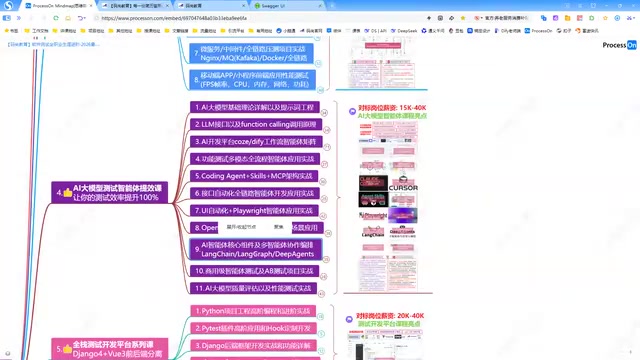
Software Testing Job Search Guide: Resume Strategies, Interview Tips & AI-Powered Testing in Practice
A complete guide to software testing job searches, covering resume strategies, interview tips, salary-based skill requirements, and AI-powered testing trends.
Read more →
 Tutorials
·1 min
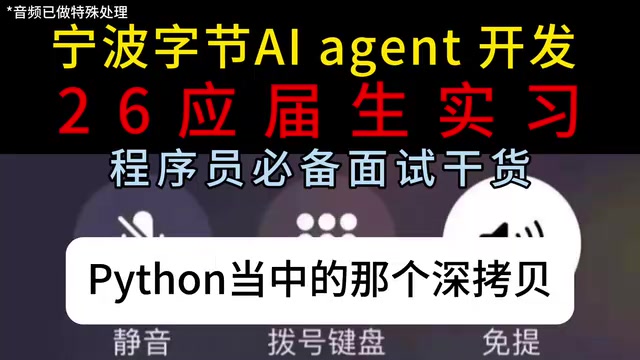
Ningbo Bank AI Agent Interview Questions: Reasoning Optimization + Agent Debugging + Python Key Topics
Deep analysis of real Ningbo Bank AI Agent interview questions covering LLM multi-path reasoning optimization, agent debugging methodology, Python deep/shallow copy, GIL, and decorators.
Read more →
 Product Reviews
·1 min
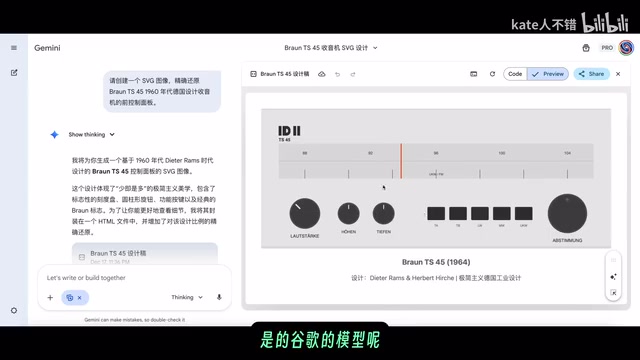
Gemini 3 Flash In-Depth Review: Comprehensive Testing of Coding, Multimodal, and Writing Capabilities
In-depth review of Google Gemini 3 Flash's real-world performance in coding, multimodal understanding, and writing. Covers benchmark analysis, Cursor programming tests, and practical tips.
Read more →
 Tutorials
·3 min
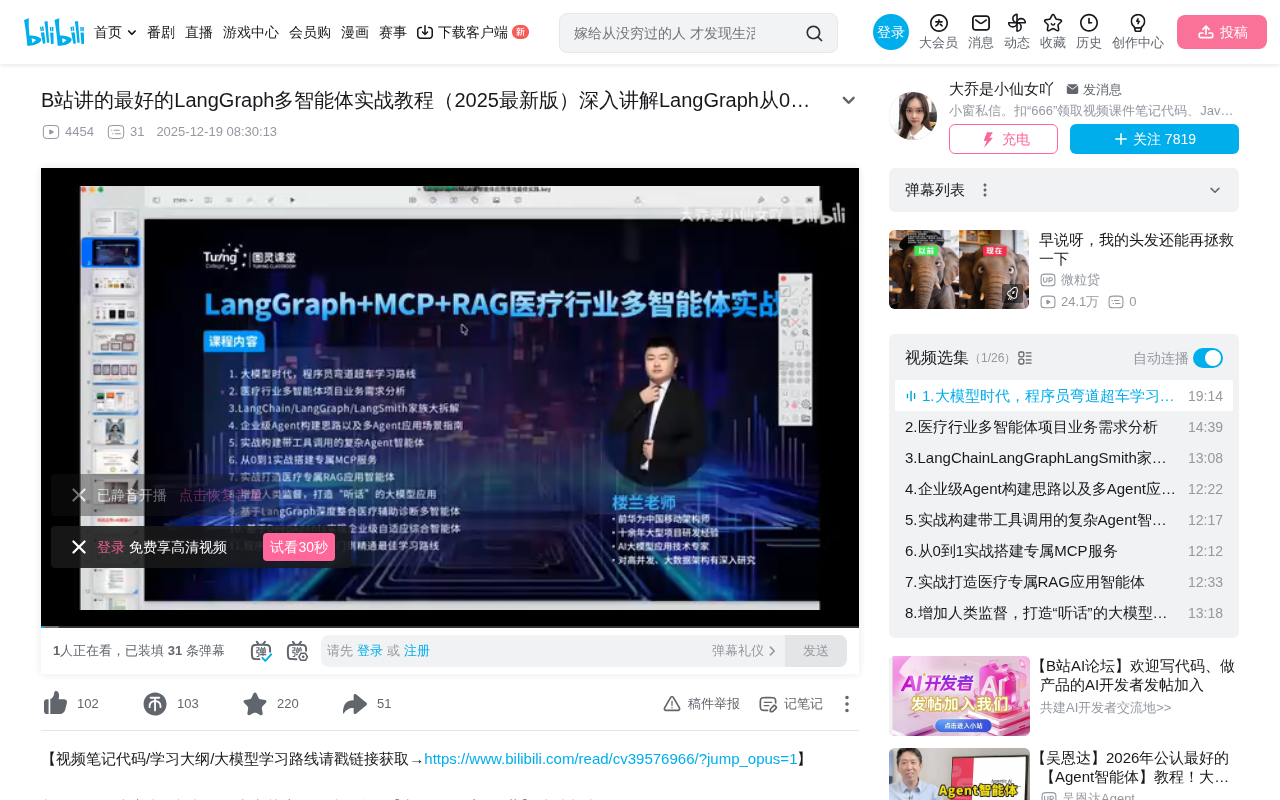
LangGraph Multi-Agent in Practice: Building a Medical Agent System from Scratch
A deep dive into LangGraph multi-agent architecture for healthcare, covering LangChain, RAG, and MCP integration, from requirements analysis to Agent orchestration.
Read more →
 Deep Dives
·4 min
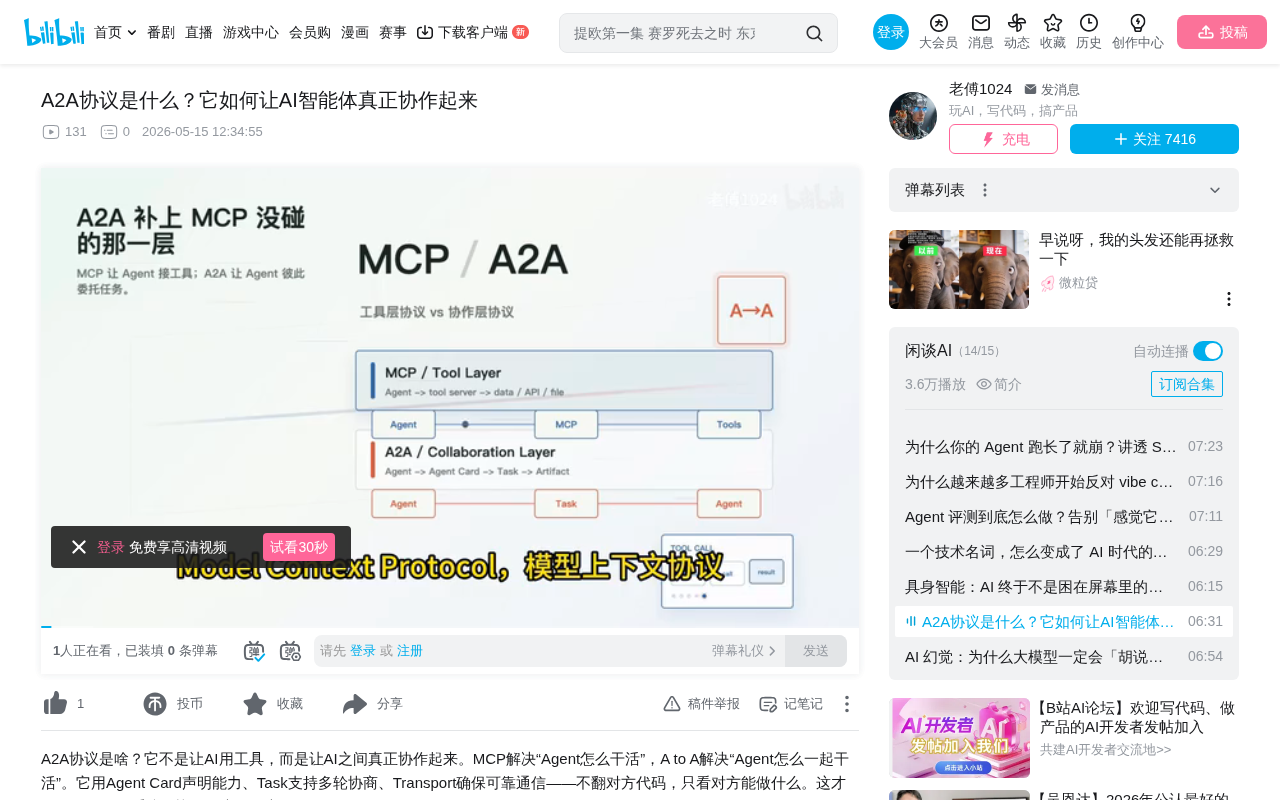
A2A Protocol Explained: Complementing MCP to Build a Standard Communication Layer for Multi-Agent Collaboration
Deep dive into Google's A2A protocol core mechanisms (Agent Card, Task, Transport), comparing A2A vs MCP roles, and tracing the evolution from tool calling to multi-agent team collaboration.
Read more →
 Product Reviews
·4 min
FreeBuff Free AI Coding Assistant In-Depth Review: 9 Sub-Agent Architecture & User Experience
In-depth review of FreeBuff free AI terminal coding assistant: analyzing its 9 sub-agent architecture, multi-model switching, ad-supported business model, and privacy considerations vs. competitors like Verdant.
Read more →
 Tutorials
·4 min
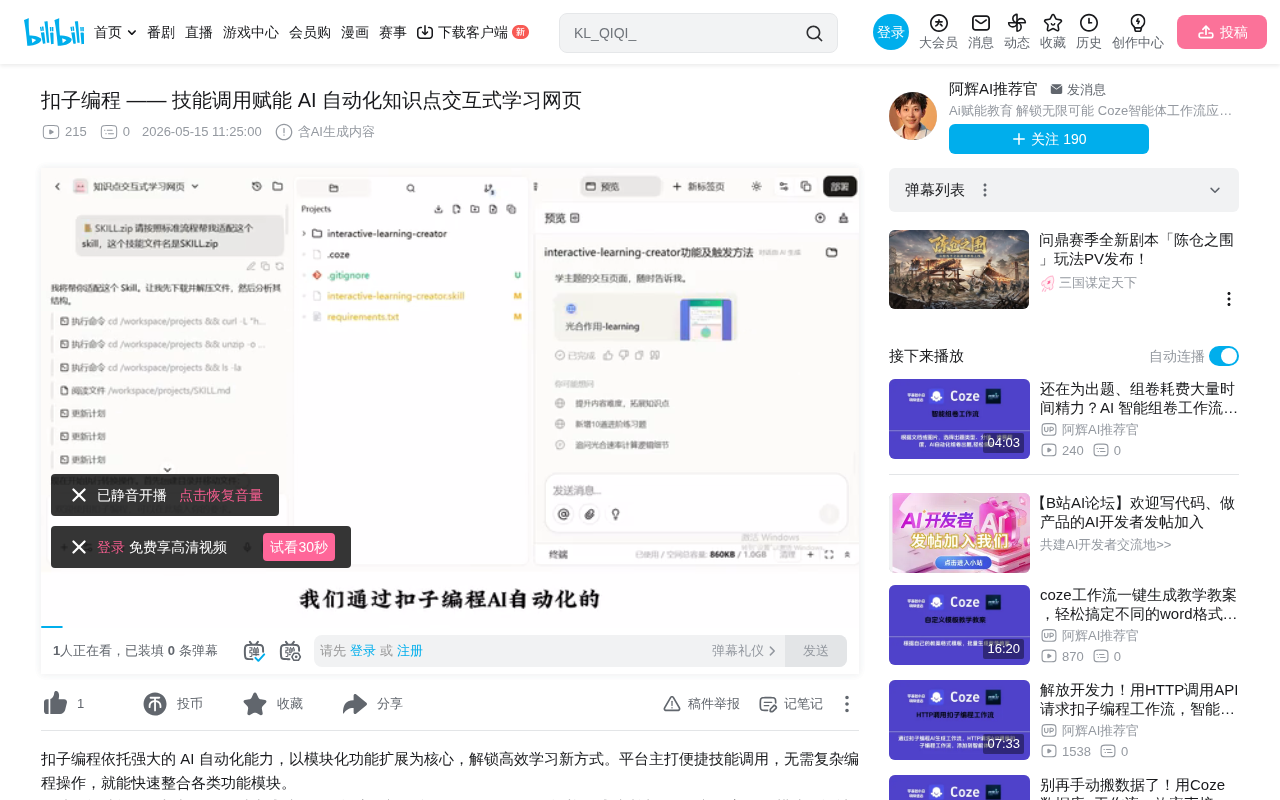
Coze Programming Skill Invocation Tutorial: Generate Interactive Learning Webpages in Three Steps
Step-by-step tutorial on using Coze programming platform's skill invocation to auto-generate interactive learning webpages in 3 steps, with Pythagorean theorem and Newton's First Law examples.
Read more →
 Tutorials
·3 min
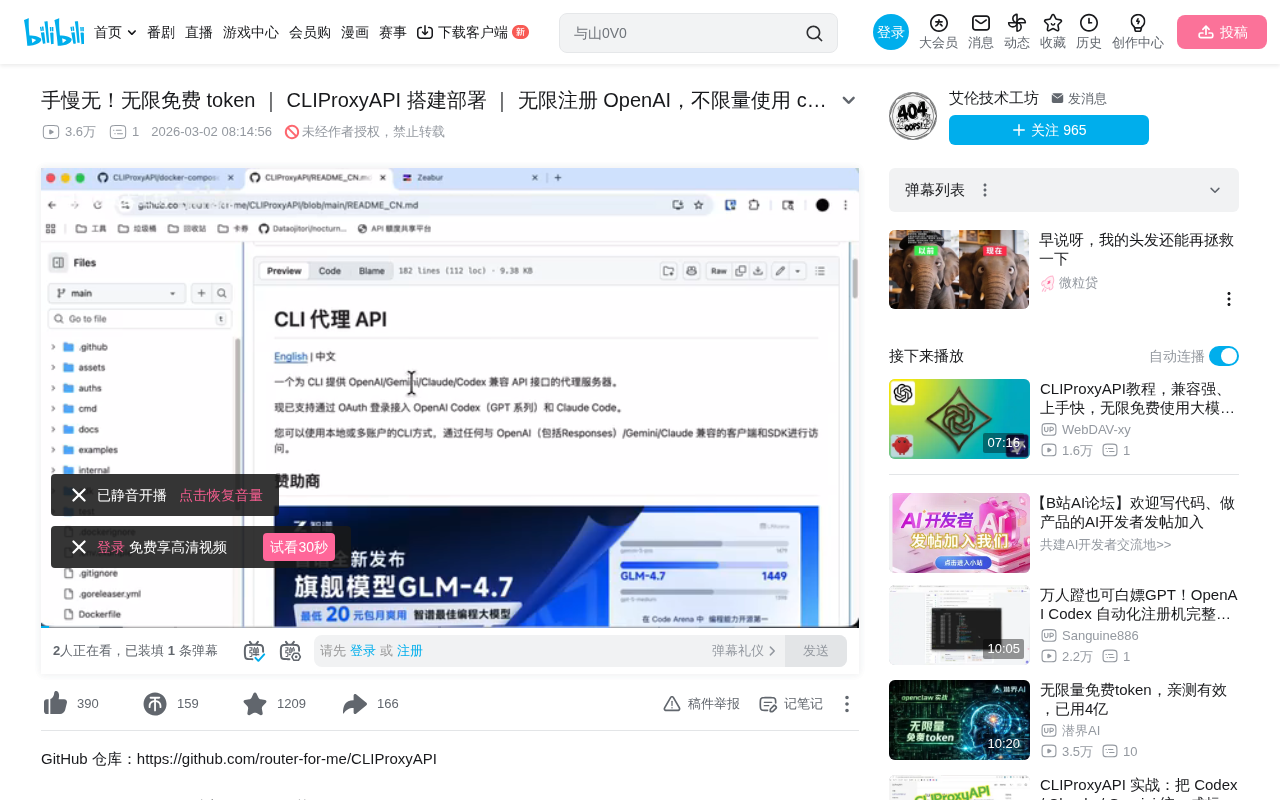
CLIProxyAPI Deployment Guide: Aggregate Multi-Platform AI Accounts for Unlimited Free Tokens
Complete Docker deployment guide for CLIProxyAPI (CPA) — aggregate OpenAI, Gemini, and CodeX accounts into one unified API with multi-account rotation to maximize free Token usage.
Read more →
 Tutorials
·4 min
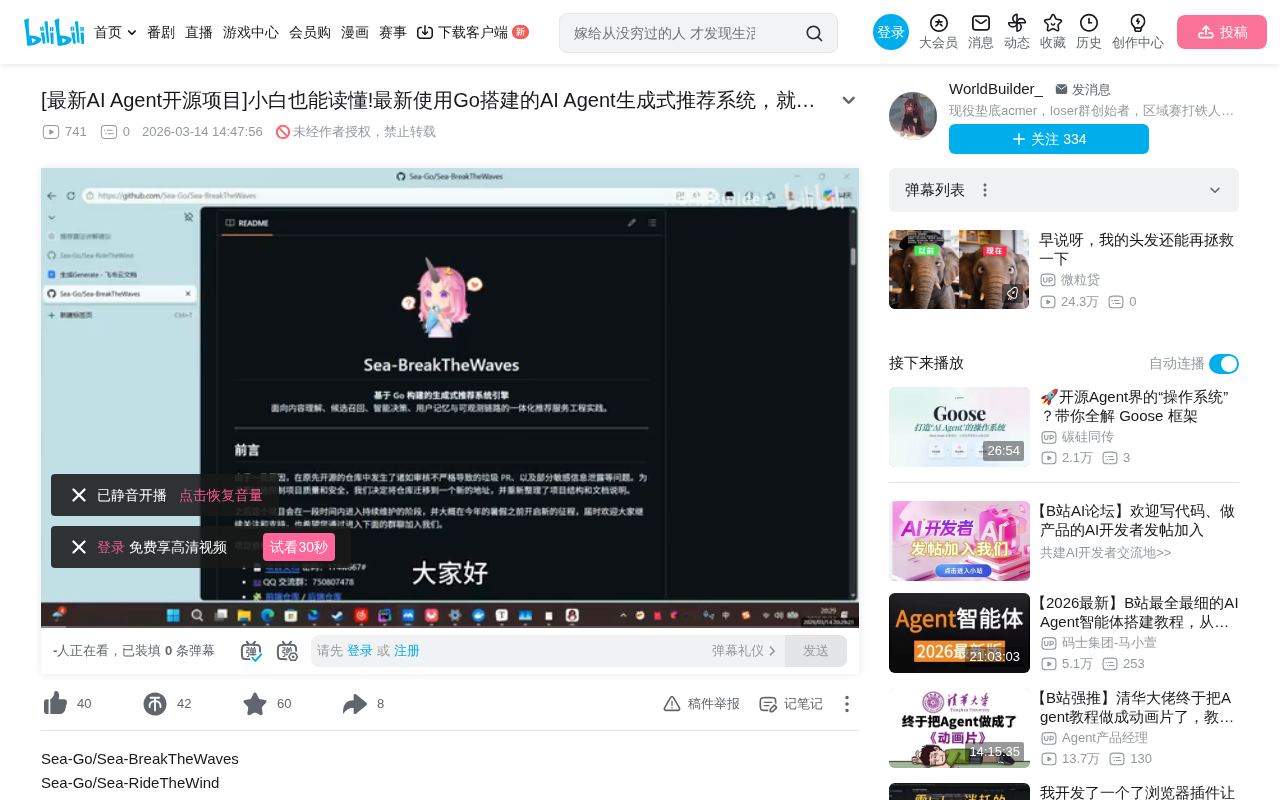
Building a Generative Recommendation System with Go and AI Agents: Architecture Design and Practical Analysis
Deep dive into a Go-based generative recommendation system powered by LLMs, covering three-level semantic understanding, three-layer user memory, and five-dimensional feedback design.
Read more →