#reasoning model
89 related articles
·3 min
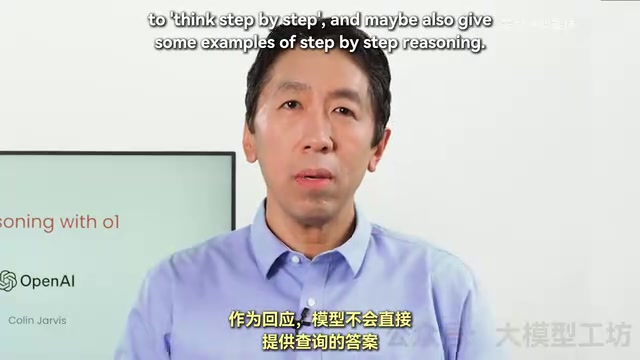
Andrew Ng's New Course Explained: A Practical Guide to Using OpenAI's O1 Reasoning Model
Deep dive into Andrew Ng and OpenAI's Reasoning with O1 course covering test-time scaling, new prompting paradigms, multi-model orchestration, and practical applications for developers.
Read more →

·4 min
ChatGPT vs Gemini vs Claude: Testing Three AI Models Recreating Classic Roblox Games from Scratch
We tested ChatGPT, Gemini, and Claude recreating Murder Mystery 2, Natural Disaster Survival, and MeepCity — comparing visual fidelity, feature completeness, and debugging difficulty in AI game dev.
Read more →

·2 min
Deep Agents: Key Topics from the LangChain Chicago Meetup Explained
LangChain's Chicago Meetup spotlights Deep Agents — exploring the evolution from simple Agents to multi-layered reasoning and long-chain task execution.
Read more →

·2 min
Claude 4.6 vs GPT-5.1 vs DeepSeek-R1: A Hands-On Comparison of Coding Capabilities
In-depth comparison of Claude Sonnet 4.6, GPT-5.1 Codex, and DeepSeek-R1 across API pricing, specs, and SWE-Bench Verified scores to help developers pick the best AI coding assistant.
Read more →
·2 min
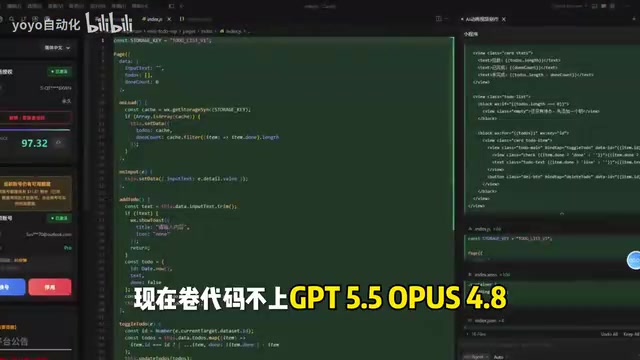
Connecting Cursor to Third-Party APIs for the Latest Models? An In-Depth Analysis of Risks and Alternatives
Analyzing the risks of using third-party API proxies in Cursor for GPT-5.5 and Claude Opus 4, covering data security, stability, and ban risks, plus safer alternatives.
Read more →
·2 min
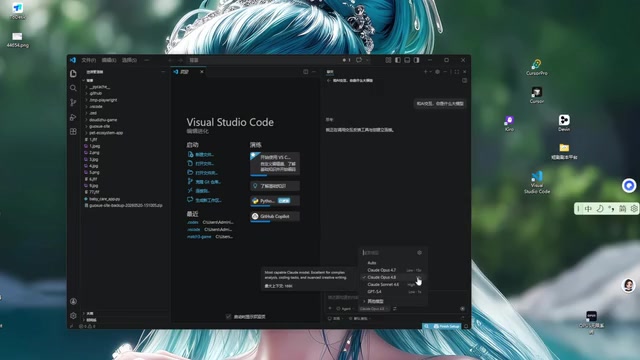
Opus 4.8 vs GPT 5.5 Cost Comparison: Money-Saving Strategies with Tiered Model Pairing
Real-world cost comparison of Claude Opus 4.8 and GPT 5.5 token usage. Opus 4.8 hits 15x consumption. Practical money-saving strategies using tiered model pairing for AI coding.
Read more →

·3 min
Career Transition Guide for AI Product Managers: Pick the Right Track Across Three Industry Layers
A deep dive into the AI product manager industry's three-layer pyramid — from infrastructure to models to applications — helping traditional PMs find the best career transition track.
Read more →
·3 min
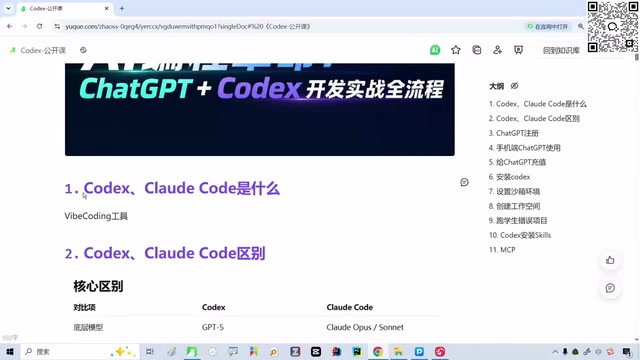
Codex vs Claude Code In-Depth Comparison: How to Choose Your AI Coding Tool
In-depth comparison of Codex and Claude Code AI agent programming tools covering model foundations, Chinese understanding, costs, MCP ecosystem, setup tutorials, and practical selection advice.
Read more →
·3 min
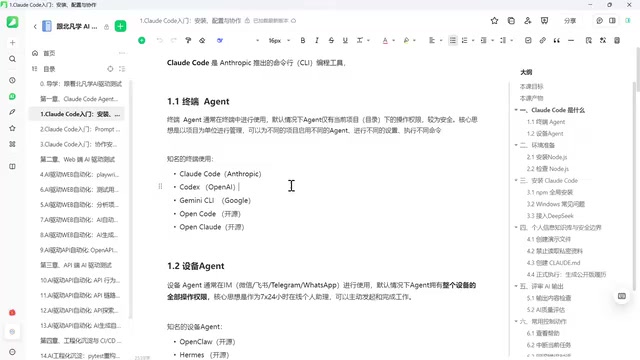
What Is Claude Code? A Guide to Choosing Between Terminal Agents and Device Agents
Explore Claude Code's core strengths and two major AI Agent categories. Compare Terminal Agents vs Device Agents, learn why Claude Code leads enterprise AI coding, and how to pair it with DeepSeek.
Read more →
·3 min
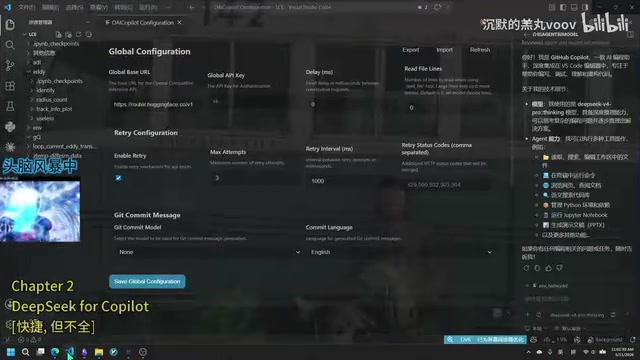
Connecting DeepSeek V4 API to Copilot in VSCode: A Detailed Tutorial with Two Methods
Two methods to connect DeepSeek V4 API to GitHub Copilot in VSCode: quick setup via DeepSeek for Copilot extension and fully customizable OAI extension with 1M token context window.
Read more →
·2 min
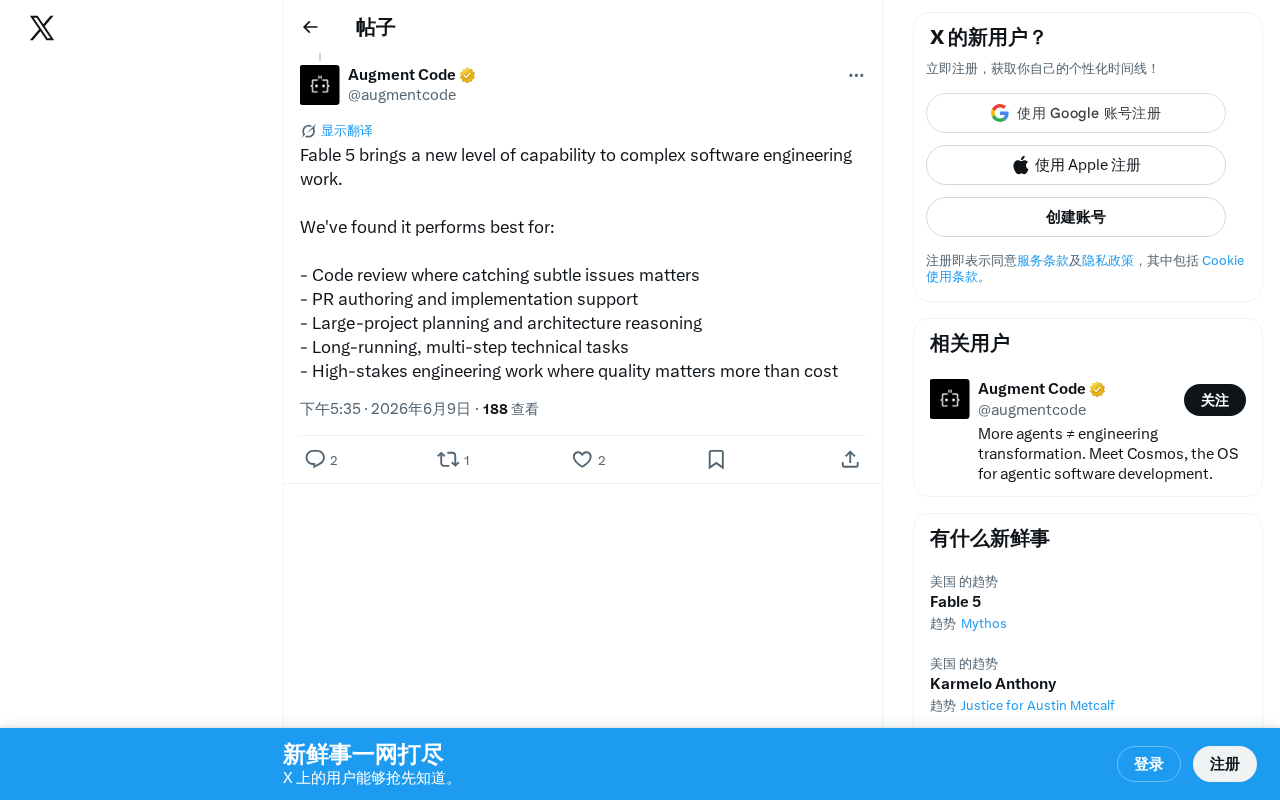
Fable 5 Released: An AI Coding Tool Built for Complex Software Engineering
Fable 5 officially launches, targeting high-complexity software engineering with five core capabilities: code review, architectural reasoning, large-scale project planning, multi-step task orchestration, and high-stakes engineering support.
Read more →
·3 min
Complete Cursor Tutorial: Core Advantages and Use Cases of the AI-Native Programming Tool
In-depth analysis of Cursor's five core features as an AI-native programming tool, comparing six key differences with traditional IDEs, covering intelligent code generation, context awareness, and multi-model support.
Read more →
·2 min
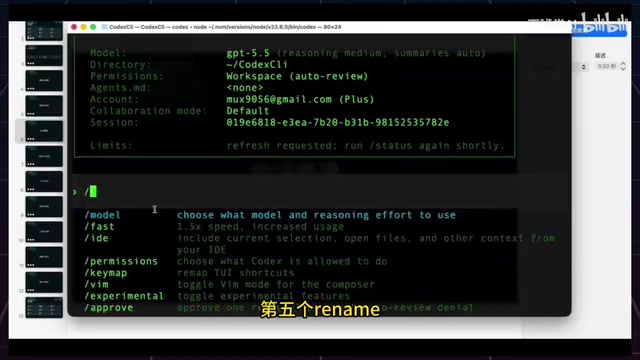
The Complete Guide to All 42 Codex CLI Commands: From Beginner to Precision AI Programming
A complete guide to all 42 OpenAI Codex CLI commands, organized by model switching, session management, code review, and context control to help you master AI-powered development.
Read more →
·1 min
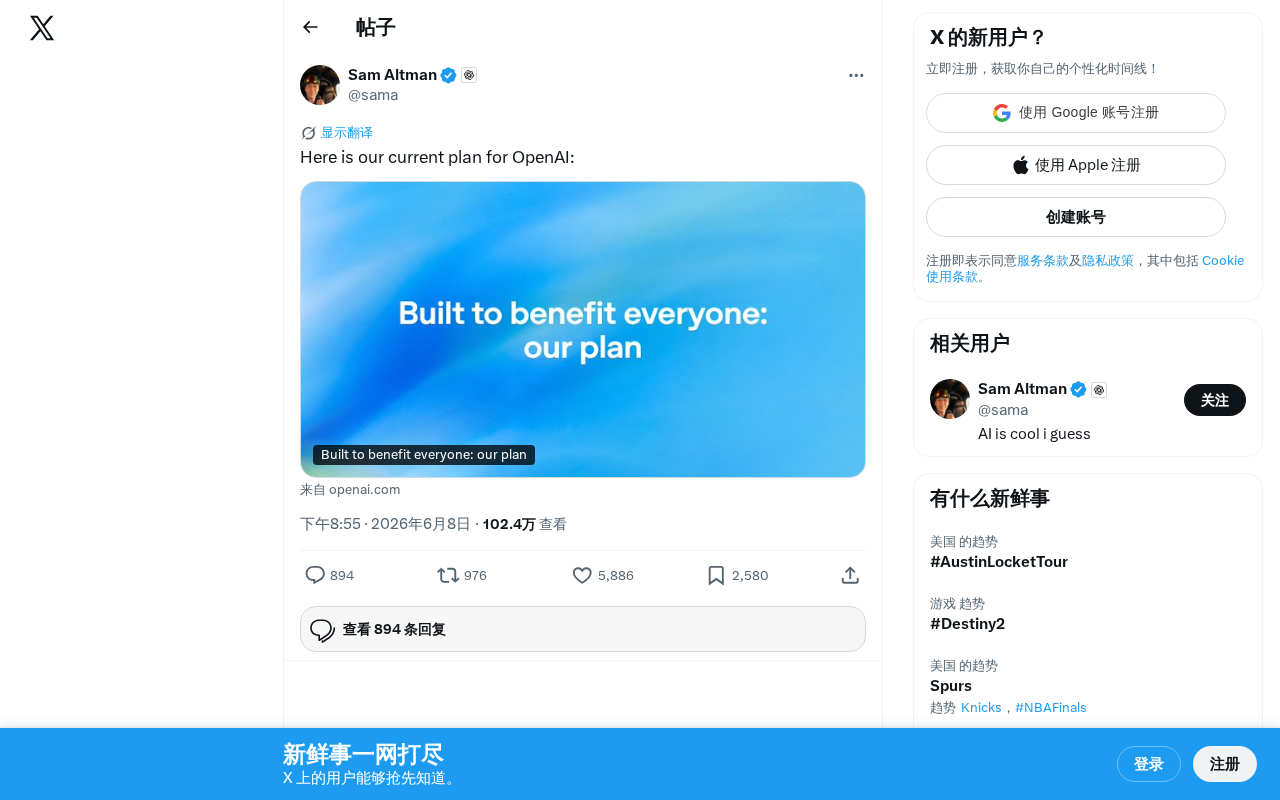
Deep Dive into OpenAI's Development Roadmap: AGI Strategy and Commercialization Plans
In-depth analysis of OpenAI's latest roadmap covering AGI R&D, organizational transformation, ChatGPT commercialization, safety strategy, and developer ecosystem impact.
Read more →
·4 min
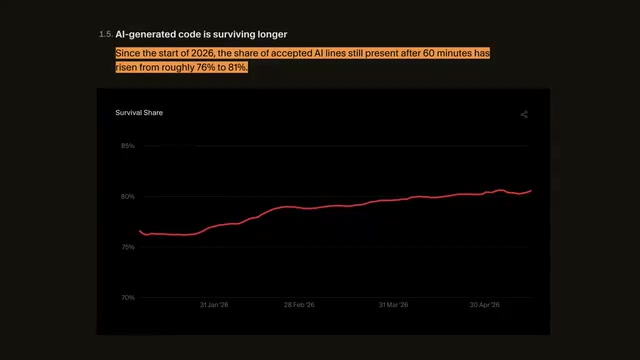
Decoding Cursor's Developer Report: The Truth Behind a 46x Productivity Gap in AI-Powered Coding
Cursor's first developer report reveals a Gini coefficient far above warning levels, with the top 1% producing 46x more than the median. A deep dive into AI coding's brutal divide.
Read more →

·3 min
Codex Powers Hedge Fund: Economic Analysis Cut from 2 Days to 30 Minutes
Balyasny Asset Management adopts OpenAI Codex and o3/4o models, cutting economic analysis from 2 days to 30 minutes with 97% daily active AI adoption.
Read more →
·4 min
The Complete AI Programming Workflow: An Efficiency Revolution from Codex to Ghost
A deep dive into an indie developer's AI programming workflow, covering Codex, Ghost database management, Create Skills context system, and MCP servers for maximum efficiency.
Read more →
·3 min
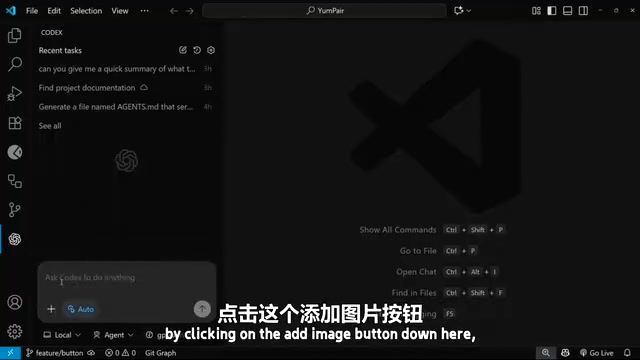
OpenAI Codex in Practice: Context References, Reasoning Levels, and TODO-to-Task Conversion Explained
A deep dive into three core OpenAI Codex extension features: adding prompt context with @ symbols and images, adjusting AI reasoning levels, and converting TODO comments into Codex tasks.
Read more →
·2 min
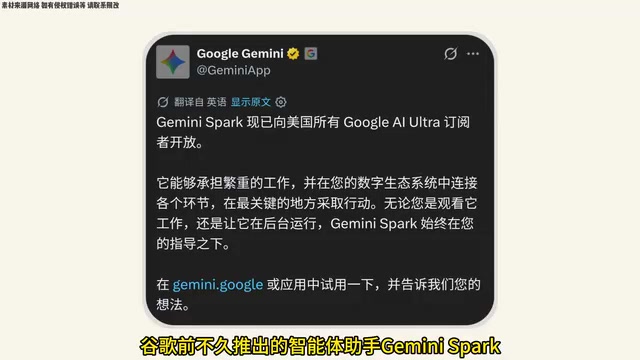
XAI Releases Grok Build Programming Model, Gemini Spark Opens to Ultra Users
XAI launches Grok Build 0.1 coding model API beta at $1/M tokens; Google Gemini Spark agent opens to Ultra users; OpenAI Codex Computer Use arrives on Windows; DeepSeek scales back features.
Read more →

·3 min
OpenAI Cracks Erdős Unit Distance Conjecture: AI Independently Disproves 80-Year-Old Math Problem for the First Time
OpenAI's general reasoning model independently disproved Erdős's 1946 unit distance conjecture without human guidance—the first time AI has autonomously solved a core open math problem, verified by nine top mathematicians.
Read more →