#Context Window
646 related articles
·3 min
Freely Switch Between Claude/DeepSeek and Other AI Models in Codex: CPA Deployment Guide
Learn how to use CLI Proxy API (CPA) to aggregate Claude, DeepSeek, Grok, and Gemini models into OpenAI Codex via VPS deployment, Docker setup, and Codex++ integration.
Read more →
·3 min
Use Claude Code for Just ¥7.9: A Complete Guide to Affordable Alternatives with Chinese AI Models
Learn how to set up Claude Code with affordable Chinese AI model alternatives. Use providers like SiliconFlow and DeepSeek starting from just ¥7.9, with full environment variable configuration guide.
Read more →
·2 min
Nex N2 Pro Real-World Testing: Top 5 on Official Benchmarks, Only 12th in Independent Tests
Deep-dive testing of Nex N2 Pro open-source Agent model comparing official benchmarks vs independent results. The 397B parameter model shows decent frontend generation but ranks 12th independently, not top 5 as claimed.
Read more →
·4 min
Claude Code Workflow in Practice: From Requirement Grilling to AFK Agent Auto-Coding
A detailed walkthrough of building real features with Claude Code: Grill Me requirement interrogation, auto-generated PRDs, AFK agent coding, and QA iteration loops with DDD and TDD strategies.
Read more →
·4 min
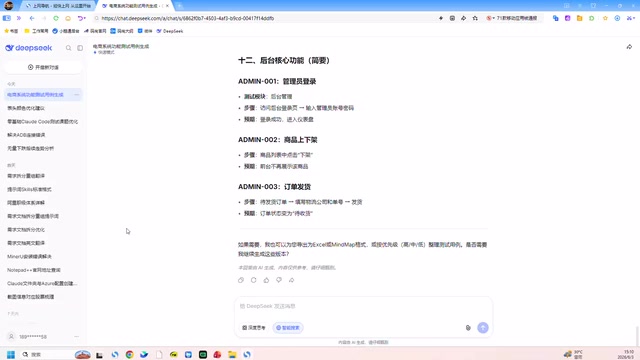
Claude Code + Skills: A Practical Guide to AI-Powered Test Case Generation
Learn how to use Claude Code + Skills to auto-generate enterprise-grade test cases. Covers AI Agent vs LLM differences, the four core capabilities, and the complete workflow from requirements to test cases.
Read more →
·3 min
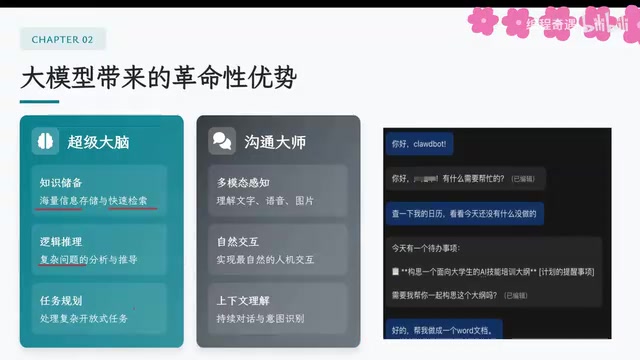
AI Agent Core Architecture Breakdown: From Concept to Enterprise-Grade Intelligent Agent Development
Deep dive into AI Agent architecture: perception, brain, and action modules. Covers RAG memory systems, tool calling mechanisms, Chain of Thought reasoning, and enterprise agent development roadmap.
Read more →
·2 min
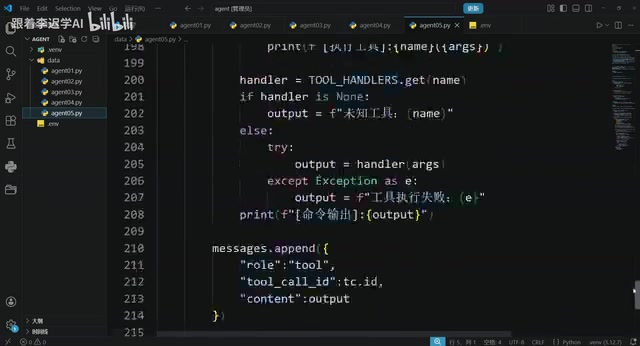
Hands-On Tutorial: Build an AI Agent from Scratch with 200 Lines of Python
Build an AI Agent from scratch with 200 lines of Python, covering prompts, memory, tool calling, RAG, and Skills — a practical guide for developers.
Read more →

·3 min
Headroom: The Open-Source Compression Tool That Cuts AI Agent Token Costs by 10x
Headroom is an open-source token compression tool by a Netflix engineer that achieves 60%-95% token savings for AI coding tools through intelligent category-based compression.
Read more →
·2 min
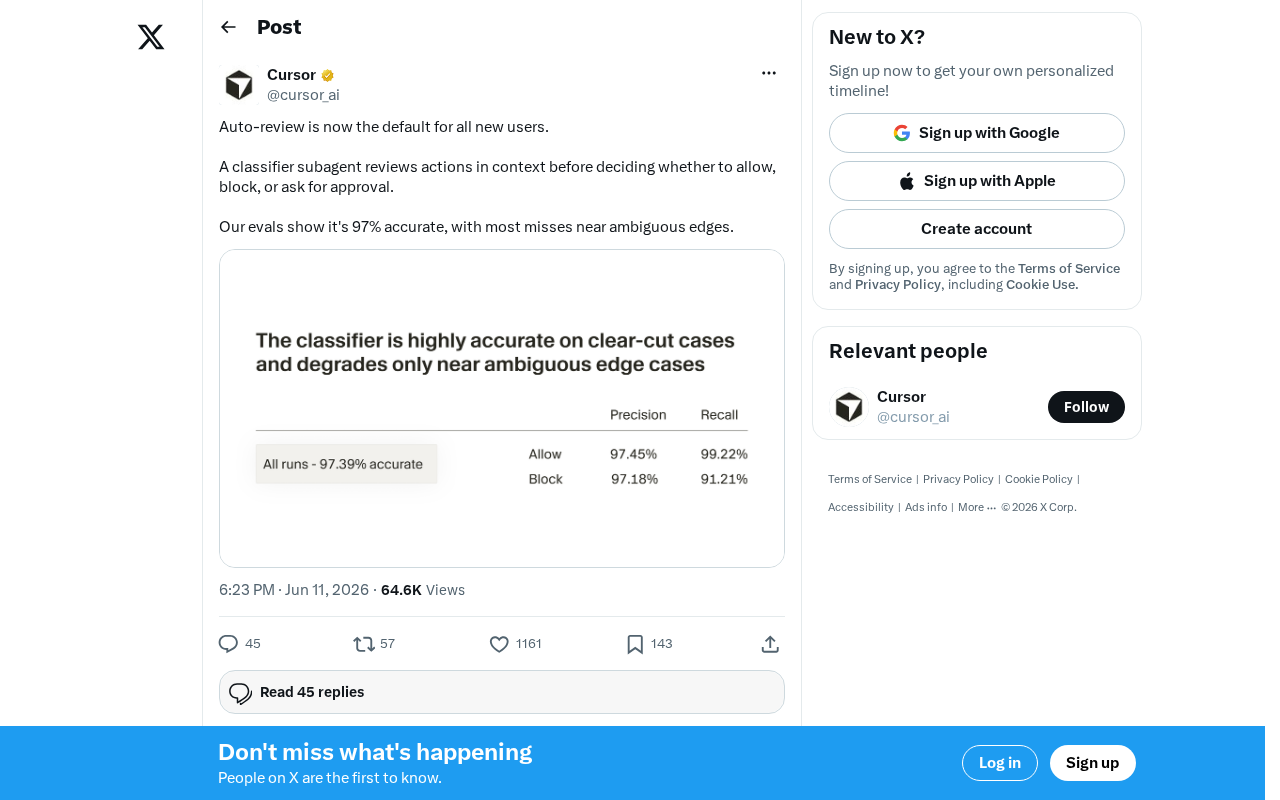
AI Automated Review Becomes the Default: How a Sub-Agent Classifier Achieves 97% Accuracy
AI agent auto-review is now default for all users. A classifier subagent achieves 97% accuracy with three-tier safety decisions. Deep dive into how it works and its impact on AI safety.
Read more →
·4 min
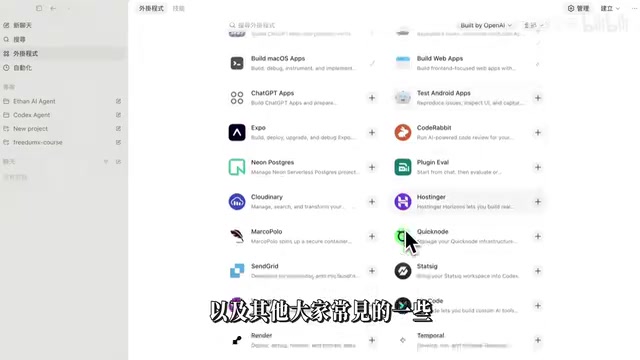
The Complete Guide to Codex Super Agent: From Installation to Multi-Task Parallel Execution
A complete guide to OpenAI's Codex desktop app: installation, Plugins, Skills, Agent.md setup, and multi-task parallel execution for the ultimate AI Agent.
Read more →
·2 min
Claude 4.6 vs GPT-5.1 vs DeepSeek-R1: A Hands-On Comparison of Coding Capabilities
In-depth comparison of Claude Sonnet 4.6, GPT-5.1 Codex, and DeepSeek-R1 across API pricing, specs, and SWE-Bench Verified scores to help developers pick the best AI coding assistant.
Read more →
·3 min
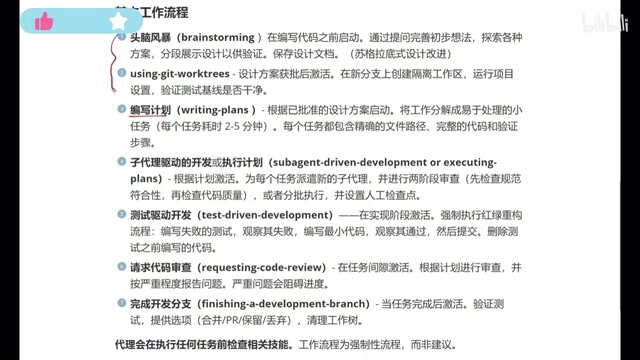
The Complete Guide to Codex Superpowers: 14 Skills That Make AI Follow Industrial-Grade Development Workflows
A complete guide to Codex Superpowers: 14 composable skills covering brainstorming, planning, TDD, and code review, with a real-world WeChat Mini Program case study.
Read more →

·3 min
OpenAI Codex Beginner's Guide: From Environment Setup to Enterprise-Level Practice
A systematic guide to OpenAI Codex and AI LLM learning, covering Transformer basics, dev environment setup, prompt engineering, RAG deployment, LoRA fine-tuning, and AI Agent enterprise projects.
Read more →
·2 min
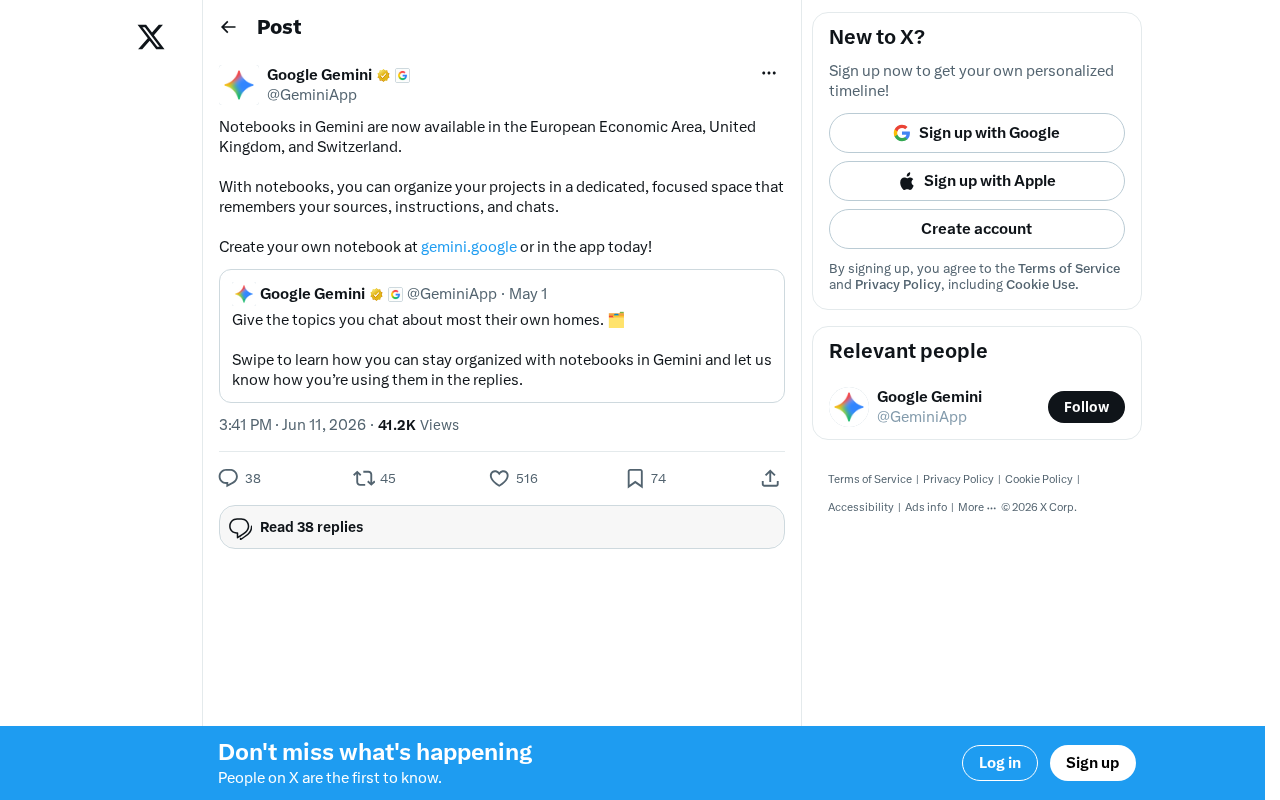
Gemini Notebooks Arrives in Europe: Feature Breakdown and Usage Guide
Google Gemini Notebooks is now available to users in the EEA, UK, and Switzerland. Learn about its core features, how it differs from regular chats, and how to get started.
Read more →
·3 min
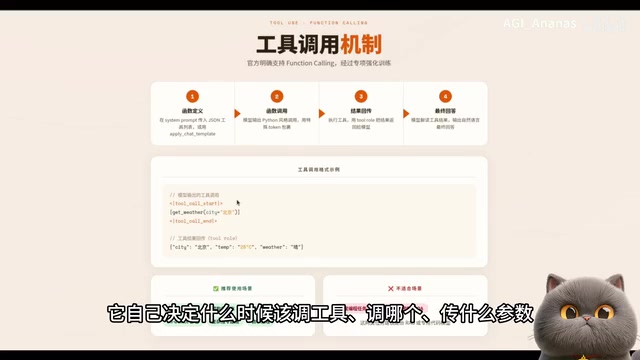
LFM2.5 Local Deployment Hands-On: An 8B Parameter Model That Outperforms GPT-o3s in Tool Calling
Hands-on test of Liquid AI's LFM2.5 local deployment: architecture breakdown, 16GB VRAM troubleshooting, and GraphRAG tool-calling benchmarks vs GPT-o3s.
Read more →
·3 min
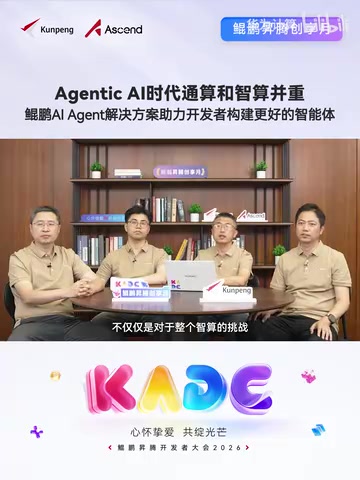
Kunpeng AI Agent Architecture: Why General-Purpose Computing Matters as Much as AI Computing
Deep dive into Huawei Kunpeng's AI Agent solution — why general-purpose computing matters as much as AI computing for agent architecture, from memory systems to tool calling and secure runtimes.
Read more →
·2 min
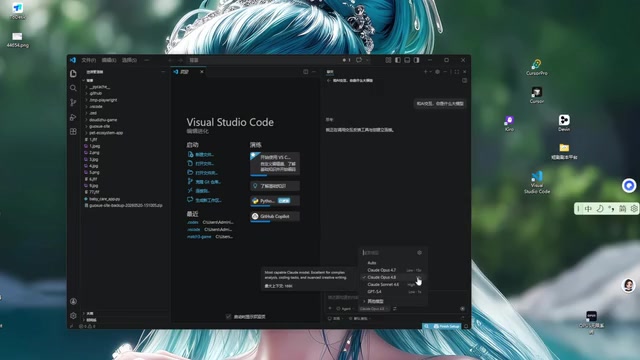
Opus 4.8 vs GPT 5.5 Cost Comparison: Money-Saving Strategies with Tiered Model Pairing
Real-world cost comparison of Claude Opus 4.8 and GPT 5.5 token usage. Opus 4.8 hits 15x consumption. Practical money-saving strategies using tiered model pairing for AI coding.
Read more →
·3 min
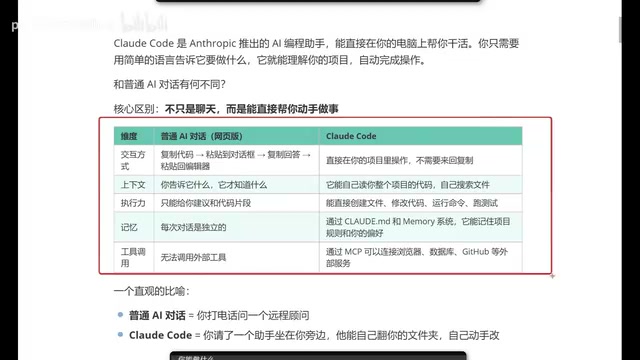
What Makes Claude Code So Powerful? A Five-Dimension Comparison with Traditional AI Chat Tools
A deep comparison of Claude Code vs traditional AI chat tools across 5 dimensions: interaction, context, execution, memory, and tool invocation.
Read more →

·3 min
Getting Started with AI Agent Development: A Detailed Three-Stage Learning Roadmap
A complete roadmap for learning AI Agent development from scratch, covering Python & LLM basics, five core skills, and hands-on RAG projects in 1-2 months.
Read more →
·3 min
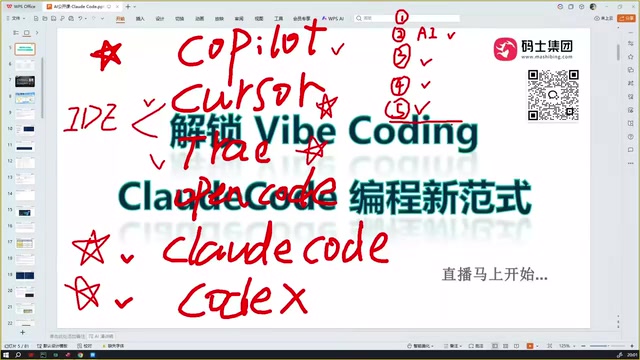
The Evolution of AI Coding Tools: Five Stages from Manual Coding to Claude Code
An in-depth analysis of five stages in AI coding tool evolution, from manual coding to Claude Code and Cursor, exploring the 0-to-1 vs 1-to-100 challenge and future trends like interrogative programming.
Read more →