#Context Window
676 related articles
·2 min
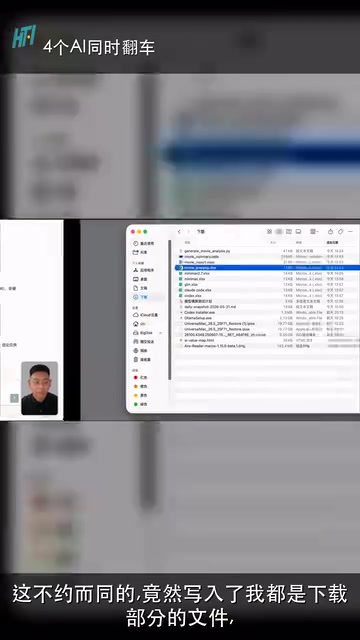
AI Coding Gone Wrong: 4 Models Generated Files to the Exact Same Path
Testing Claude Code, Codex, DeepSeek & MiniMax simultaneously, all four AI models wrote files to the same path. A real-world lesson in multi-model isolation.
Read more →
·4 min
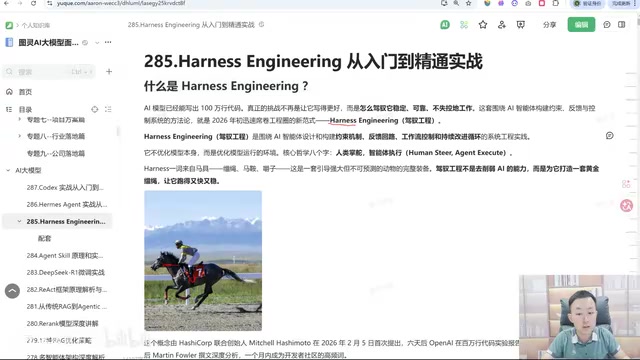
Harness Engineering in Practice: Integrating AI-Driven Development into Enterprise Workflows
A deep dive into Harness Engineering methodology — from Prompt Engineering to Context Engineering to Harness Engineering — covering enterprise setup, Skill systems, and pipeline-style AI programming.
Read more →
·2 min
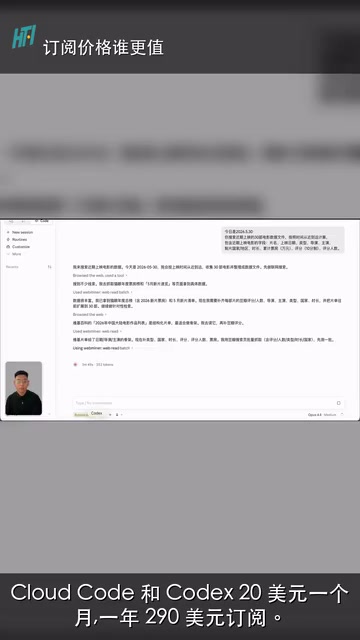
AI Coding Tool Subscription Showdown: How Much Do You Really Get for $20/Month?
Side-by-side comparison of Claude Code, Codex, and Zhipu International subscriptions — pricing, quota multipliers, and real-world value to help developers find the best plan.
Read more →
·3 min
Claude-mem: The Open-Source Memory System That Stops AI from Forgetting
Claude-mem is an open-source AI memory tool that gives Claude Code, Codex, and other AI coding assistants cross-session memory via semantic compression and vector retrieval — just 50 tokens of overhead, fully local storage.
Read more →
·2 min
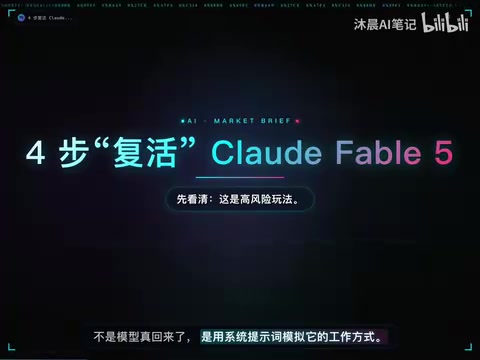
4 Steps to Simulate the Claude Fable 5 Workflow Using System Prompts
Learn how to simulate the Fable 5 workflow in Claude Code using system prompts: download the prompt file, configure your project, launch safely, and switch to Opus model.
Read more →
·2 min
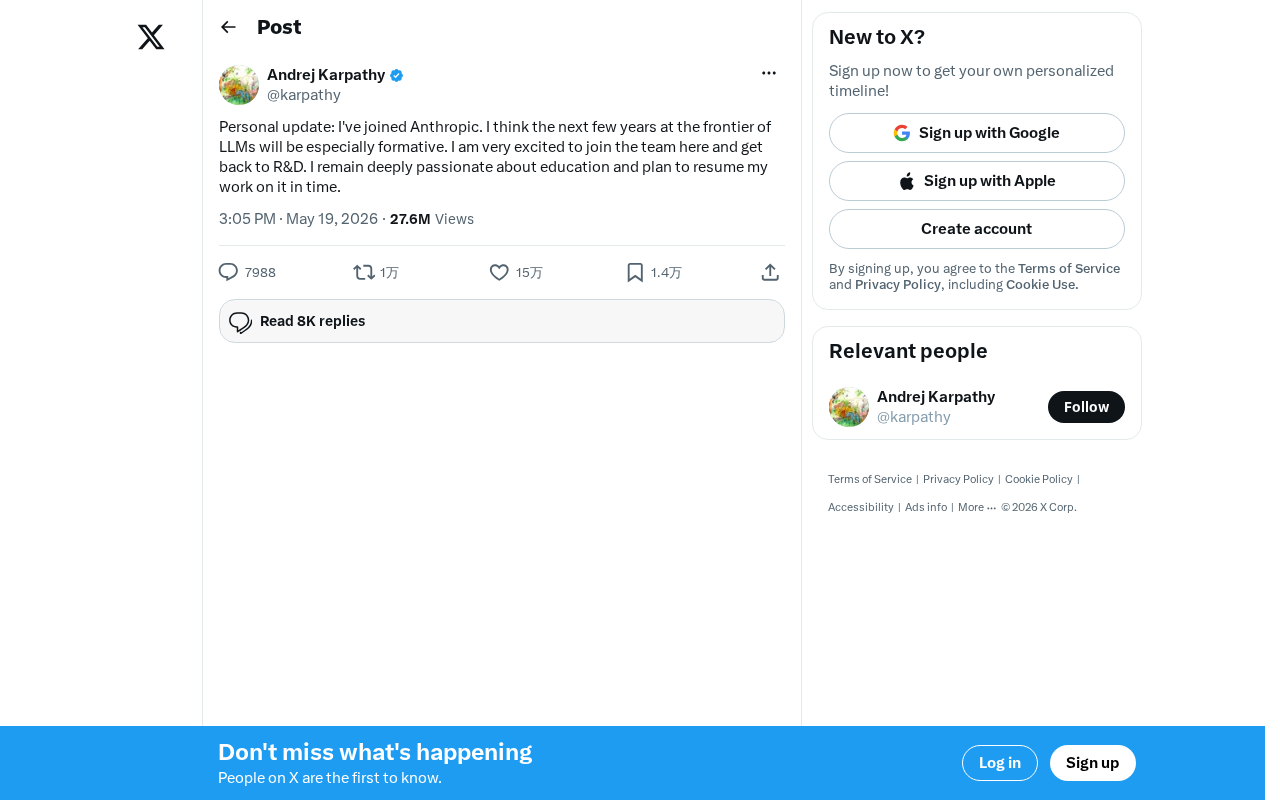
Andrej Karpathy Joins Anthropic: A Top AI Researcher Returns to the Frontier
Andrej Karpathy officially joins Anthropic. The former OpenAI co-founder and Tesla AI director returns to frontier LLM R&D, signaling a pivotal moment in AI.
Read more →
·2 min
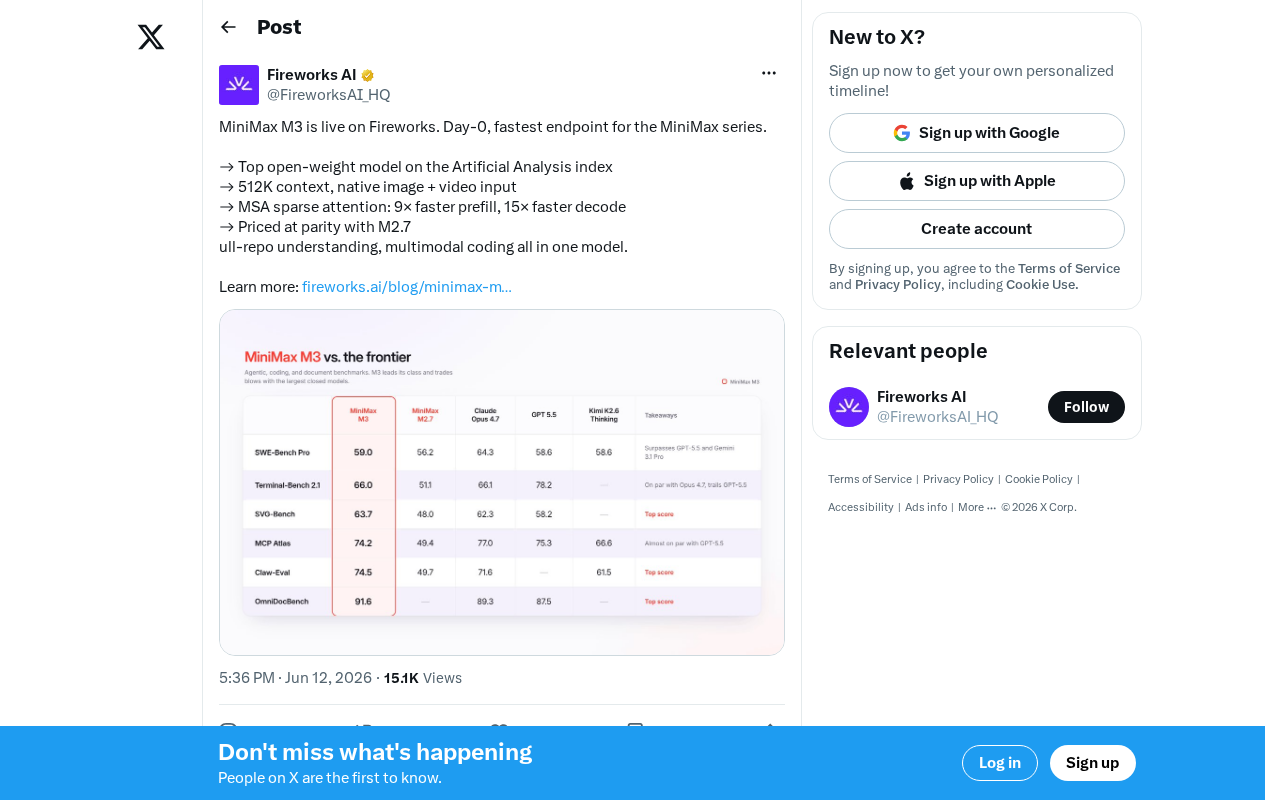
MiniMax M3 Launches on Fireworks: 512K Context and MSA Sparse Attention Explained
MiniMax M3 launches on Fireworks with 512K context and multimodal input. MSA sparse attention delivers 9x prefill and 15x decode speedups. Deep dive into architecture, pricing, and open-model competition.
Read more →
·3 min
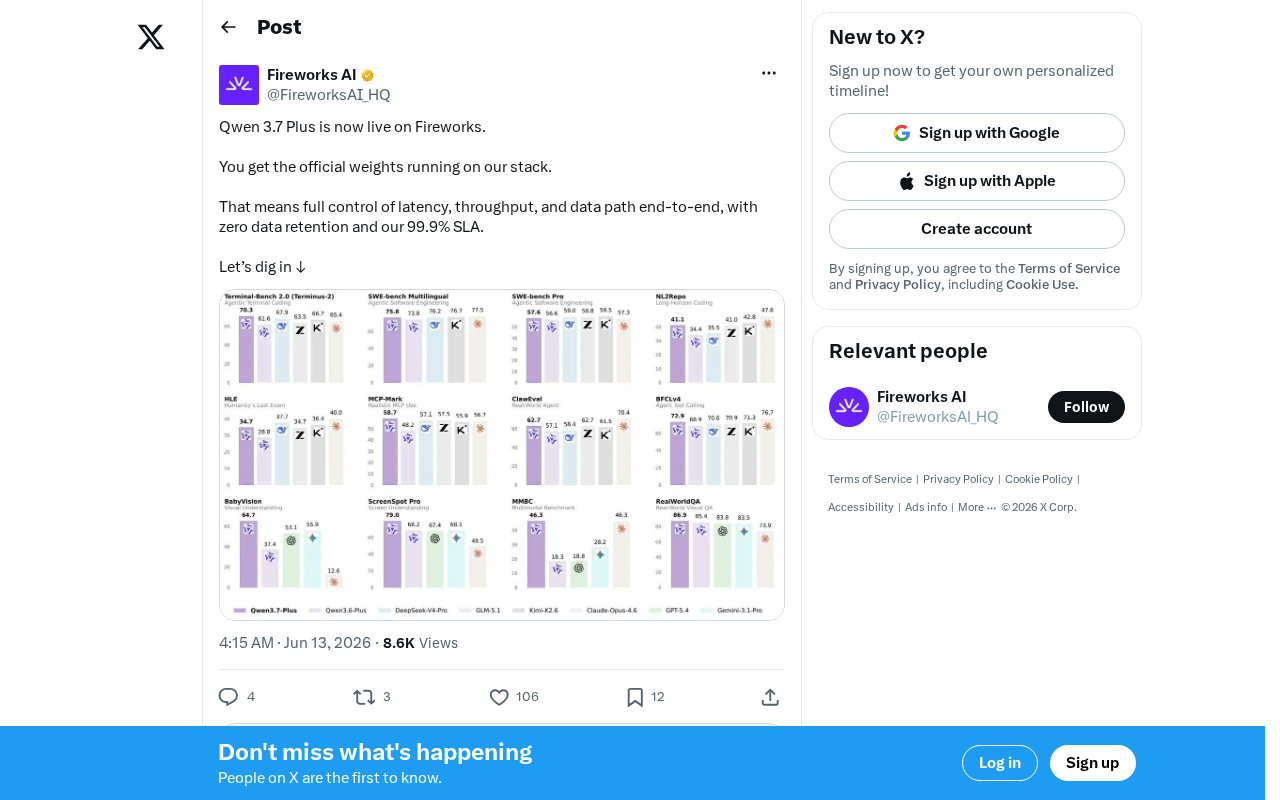
Fireworks AI Launches Qwen 3.7 Plus: Zero Data Retention and 99.9% SLA for Enterprise Deployment
Fireworks AI launches Qwen 3.7 Plus with latency/throughput optimization, zero data retention, and 99.9% SLA enterprise guarantees. Explore the full-stack deployment solution for commercial open-source model inference.
Read more →
·2 min
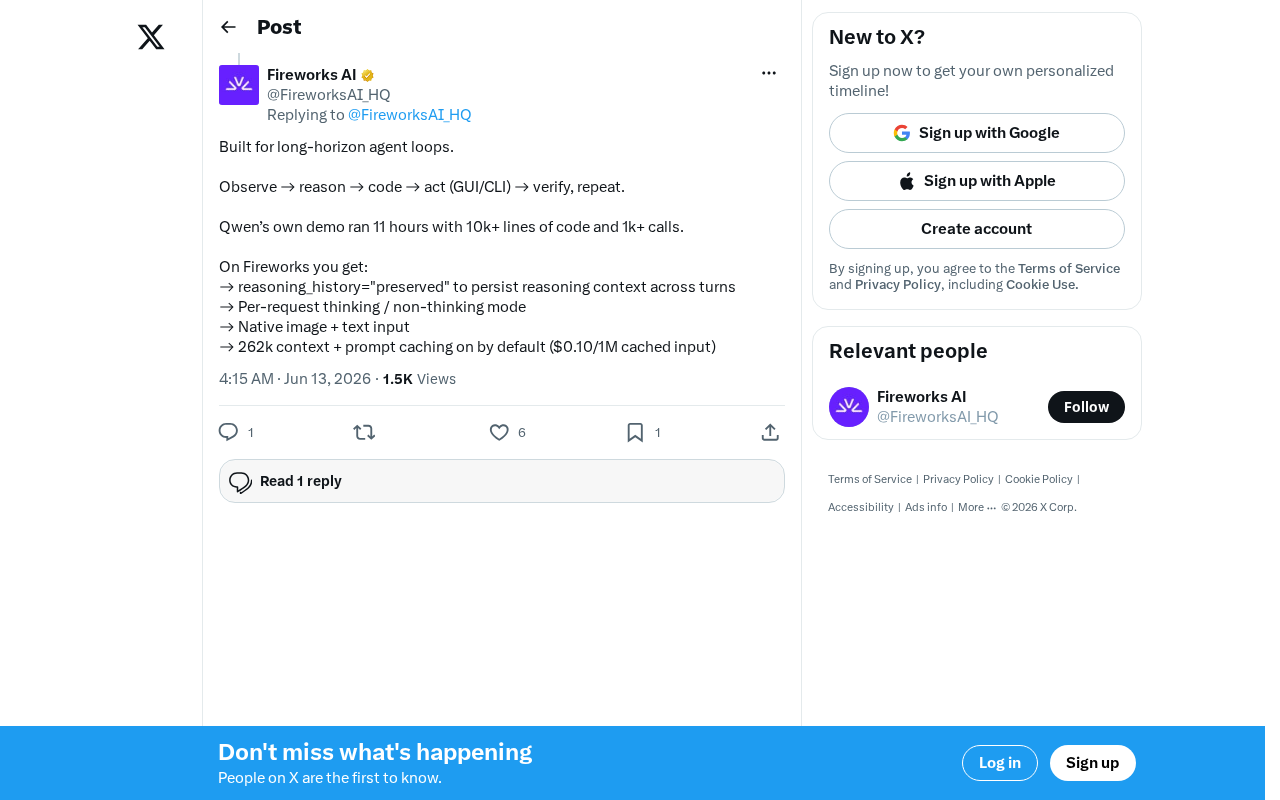
Qwen3-Coder Deep Dive: A Coding Model Built for Long-Horizon Agent Loops
Deep dive into Qwen3-Coder: 11 hours continuous operation, 10K+ lines of code, 1000+ calls. Explore its long-horizon agent loop architecture, reasoning persistence, thinking mode switching, and deployment on Fireworks.
Read more →
·2 min
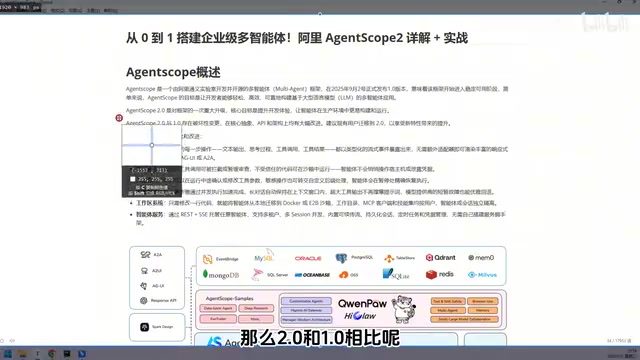
Deep Dive into Alibaba's AgentScope 2.0: Six Core Upgrades and Agent Design Patterns
Deep dive into Alibaba's AgentScope 2.0 multi-agent framework: event system, execution safety, human-in-the-loop, and ReAct vs Plan-and-Execute agent design patterns.
Read more →

·4 min
AI + Java Backend Learning Roadmap: Four Stages from CRUD to Senior AI Engineer
A complete AI + Java backend learning roadmap based on Spring AI Alibaba: from prompt engineering and LLM API integration to RAG knowledge bases and Agent systems across four stages.
Read more →
·3 min
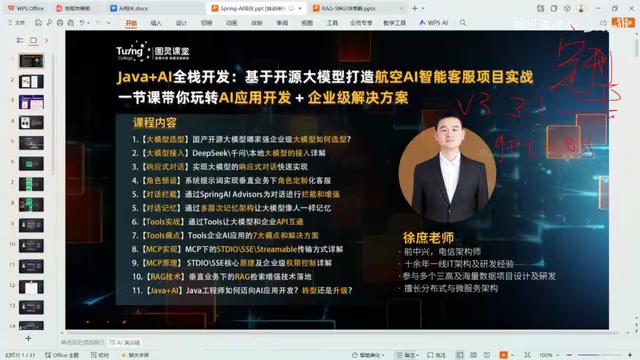
Java Developer's Guide to AI Application Development: From Spring AI to Intelligent Customer Service
A comprehensive guide for Java developers transitioning to AI application development, covering Spring AI, RAG, Function Calling, and a hands-on airline intelligent customer service project.
Read more →
·2 min
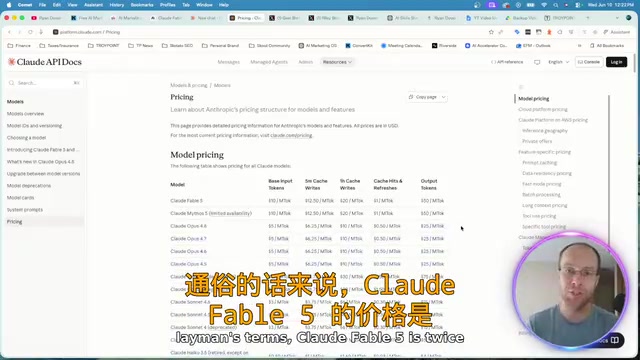
Claude Fable 5 Hands-On Review: Double the Price — Is It Worth It?
Hands-on comparison of Claude Fable 5 vs Opus 4.8 on landing page design and website rebuilds. Detailed API pricing analysis and practical advice on whether double the cost delivers double the value.
Read more →
·3 min
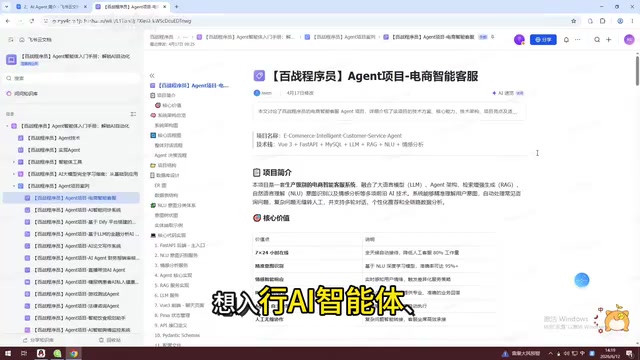
AI Agent Hands-On Learning Path: A Complete Guide from Beginner to Enterprise-Level Development
A systematic AI Agent development learning roadmap covering prompt engineering, RAG, multi-Agent collaboration, tool calling, and more—with phased learning advice and 28 hands-on project references.
Read more →
·3 min
9 Failure Modes and Best Practices Guide for the GrillMe Skill
Deep dive into 9 common failure modes of GrillMe and GrillWithDocs skills, covering scope control, question fidelity, model selection, parallel sessions, and more best practices.
Read more →
·3 min
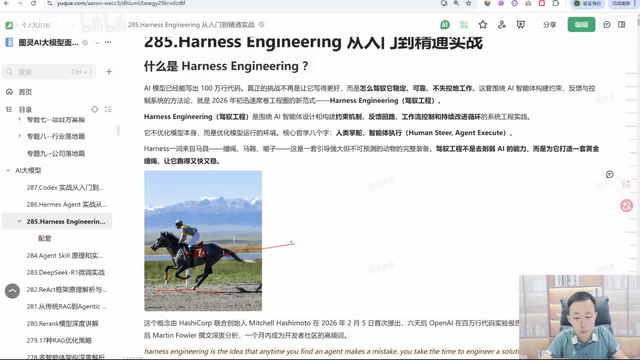
Harness Engineering in Practice: Building an Enterprise E-Commerce System with Claude Code — A Complete Walkthrough
A deep dive into Harness Engineering for AI programming, from concept to implementation. Build an enterprise Java e-commerce system using Claude Code with Skill-driven AI development pipelines.
Read more →
·3 min
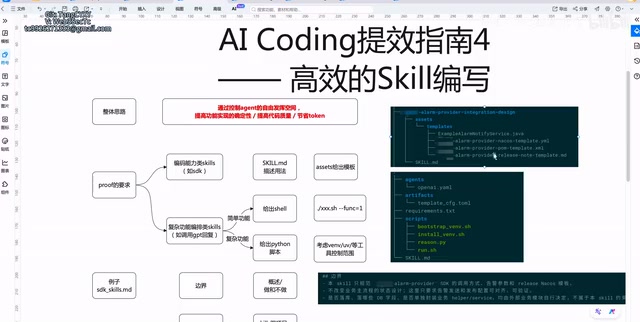
AI Coding Efficiency: A Complete Methodology for Writing Effective Skill Specifications
A deep dive into writing Skill specifications for AI-assisted coding, covering template design, script selection for complex orchestration, and six standardized elements to constrain Agent behavior.
Read more →
·4 min
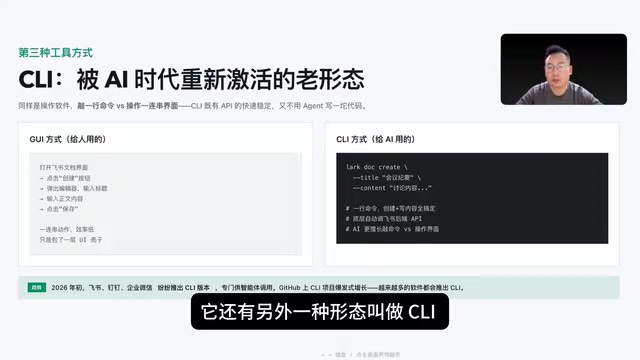
Agent Tool Selection Guide: A Comprehensive Comparison of API, CLI, MCP, Browser Use, and Computer Use
Compare 5 Agent tool types: CLI, API, MCP, Browser Use & Computer Use on speed, accuracy, and token cost. Includes a selection priority table to cut costs and boost Agent efficiency.
Read more →

·3 min
Codex CLI vs. Desktop App: Choosing the Right Dev Mode by Task Type
In-depth comparison of Codex CLI vs. desktop app capabilities, analyzing the best choice for large projects, multi-file refactoring, quick bug fixes, and more.
Read more →
·4 min
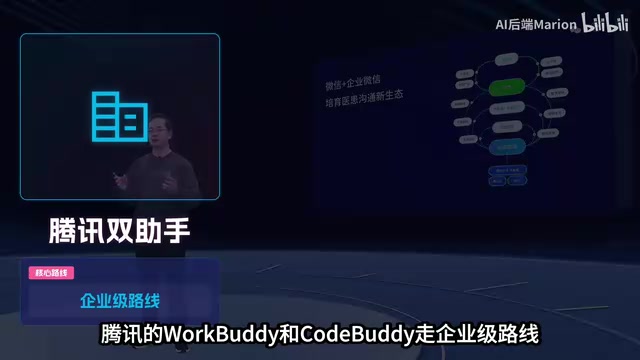
A Complete Guide to Multi-Agent Teams in AI Coding: From Solo Work to Team Collaboration
Deep dive into multi-agent solutions from Cursor, Claude Code, and Tencent CodeBuddy — covering parallel exploration, cross-layer collaboration, context isolation, practical tips, and selection guide.
Read more →