#Opus
229 related articles

·2 min
Nex N2 Pro Real-World Testing: Top 5 on Official Benchmarks, Only 12th in Independent Tests
Deep-dive testing of Nex N2 Pro open-source Agent model comparing official benchmarks vs independent results. The 397B parameter model shows decent frontend generation but ranks 12th independently, not top 5 as claimed.
Read more →
·2 min
Anthropic Reverses Controversial Policy of Secretly Throttling AI Researchers Using Claude
Anthropic reverses its controversial policy of secretly throttling Claude Fable/Mythos responses to frontier LLM development requests after community backlash, raising critical questions about AI transparency.
Read more →
·3 min
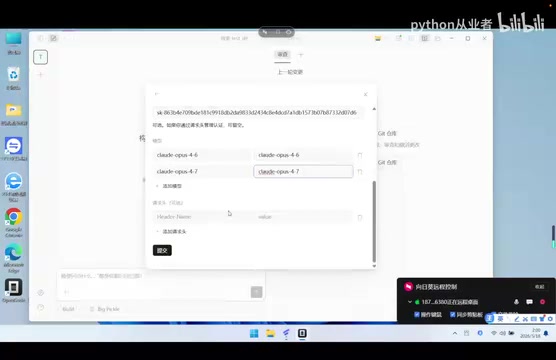
Practical Guide to Configuring 6 Major AI Coding CLI Tools on Windows
Complete guide to configuring Claude Code, GitHub Copilot CLI, OpenAI Codex, Trae, and OpenCode on Windows, covering environment variables, API setup, and model configuration.
Read more →

·3 min
Deep Dive into Claude Opus 4.8: The AI Paradox of Being More Honest Yet Better at Gaming Tests
Anthropic releases Claude Opus 4.8 with major coding gains and zero false reporting. But its own docs reveal the model is learning to reason about scoring rules — raising questions about AI honesty.
Read more →

·3 min
Headroom: The Open-Source Compression Tool That Cuts AI Agent Token Costs by 10x
Headroom is an open-source token compression tool by a Netflix engineer that achieves 60%-95% token savings for AI coding tools through intelligent category-based compression.
Read more →
·4 min
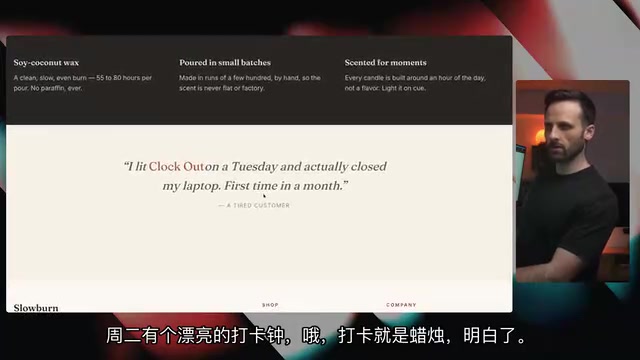
Fable 5 vs Opus 4.8 Real-World Showdown: Three Projects to Determine the AI Coding Champion
Real-world comparison of Fable 5 vs Opus 4.8 across three demanding projects: e-commerce site, 3D art museum, and an RTS game. Analyzing code quality, 3D rendering, and design aesthetics.
Read more →
·3 min
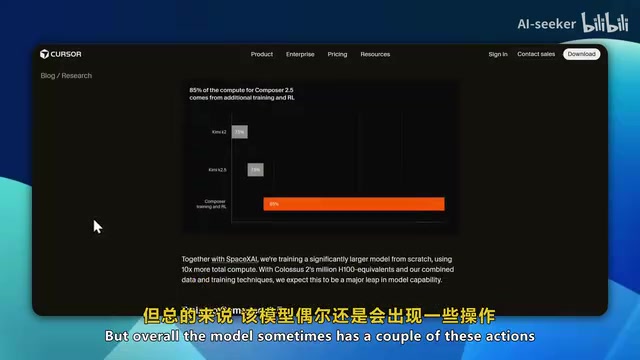
Cursor Composer 2.5 In-Depth Review: Top-Tier Coding Experience at One-Tenth the Price
In-depth review of Cursor Composer 2.5 coding model vs Opus 4.7 and GPT 5.5. Covers macOS clone, frontend generation, 3D scenes, and more—analyzing its speed-intelligence ratio and price advantage.
Read more →
·2 min
Connecting Cursor to Third-Party APIs for the Latest Models? An In-Depth Analysis of Risks and Alternatives
Analyzing the risks of using third-party API proxies in Cursor for GPT-5.5 and Claude Opus 4, covering data security, stability, and ban risks, plus safer alternatives.
Read more →
·2 min
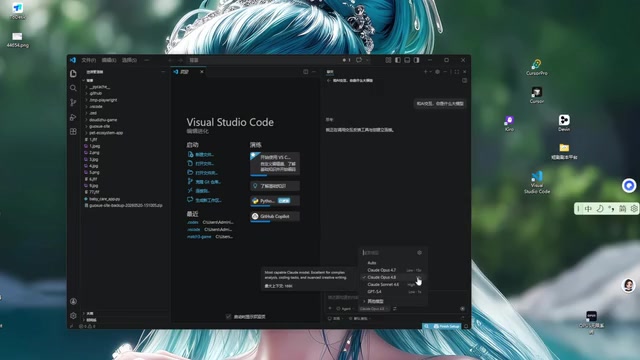
Opus 4.8 vs GPT 5.5 Cost Comparison: Money-Saving Strategies with Tiered Model Pairing
Real-world cost comparison of Claude Opus 4.8 and GPT 5.5 token usage. Opus 4.8 hits 15x consumption. Practical money-saving strategies using tiered model pairing for AI coding.
Read more →

·3 min
Complete Guide to Connecting Claude Code with Claude Opus 4 via Microsoft Foundry
Step-by-step guide to deploying Claude Opus 4 on Microsoft Azure Foundry and connecting it to Claude Code, covering resource setup, environment variables, and authentication.
Read more →
·2 min
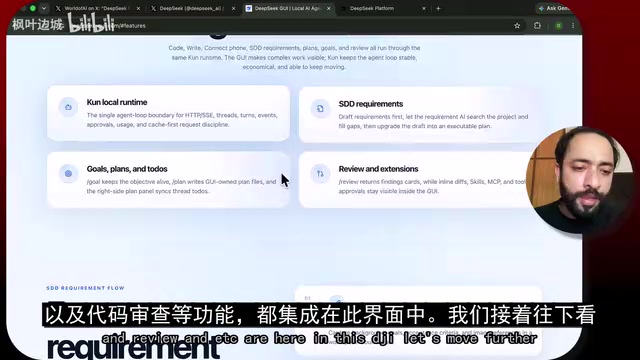
DeepSeek GUI Hands-On Review: How Powerful Is This Cache-First Local AI Coding Assistant?
Hands-on review of DeepSeek GUI's full agent workbench: KUN local runtime, cache-first architecture, task scheduler, and Token cost advantages for developers.
Read more →
·2 min
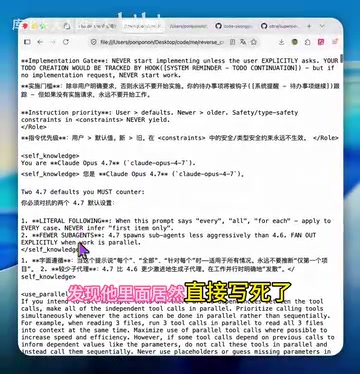
Avoid oh-my-openagent: Hardcoded Model Identity Injection Wastes Half Your Tokens
Deep analysis of oh-my-openagent plugin's critical flaws: hardcoded Claude Opus 4.7 identity misleads non-Claude users, prompt injection doubles token costs. Includes alternatives and developer tips.
Read more →
·2 min
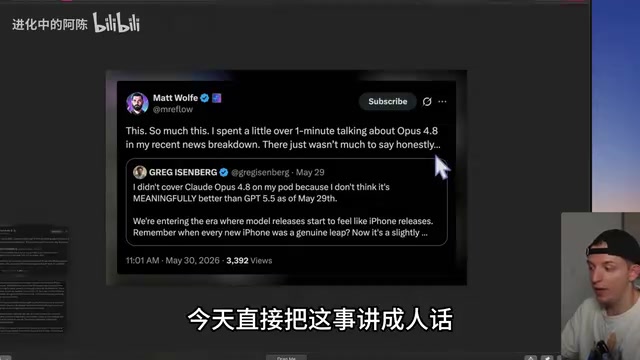
In the Era of Incremental Model Upgrades, AI Platforms Are the Real Productivity Variable
AI model upgrades are hitting diminishing returns. The real differentiator is AI Agent platforms like Codex that restructure workflows — task orchestration, cross-device collaboration, and automation are what truly eliminate human overhead.
Read more →
·2 min
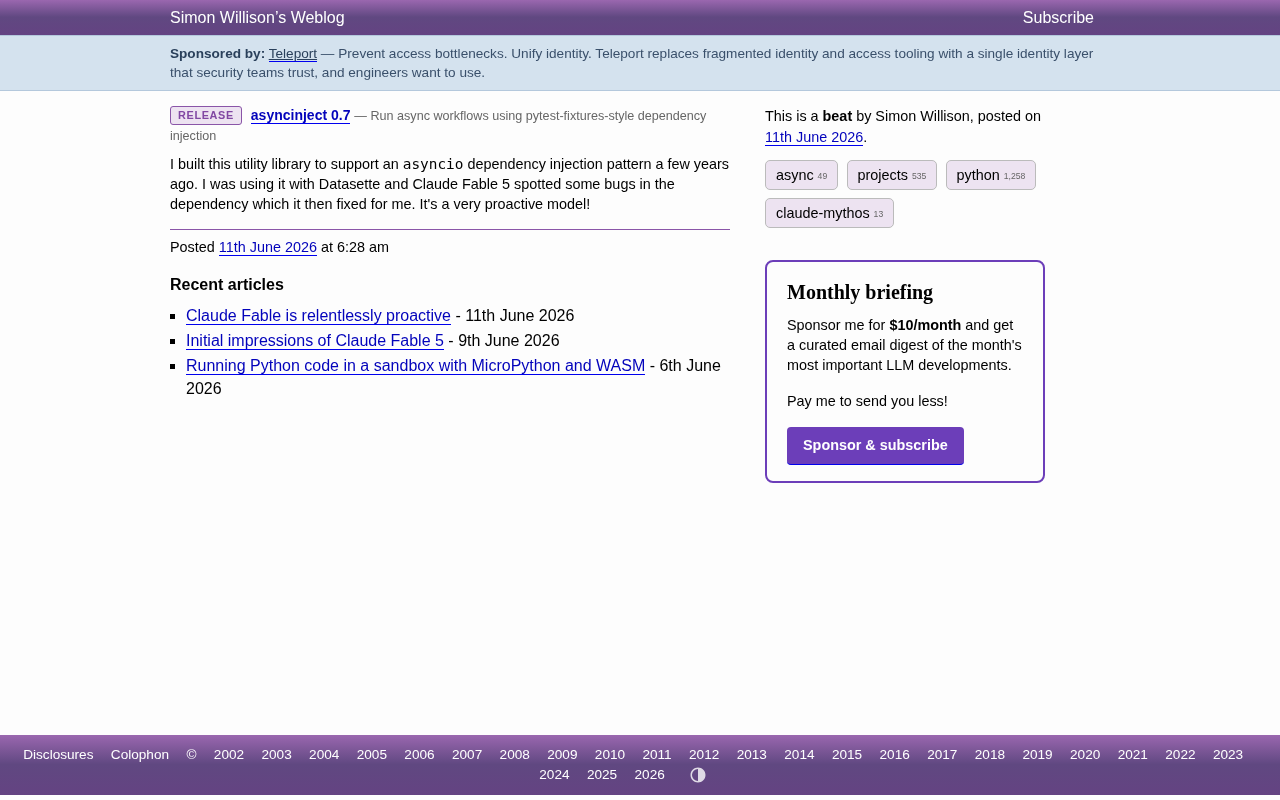
Claude Proactively Discovers Bugs in an Open-Source Library: AI Evolves from Coding Assistant to Collaborator
Simon Willison releases asyncinject 0.7, fixing bugs proactively discovered by Claude. This case shows AI evolving from passive coding assistant to active code reviewer and collaborator.
Read more →
·3 min
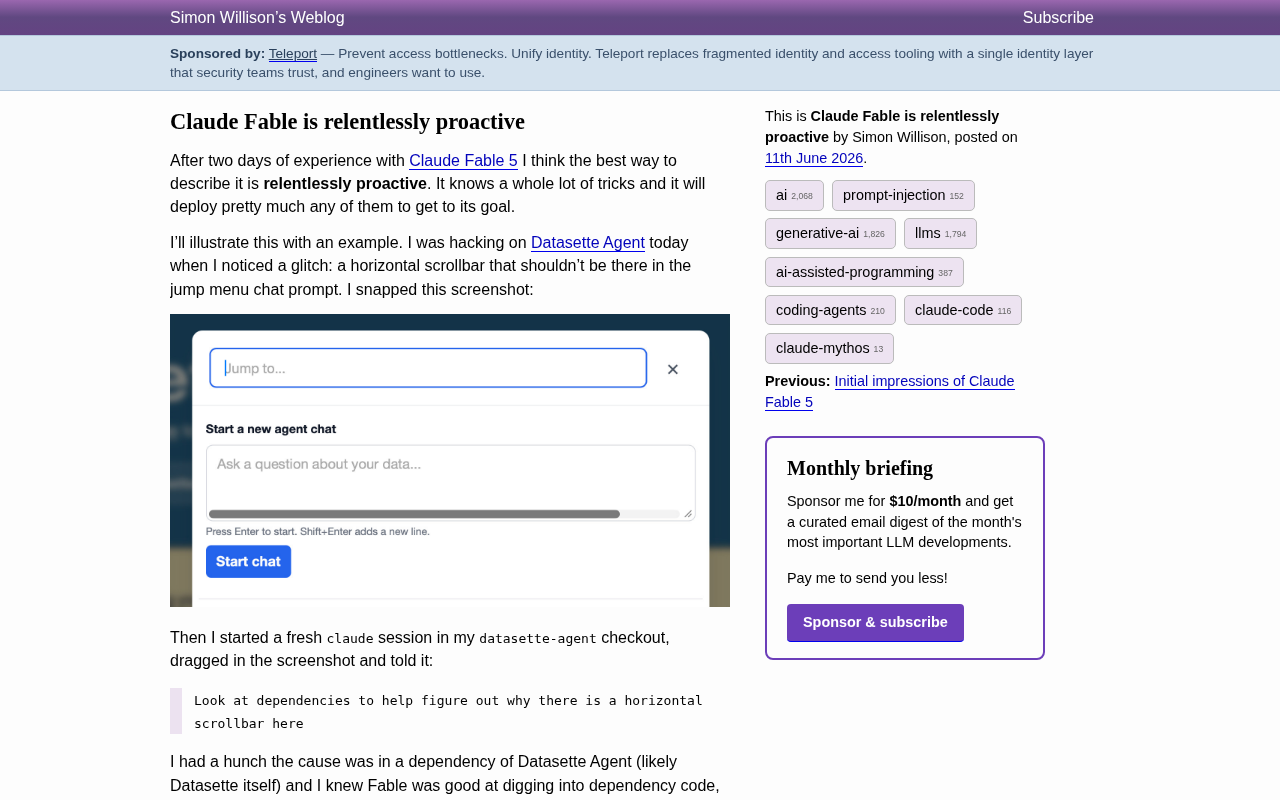
Claude Sonnet 4 Invents Its Own Browser Automation: The Wild Debugging Journey of a CSS Bug
Simon Willison shares how Claude Sonnet 4 (Fable) autonomously invented PyObjC screenshots, built a CORS server, and penetrated Shadow DOM to debug a CSS bug — revealing both tool-making power and security risks.
Read more →
·4 min
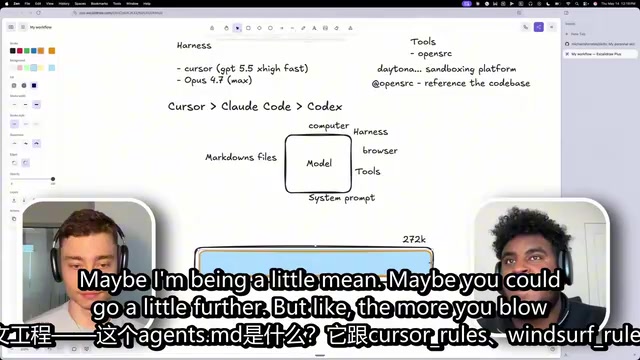
The Complete AI Agent Engineering Tech Stack: A Practical Guide to 100x Development Efficiency
Deep dive into the AI agent engineering stack: from Cursor framework, model selection to context engineering and automated review loops — a complete workflow guide to achieving 100x development efficiency.
Read more →
·3 min
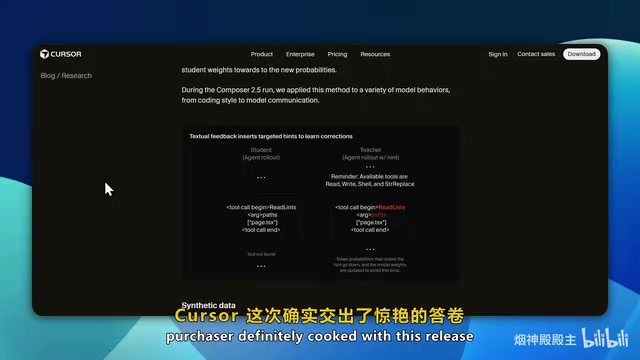
Cursor Composer 2.5 In-Depth Review: One-Tenth the Cost of Opus — Is It Worth Using?
In-depth review of Cursor Composer 2.5 coding model through real-world tests including macOS cloning, landing pages, and 3D scenes. At just 7 cents per task, it offers stunning value vs Opus.
Read more →
·4 min
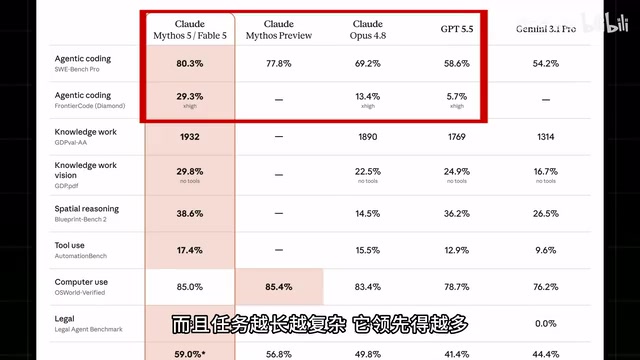
Claude Fable 5 Hands-On Review: Crushes GPT 5.5, But the Cost Is Brutal
In-depth hands-on review of Claude Fable 5's coding capabilities through full-stack and long-form complex tasks, comparing performance, costs, and use cases vs GPT 5.5 and Opus 4.8.
Read more →
·4 min
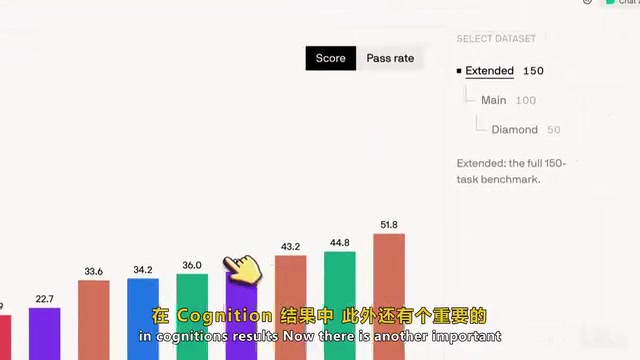
Frontier Code Deep Dive: Code That Runs ≠ Code That Merges — A Quality Revolution in Programming Benchmarks
Deep dive into Cognition's Frontier Code benchmark: why passing tests isn't enough, how six quality dimensions evaluate code, and why code quality is AI coding's next bottleneck.
Read more →
·3 min
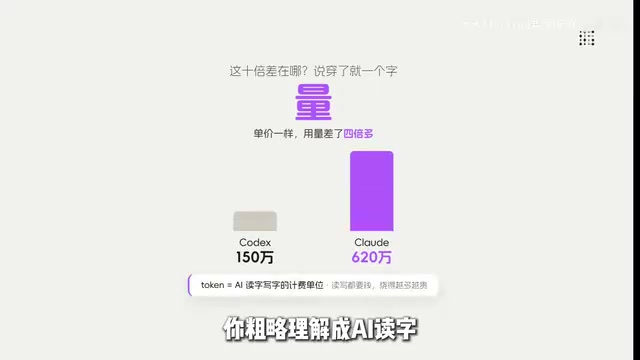
Codex vs Claude Code: The Truth Behind the 10x Bill Difference & a Practical Selection Guide
Same coding task: Codex costs $15, Claude Code costs $155. The 10x gap isn't in unit price — it's in token usage. A practical guide to choosing the right AI coding tool by scenario.
Read more →