#agent framework
199 related articles

·3 min
AI Agent Learning Roadmap: A Four-Stage Plan from Zero to Hands-On
A systematic four-stage AI Agent learning roadmap covering LLM API calls, ReAct paradigm, memory mechanisms, and multi-agent collaboration for beginners.
Read more →

·4 min
AI Agent in Practice: Building a Commercial-Grade Programming Agent from Scratch
A deep dive into AI Agent development, from the core principles of perception-decision-action to a Vue3 auto-creation demo, covering LangChain, LangGraph, MCP, and the full tech stack.
Read more →
·3 min
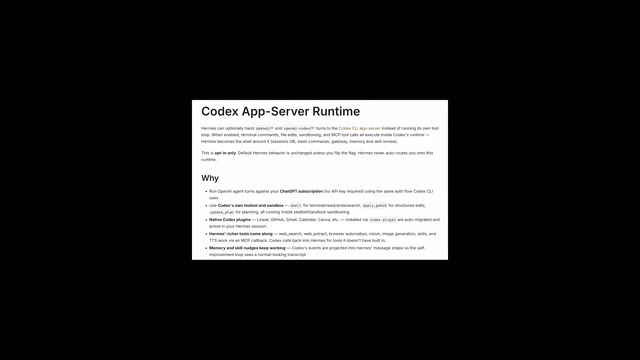
Hermes Overhaul in Practice: Building a Multi-Model Orchestration Master Agent System
How to transform the Hermes Agent framework into a unified orchestration hub with intelligent routing across Claude, Gemini, and Codex, featuring inter-Agent communication, task monitoring, and more.
Read more →
·3 min
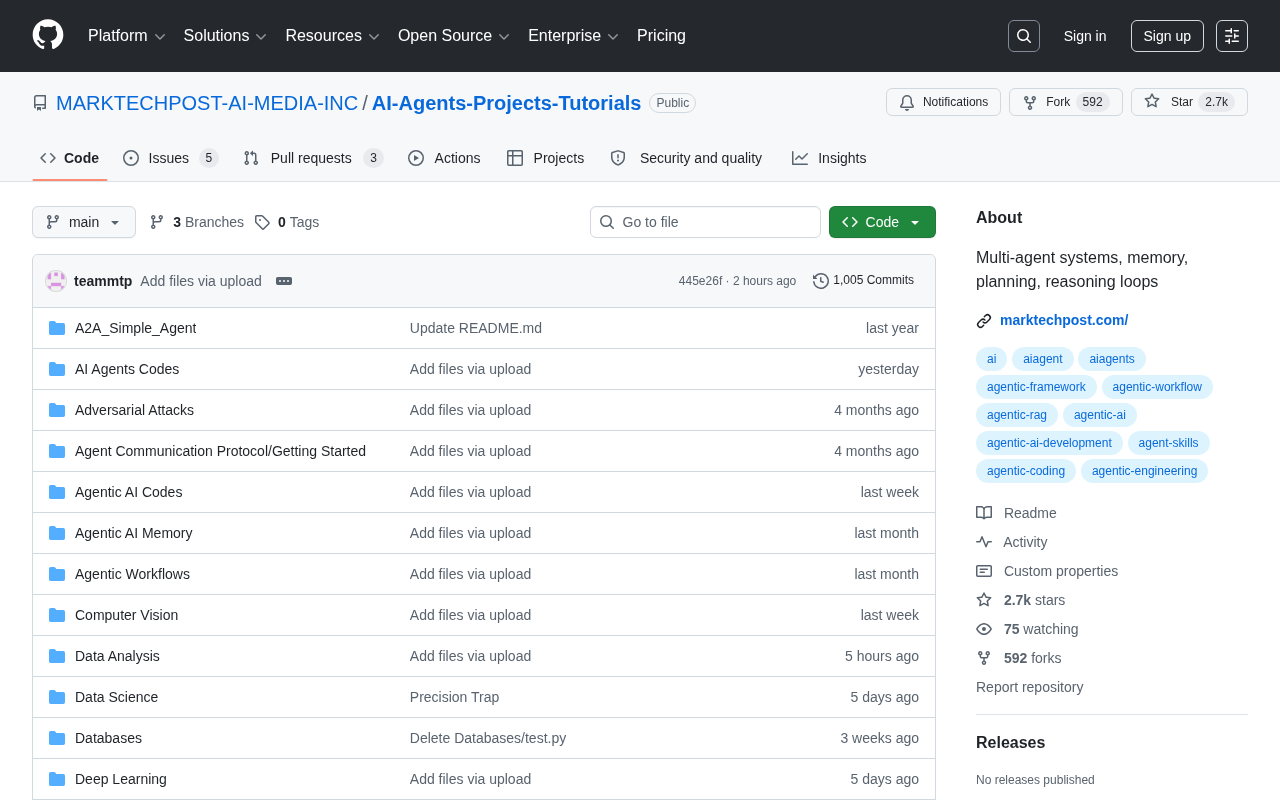
AI Agent Tutorial Collection: Complete Coverage of Multi-Agent, Memory, and Reasoning
Open-source AI Agent tutorial project with 2600+ GitHub Stars covering multi-agent systems, memory, planning, and reasoning loops via Jupyter Notebooks for hands-on learning.
Read more →

·3 min
Hermes Agent Deep Dive: A Self-Evolving Agent Architecture with Practical Implementation Guide
Deep dive into Hermes Agent's core architecture: four-layer memory system, Skill self-evolution mechanism, Harness Engineering methodology, OpenCloud comparison, and Feishu integration tutorial.
Read more →
·3 min
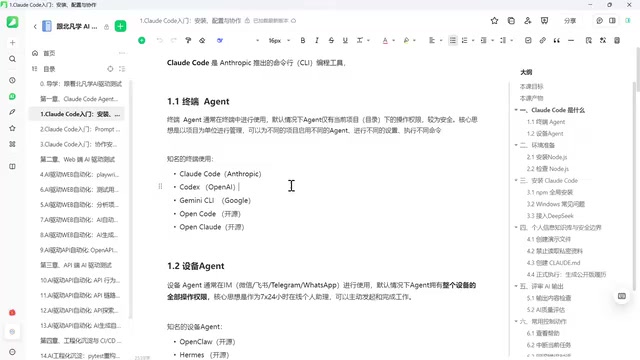
What Is Claude Code? A Guide to Choosing Between Terminal Agents and Device Agents
Explore Claude Code's core strengths and two major AI Agent categories. Compare Terminal Agents vs Device Agents, learn why Claude Code leads enterprise AI coding, and how to pair it with DeepSeek.
Read more →
·3 min
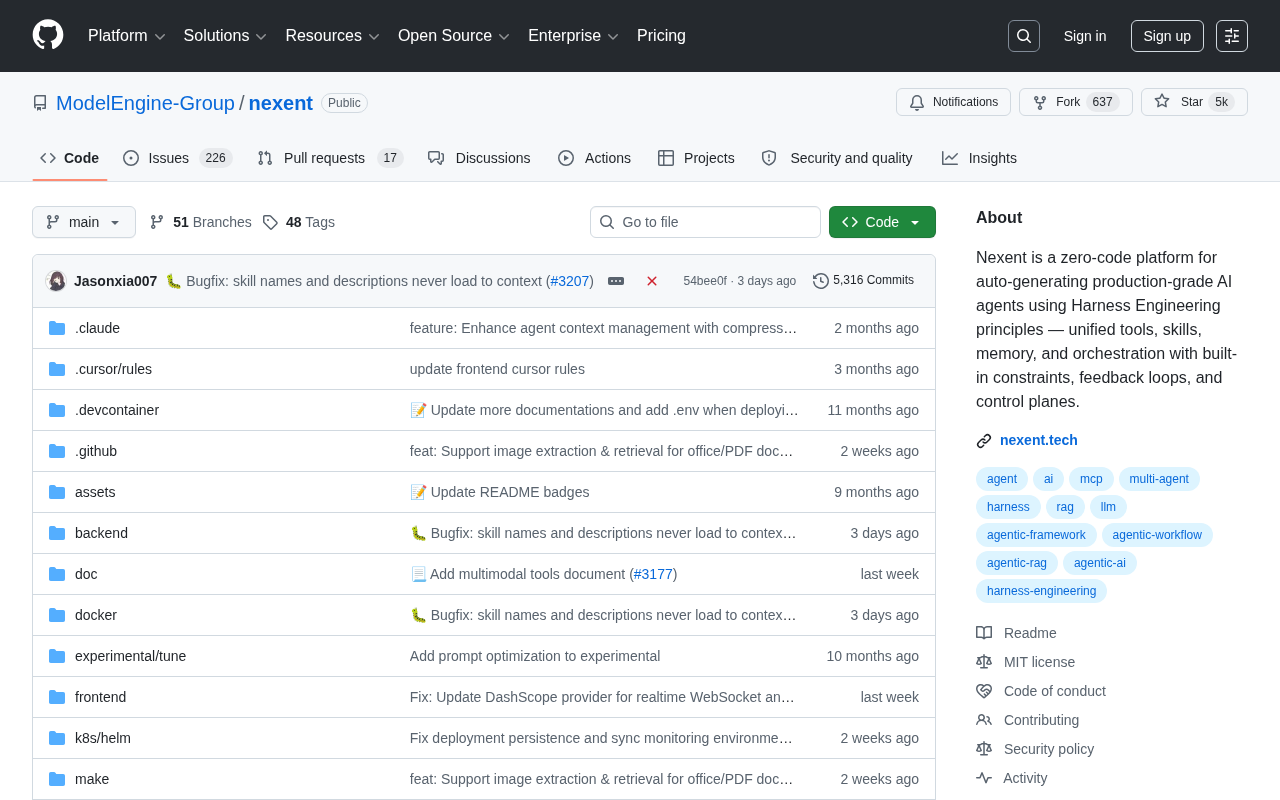
Nexent Open-Source Platform: Zero-Code Auto-Generation of Production-Grade AI Agents
Deep dive into Nexent's open-source platform for zero-code production-grade AI Agent generation, covering Harness Engineering, built-in controls, use cases, and comparisons with AutoGen and CrewAI.
Read more →
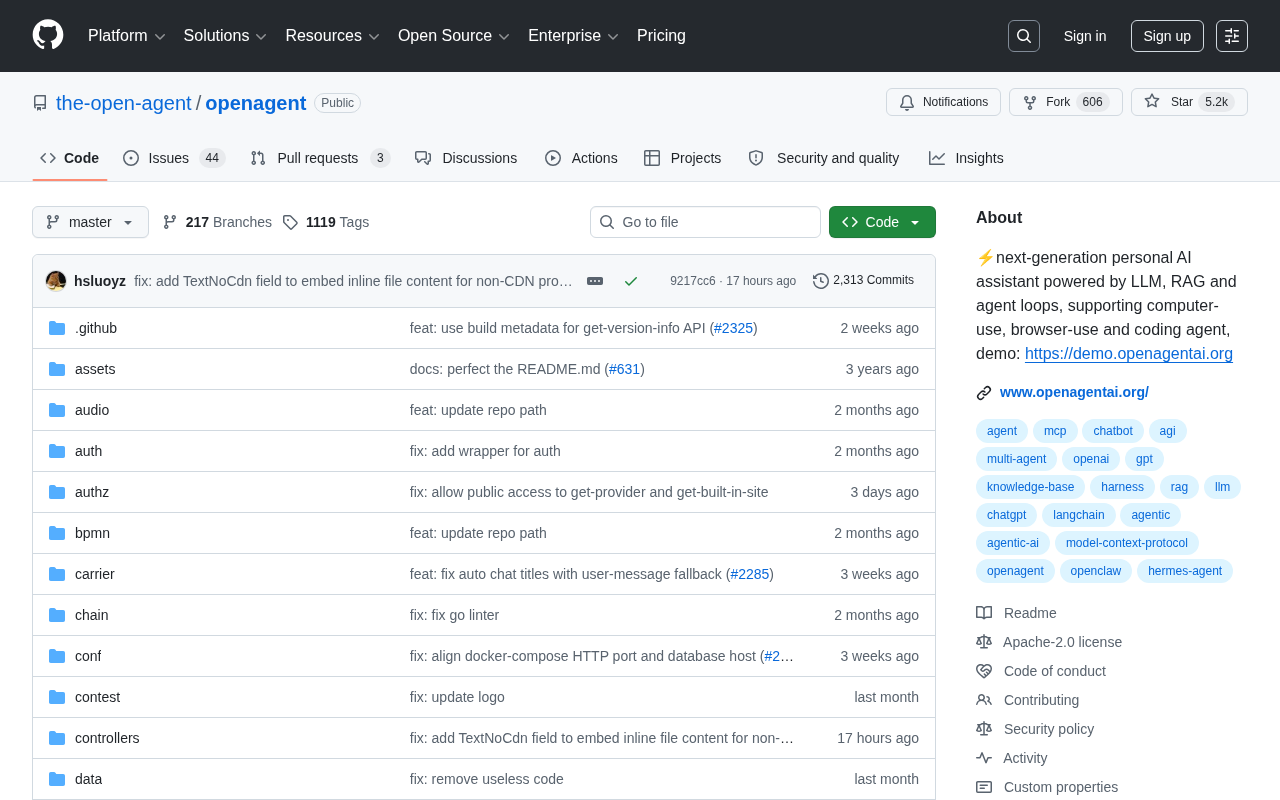
·1 min
OpenAgent: A Deep Dive into the Open-Source AI Personal Assistant Built on LLM + RAG
Deep dive into OpenAgent, an open-source AI assistant featuring Computer Use, Browser Use, and Coding Agent capabilities, built on LLM + RAG + Agent Loops.
Read more →
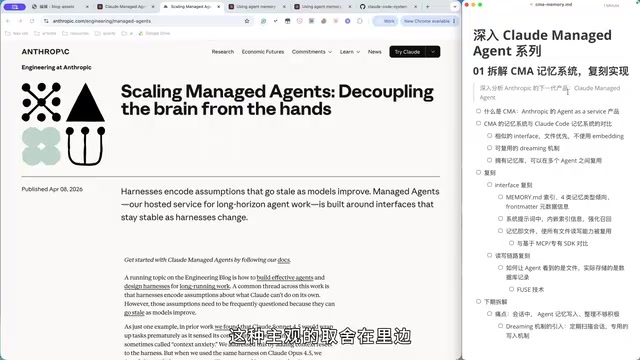
·3 min
Deep Dive into Claude Cloud Agent Memory System Architecture: CMA Design Philosophy and Technical Choices
Deep analysis of Anthropic's Cloud Managed Agents memory architecture, covering file-first strategy, memory store reuse, Dreaming async consolidation, and key differences from Claude Code's memory system.
Read more →
·2 min
Hermes Agent Local Deployment Guide: An AI Assistant Framework with Built-in Coding Capabilities and Self-Evolution
A detailed guide to deploying Hermes Agent locally, covering built-in Cloud Code capabilities, self-evolving Skill generation, low token usage, multi-platform support, and WeChat remote control.
Read more →

·2 min
Getting Started with Trae Solo: Why It's the Best Entry Point for AI Agents
A detailed guide to Trae Solo as the best AI Agent starter tool: free, zero setup, ByteDance ecosystem, and local file access. Includes usage tips and AI tool selection methodology.
Read more →
·3 min
Android Skills Explained: An Open-Standard Instruction Set System for AI
Deep dive into Google's Android Skills open standard: how this AI instruction set uses structured Markdown files to solve LLM training data lag, covering XML-to-Compose migration, Navigation 3, and custom authoring best practices.
Read more →
·2 min
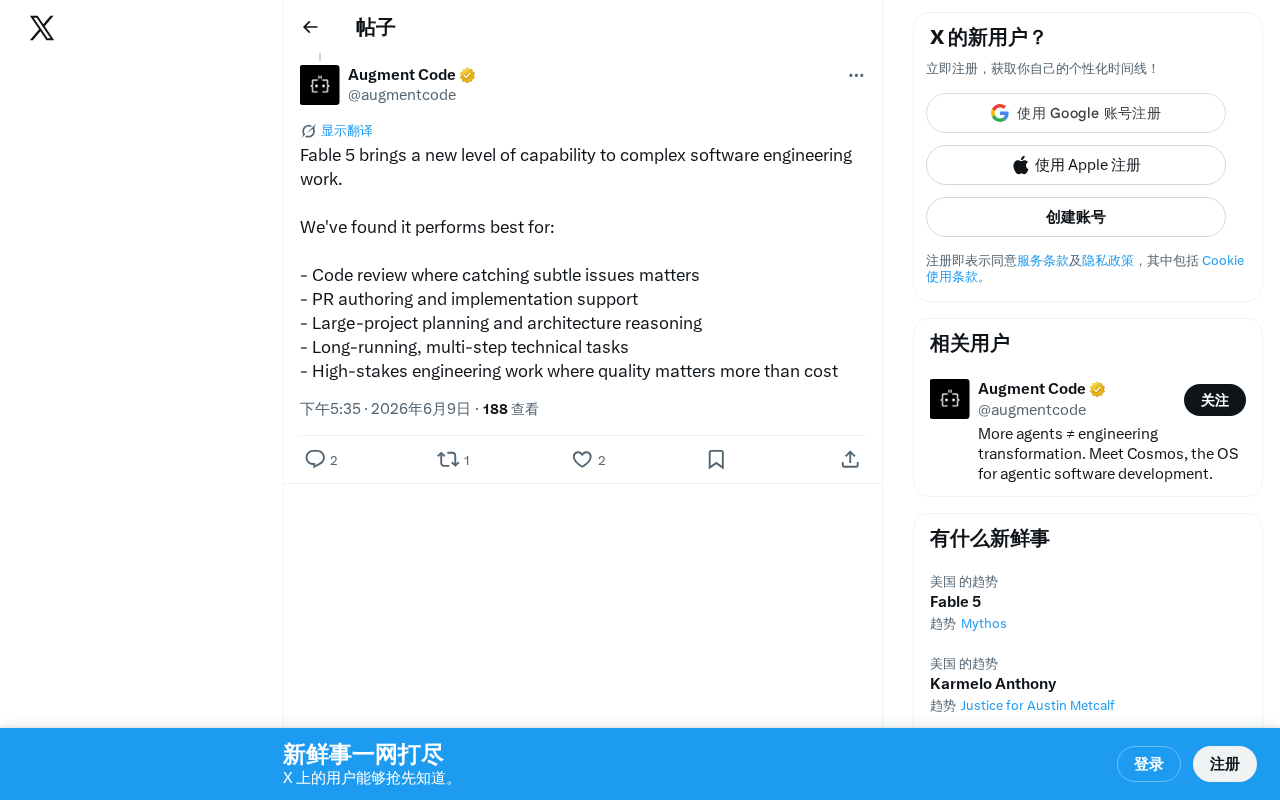
Fable 5 Released: An AI Coding Tool Built for Complex Software Engineering
Fable 5 officially launches, targeting high-complexity software engineering with five core capabilities: code review, architectural reasoning, large-scale project planning, multi-step task orchestration, and high-stakes engineering support.
Read more →
·2 min
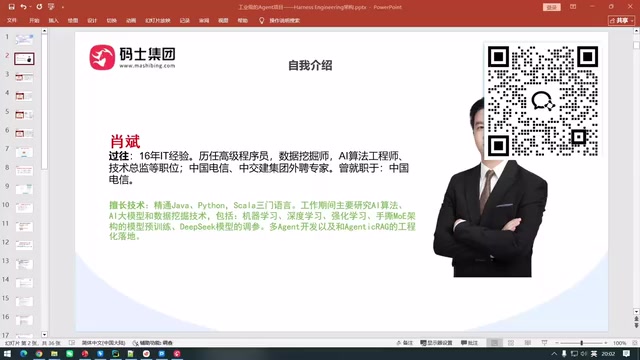
Chaos in the AI Training Industry: A Deep Dive into Clickbait and the Instructor Shortage Crisis
An AI training instructor's candid self-disclosure reveals clickbait practices, instructor shortages, and traffic anxiety in China's booming AI training industry, with tips for learners.
Read more →
·2 min
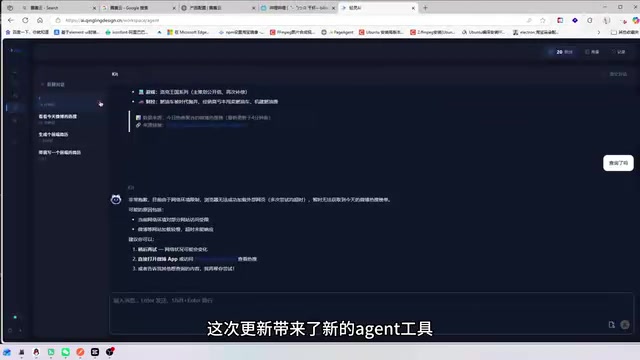
Integrating AI Agents into Project Management Tools: A Practical Upgrade from Chat Assistant to Task Execution
A developer upgraded their project management tool's AI from a simple chatbot to an intelligent Agent capable of data queries, document generation, and automated task execution using Function Calling.
Read more →
·3 min
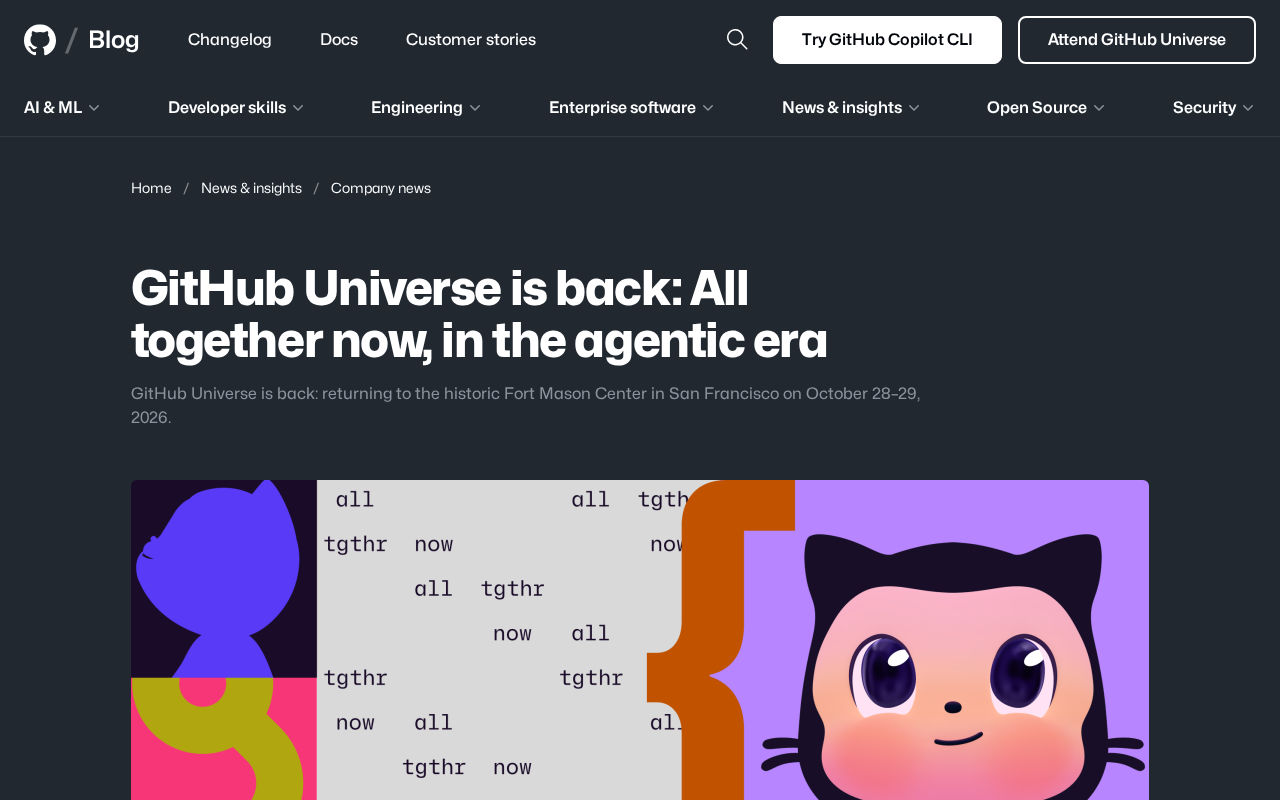
GitHub Universe 2026 Returns: Officially Entering the AI Agent Era
GitHub Universe returns Oct 28-29, 2026 at Fort Mason Center, San Francisco, themed around the Agentic Era. From Copilot to AI Agents, GitHub leads software development into autonomous intelligence.
Read more →
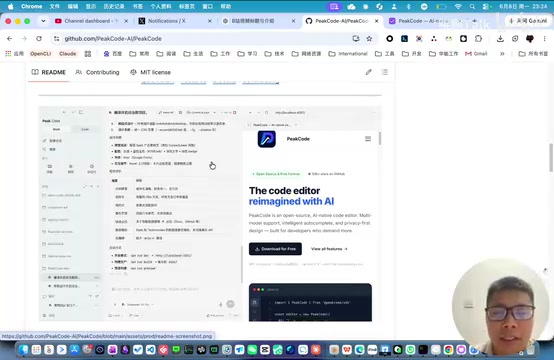
·4 min
PeakCode Open-Source AI Coding Tool: An All-in-One Solution Combining Claude Code and Codex
PeakCode is an open-source AI coding tool combining Claude Code's engineering power with Codex's UX, featuring Web/desktop modes, plugins, Git integration, and automated Agent capabilities.
Read more →
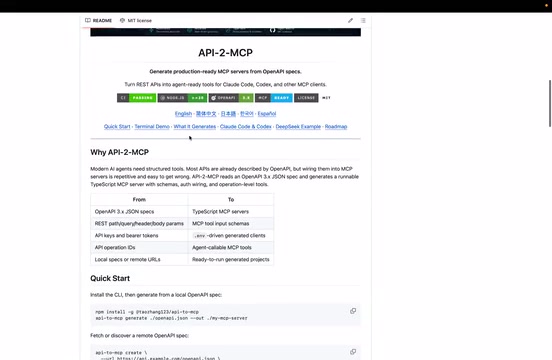
·2 min
API to MCP Tool in One Click: Let AI Agents Easily Call Any API
Learn how the open-source API to MCP tool converts any REST API into an MCP Server with one command, enabling Claude Code and Codex agents to call third-party APIs directly.
Read more →

·3 min
Fixing Tool Confusion: A Practical Method to Make DeepSeek v4 Outperform Opus
Deep dive into DeepSeek v4's Tool Confusion problem and its deterministic fix. Repair Logic dramatically improves open-source model tool call accuracy, outperforming Claude Opus 4.7 in practice.
Read more →
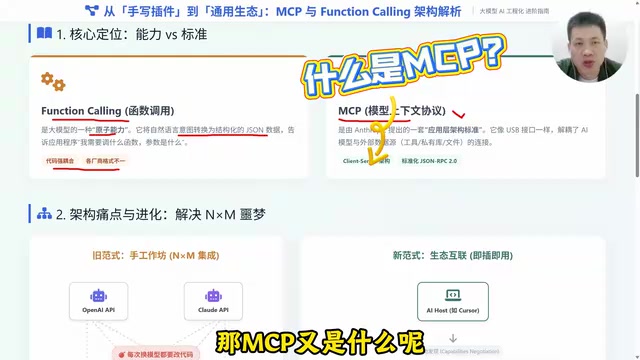
·4 min
MCP vs Function Calling: Core Differences and Selection Guide
Deep dive into 3 core differences between MCP and Function Calling: coupling, interaction breadth, and security. Learn why AI needs a unified protocol and how to choose the right approach.
Read more →