#software development
379 related articles
·2 min
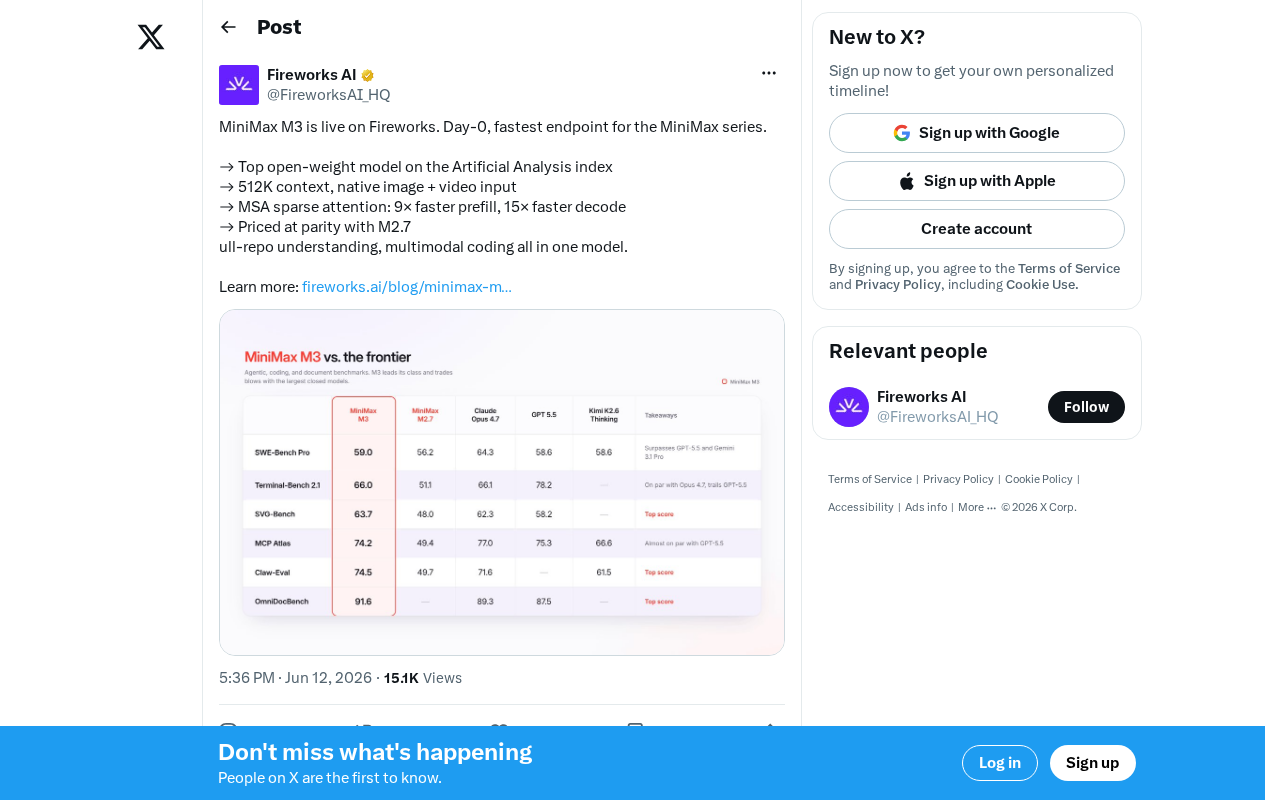
MiniMax M3 Launches on Fireworks: 512K Context and MSA Sparse Attention Explained
MiniMax M3 launches on Fireworks with 512K context and multimodal input. MSA sparse attention delivers 9x prefill and 15x decode speedups. Deep dive into architecture, pricing, and open-model competition.
Read more →
·2 min
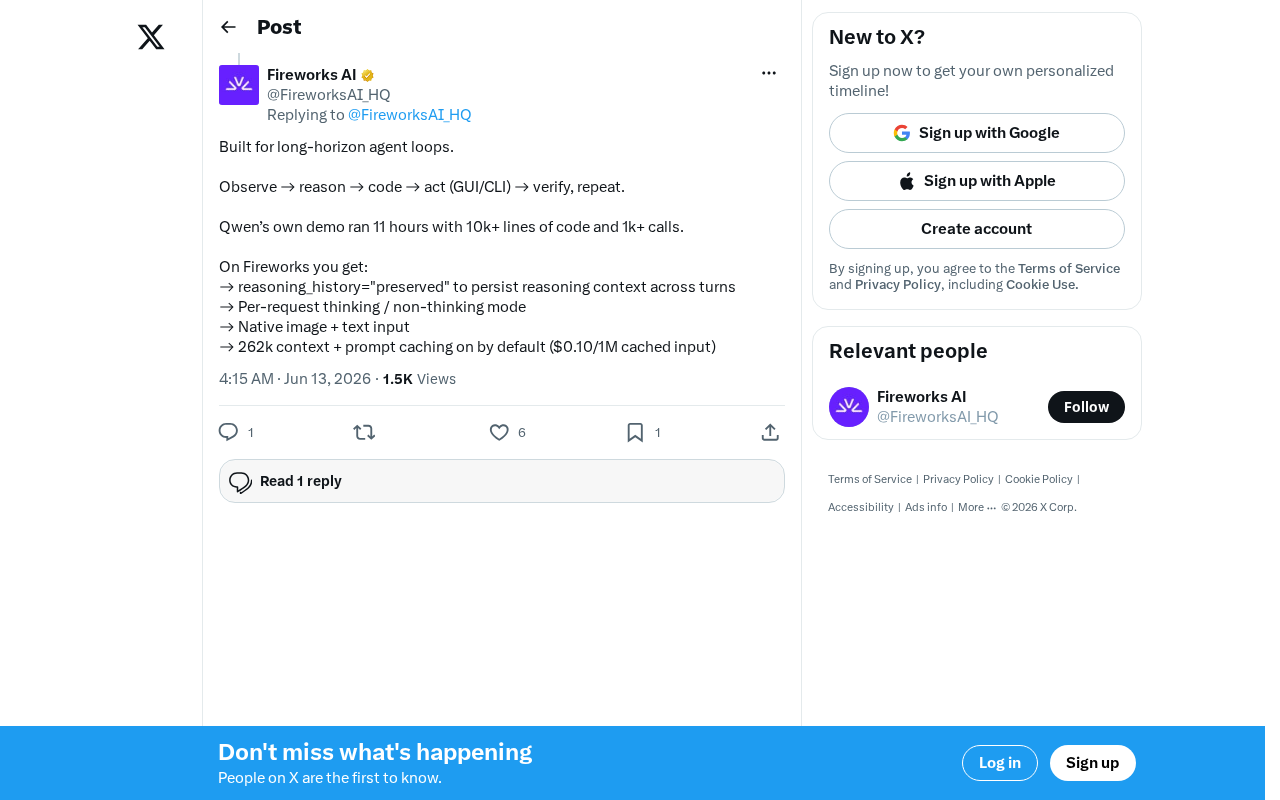
Qwen3-Coder Deep Dive: A Coding Model Built for Long-Horizon Agent Loops
Deep dive into Qwen3-Coder: 11 hours continuous operation, 10K+ lines of code, 1000+ calls. Explore its long-horizon agent loop architecture, reasoning persistence, thinking mode switching, and deployment on Fireworks.
Read more →

·2 min
ROS2 Beginner's Guide: Version Selection, Environment Setup & Career Prospects
Complete ROS2 beginner's guide covering core concepts, version selection, Ubuntu VM environment setup, and robotics developer career prospects and salaries.
Read more →
·2 min
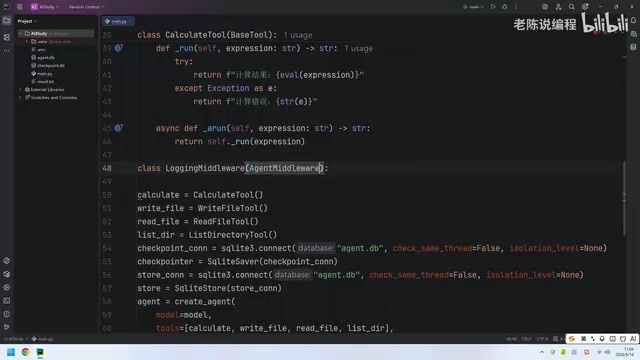
Agent Middleware: Adding Interceptors to Model Calls
Learn how AI Agent middleware works through two practical examples — logging and security checks. Master the Observer and Guardian design patterns to build extensible, production-grade Agents.
Read more →
·3 min
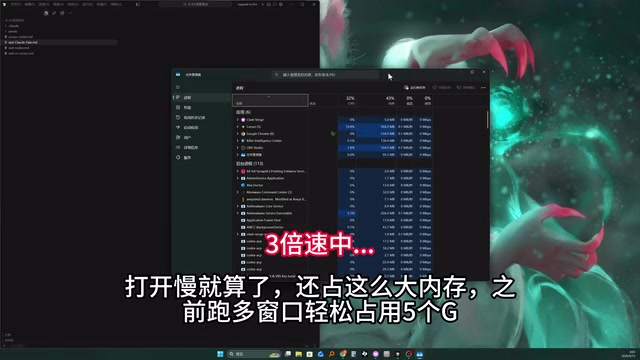
Zed Editor Hands-On: 6x Faster Startup — A Lightweight Alternative for AI Coding on Older Hardware
Real-world comparison of Zed vs Cursor: startup speed, memory usage, and AI coding experience. Built in Rust, Zed launches in 3 seconds with minimal RAM usage — ideal for developers with limited hardware.
Read more →

·3 min
AI Agent Hands-On Learning Path: A Complete Guide from Beginner to Enterprise-Level Development
A systematic AI Agent development learning roadmap covering prompt engineering, RAG, multi-Agent collaboration, tool calling, and more—with phased learning advice and 28 hands-on project references.
Read more →

·3 min
Codex CLI vs. Desktop App: Choosing the Right Dev Mode by Task Type
In-depth comparison of Codex CLI vs. desktop app capabilities, analyzing the best choice for large projects, multi-file refactoring, quick bug fixes, and more.
Read more →

·3 min
How Preply Is Redefining Language Learning with AI + Human Tutors
Deep dive into how Preply combines AI features like Lesson Insights with 100K human tutors to achieve 70%+ adoption rates, redefining personalized language learning.
Read more →
·3 min
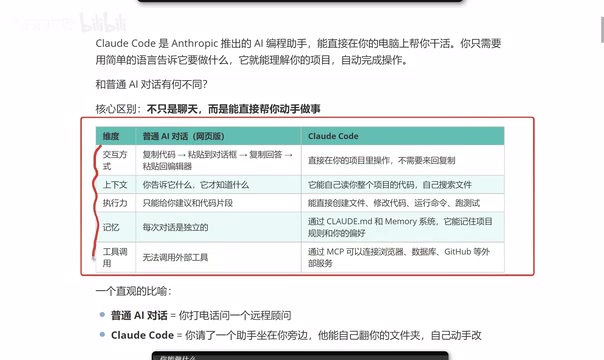
Claude Code vs Traditional AI Chat: An In-Depth Comparison Across Five Key Dimensions
Compare Claude Code and traditional AI chat tools like ChatGPT across five dimensions: interaction, context, execution, memory, and tool integration.
Read more →

·2 min
How Nextdoor's Engineering Team Uses Codex to Enable Single-Engineer Full-Stack Delivery
Nextdoor's engineering lead shares how OpenAI Codex is reshaping development for their 105M-user platform: single-engineer full-stack delivery, solving tough technical problems, and deep cultural integration.
Read more →
·2 min
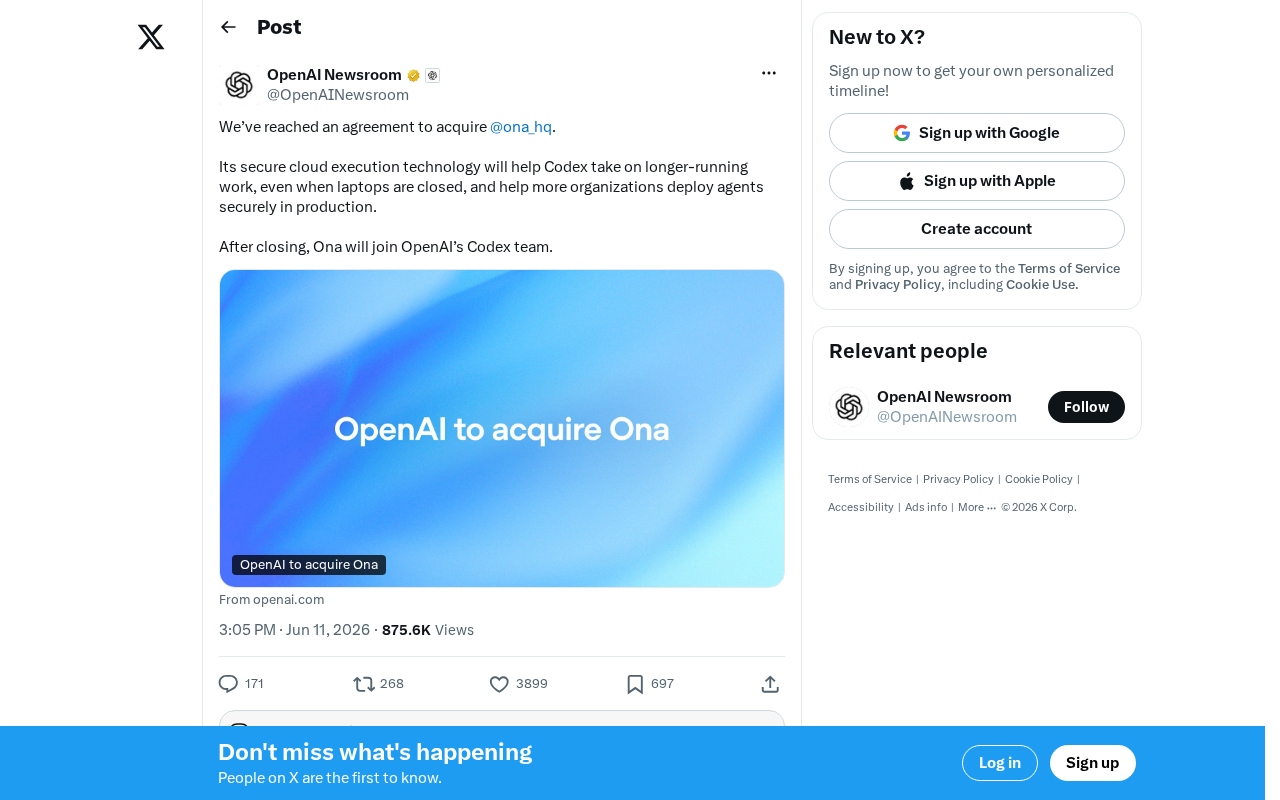
OpenAI Acquires Ona: Codex Enters a New Era of Cloud-Based Asynchronous Execution
OpenAI acquires Ona to integrate secure cloud execution into Codex, enabling AI coding agents to run long background tasks. Analysis of the deal's technical impact and the async AI agent trend.
Read more →
·2 min
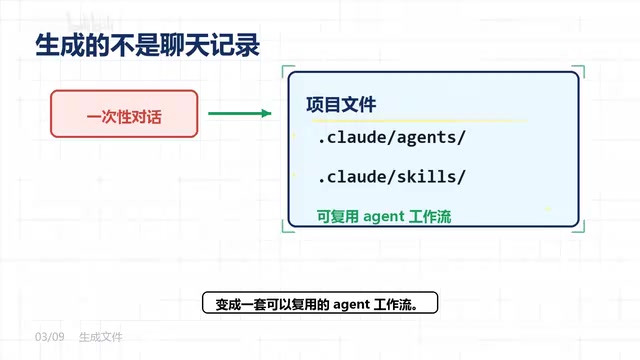
Harness: An Open-Source Framework That Generates Multi-Agent Teams from a Single Sentence
Harness is a 4.6K-star open-source multi-Agent framework that auto-generates AI teams from a single sentence, with six built-in collaboration architectures.
Read more →
·4 min
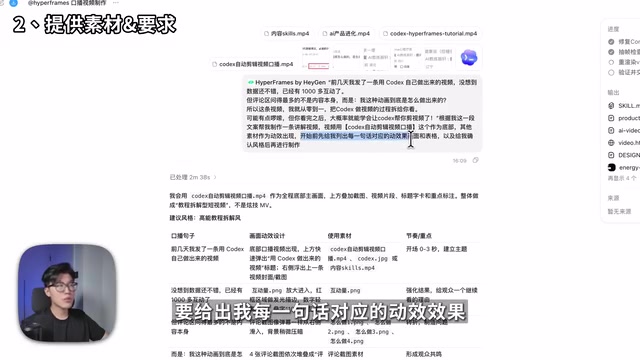
Auto-Editing Videos with Codex: A Complete Step-by-Step Workflow from Zero to One
Complete breakdown of using OpenAI Codex with HyperFrance plugin to auto-edit videos, covering plugin setup, prompts, storyboarding, style selection, 5 iterations, and Skills documentation.
Read more →
·4 min
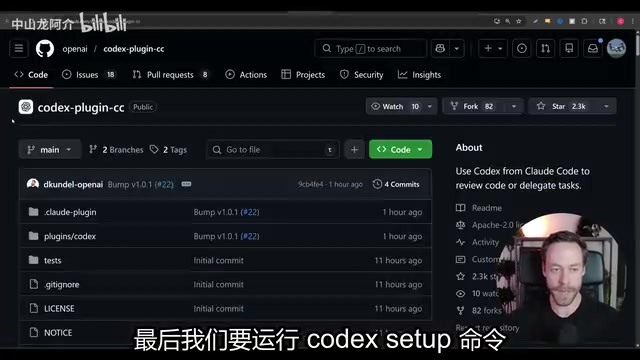
Claude Code Codex Plugin Integration: A Practical Guide to Dual-AI Adversarial Review for Better Code Quality
Learn how to install and configure the Codex plugin in Claude Code, leveraging dual-AI adversarial review to uncover code vulnerabilities across seven attack surfaces.
Read more →
·2 min
Struggling to Deploy AI Agents? Engineering Is the Key to Going from Demo to Product
57% of projects have deployed AI Agents, but 40% will be killed. This article analyzes the engineering methodology for taking AI Agents from Demo to enterprise product, covering the full process from requirements to deployment.
Read more →

·3 min
Vibe Coding Beginner's Guide: A Complete Roadmap to Building Software with AI — No Coding Experience Required
Vibe Coding lets anyone build software using plain language instructions with AI. Learn what it is, when to use it, which tools to pick, and how to get started.
Read more →

·3 min
Beginner's Guide to Vibe Coding: Turn Ideas into Products with AI — No Coding Experience Required
Vibe Coding lets anyone build software products through natural language conversations with AI — no programming skills required. Learn the concept, top tools (Cursor, Claude Code, Codex), and how to get started.
Read more →
·2 min
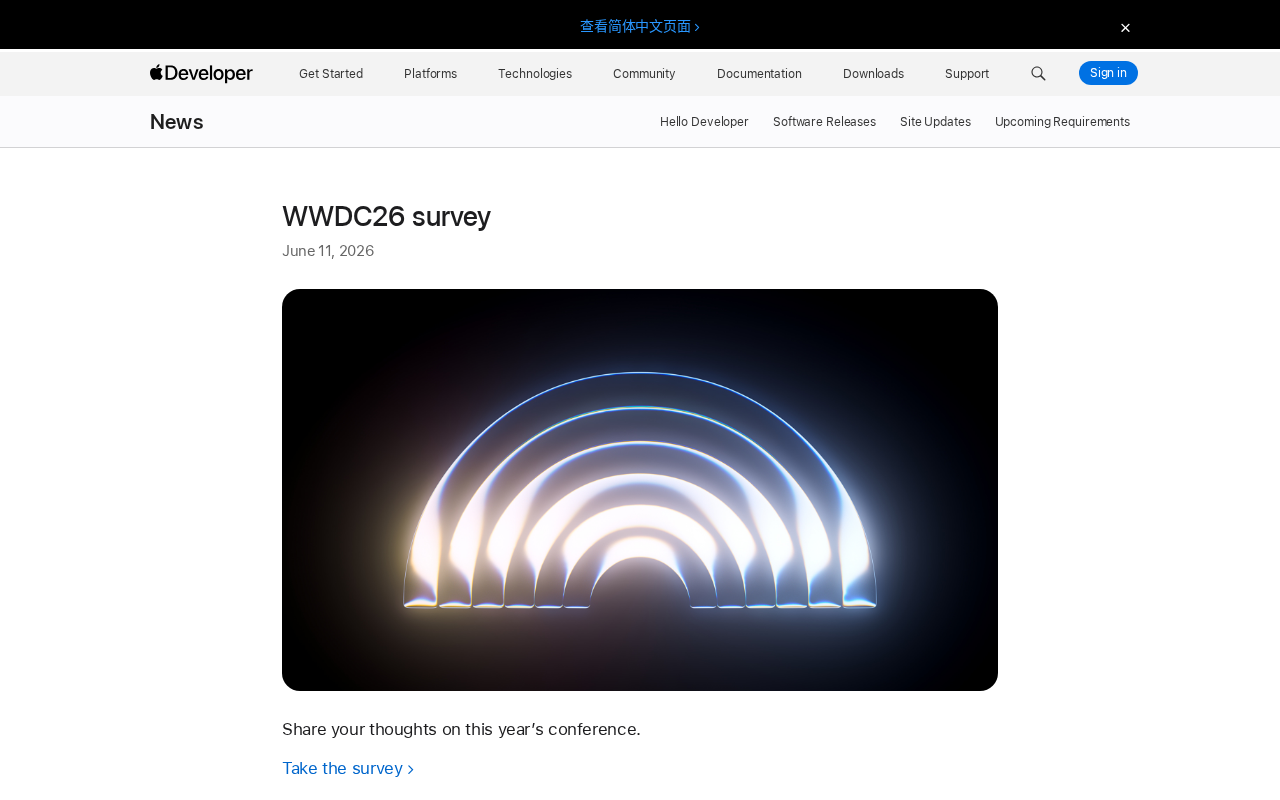
Apple Opens WWDC26 Developer Survey: How to Participate and Share Your Feedback
Apple has opened the WWDC26 developer survey, inviting global developers to share feedback. Learn about the survey's background, this year's AI highlights, and how to participate.
Read more →
·3 min
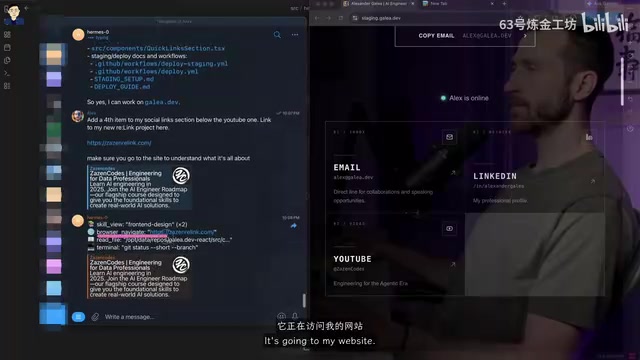
Hermes Agent Deployment Guide: Building a Mobile AI Coding Workflow with Telegram
Learn how to deploy Hermes Agent on a VPS with Telegram Bot integration for mobile AI coding. Covers Docker setup, GitHub integration, auto-deployment, and comparison with OpenClaw.
Read more →
·3 min
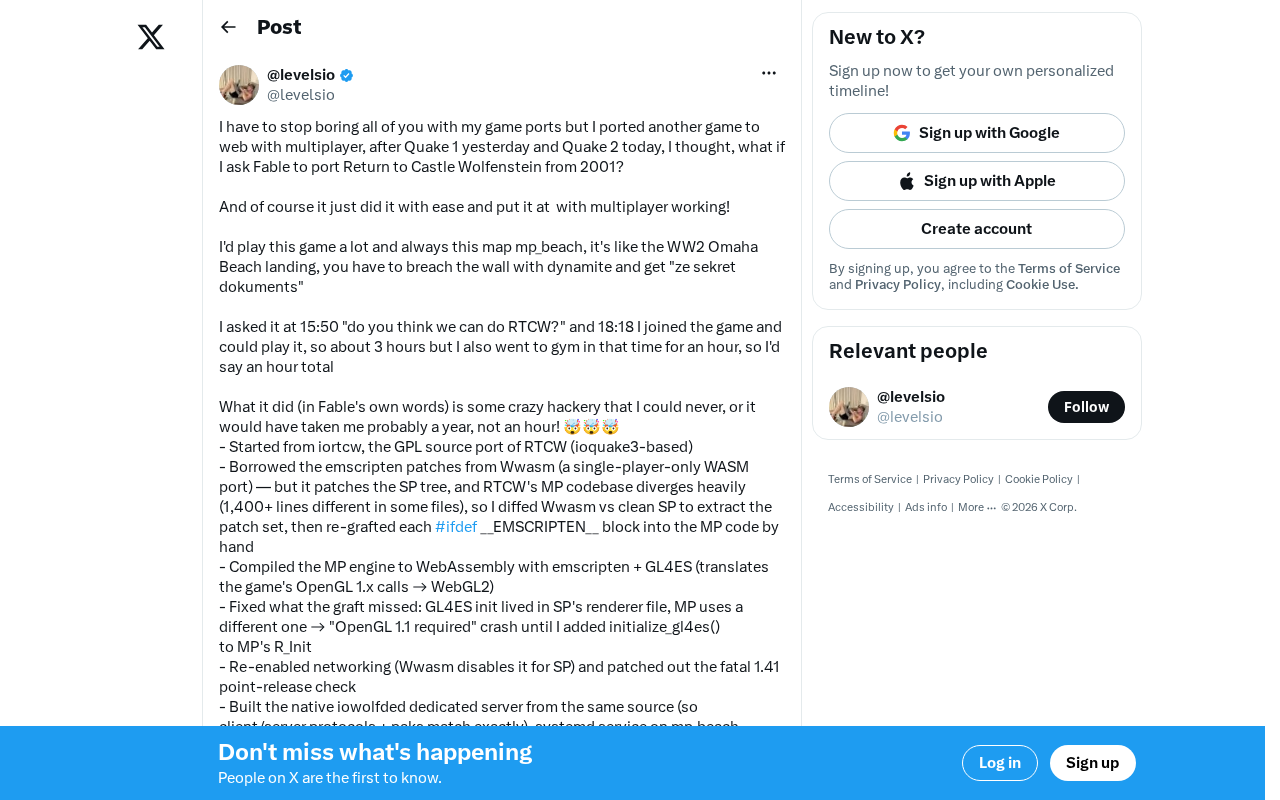
AI Tool Fable Ports Classic FPS to Browser in Two Hours — With Full Multiplayer
A developer used AI coding tool Fable to port Return to Castle Wolfenstein to the web browser in just two hours with full multiplayer, revealing AI's power in system-level engineering.
Read more →