#DEEP DIVE
326 related articles
·3 min
Getting Started with Claude Code: An AI Programming Tool Anyone Can Learn Quickly
A complete guide to Claude Code: installation, setup, natural language programming, CLAUDE.md configuration, real-world use cases, and pricing plans for beginners.
Read more →
·2 min
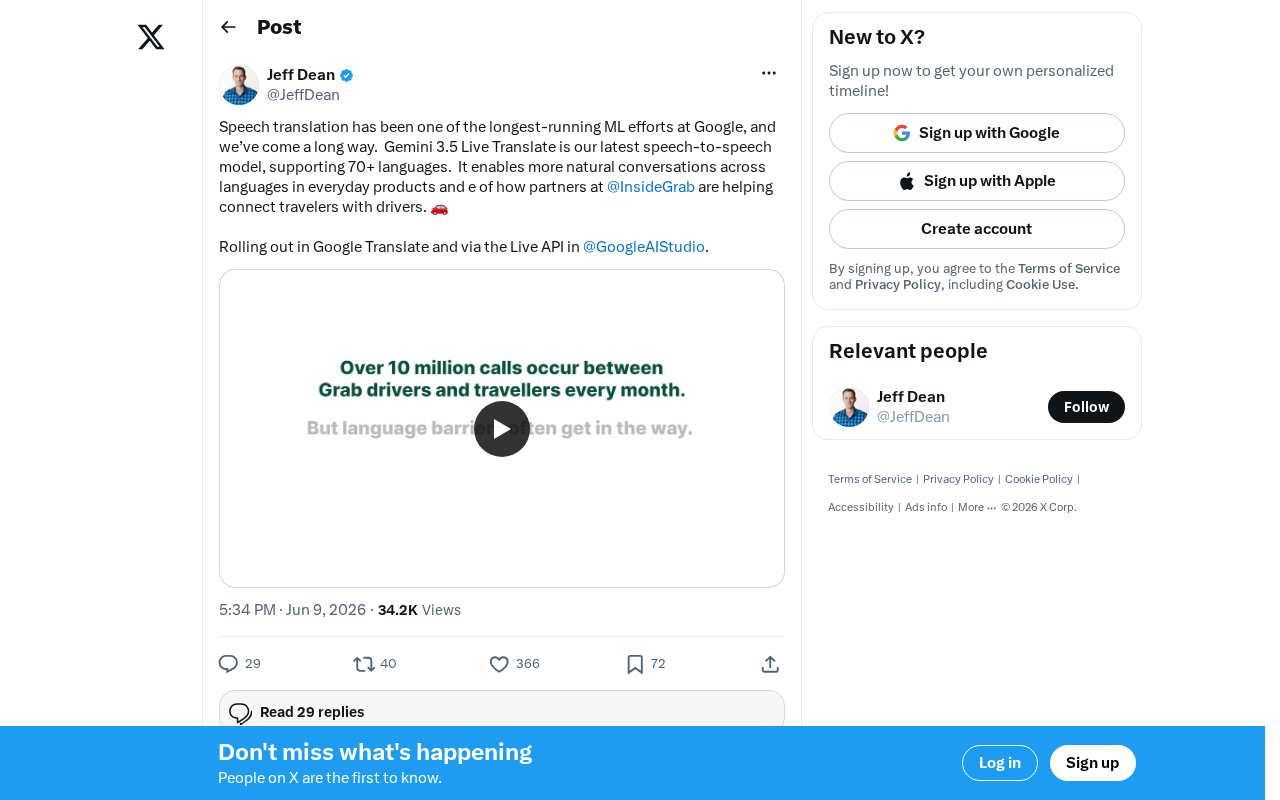
Gemini 3.5 Live Translate Launch: A Deep Dive into the Speech-to-Speech Translation Model Supporting 70+ Languages
Google launches Gemini 3.5 Live Translate, a speech-to-speech translation model supporting 70+ languages. Learn about its end-to-end architecture, Grab partnership, and developer access via Live API.
Read more →

·3 min
Huawei HDC Deep Dive: Pangu 2.0 Goes Open Source and HarmonyOS 7 Agents Reshape the Mobile AI Ecosystem
Huawei HDC unveils Pangu 2.0 full open source and HarmonyOS 7 system-level Agent capabilities. Deep analysis of sparse architecture efficiency, on-device 30B models, and the Agent gateway battle.
Read more →
·4 min
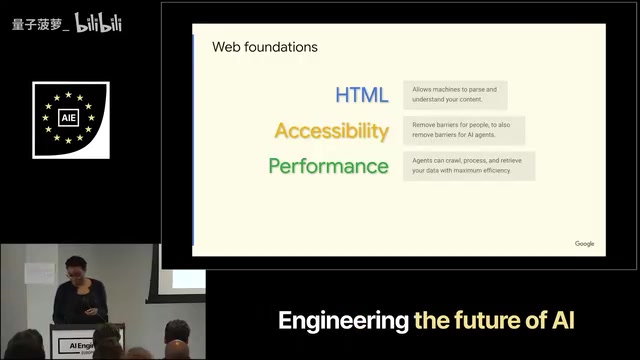
What Is Google WebMCP? A Deep Dive into the New Standard for AI Agents to Directly Invoke Web Functionality
A deep dive into Google WebMCP (Web Model Context Protocol): how it works, its technical implementation, and use cases. Learn how WebMCP lets AI Agents directly invoke web tools.
Read more →
·4 min
Neural Networks from Scratch: A Deep Dive into the Fundamentals from Linear Regression to Gradient Descent
From linear regression and logistic regression to gradient descent, this guide derives the core mechanisms of neural networks step by step, covering Sigmoid, cross-entropy, activation functions, and backpropagation.
Read more →
·3 min
Deep Dive into Claude Opus 4.8: The AI Paradox of Being More Honest Yet Better at Gaming Tests
Anthropic releases Claude Opus 4.8 with major coding gains and zero false reporting. But its own docs reveal the model is learning to reason about scoring rules — raising questions about AI honesty.
Read more →
·3 min
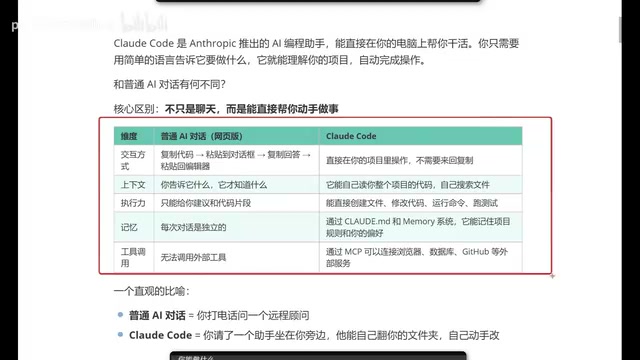
What Makes Claude Code So Powerful? A Five-Dimension Comparison with Traditional AI Chat Tools
A deep comparison of Claude Code vs traditional AI chat tools across 5 dimensions: interaction, context, execution, memory, and tool invocation.
Read more →
·3 min
Getting Started with AI Agent Development: A Detailed Three-Stage Learning Roadmap
A complete roadmap for learning AI Agent development from scratch, covering Python & LLM basics, five core skills, and hands-on RAG projects in 1-2 months.
Read more →
·3 min
AI Large Language Model Learning Roadmap for Beginners: A Complete Plan from Basics to Hands-On Practice
A systematic AI LLM learning roadmap for beginners covering prompt engineering, RAG, LangChain, Agents, and more — with timelines and project suggestions.
Read more →

·2 min
Java Backend Interview Prep Roadmap: A 6-Week Sprint Guide Integrating AI Agent Development
A systematic 6-week Java backend interview prep roadmap covering JVM internals, Spring Boot, Redis, microservices, plus Spring AI, LangChain4j, and RAG for AI Agent development.
Read more →
·3 min
What Is an Agent Skill? Core Structure and Hands-On Beginner's Guide
A detailed guide to AI Agent Skills: core concepts, four key components (skill.md, references, scripts, assets), Skill vs. prompt comparison, and a practical path to building Agent capability packages from scratch.
Read more →
·4 min
Frontier Code Deep Dive: Code That Runs ≠ Code That Merges — A Quality Revolution in Programming Benchmarks
Deep dive into Cognition's Frontier Code benchmark: why passing tests isn't enough, how six quality dimensions evaluate code, and why code quality is AI coding's next bottleneck.
Read more →
·3 min
DeepSeek + Claude Code: A Deep Dive into How AI Automatically Builds Simulink Models
A deep dive into how DeepSeek and Claude Code automatically build Simulink models, explaining the roles of five core tools and their collaboration logic.
Read more →
·2 min
Claude Code Deep Dive: A Comprehensive Review of Code Accuracy, Context Understanding, and Automated Debugging
Deep dive into why Claude Code is called the strongest AI coding assistant — analyzing code accuracy, full project context understanding, and automated debugging vs. Cursor, Trae, and Copilot.
Read more →
·3 min
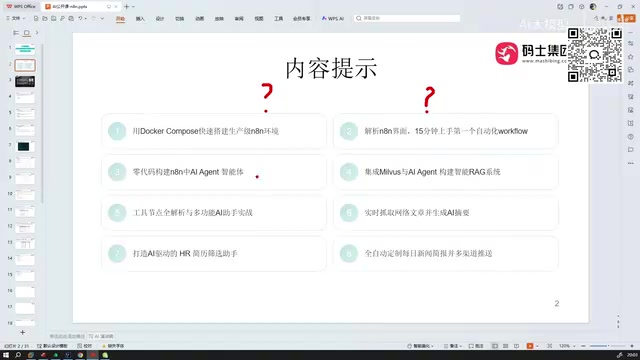
n8n from Beginner to Expert: A Complete Guide to Workflow Automation and AI Agent Development
A deep dive into n8n's workflow automation capabilities, covering its 500+ node ecosystem, AI Agent development, RAG system building, and practical tips for use in different regions.
Read more →
·3 min
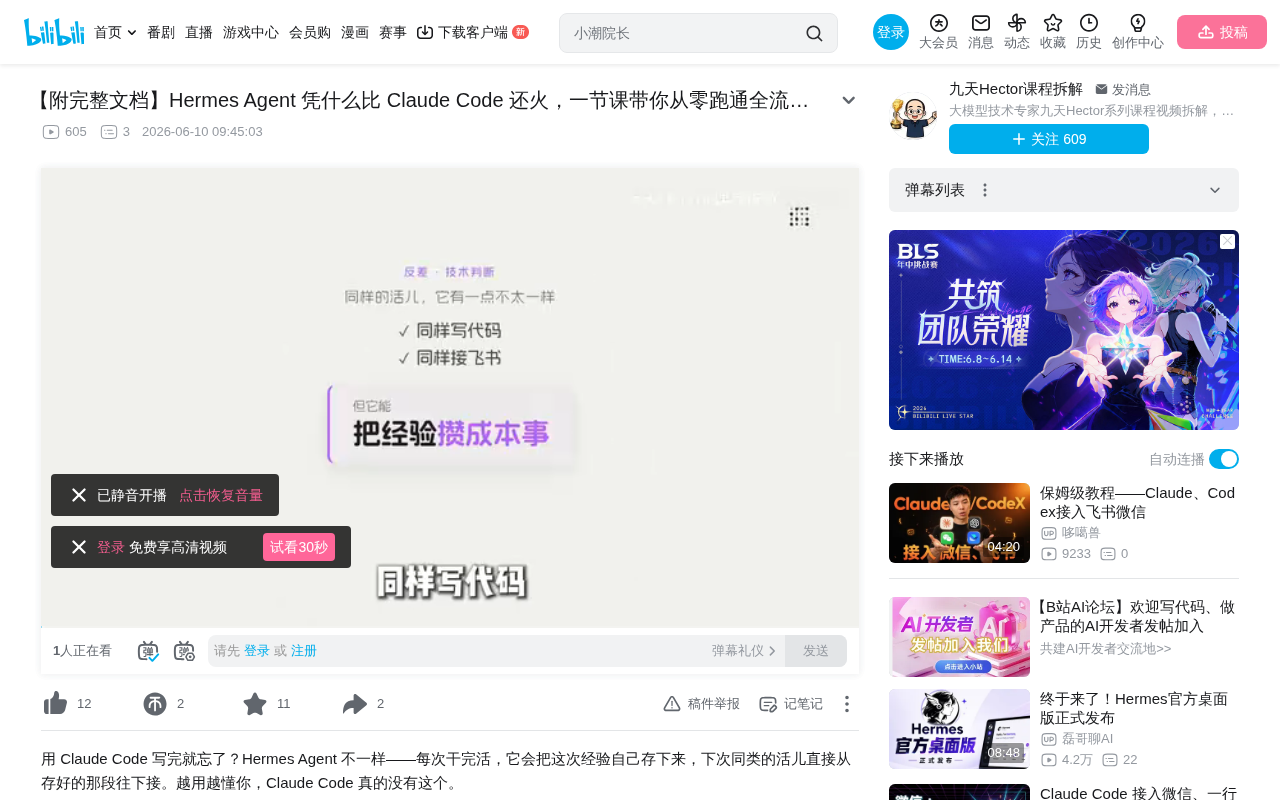
Hermes Agent Deep Dive: A Self-Evolving Agent Architecture with Practical Implementation Guide
Deep dive into Hermes Agent's core architecture: four-layer memory system, Skill self-evolution mechanism, Harness Engineering methodology, OpenCloud comparison, and Feishu integration tutorial.
Read more →
·2 min
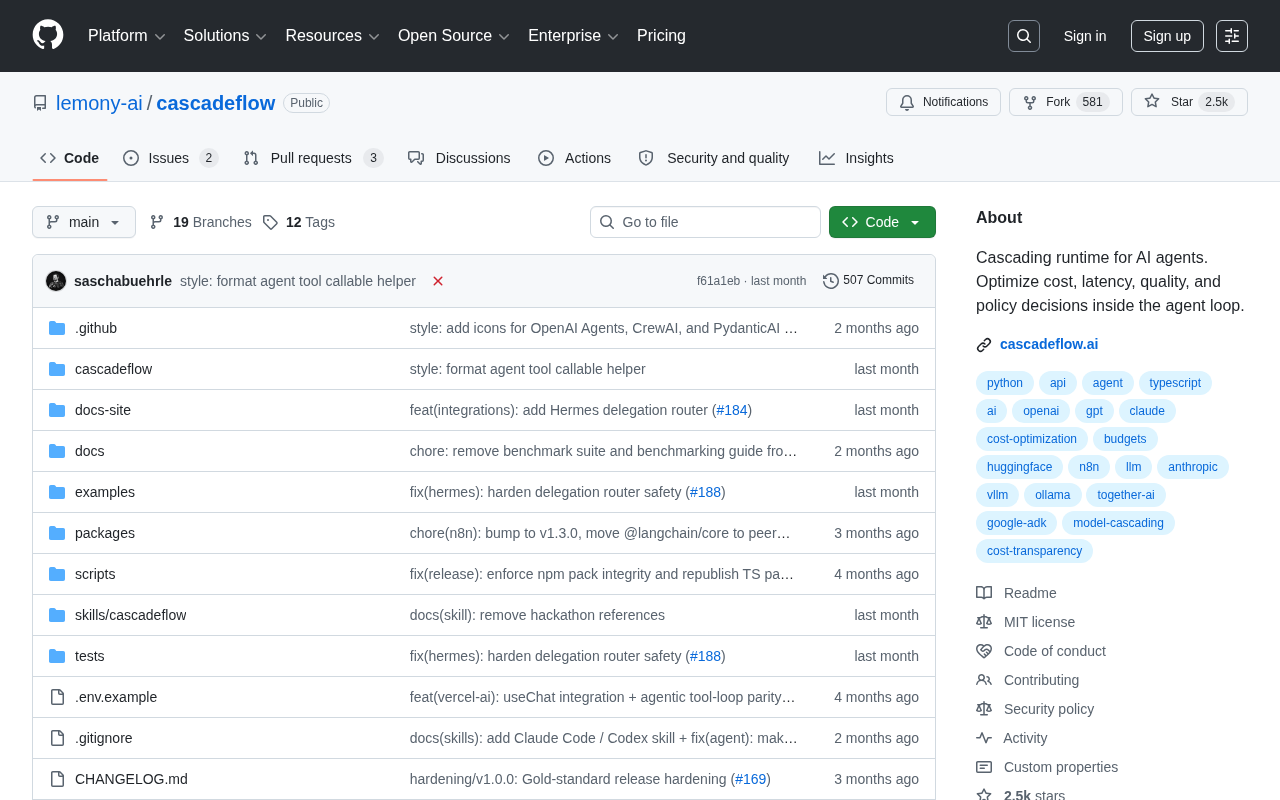
CascadeFlow: Deep Dive into the AI Agent Cascading Runtime Optimization Framework
Deep dive into the CascadeFlow open-source framework and how it optimizes AI Agent cost, latency, quality, and policy decisions through cascading runtime mechanisms for production deployment.
Read more →
·3 min
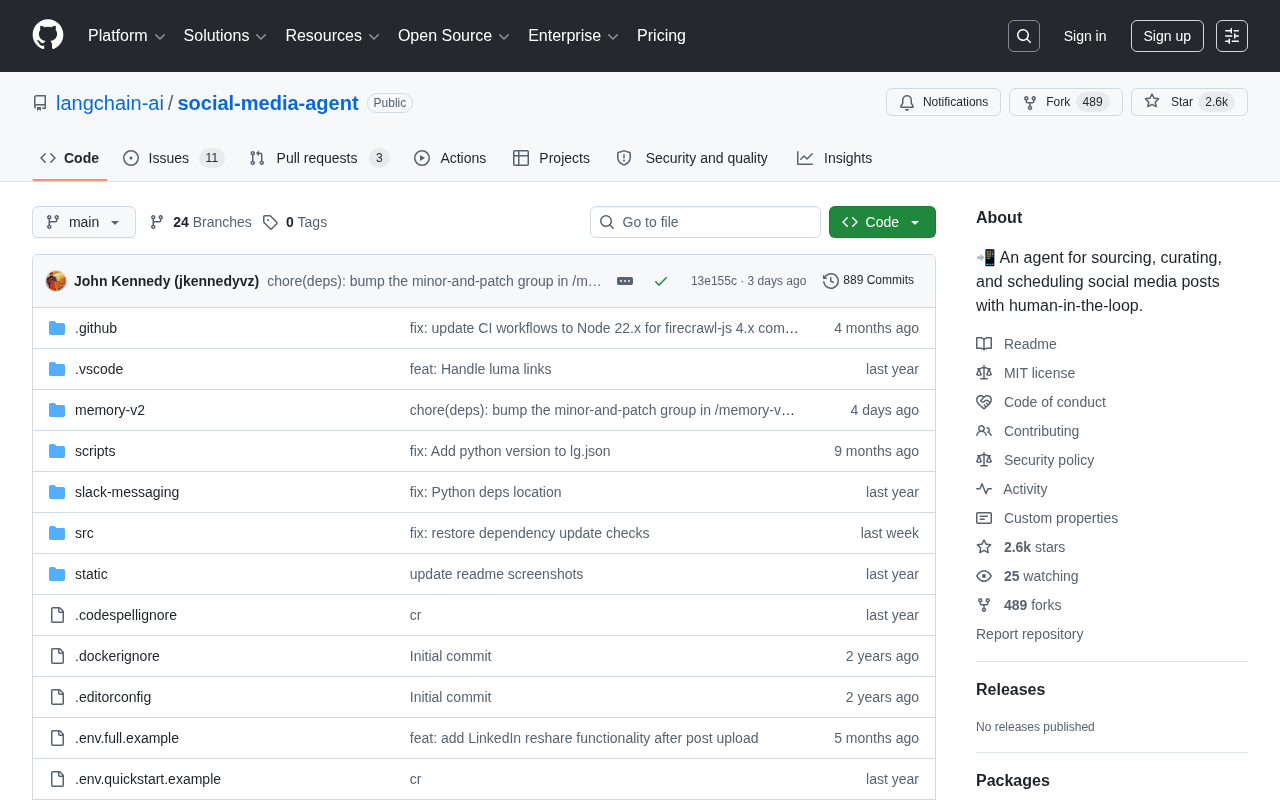
Deep Dive into LangChain's Social Media Agent Open-Source Project: Architecture, Features, and Practical Value
In-depth analysis of LangChain's open-source social-media-agent: content sourcing, AI curation, scheduled publishing, Human-in-the-Loop design, and LangGraph architecture.
Read more →
·1 min
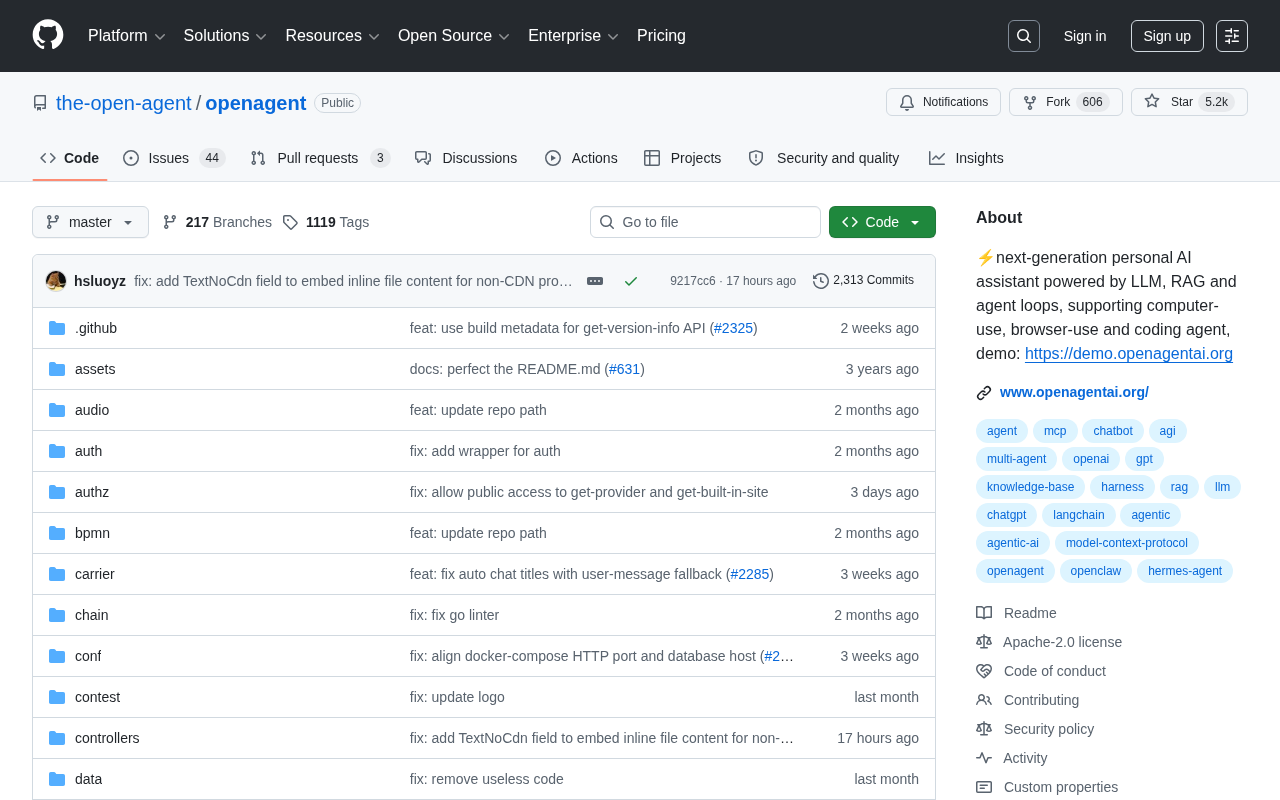
OpenAgent: A Deep Dive into the Open-Source AI Personal Assistant Built on LLM + RAG
Deep dive into OpenAgent, an open-source AI assistant featuring Computer Use, Browser Use, and Coding Agent capabilities, built on LLM + RAG + Agent Loops.
Read more →
·1 min
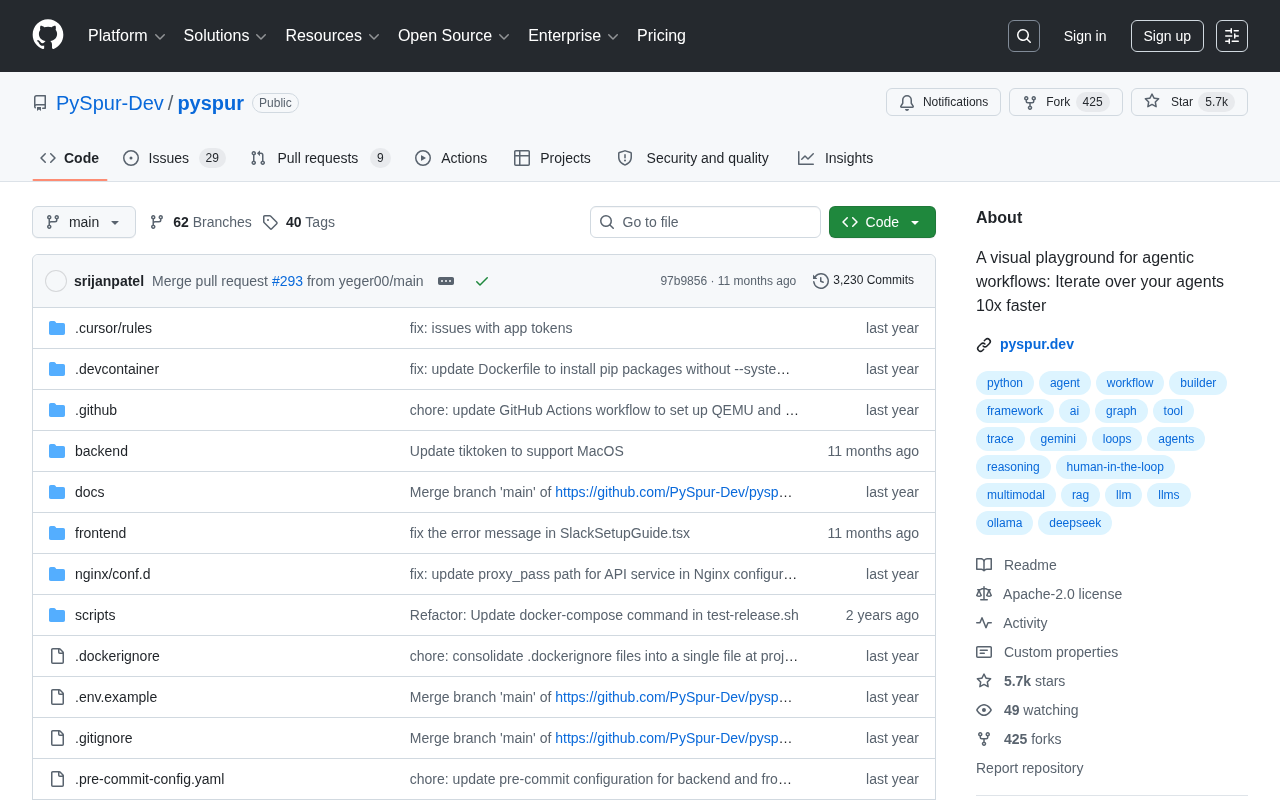
PySpur: A Deep Dive into the Open-Source Visual AI Agent Workflow Development Platform
An in-depth look at PySpur, the open-source visual AI Agent workflow platform, covering its core features, technical positioning, use cases, and comparisons with LangFlow and Dify.
Read more →