#AITS
89 related articles

·3 min
AITS Hands-On Review: API + Web + App Automated Testing All in One Platform
In-depth review of AITS: an AI testing platform covering API automation, Web automation, App real-device cloud testing, and performance testing end-to-end.
Read more →
·2 min
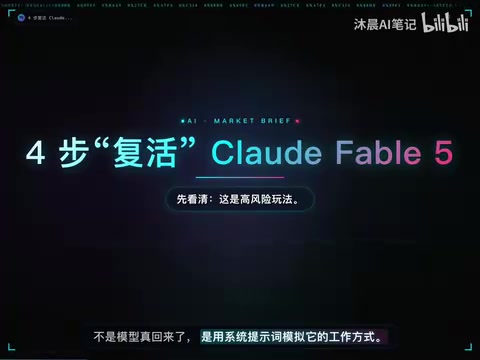
4 Steps to Simulate the Claude Fable 5 Workflow Using System Prompts
Learn how to simulate the Fable 5 workflow in Claude Code using system prompts: download the prompt file, configure your project, launch safely, and switch to Opus model.
Read more →
·2 min
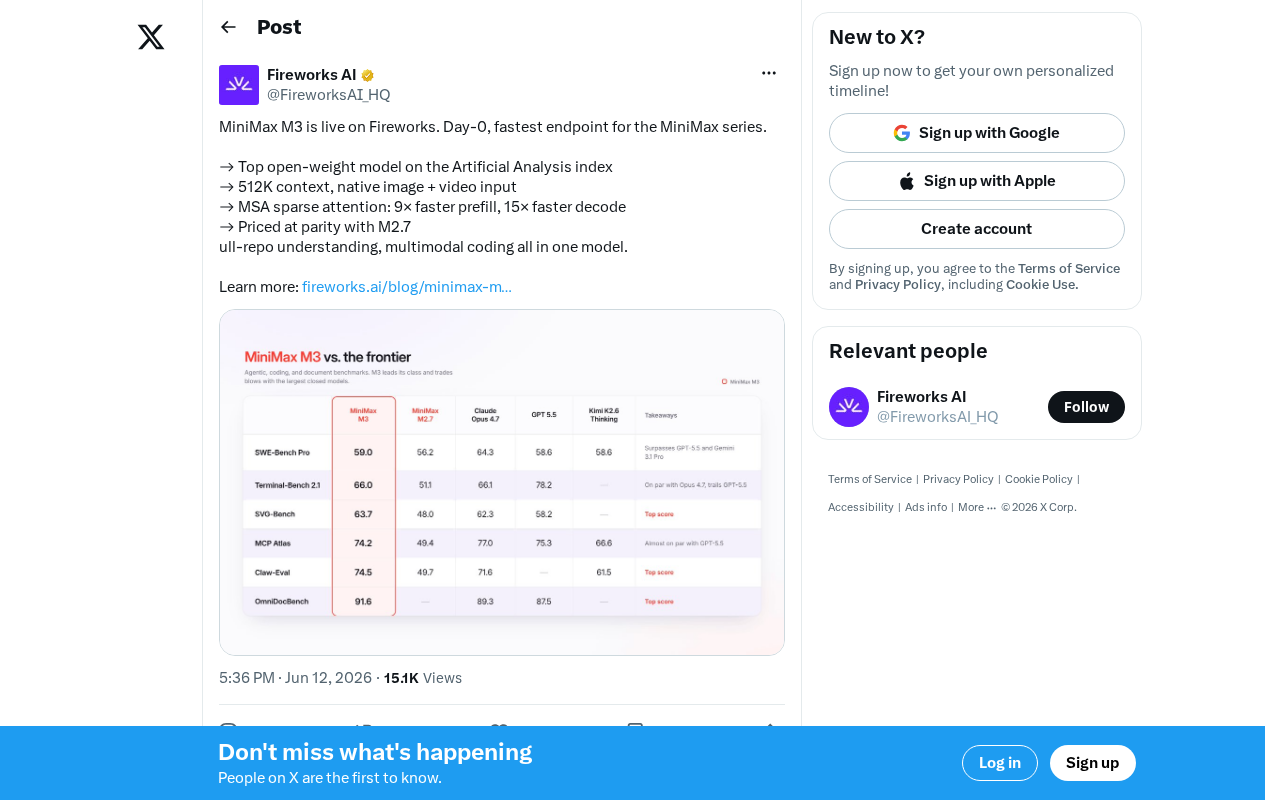
MiniMax M3 Launches on Fireworks: 512K Context and MSA Sparse Attention Explained
MiniMax M3 launches on Fireworks with 512K context and multimodal input. MSA sparse attention delivers 9x prefill and 15x decode speedups. Deep dive into architecture, pricing, and open-model competition.
Read more →
·3 min
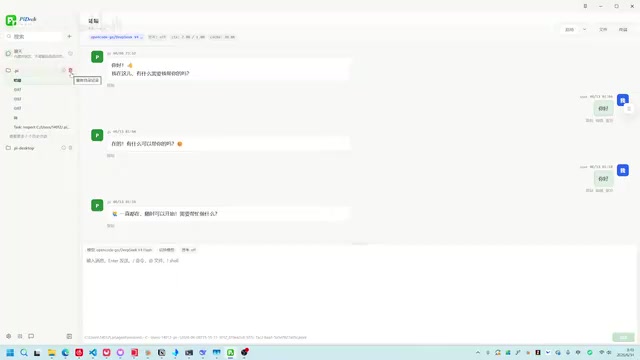
PiDeck 0.5.0 Released: Ten Versions in One Week, a Complete Overhaul of the Desktop AI Agent
PiDeck 0.5.0 completes the rebrand from PiDesktop, shipping 10 versions with ~100 changes in one week: design system overhaul, dark mode, LAN sharing, Git integration, and dual-layer proxy config.
Read more →
·3 min
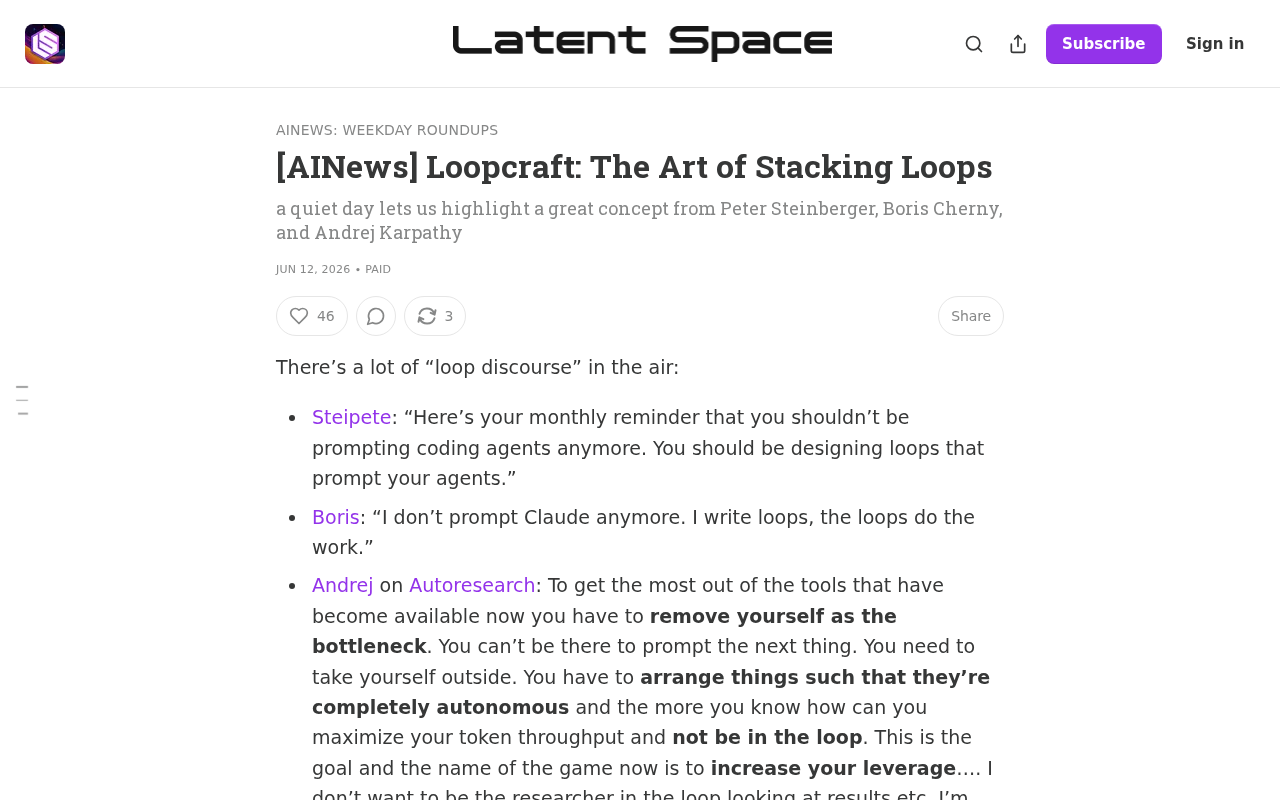
Loopcraft Explained: Loop-Stacking Architecture Design in AI Agent Development
Deep dive into Loopcraft loop-stacking architecture for AI Agent development, covering retry, self-validation, and meta-learning loops to boost reliability.
Read more →
·3 min
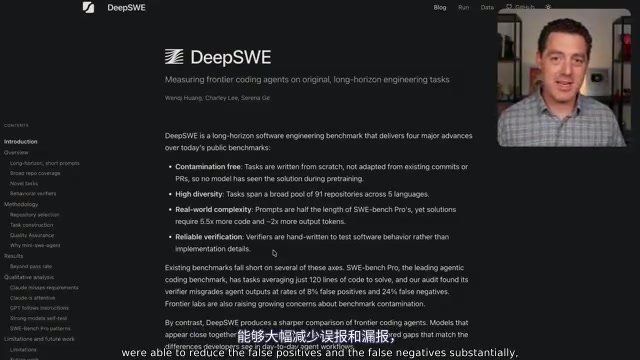
DeepSWE Benchmark Reveals the Truth: GPT 5.5 Leads Opus 4.7 by a Wide Margin
DeepSWE long-horizon benchmark shows GPT 5.5 leads Opus 4.7 by 15+ points with 70% pass rate at one-third the cost. Deep dive into contamination-free testing and AI coding implications.
Read more →

·3 min
Learning AI After College Entrance Exams: A Complete Path from Zero to Freelancing
How to efficiently learn AI skills during summer break after exams? A complete path from mastering prompts and hands-on projects to freelancing on platforms.
Read more →

·3 min
Getting Started with AI Agent Development: A Detailed Three-Stage Learning Roadmap
A complete roadmap for learning AI Agent development from scratch, covering Python & LLM basics, five core skills, and hands-on RAG projects in 1-2 months.
Read more →
·3 min
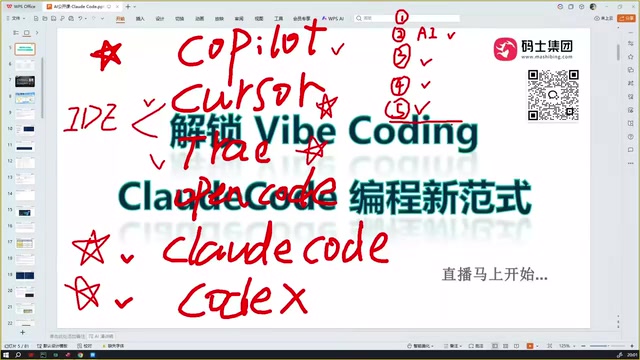
The Evolution of AI Coding Tools: Five Stages from Manual Coding to Claude Code
An in-depth analysis of five stages in AI coding tool evolution, from manual coding to Claude Code and Cursor, exploring the 0-to-1 vs 1-to-100 challenge and future trends like interrogative programming.
Read more →

·3 min
Building AI Agents from Scratch: A Complete Beginner's Guide
Build AI Agents with zero coding experience! Learn prompt engineering, RAG knowledge bases, and workflow orchestration using no-code platforms like Coze and Dify, plus real monetization paths.
Read more →
·4 min
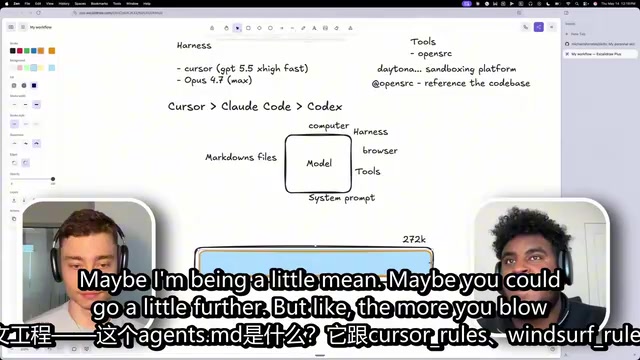
The Complete AI Agent Engineering Tech Stack: A Practical Guide to 100x Development Efficiency
Deep dive into the AI agent engineering stack: from Cursor framework, model selection to context engineering and automated review loops — a complete workflow guide to achieving 100x development efficiency.
Read more →
·3 min
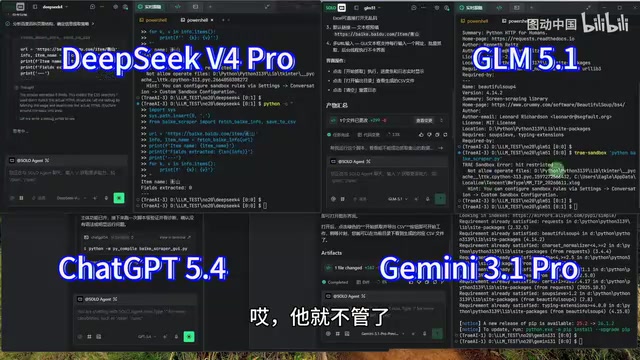
AI Coding Showdown: Four Major Models Show Shocking Performance Gaps on a Dynamic Web Scraping Task
Real-world test of ChatGPT 5.4, Gemini 3.1, DeepSeek V4 Pro, and Kimi 5.1 on a Baidu dynamic web scraping task reveals surprising gaps in AI coding ability.
Read more →
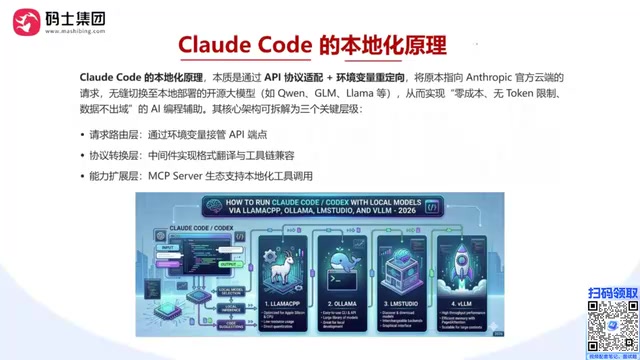
·3 min
Claude Code Local Deployment: A Practical Guide to Connecting Local LLMs
Complete guide to deploying Claude Code locally with Ollama, LM Studio, or vLLM. Covers architecture, protocol translation, hardware requirements, and model selection for zero-cost, private AI coding.
Read more →
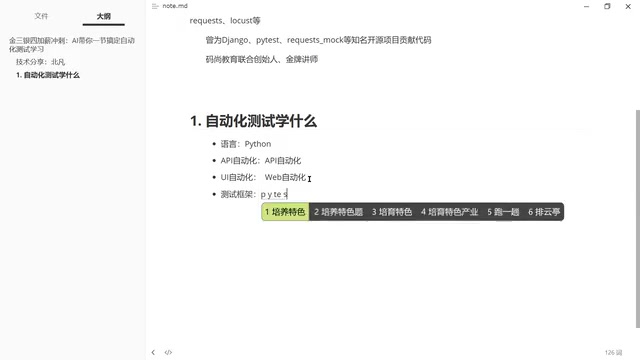
·3 min
AI-Driven Zero-Code Automated Testing: A Complete Path from Python Basics to Hands-On Practice
A detailed guide to AI-driven automated testing: from Python basics to PyTest, covering API automation, Playwright UI testing, and AI-assisted coding for beginners.
Read more →
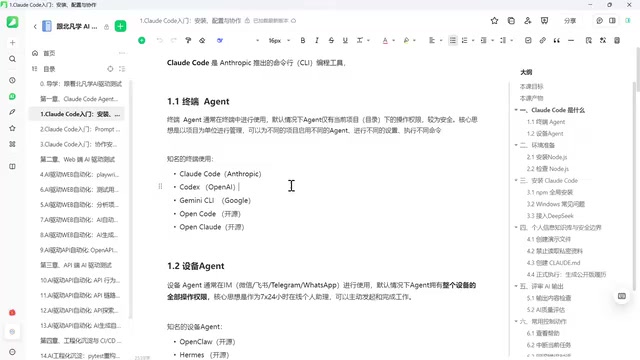
·3 min
What Is Claude Code? A Guide to Choosing Between Terminal Agents and Device Agents
Explore Claude Code's core strengths and two major AI Agent categories. Compare Terminal Agents vs Device Agents, learn why Claude Code leads enterprise AI coding, and how to pair it with DeepSeek.
Read more →
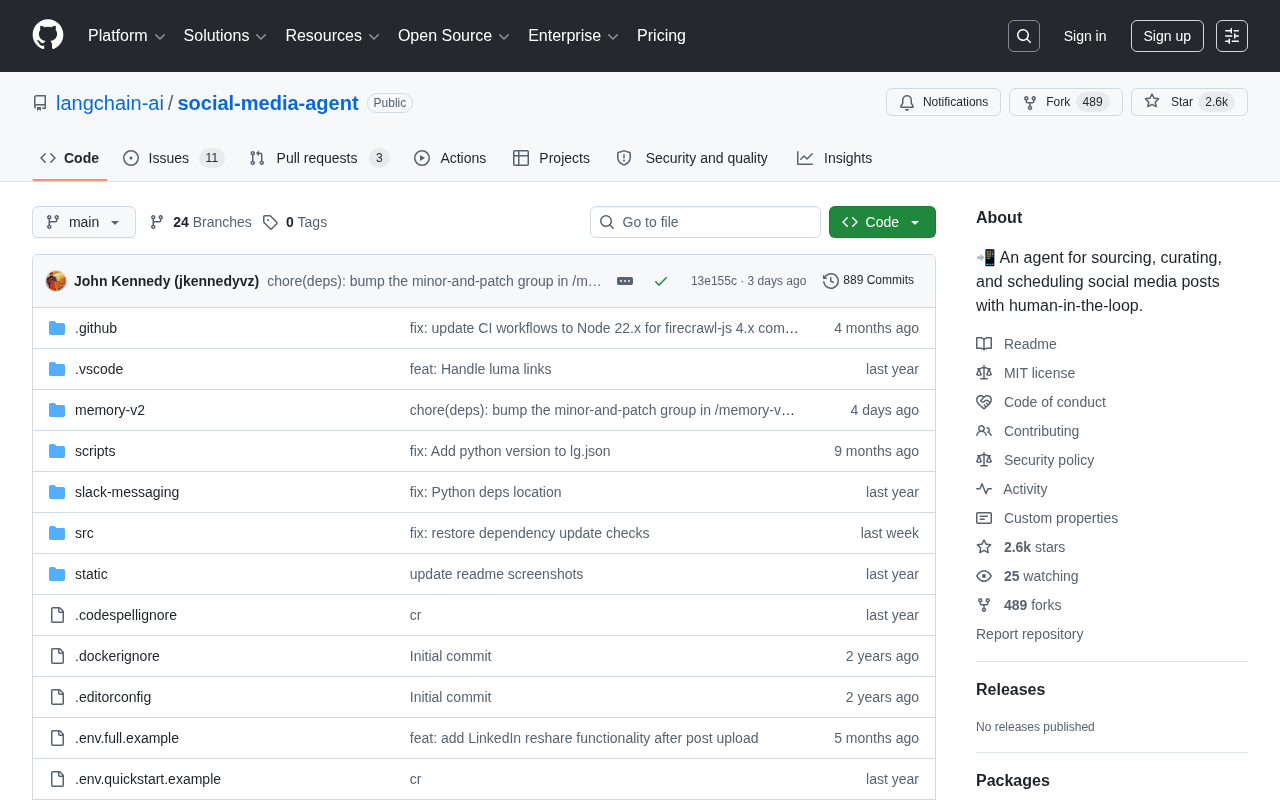
·3 min
Deep Dive into LangChain's Social Media Agent Open-Source Project: Architecture, Features, and Practical Value
In-depth analysis of LangChain's open-source social-media-agent: content sourcing, AI curation, scheduled publishing, Human-in-the-Loop design, and LangGraph architecture.
Read more →
·2 min
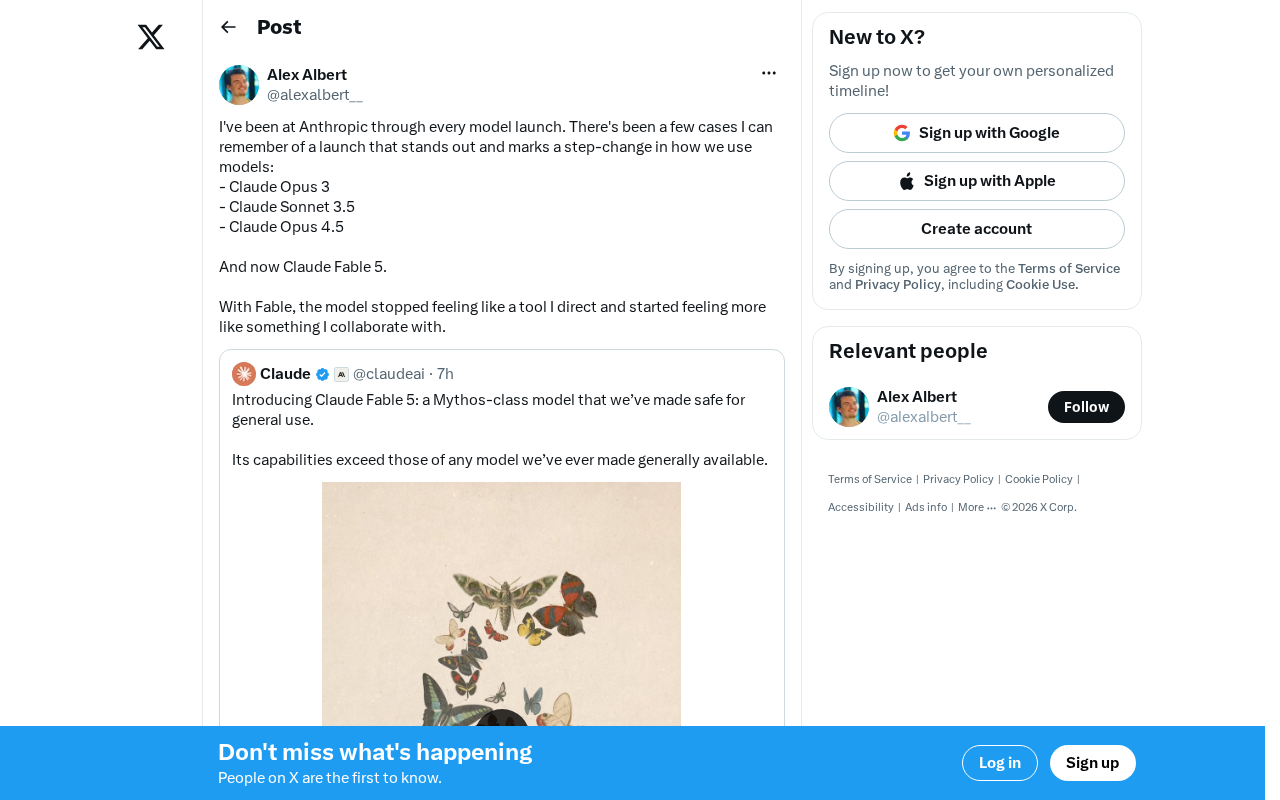
An Anthropic Employee's Firsthand Account: How Claude Fable 5 Evolved from Tool to Collaborative Partner
A veteran Anthropic employee shares observations on Claude's evolution from Opus 3 to Fable 5, highlighting four milestone releases and how Fable 5 marks the shift from tool to collaborative partner.
Read more →
·2 min
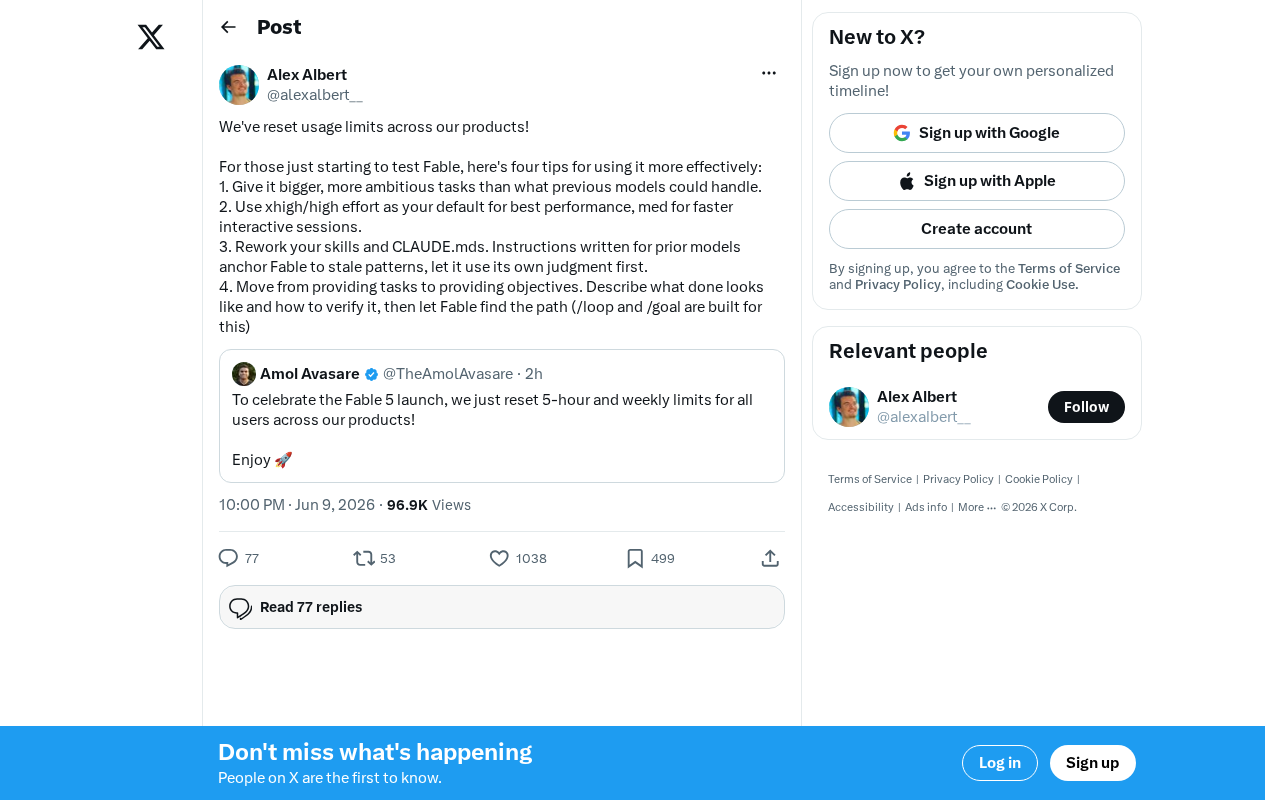
Claude Fable User Guide: Four Core Tips to Boost AI Development Efficiency
Anthropic shares four key tips for Claude Fable: assign bigger tasks, choose effort levels wisely, rewrite old instructions, and shift from tasks to goals.
Read more →
·2 min
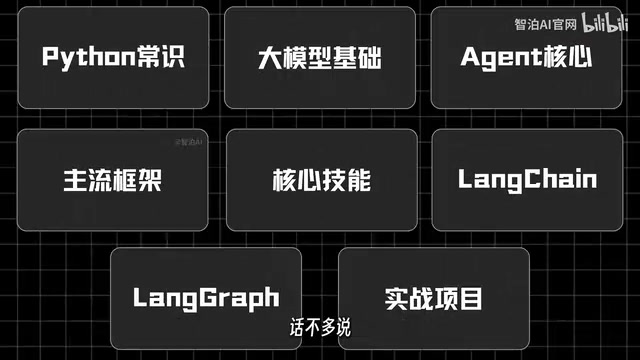
Getting Started with AI Agent Development: A Three-Stage Learning Roadmap Explained
A complete roadmap for learning AI Agent development from scratch. Covers Python basics, LLM concepts, five core capabilities, mainstream frameworks, and RAG knowledge base projects.
Read more →
·1 min
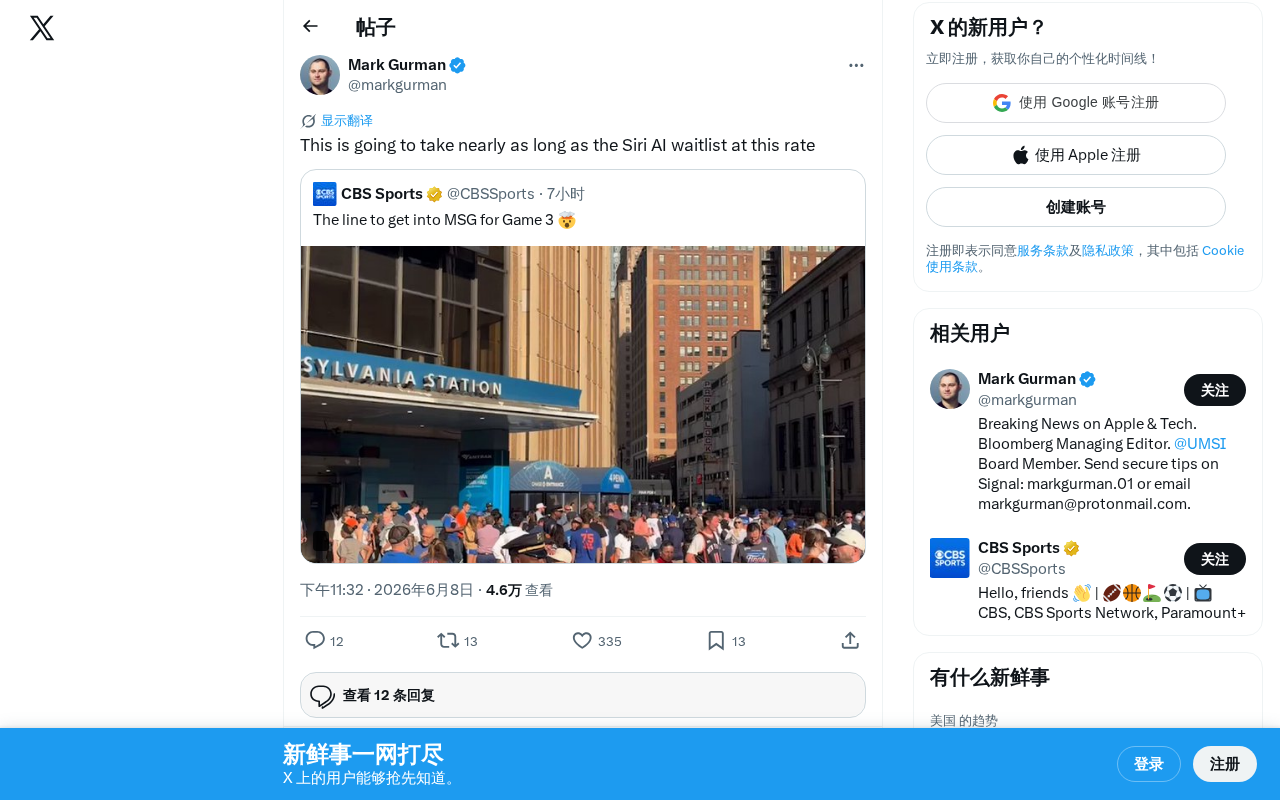
Why Are AI Product Waitlists Getting Longer? The Waiting Dilemma from Siri to Large Language Models
From Siri AI waitlists to LLM API queues, long waits have become the norm. Analyzing the compute bottlenecks, marketing strategies, and UX impacts behind AI waitlists.
Read more →